

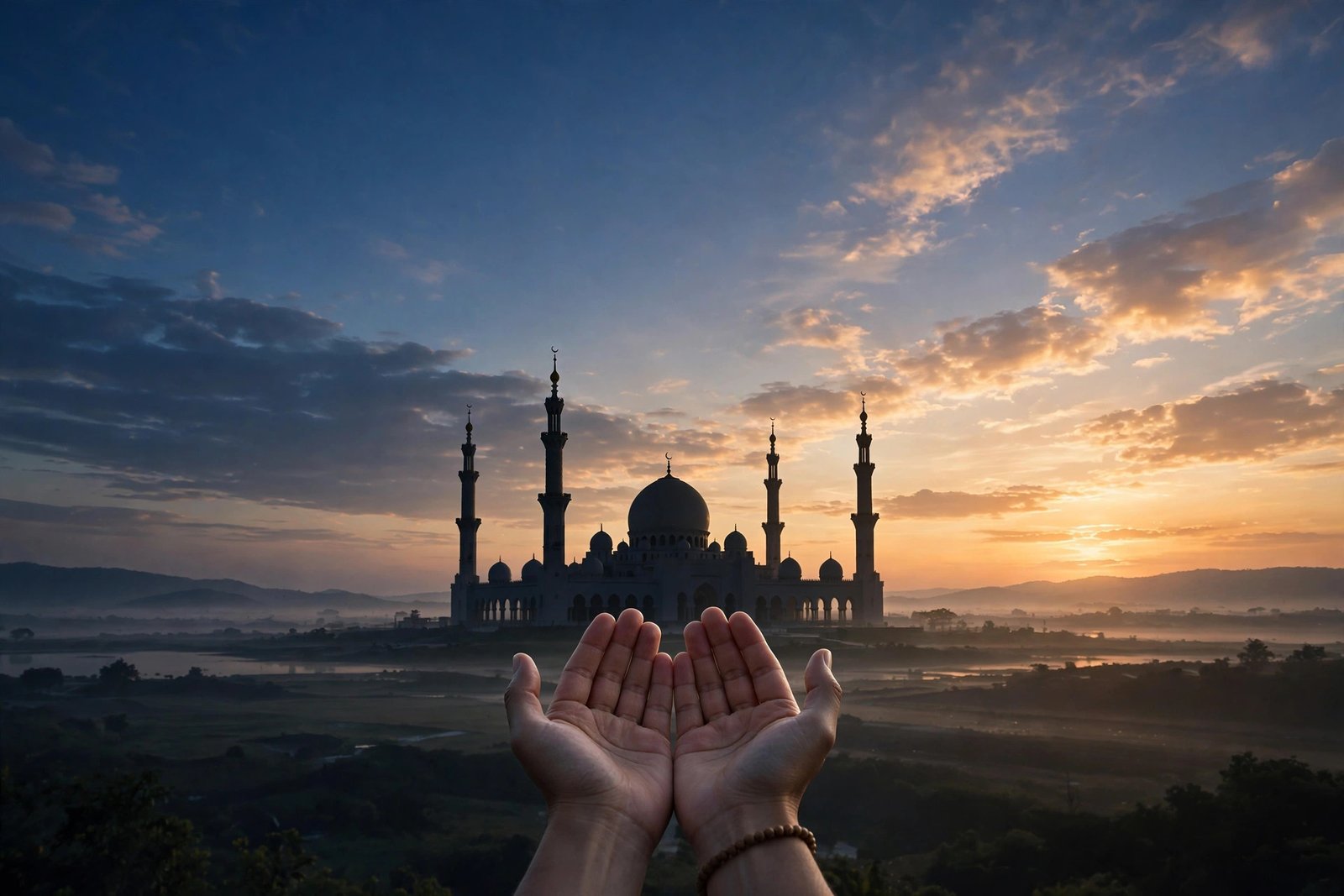
The etiquette of making dua is the key that opens the door of accepted supplication. Every believer knows that dua is a direct conversation with Allah Almighty, but not everyone knows that this conversation has beautiful manners — taught by the Prophet Muhammad ﷺ himself — that increase the hope of acceptance and deepen the bond between the servant and his Lord. Just as a person approaches a king with the finest manners, the servant of Allah approaches the King of kings with praise, humility, blessings upon the Prophet Muhammad ﷺ, raised hands, a certain heart, and patient persistence. Allah Almighty promises in the Holy Quran: “And your Lord says: Call upon Me; I will respond to you” (Surah Ghafir 40:60). In this complete guide, we will explore the etiquette of making dua in the light of the Quran and authentic Hadith: how to begin a dua, how to end it, the best times to supplicate, and the mistakes every believer should avoid.
Table of Contents
- What Are the Etiquette of Making Dua?
- Why Etiquette Matters in Supplication
- The 12 Key Etiquette of Making Dua
- Best Times to Make Dua
- Common Mistakes to Avoid When Making Dua
- Frequently Asked Questions
What Are the Etiquette of Making Dua?
Adaab al-dua (آداب الدعاء) — the etiquette of making dua — are the manners and conditions that the Quran and the Sunnah teach us to observe when calling upon Allah Almighty. They are not formalities for show; they are the expression of the servant’s sincerity, humility, and certainty in his Lord. A dua made with these etiquette rises with hope, while a careless, heedless dua lacks the spirit that Allah loves. The power of dua in Islam becomes most visible in the life of the believer who observes these manners: his supplications carry confidence, his heart carries patience, and his trust in Allah grows with every answered prayer.
The foundation of all these etiquette is one principle: dua is worship. The Prophet Muhammad ﷺ said: “Dua is worship” (Jami’ at-Tirmidhi 3371). And worship has etiquette. When we understand that every supplication is an act of obedience, we naturally want to perform it in the most beautiful way — and the Prophet Muhammad ﷺ taught us exactly how.
Why Etiquette Matters in Supplication
Why should a believer care about the etiquette of making dua? For three profound reasons. First, because the etiquette themselves are worship: praising Allah, sending blessings upon the Prophet Muhammad ﷺ, and humbling oneself before the Lord are all acts that earn reward even before the request is answered. Second, because Allah has made certain manners a means of acceptance: the hadith are explicit that Allah responds to the one who calls upon Him in the right manner and turns away from heedless hearts. Third, because etiquette transforms dua from a casual habit into a spiritual experience — the believer who sits with raised hands, a present heart, and tears of sincerity tastes a sweetness in worship that no distracted prayer can offer.
Allah describes the proper spirit of supplication in the Quran: “Call upon your Lord in humility and privately; indeed, He does not like transgressors” (Surah Al-A’raf 7:55). Humility of the heart and sincerity of intention — these are the soul of every accepted dua. The detailed manners taught in the Sunnah build upon this foundation.
The 12 Key Etiquette of Making Dua
1. Begin with Praise of Allah Almighty
The first and most essential of the etiquette of making dua is to open the supplication by praising Allah and acknowledging His greatness — before presenting any need. A companion named Fadalah ibn Ubayd رضی اللہ عنہ narrates that the Prophet Muhammad ﷺ heard a man making dua in his prayer without glorifying Allah or sending blessings upon the Prophet, and said: “This one was hasty.” Then he called him and taught: “When one of you prays, let him begin with praising Allah and glorifying Him, then send blessings upon the Prophet ﷺ, then supplicate whatever he wishes” (Jami’ at-Tirmidhi 3476). This hadith is the golden rule of dua: praise first, blessings second, and then the request.
2. Send Durood upon the Prophet Muhammad ﷺ
Sending blessings (durood) upon the Prophet Muhammad ﷺ is so central to the etiquette of making dua that it should be placed both at the beginning and at the end of the supplication. The same hadith of Fadalah ibn Ubayd رضی اللہ عنہ teaches that durood follows the praise of Allah and precedes the request (Jami’ at-Tirmidhi 3476). The pious predecessors would say that a dua is “suspended” between the heavens and the earth until blessings are sent upon the Prophet Muhammad ﷺ — and ending the dua with durood completes the circle of mercy. Never let a supplication pass without invoking blessings upon نبی اکرم ﷺ.
3. Raise Your Hands in Dua
Raising the hands is among the most beloved etiquette of making dua, for it is a physical expression of need and humility. The Prophet Muhammad ﷺ said: “Indeed, Allah is Shy and Generous: He is Shy, when a man raises his hands to Him, to turn them away empty and frustrated” (Sunan Abi Dawud 1488). On the day of Badr, he stood with his blessed hands stretched out toward the heavens, calling upon his Lord until his cloak fell from his shoulders. The sight of raised hands is, in itself, a sermon: the servant has nothing, and his Lord has everything.
4. Face the Qiblah Whenever Possible
Whenever circumstances allow, one of the beautiful etiquette of making dua is to face the direction of the Kaaba. On the day of the Battle of Badr, the Prophet Muhammad ﷺ “faced the qiblah and stretched out his hands” in supplication (Sahih Muslim 1763). Facing the qiblah gathers the body, the heart, and the intention in one direction — the House of Allah — and adds dignity and focus to the supplication.
5. Ask with Certainty, Never with Doubt
Among the most powerful etiquette of making dua is to call upon Allah with full certainty that He hears and will answer — and never with a conditional, doubting phrase. The Prophet Muhammad ﷺ said: “Call upon Allah while being certain of the answer” (Jami’ at-Tirmidhi 3479). He also warned: “Let none of you say: O Allah, forgive me if You will; O Allah, have mercy on me if You will — rather, let him be firm and resolute in his asking, for nothing is too great for Allah” (Sahih al-Bukhari 6339; Sahih Muslim 2679). Hesitation like “if You will” contradicts the confidence a believer should have in the Generosity of Allah. Ask boldly, ask firmly — the treasures of Allah are never depleted.
6. Be Persistent and Patient — Never Give Up
Persistence is a beloved part of the etiquette of making dua: repeat the supplication, return to it day after day, and never abandon it out of despair. The Prophet Muhammad ﷺ would repeat his dua three times — as he did at Badr, supplicating again and again until Allah answered (Sahih Muslim 1794). The opposite of persistence is haste: the Prophet Muhammad ﷺ said that the dua of a servant is answered “as long as he does not hasten — saying: I made dua but it was not answered” (Sahih Muslim 2735). Allah loves the servant who keeps knocking at His door. The one who gives up after a week has shown impatience; the one who asks for years, like Prophet Zakariya عليه السلام asked for a son in his old age, shows the faith of the Prophets.
7. Make Dua with a Present, Attentive Heart
A wandering, heedless heart destroys the spirit of supplication. The Prophet Muhammad ﷺ said: “Call upon Allah while being certain of the answer, and know that Allah does not accept a dua from a heedless, inattentive heart” (Jami’ at-Tirmidhi 3479). This is among the strictest etiquette of making dua: the tongue should not move while the heart sleeps. Before raising the hands, settle the heart — remember Who you are addressing, reflect on His favours, and let the words flow from a heart that is truly present.
8. Make Dua for Others as Well
One of the most generous etiquette of making dua is to supplicate for fellow believers — and the reward is multiplied, for it returns to you. The Prophet Muhammad ﷺ said: “There is no Muslim servant who supplicates for his brother behind his back except that the angel says: And for you the same” (Sahih Muslim 2733). When you ask Allah to forgive your brother, heal your sister, or bless your friend, an angel asks the same for you. The believer who prays for others never prays alone.
9. Keep Your Earnings and Food Halal
The purity of one’s livelihood is deeply connected with the acceptance of dua. The Prophet Muhammad ﷺ once described a traveller, dishevelled and dusty, raising his hands to the sky crying “My Lord! My Lord!” — while his food is unlawful, his drink is unlawful, and he has been nourished with the unlawful — and asked: “How, then, can his dua be answered?” (Sahih Muslim 1015). Among the practical etiquette of making dua is this: guard your earnings from what is forbidden, for halal sustenance opens the doors of the heavens. If you wish to see your supplications answered, let your hands be clean before you raise them.
10. Never Ask for Sin or Breaking of Family Ties
Dua is a sacred gift, and it must not be used for wrongdoing. The Prophet Muhammad ﷺ said: “The dua of a servant will continue to be answered as long as he does not ask for sin or for the severing of family ties, and does not hasten” (Sahih Muslim 2735). This is a non-negotiable boundary among the etiquette of making dua: do not supplicate against the innocent, do not ask for the unlawful, and do not pray for the breaking of kinship. Allah is the Most Just — He does not answer a prayer for injustice.
11. Keep the Voice Low and the Heart Humble
Loud, showy supplication contradicts the spirit of humility. Allah commands: “Call upon your Lord in humility and privately” (Surah Al-A’raf 7:55) — and private, whispered dua is the mark of a heart that truly fears its Lord. Among the refined etiquette of making dua is to lower the voice, soften the tone, and weep quietly if tears come. The dua whispered in the darkness of the night, with no one watching except Allah, is the dearest of all supplications.
12. Sit for Dua in a State of Purity and Wudu
When you sit down for a dedicated moment of supplication, performing wudu beforehand is a beautiful part of the etiquette of making dua: physical purity reflects and strengthens the purity of the heart, and it is the condition of the prayer in which the finest duas are made. Learn how to perform wudu step by step so that your moments of supplication — before Fajr, in the last third of the night, or after any prayer — begin in the state of cleanliness that Allah loves.
Best Times to Make Dua
The door of dua is open at all times, but the Sunnah highlights certain moments in which supplication carries a special promise of acceptance. Applying the etiquette of making dua at these times multiplies the hope of an answer:
The Last Third of the Night
The Prophet Muhammad ﷺ said: “Our Lord descends every night to the lowest heaven when the last third of the night remains, and says: Who is calling upon Me, that I may answer him? Who is asking of Me, that I may give him? Who is seeking My forgiveness, that I may forgive him?” (Sahih al-Bukhari 1145). Those who rise before Fajr prayer find this sacred hour filled with answered supplications.
An Hour on Friday
There is an hour on Friday in which no Muslim stands praying and asks Allah for something except that He grants it (Sahih Muslim 852). Scholars mention that this hour is most likely in the last part of Friday afternoon — a moment no believer should let pass without dua.
Between the Adhan and the Iqamah
The Prophet Muhammad ﷺ taught that the dua made between the adhan and the iqamah is not rejected (Sunan Abi Dawud 521). This short window, which arrives five times a day in every mosque, is a golden opportunity for supplication.
In Sujood (Prostration)
The Prophet Muhammad ﷺ said that a servant is closest to his Lord in prostration, so he should increase his dua there (Sahih Muslim 482). The forehead on the ground and the heart in the heavens — this is the posture of the most intimate dua.
While Fasting and for the Oppressed
The Prophet Muhammad ﷺ said: “There are three whose dua is not rejected: the just ruler, the fasting person until he breaks his fast, and the supplication of the oppressed” (Jami’ at-Tirmidhi 2526). The fasting believer and the wronged one carry duas that pierce the heavens.
Common Mistakes to Avoid When Making Dua
Alongside the etiquette of making dua, every believer should guard against these common mistakes:
- Directing dua to anyone other than Allah: supplication is worship, and worship belongs to Allah alone. Allah says: “And the mosques are for Allah, so do not invoke anyone with Allah” (Surah Al-Jinn 72:18). Every dua should be addressed to Allah Almighty directly, without intermediary.
- Conditional phrases like “if You will”: as taught above, the Prophet Muhammad ﷺ forbade saying “O Allah, forgive me if You will” — ask with firm resolve instead (Sahih al-Bukhari 6339).
- Asking for sin or harm to the innocent: duas for injustice are never answered (Sahih Muslim 2735).
- Impatience and despair: saying “I made dua but it was not answered” is itself the haste that blocks acceptance (Sahih Muslim 2735). Every sincere dua is answered in one of three ways: granted in this world, stored for the Hereafter, or exchanged for protection from harm.
- A heedless, distracted heart: Allah does not accept dua from an inattentive heart (Jami’ at-Tirmidhi 3479). Be present.
- Abandoning dua altogether: the one who stops asking has closed his own door. Allah commands us to call upon Him (Surah Ghafir 40:60) — and He is never tired of being asked.
Frequently Asked Questions
What are the etiquette of making dua in Islam?
The etiquette of making dua include: beginning with praise of Allah, sending durood upon the Prophet Muhammad ﷺ, raising the hands, facing the qiblah, asking with certainty and firm resolve, being persistent and patient, making dua with a present heart, supplicating for others, keeping earnings halal, never asking for sin or breaking family ties, keeping the voice low and humble, and sitting in a state of purity. Each of these manners is taught in the Quran or in authentic hadith, and together they open the doors of acceptance.
Should I send durood before making dua?
Yes. The Prophet Muhammad ﷺ taught that when making dua, one should begin with praising Allah and glorifying Him, then send blessings upon the Prophet ﷺ, and only then present the request (Jami’ at-Tirmidhi 3476). Placing durood at the beginning and end of the dua is among the most emphasized etiquette of making dua.
Can I make dua without wudu?
Yes, dua can be made at any time and in any state — Allah hears the servant wherever he is. However, when sitting for a dedicated moment of supplication, performing wudu beforehand is recommended, as purity of the body reflects purity of the heart. If you have not yet learned it, read our guide on how to perform wudu step by step.
Why should I raise my hands when making dua?
Raising the hands is a Sunnah and a physical expression of humility and need. The Prophet Muhammad ﷺ said that Allah is Shy and Generous: He is Shy, when a servant raises his hands to Him, to turn them away empty and frustrated (Sunan Abi Dawud 1488). The Prophet Muhammad ﷺ himself raised his blessed hands in dua on many occasions, including at Badr (Sahih Muslim 1763).
How many times should I repeat a dua?
Repeat your dua often and persistently. The Prophet Muhammad ﷺ would repeat his supplication three times — as he did on the day of Badr (Sahih Muslim 1794). Never give up after a few days; the etiquette of making dua call for patience and persistence, for Allah loves the servant who keeps knocking at His door, and every sincere dua is answered in Allah’s perfect wisdom.
اردو میں مکمل مضمون: دعا مانگنے کے آداب
دعا مانگنے کے آداب وہ کلید ہیں جو قبول شدہ دعا کا دروازہ کھولتی ہے۔ ہر مؤمن جانتا ہے کہ دعا اللہ تعالیٰ سے براہِ راست بات چیت ہے، مگر ہر کوئی نہیں جانتا کہ اس بات چیت کے خوبصورت آداب بھی ہیں — جو خود نبی اکرم ﷺ نے سکھائے — اور جو قبولیت کی امید بڑھاتے ہیں اور بندے اور اس کے رب کے درمیان تعلق کو گہرا کرتے ہیں۔ جس طرح کوئی شخص بادشاہ کے حضور بہترین آداب کے ساتھ حاضر ہوتا ہے، اسی طرح اللہ کا بندہ بادشاہوں کے بادشاہ کے حضور حمد و ثنا، نبی اکرم ﷺ پر درود، بلند ہاتھوں، یقینِ کامل دل اور صبر و استقامت کے ساتھ حاضر ہوتا ہے۔ اللہ تعالیٰ قرآنِ مجید میں وعدہ فرماتا ہے: “اور تمہارے رب نے فرمایا: مجھ سے دعا کرو، میں تمہاری دعا قبول کروں گا” (سورۃ غافر 40:60)۔ اس مکمل مضمون میں ہم دعا مانگنے کے آداب قرآن و حدیث کی روشنی میں جانیں گے: دعا کیسے شروع کی جائے، کیسے ختم کی جائے، دعا کے بہترین اوقات کون سے ہیں، اور کن غلطیوں سے ہر مؤمن کو بچنا چاہیے۔
فہرست
- دعا مانگنے کے آداب کیا ہیں؟
- دعا میں آداب کیوں ضروری ہیں؟
- دعا مانگنے کے 12 اہم آداب
- دعا کے بہترین اوقات
- دعا میں عام غلطیاں جن سے بچنا چاہیے
- اکثر پوچھے جانے والے سوالات
دعا مانگنے کے آداب کیا ہیں؟
آدابِ دعا وہ شرائط اور آداب ہیں جو قرآن و سنت نے اللہ تعالیٰ سے دعا مانگتے وقت سکھائے ہیں۔ یہ دکھاوے کی رسومات نہیں ہیں؛ یہ بندے کی اخلاص، عاجزی اور اپنے رب پر یقین کا اظہار ہیں۔ دعا مانگنے کے آداب کے ساتھ کی گئی دعا امید کے ساتھ بلند ہوتی ہے، جبکہ بے پروائی اور غفلت سے کی گئی دعا اس روح سے خالی ہوتی ہے جسے اللہ پسند فرماتا ہے۔ اسلام میں دعا کی طاقت اس مؤمن کی زندگی میں سب سے زیادہ نمایاں ہوتی ہے جو ان آداب کی پابندی کرتا ہے: اس کی دعاؤں میں اعتماد ہوتا ہے، اس کے دل میں صبر ہوتا ہے، اور ہر قبول شدہ دعا کے ساتھ اللہ پر اس کا بھروسا بڑھتا جاتا ہے۔
ان تمام آداب کی بنیاد ایک اصول ہے: دعا عبادت ہے۔ نبی اکرم ﷺ نے فرمایا: “دعا عبادت ہے” (جامع ترمذی 3371)۔ اور عبادت کے آداب ہوتے ہیں۔ جب ہم سمجھتے ہیں کہ ہر دعا عبادت کا عمل ہے تو ہم فطری طور پر اسے خوبصورت ترین انداز میں ادا کرنا چاہتے ہیں — اور نبی اکرم ﷺ نے ہمیں بالکل یہی سکھایا ہے۔
دعا میں آداب کیوں ضروری ہیں؟
مؤمن کو دعا مانگنے کے آداب کی پرواہ کیوں کرنی چاہیے؟ تین گہرے اسباب ہیں۔ پہلا: یہ آداب خود عبادت ہیں — اللہ کی حمد، نبی اکرم ﷺ پر درود، اور اپنے رب کے حضور عاجزی، یہ سب ایسے اعمال ہیں جو حاجت پوری ہونے سے پہلے ہی اجر دلاتے ہیں۔ دوسرا: اللہ نے بعض آداب کو قبولیت کا ذریعہ بنایا ہے — احادیث میں صراحت ہے کہ اللہ اس کی دعا قبول فرماتا ہے جو صحیح طریقے سے مانگتا ہے اور غافل دلوں سے منہ موڑ لیتا ہے۔ تیسرا: آداب دعا کو محض عادت سے روحانی تجربے میں بدل دیتے ہیں — وہ مؤمن جو بلند ہاتھوں، حاضر دل اور اخلاص کے آنسوؤں کے ساتھ بیٹھتا ہے، عبادت میں وہ مٹھاس چکھتا ہے جو بے دھیانی والی نماز کبھی نہیں دے سکتی۔
اللہ تعالیٰ قرآن میں دعا کی صحیح روح بیان فرماتا ہے: “اپنے رب کو عاجزی اور پوشیدگی کے ساتھ پکارو؛ بے شک وہ حد سے بڑھنے والوں کو پسند نہیں کرتا” (سورۃ الاعراف 7:55)۔ دل کی عاجزی اور نیت کا اخلاص — یہی ہر قبول شدہ دعا کی روح ہے۔ سنت میں سکھائے گئے تفصیلی آداب اسی بنیاد پر قائم ہیں۔
دعا مانگنے کے 12 اہم آداب
1۔ اللہ تعالیٰ کی حمد و ثنا سے آغاز کریں
دعا مانگنے کے آداب میں پہلا اور سب سے ضروری ادب یہ ہے کہ دعا کا آغاز اللہ کی حمد اور اس کی عظمت کے اعتراف سے کیا جائے — حاجت پیش کرنے سے پہلے۔ صحابی رسول حضرت فضالہ بن عبید رضی اللہ عنہ روایت کرتے ہیں کہ نبی اکرم ﷺ نے ایک شخص کو نماز میں دعا کرتے سنا جس نے نہ اللہ کی حمد کی اور نہ نبی پر درود بھیجا، تو آپ ﷺ نے فرمایا: “اس نے جلدی کی۔” پھر آپ نے اسے بلایا اور سکھایا: “جب تم میں سے کوئی دعا کرے تو اللہ کی حمد و ثنا سے آغاز کرے، پھر نبی ﷺ پر درود بھیجے، پھر جو چاہے مانگے” (جامع ترمذی 3476)۔ یہ حدیث دعا کا سنہری اصول ہے: پہلے حمد، پھر درود، پھر حاجت۔
2۔ نبی اکرم ﷺ پر درود بھیجیں
نبی اکرم ﷺ پر درود بھیجنا دعا مانگنے کے آداب میں اتنا مرکزی ہے کہ اسے دعا کے آغاز اور اختتام دونوں میں رکھنا چاہیے۔ حضرت فضالہ بن عبید رضی اللہ عنہ کی یہی حدیث سکھاتی ہے کہ درود اللہ کی حمد کے بعد اور حاجت سے پہلے آتا ہے (جامع ترمذی 3476)۔ سلف صالحین فرماتے تھے کہ دعا آسمان و زمین کے درمیان معلق رہتی ہے جب تک نبی اکرم ﷺ پر درود نہ بھیجا جائے — اور دعا کو درود پر ختم کرنا رحمت کے دائرے کو مکمل کرتا ہے۔ نبی اکرم ﷺ پر درود کے بغیر کوئی دعا نہ گزرنے دیں۔
3۔ دعا میں ہاتھ بلند کریں
ہاتھ بلند کرنا دعا مانگنے کے آداب میں سے محبوب ترین ادب ہے، کیونکہ یہ حاجت اور عاجزی کا جسمانی اظہار ہے۔ نبی اکرم ﷺ نے فرمایا: “بے شک اللہ حیا دار اور کریم ہے: اسے حیا آتی ہے کہ جب کوئی بندہ اس کی طرف ہاتھ بلند کرے تو انہیں خالی اور نامراد لوٹا دے” (سنن ابی داؤد 1488)۔ غزوۂ بدر کے دن آپ ﷺ نے اپنے مبارک ہاتھ آسمان کی طرف پھیلائے رکھے اور اپنے رب کو پکارتے رہے یہاں تک کہ آپ کی چادر مبارک کندھوں سے گر گئی۔ بلند ہاتھ خود ایک وعظ ہیں: بندے کے پاس کچھ نہیں، اور اس کے رب کے پاس سب کچھ ہے۔
4۔ جہاں ممکن ہو قبلے کی طرف رخ کریں
جہاں حالات اجازت دیں، دعا مانگنے کے آداب میں سے ایک خوبصورت ادب قبلۂ کی طرف رخ کرنا ہے۔ غزوۂ بدر کے دن نبی اکرم ﷺ نے “قبلے کی طرف رخ کیا اور اپنے ہاتھ پھیلا دیے” (صحیح مسلم 1763)۔ قبلے کی طرف رخ کرنے سے جسم، دل اور نیت ایک ہی سمت — بیت اللہ — میں جمع ہو جاتے ہیں، اور دعا میں وقار اور توجہ پیدا ہوتی ہے۔
5۔ یقینِ کامل کے ساتھ مانگیں، کبھی شک کے ساتھ نہیں
دعا مانگنے کے آداب میں سے سب سے طاقتور ادب یہ ہے کہ اللہ سے پورے یقین کے ساتھ مانگا جائے کہ وہ سنتا ہے اور قبول فرمائے گا — اور کبھی مشروط اور شک والے الفاظ کے ساتھ نہیں۔ نبی اکرم ﷺ نے فرمایا: “اللہ سے دعا کرو اس حال میں کہ تمہیں قبولیت کا یقین ہو” (جامع ترمذی 3479)۔ اور آپ نے خبردار کیا: “تم میں سے کوئی یہ نہ کہے: اے اللہ! اگر تو چاہے تو مجھے بخش دے؛ اے اللہ! اگر تو چاہے تو مجھ پر رحم فرما — بلکہ پختہ ارادے اور عزم کے ساتھ مانگے، کیونکہ اللہ کے لیے کوئی چیز بڑی نہیں” (صحیح بخاری 6339؛ صحیح مسلم 2679)۔ “اگر تو چاہے” جیسی ہچکچاہٹ اس اعتماد کے خلاف ہے جو مؤمن کو اللہ کی سخاوت پر ہونا چاہیے۔ بے دھڑک مانگیں، پختہ ارادے سے مانگیں — اللہ کے خزانے کبھی ختم نہیں ہوتے۔
6۔ استقامت اور صبر سے کام لیں — کبھی ہمت نہ ہاریں
استقامت دعا مانگنے کے آداب کا محبوب حصہ ہے: دعا کو دہرائیں، دن بہ دن اس کی طرف لوٹیں، اور مایوسی سے اسے کبھی نہ چھوڑیں۔ نبی اکرم ﷺ اپنی دعا تین بار دہراتے تھے — جیسا کہ بدر کے دن آپ نے بار بار دعا کی یہاں تک کہ اللہ نے قبول فرمائی (صحیح مسلم 1794)۔ استقامت کا الٹ جلد بازی ہے: نبی اکرم ﷺ نے فرمایا کہ بندے کی دعا قبول ہوتی رہتی ہے “جب تک وہ جلدی نہ کرے — یہ کہتے ہوئے: میں نے دعا کی مگر قبول نہ ہوئی” (صحیح مسلم 2735)۔ اللہ اس بندے کو پسند فرماتا ہے جو اس کے دروازے پر دستک دیتا رہتا ہے۔ جو ایک ہفتے بعد ہمت ہار دے اس نے بے صبری دکھائی؛ جو سالوں تک مانگتا رہے، جیسے حضرت زکریا علیہ السلام نے بڑھاپے میں اولاد مانگی، اس نے انبیاء والا ایمان دکھایا۔
7۔ حاضر اور متوجہ دل کے ساتھ دعا کریں
بھٹکتا ہوا غافل دل دعا کی روح کو ختم کر دیتا ہے۔ نبی اکرم ﷺ نے فرمایا: “اللہ سے دعا کرو اس حال میں کہ تمہیں قبولیت کا یقین ہو، اور جان لو کہ اللہ غافل اور بے پروا دل کی دعا قبول نہیں فرماتا” (جامع ترمذی 3479)۔ یہ دعا مانگنے کے آداب میں سے سخت ترین ادب ہے: زبان نہ چلے جبکہ دل سو رہا ہو۔ ہاتھ بلند کرنے سے پہلے دل کو ٹھہرائیں — یاد کریں کہ آپ کس سے مخاطب ہیں، اس کی نعمتوں پر غور کریں، اور الفاظ اس دل سے نکلیں جو واقعی حاضر ہو۔
8۔ دوسروں کے لیے بھی دعا کریں
دعا مانگنے کے آداب میں سے سب سے سخی ادب یہ ہے کہ دوسرے مؤمنوں کے لیے بھی دعا کی جائے — اور اس کا اجر دگنا ہوتا ہے، کیونکہ وہ آپ کی طرف لوٹتا ہے۔ نبی اکرم ﷺ نے فرمایا: “کوئی مسلمان بندہ اپنے بھائی کے لیے اس کی غیر موجودگی میں دعا نہیں کرتا مگر فرشتہ کہتا ہے: اور تمہارے لیے بھی وہی ہو” (صحیح مسلم 2733)۔ جب آپ اپنے بھائی کی مغفرت، اپنی بہن کی شفا، یا اپنے دوست کی برکت مانگتے ہیں تو ایک فرشتہ آپ کے لیے بھی وہی مانگتا ہے۔ جو دوسروں کے لیے دعا کرتا ہے وہ کبھی اکیلا دعا نہیں کرتا۔
9۔ اپنی کمائی اور خوراک حلال رکھیں
رزق کی پاکیزگی کا دعا کی قبولیت سے گہرا تعلق ہے۔ نبی اکرم ﷺ نے ایک مسافر کا ذکر فرمایا، پراگندہ حال اور گرد آلود، جو آسمان کی طرف ہاتھ بلند کر کے پکارتا ہے “اے میرے رب! اے میرے رب!” — جبکہ اس کا کھانا حرام ہے، اس کا پینا حرام ہے، اور اس کی پرورش حرام سے ہوئی ہے — اور فرمایا: “تو اس کی دعا کیسے قبول ہو؟” (صحیح مسلم 1015)۔ عملی دعا مانگنے کے آداب میں یہ بھی ہے: اپنی کمائی کو حرام سے بچائیں، کیونکہ حلال رزق آسمانوں کے دروازے کھولتا ہے۔ اگر آپ چاہتے ہیں کہ آپ کی دعائیں قبول ہوں تو ہاتھ بلند کرنے سے پہلے انہیں پاک رکھیں۔
10۔ کبھی گناہ یا قطع رحمی کی دعا نہ کریں
دعا ایک مقدس نعمت ہے، اور اسے غلط کام کے لیے استعمال نہیں کرنا چاہیے۔ نبی اکرم ﷺ نے فرمایا: “بندے کی دعا قبول ہوتی رہتی ہے جب تک وہ گناہ کی دعا نہ کرے یا قطع رحمی کی، اور جلدی نہ کرے” (صحیح مسلم 2735)۔ یہ دعا مانگنے کے آداب میں ناقابلِ مذاکرت حد ہے: بے گناہ کے خلاف دعا نہ کریں، حرام کی دعا نہ کریں، اور رشتہ داری توڑنے کی دعا نہ کریں۔ اللہ سب سے زیادہ عادل ہے — وہ ظلم کی دعا قبول نہیں فرماتا۔
11۔ آواز دھیمی اور دل عاجز رکھیں
اونچی اور دکھاوے والی دعا عاجزی کی روح کے خلاف ہے۔ اللہ حکم فرماتا ہے: “اپنے رب کو عاجزی اور پوشیدگی کے ساتھ پکارو” (سورۃ الاعراف 7:55) — اور پوشیدہ، سرگوشی والی دعا اس دل کی علامت ہے جو واقعی اپنے رب سے ڈرتا ہے۔ نفیس دعا مانگنے کے آداب میں سے یہ ہے کہ آواز نیچی رکھی جائے، لہجہ نرم ہو، اور اگر آنسو آئیں تو خاموشی سے بہیں۔ رات کی تاریکی میں سرگوشی کی گئی دعا، جسے اللہ کے سوا کوئی نہ دیکھے، سب سے پیاری دعا ہے۔
12۔ طہارت اور وضو کی حالت میں دعا کے لیے بیٹھیں
جب آپ دعا کے لیے باقاعدہ بیٹھیں تو پہلے وضو کرنا دعا مانگنے کے آداب کا خوبصورت حصہ ہے: جسمانی طہارت دل کی طہارت کو ظاہر کرتی اور مضبوط کرتی ہے، اور یہ اس نماز کی شرط ہے جس میں بہترین دعائیں کی جاتی ہیں۔ وضو کا صحیح طریقہ سیکھیں تاکہ آپ کے دعا کے لمحات — فجر سے پہلے، رات کے آخری تہائی حصے میں، یا کسی بھی نماز کے بعد — اس پاکیزگی کی حالت میں شروع ہوں جسے اللہ پسند فرماتا ہے۔
دعا کے بہترین اوقات
دعا کا دروازہ ہر وقت کھلا ہے، مگر سنت میں بعض ایسے لمحات بیان کیے گئے ہیں جن میں دعا کی قبولیت کا خاص وعدہ ہے۔ ان اوقات میں دعا مانگنے کے آداب کی پابندی قبولیت کی امید کو کئی گنا بڑھا دیتی ہے:
رات کا آخری تہائی حصہ
نبی اکرم ﷺ نے فرمایا: “ہمارا رب ہر رات آسمانِ دنیا پر نزول فرماتا ہے جب رات کا آخری تہائی حصہ باقی رہتا ہے، اور فرماتا ہے: کون ہے جو مجھے پکارتا ہے کہ میں اسے جواب دوں؟ کون ہے جو مجھ سے مانگتا ہے کہ میں اسے عطا کروں؟ کون ہے جو مجھ سے مغفرت چاہتا ہے کہ میں اسے بخش دوں؟” (صحیح بخاری 1145)۔ جو فجر کی نماز سے پہلے اٹھتے ہیں انہیں یہ مقدس گھڑی قبول شدہ دعاؤں سے بھری ملتی ہے۔
جمعہ کے دن ایک گھڑی
جمعہ کے دن ایک ایسی گھڑی ہے جس میں کوئی مسلمان کھڑا ہو کر نماز پڑھتا ہے اور اللہ سے کچھ مانگتا ہے تو اللہ اسے عطا فرماتا ہے (صحیح مسلم 852)۔ علماء فرماتے ہیں کہ یہ گھڑی غالباً جمعہ کی سہ پہر کے آخری حصے میں ہے — یہ لمحہ کسی مؤمن کو دعا کے بغیر نہ گزرنے دینا چاہیے۔
اذان اور اقامت کے درمیان
نبی اکرم ﷺ نے سکھایا کہ اذان اور اقامت کے درمیان کی گئی دعا رد نہیں کی جاتی (سنن ابی داؤد 521)۔ یہ مختصر وقفہ، جو ہر مسجد میں دن میں پانچ بار آتا ہے، دعا کے لیے سنہری موقع ہے۔
سجدے میں
نبی اکرم ﷺ نے فرمایا کہ بندہ سجدے میں اپنے رب کے سب سے قریب ہوتا ہے، اس لیے اس میں دعا کثرت سے کرے (صحیح مسلم 482)۔ پیشانی زمین پر اور دل آسمانوں میں — یہ انتہائی قریبی دعا کی حالت ہے۔
روزے کی حالت میں اور مظلوم کی دعا
نبی اکرم ﷺ نے فرمایا: “تین کی دعا رد نہیں کی جاتی: عادل حکمران، روزے دار یہاں تک کہ وہ افطار کرے، اور مظلوم کی دعا” (جامع ترمذی 2526)۔ روزے دار مؤمن اور مظلوم کی دعائیں آسمانوں کو چیر دیتی ہیں۔
دعا میں عام غلطیاں جن سے بچنا چاہیے
دعا مانگنے کے آداب کے ساتھ ساتھ ہر مؤمن کو ان عام غلطیوں سے بھی بچنا چاہیے:
- اللہ کے سوا کسی اور سے دعا کرنا: دعا عبادت ہے، اور عبادت صرف اللہ کے لیے ہے۔ اللہ فرماتا ہے: “اور مسجدیں اللہ کے لیے ہیں، پس اللہ کے ساتھ کسی اور کو نہ پکارو” (سورۃ الجن 72:18)۔ ہر دعا براہِ راست اللہ تعالیٰ سے کرنی چاہیے، بغیر کسی واسطے کے۔
- “اگر تو چاہے” جیسے مشروط الفاظ: جیسا کہ اوپر بیان ہوا، نبی اکرم ﷺ نے “اے اللہ! اگر تو چاہے تو مجھے بخش دے” کہنے سے منع فرمایا — بلکہ پختہ ارادے سے مانگیں (صحیح بخاری 6339)۔
- گناہ یا بے گناہ کو نقصان کی دعا: ظلم کی دعائیں کبھی قبول نہیں ہوتیں (صحیح مسلم 2735)۔
- بے صبری اور مایوسی: “میں نے دعا کی مگر قبول نہ ہوئی” کہنا خود وہ جلد بازی ہے جو قبولیت کو روکتی ہے (صحیح مسلم 2735)۔ ہر سچی دعا تین میں سے ایک طریقے سے قبول ہوتی ہے: دنیا میں عطا، آخرت میں ذخیرہ، یا برابر کے نقصان سے حفاظت۔
- غافل اور بے پروا دل: اللہ غافل دل کی دعا قبول نہیں فرماتا (جامع ترمذی 3479)۔ حاضر رہیں۔
- دعا کو بالکل چھوڑ دینا: جو مانگنا چھوڑ دے اس نے اپنا دروازہ خود بند کر لیا۔ اللہ ہمیں حکم دیتا ہے کہ اس سے مانگیں (سورۃ غافر 40:60) — اور وہ مانگے جانے سے کبھی نہیں تھکتا۔
اکثر پوچھے جانے والے سوالات
اسلام میں دعا مانگنے کے آداب کیا ہیں؟
دعا مانگنے کے آداب میں شامل ہیں: اللہ کی حمد سے آغاز، نبی اکرم ﷺ پر درود، ہاتھ بلند کرنا، قبلے کی طرف رخ، یقینِ کامل اور پختہ ارادے سے مانگنا، استقامت اور صبر، حاضر دل کے ساتھ دعا، دوسروں کے لیے دعا، کمائی حلال رکھنا، گناہ یا قطع رحمی کی دعا نہ کرنا، آواز دھیمی اور دل عاجز رکھنا، اور طہارت کی حالت میں بیٹھنا۔ یہ تمام آداب قرآن یا صحیح احادیث میں سکھائے گئے ہیں، اور یہ مل کر قبولیت کے دروازے کھولتے ہیں۔
کیا دعا سے پہلے درود بھیجنا چاہیے؟
جی ہاں۔ نبی اکرم ﷺ نے سکھایا کہ دعا کرتے وقت اللہ کی حمد و ثنا سے آغاز کیا جائے، پھر نبی ﷺ پر درود بھیجا جائے، اور اس کے بعد حاجت پیش کی جائے (جامع ترمذی 3476)۔ دعا کے آغاز اور اختتام میں درود رکھنا دعا مانگنے کے آداب میں سب سے زیادہ تاکید شدہ آداب میں سے ہے۔
کیا بغیر وضو کے دعا کی جا سکتی ہے؟
جی ہاں، دعا ہر وقت اور ہر حالت میں کی جا سکتی ہے — اللہ بندے کو جہاں بھی ہو سنتا ہے۔ البتہ جب دعا کے لیے باقاعدہ بیٹھا جائے تو پہلے وضو کرنا مستحب ہے، کیونکہ جسمانی طہارت دل کی طہارت کو ظاہر کرتی ہے۔ اگر آپ نے ابھی تک وضو نہیں سیکھا تو ہمارا مضمون وضو کا صحیح طریقہ پڑھیں۔
دعا میں ہاتھ کیوں بلند کرنے چاہییں؟
ہاتھ بلند کرنا سنت ہے اور عاجزی و حاجت کا جسمانی اظہار ہے۔ نبی اکرم ﷺ نے فرمایا کہ اللہ حیا دار اور کریم ہے: اسے حیا آتی ہے کہ جب بندہ اس کی طرف ہاتھ بلند کرے تو انہیں خالی لوٹا دے (سنن ابی داؤد 1488)۔ نبی اکرم ﷺ خود بھی کئی مواقع پر اپنے مبارک ہاتھ بلند کر کے دعا فرماتے تھے، جن میں بدر کا دن بھی شامل ہے (صحیح مسلم 1763)۔
ایک دعا کتنی بار دہرانی چاہیے؟
اپنی دعا کو بار بار اور استقامت کے ساتھ دہرائیں۔ نبی اکرم ﷺ اپنی دعا تین بار دہراتے تھے — جیسا کہ بدر کے دن آپ نے کیا (صحیح مسلم 1794)۔ چند دن بعد ہمت نہ ہاریں؛ دعا مانگنے کے آداب صبر و استقامت کا تقاضا کرتے ہیں، کیونکہ اللہ اس بندے کو پسند فرماتا ہے جو اس کے دروازے پر دستک دیتا رہتا ہے، اور ہر سچی دعا اللہ کی کامل حکمت کے مطابق قبول ہوتی ہے۔


Leave A Comment