

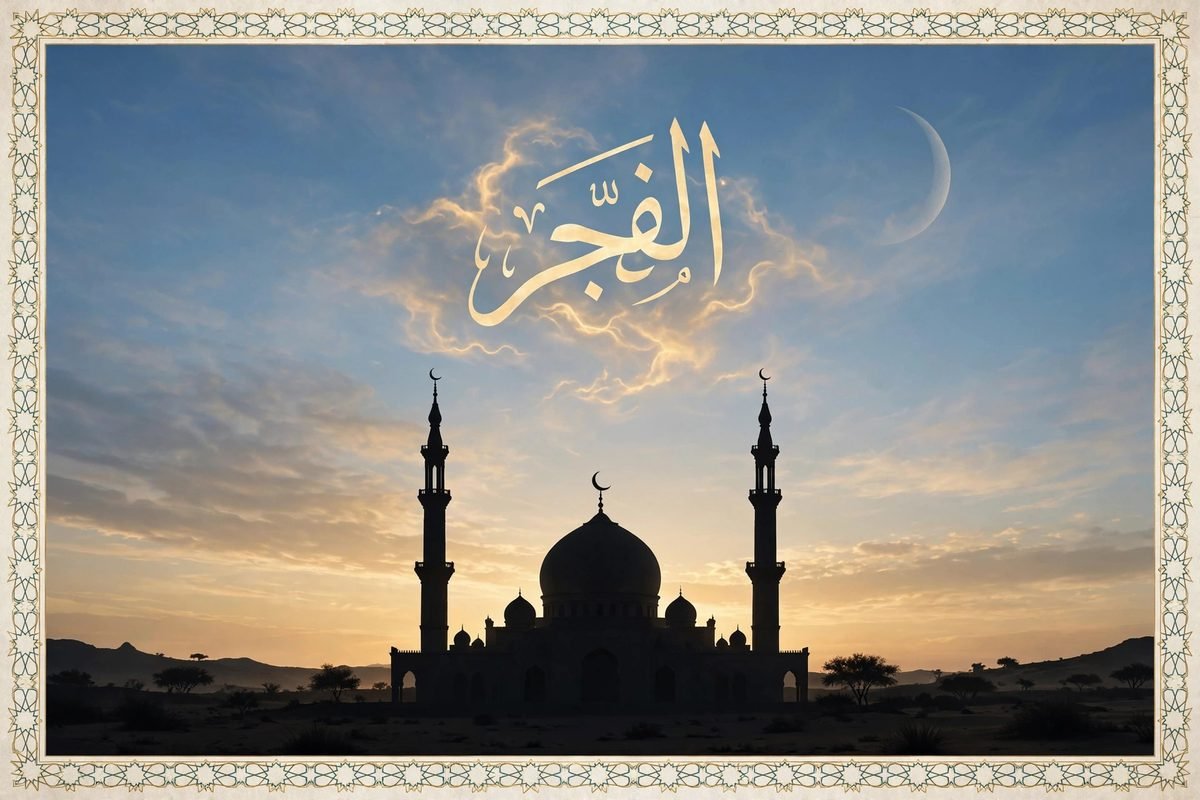
The virtues of Fajr prayer are among the greatest blessings Allah Almighty has placed in the life of a believer. Of the five daily prayers, the dawn prayer holds a special rank: it is performed when the world sleeps, when the soul must rise against its own comfort, and when the angels of the night and the day gather together in a single assembly. The Prophet Muhammad ﷺ described the one who prays Fajr as being “under the protection of Allah” (Sahih Muslim 657), and he gave glad tidings of “complete light on the Day of Resurrection” to those who walk to the mosque in the darkness of dawn (Sunan Abi Dawud 561). In this article, we explore the virtues of Fajr prayer in the light of the Holy Quran and the blessed Sunnah, according to the creed of Ahl al-Sunnah wa al-Jama’ah — and we share practical ways to make this blessed prayer a permanent part of your life.
Table of Contents
- The Command of Fajr Prayer in the Holy Quran
- Virtues of Fajr Prayer in Hadith
- Why Fajr Is Hard — and Why That Is the Point
- How to Wake Up for Fajr Prayer
- The Two Sunnah Rak’ahs Before Fajr
- FAQs
The Command of Fajr Prayer in the Holy Quran
Allah Almighty honoured the dawn prayer with a direct mention in the Holy Quran. In Surah Al-Isra, He commands: “Establish prayer at the decline of the sun until the darkness of the night, and [also] the recitation of the dawn. Indeed, the recitation of the dawn is ever witnessed” (Surah Al-Isra 17:78). The classical commentators of the Quran explain that “the recitation of the dawn” refers to the Fajr prayer, and that its being “witnessed” means it is witnessed by the angels of the night and the angels of the day, who gather together at this blessed time.
So great is the rank of the dawn that Allah Almighty swears by it in the opening of a whole Surah: “By the dawn, and by ten nights” (Surah Al-Fajr 89:1-2). When the Lord of the worlds takes an oath by something, it is a sign of its immense honour and importance in His sight. The dawn is the moment when night surrenders to light — and for the believer, it is the moment when sleep surrenders to worship.
Allah Almighty further commands the believers to guard their prayers with special care: “Guard strictly the [five] prayers, and the middle prayer; and stand before Allah in devotion” (Surah Al-Baqarah 2:238). Many of the great scholars of Islam, including the Companions of the Prophet Muhammad ﷺ (may Allah be pleased with them), understood “the middle prayer” to mean the Fajr prayer, because it stands between the night and the day, or between the prayers of the day and the night. Guarding the Fajr prayer, then, is guarding the very heart of one’s relationship with Allah Almighty. For a step-by-step guide to performing this blessed prayer correctly, see our article on how to pray the Fajr fard prayer.
Virtues of Fajr Prayer in Hadith
The blessed Sunnah of the Prophet Muhammad ﷺ is full of glad tidings for those who rise for Fajr. The following are among the most authentic and well-known narrations on the virtues of Fajr prayer, taken from the most reliable collections of Hadith.
Under the Protection of Allah
The Prophet Muhammad ﷺ said: “Whoever performs the Morning (Fajr) prayer is under the protection of Allah” (Sahih Muslim 657). Imagine beginning your entire day with such a guarantee: you step out of your home wrapped in the divine protection of your Lord. The believer who starts the day with Fajr walks through the hours of the day with a shield of light around him — protected from evil, from harm, and from the whispers of Satan, who flees from the one who begins the day in remembrance of Allah Almighty.
Witnessed by the Angels
The Prophet Muhammad ﷺ said: “Angels take turns among you by night and by day, and they all assemble at the dawn and the afternoon prayers. Those (of the angels) who spend the night among you ascend to Allah, and He asks them, though He knows best, ‘How did you leave My servants?’ They say, ‘We left them while they were praying and we came to them while they were praying'” (Sahih al-Bukhari 555). At Fajr, two shifts of angels meet: the angels of the night, ascending to report, and the angels of the day, descending to take their watch. Both testify before Allah Almighty that they found His servant in prayer. What greater honour could there be than to have the angels bear witness for you before your Lord?
The Reward of Praying the Whole Night
The Prophet Muhammad ﷺ said: “Whoever prays ‘Isha in congregation, it is as if he prayed half the night, and whoever prays ‘Isha and Fajr in congregation, it is as if he prayed the whole night” (Sahih Muslim 656). This is one of the most generous promises in the religion: the reward of the night vigil (qiyam al-layl), which the righteous spend hours to earn, is granted in full to the one who simply attends the congregation of ‘Isha and Fajr. For the virtues and method of the night prayer, see our guide to Isha and Witr prayer.
Glad Tidings of Complete Light
The Prophet Muhammad ﷺ said: “Give glad tidings to those who walk to the mosques in the darkness, of complete light on the Day of Resurrection” (Sunan Abi Dawud 561). The Fajr prayer is prayed when the streets are dark and the houses are quiet. The believer who walks through that darkness, for the sake of Allah Almighty alone, is promised that his walk will be transformed into pure, complete light on the Day of Resurrection — the day when every soul will be in desperate need of light. Every step taken to the mosque in the dark of dawn is a step towards the eternal light of Paradise.
A Path to Paradise
The Prophet Muhammad ﷺ said: “Whoever prays the Bardayn (the two cool prayers) will enter Paradise” (Sahih al-Bukhari 574). The “Bardayn” — the two prayers performed in the coolness of the day — are Fajr and Asr. Fajr is prayed in the coolness before sunrise, and Asr in the coolness before sunset. The one who guards these two prayers faithfully is given the promise of Paradise itself. Learn more about the second of these two blessed prayers in our guide to the Asr fard prayer.
Why Fajr Is Hard — and Why That Is the Point
It is no secret that Fajr is the hardest of the five prayers for the soul. The Prophet Muhammad ﷺ explained the reason: “The most burdensome prayers for the hypocrites are ‘Isha and Fajr; if they knew what is in them, they would come to them even if they had to crawl” (Sahih Muslim 651). The difficulty of Fajr is not an accident — it is a test. When the bed is warm and the eyes are heavy, rising for Fajr is a declaration: my love for Allah Almighty is greater than my love for sleep and comfort.
This is precisely why the reward of Fajr is so great. In the religion of Islam, reward is according to the measure of effort. The prayer that costs the soul the most earns the servant the most. The one who misses Fajr without excuse should reflect deeply on this narration and ask Allah Almighty for the strength to rise — for the inability to rise may be a sign that one’s heart needs treatment, not merely one’s alarm clock.
But let despair never enter the heart. The mercy of Allah Almighty is greater than the sins of His servants. The one who struggles to wake for Fajr but keeps trying, who falls and rises again, is beloved to Allah Almighty — for Allah loves those who strive. Begin today: set your intention tonight, and rise tomorrow.
How to Wake Up for Fajr Prayer
Alongside sincere supplication, the scholars recommend practical means to protect the Fajr prayer. Here are seven proven steps:
- Sleep early and with ablution: The Prophet Muhammad ﷺ loved to sleep after ‘Isha. Go to bed early, and sleep in the state of wudu — it brings the mercy of Allah Almighty upon the sleeper. Learn the correct method of wudu so your worship is built on a sound foundation.
- Make a firm intention before sleeping: Resolve with all your heart that you will rise for Fajr. The one who goes to sleep with this sincere intention is helped by Allah Almighty — and if he sleeps through despite his intention, his reward is recorded as if he had prayed.
- Use multiple alarms: Place one alarm across the room so you must physically get up to silence it. Technology is a blessing when used for the sake of Allah Almighty.
- Avoid heavy food and late screens: A heavy stomach and glowing screens late at night are two of the greatest thieves of the Fajr prayer.
- Recite the last verses of Surah Al-Kahf or the duas of sleep: Going to sleep in remembrance of Allah Almighty fills the heart with the light that wakes the body.
- Keep righteous company: Agree with a friend or family member to wake each other for Fajr. The congregation of the mosque is the strongest protection — pray Fajr in the mosque whenever possible.
- Repent and ask for help: Sins weigh the body down like chains. Make istighfar before sleeping and beg Allah Almighty: “O Allah, wake me for Fajr.”
Above all, remember that waking for Fajr is a gift from Allah Almighty, not merely an achievement of willpower. Ask for it sincerely, take the means, and trust in His mercy.
The Two Sunnah Rak’ahs Before Fajr
The Fajr prayer consists of two Sunnah rak’ahs followed by two fard rak’ahs, and the Sunnah of Fajr carries a reward beyond imagination. The Prophet Muhammad ﷺ said: “The two (Sunnah) rak’ahs of Fajr are better than the world and all that it contains” (Sahih Muslim 725). Every treasure of this world — every palace, every fortune, every pleasure — is less valuable than these two short rak’ahs prayed before the dawn prayer.
The Prophet Muhammad ﷺ guarded these two rak’ahs more strictly than any other voluntary prayer, never abandoning them even when travelling. The believer should likewise make them a non-negotiable part of his morning: pray the two Sunnah rak’ahs at home, then proceed to the mosque for the congregation — or pray them in the mosque if one arrives early. For the complete method, see our detailed guide to the Fajr Sunnah prayer alongside the Fajr fard prayer.
It is reported that in the first rak’ah of the Fajr Sunnah, the Prophet Muhammad ﷺ would recite Surah Al-Kafirun, and in the second, Surah Al-Ikhlas — the two surahs of pure monotheism, a fitting opening for the day of the believer.
Frequently Asked Questions
What are the main virtues of Fajr prayer?
The virtues of Fajr prayer include: being under the protection of Allah for the whole day (Sahih Muslim 657), being witnessed by the gathering angels (Sahih al-Bukhari 555), earning the reward of praying the entire night when combined with ‘Isha in congregation (Sahih Muslim 656), receiving complete light on the Day of Resurrection (Sunan Abi Dawud 561), and the promise of Paradise for guarding Fajr and Asr (Sahih al-Bukhari 574).
What does the Quran say about Fajr prayer?
The Quran commands the establishment of prayer including “the recitation of the dawn,” declaring that it is “ever witnessed” (Surah Al-Isra 17:78). Allah Almighty also swears by the dawn (Surah Al-Fajr 89:1-2) and commands the believers to guard their prayers strictly (Surah Al-Baqarah 2:238).
Is Fajr prayer difficult to offer, and why?
Fajr is the hardest prayer because it requires rising from sleep. The Prophet Muhammad ﷺ said Fajr and ‘Isha are the most burdensome prayers for the hypocrites (Sahih Muslim 651). The difficulty is a test of love for Allah Almighty — and the greater the effort, the greater the reward.
What is the reward of the two Sunnah rak’ahs before Fajr?
The Prophet Muhammad ﷺ said the two Sunnah rak’ahs of Fajr are better than the world and everything in it (Sahih Muslim 725). He never abandoned them, even while travelling.
How can I wake up for Fajr consistently?
Sleep early with wudu, make a firm intention, set multiple alarms, avoid late-night heaviness, recite the bedtime duas, keep company that reminds you of Fajr, pray in the mosque, and sincerely beg Allah Almighty to wake you. Take the means and trust in His mercy.
اردو میں مکمل مضمون
فجر کی نماز کی فضیلت مومن کی زندگی میں اللہ تعالیٰ کی عطا کردہ عظیم نعمتوں میں سے ایک ہے۔ پانچوں نمازوں میں سے فجر کی نماز کو ایک خاص درجہ حاصل ہے: یہ اس وقت ادا کی جاتی ہے جب دنیا سو رہی ہوتی ہے، جب نفس کو اپنی راحت کے خلاف اٹھنا پڑتا ہے، اور جب رات اور دن کے فرشتے ایک ہی مجلس میں جمع ہوتے ہیں۔ نبی اکرم ﷺ نے فرمایا کہ فجر کی نماز پڑھنے والا “اللہ تعالیٰ کی حفاظت میں ہوتا ہے” (صحیح مسلم 657)، اور آپ ﷺ نے ان لوگوں کو “قیامت کے دن مکمل نور” کی بشارت دی جو تاریکی میں مساجد کی طرف چل کر جاتے ہیں (سنن ابی داود 561)۔ اس مضمون میں ہم قرآن مجید اور سنتِ نبوی ﷺ کی روشنی میں، عقیدہ اہل سنت کے مطابق، فجر کی نماز کی فضیلت بیان کریں گے — اور ساتھ ہی وہ عملی طریقے بتائیں گے جن سے یہ بابرکت نماز آپ کی زندگی کا مستقل حصہ بن سکتی ہے۔
فہرستِ مضمون
- قرآن مجید میں فجر کی نماز کا حکم
- احادیثِ مبارکہ میں فجر کی نماز کی فضیلت
- فجر مشکل کیوں ہے — اور یہی اصل بات کیوں ہے
- فجر کے لیے جاگنے کے عملی طریقے
- فجر سے پہلے کی دو سنتیں
- عمومی سوالات
قرآن مجید میں فجر کی نماز کا حکم
اللہ تعالیٰ نے فجر کی نماز کو قرآن مجید میں براہِ راست ذکر فرما کر اسے عزت بخشی ہے۔ سورۃ بنی اسرائیل میں ارشاد ہے: “نماز قائم رکھو سورج ڈھلنے سے لے کر رات کے اندھیرے تک، اور فجر کی قراءت بھی، بے شک فجر کی قراءت حاضرِ مشاہدہ ہوتی ہے” (سورۃ بنی اسرائیل 17:78)۔ قرآن کے مفسرین کرام فرماتے ہیں کہ “فجر کی قراءت” سے مراد فجر کی نماز ہے، اور اس کے “مشاہدہ” ہونے کا مطلب یہ ہے کہ رات کے فرشتے اور دن کے فرشتے اس مبارک وقت میں جمع ہوتے ہیں اور اس نماز کو دیکھتے ہیں۔
فجر کا درجہ اتنا بلند ہے کہ اللہ تعالیٰ نے ایک پوری سورت کے آغاز میں اس کی قسم کھائی ہے: “قسم ہے فجر کی، اور دس راتوں کی” (سورۃ الفجر 89:1-2)۔ جب ربِّ کائنات کسی چیز کی قسم کھاتا ہے تو یہ اس کی عظمت اور اہمیت کی علامت ہوتی ہے۔ فجر وہ لمحہ ہے جب رات روشنی کے سامنے جھک جاتی ہے — اور مومن کے لیے یہ وہ لمحہ ہے جب نیند عبادت کے سامنے جھک جاتی ہے۔
اللہ تعالیٰ نے مومنوں کو نمازوں کی خاص حفاظت کا حکم دیا ہے: “نمازوں کی پابندی کرو، اور درمیانی نماز کی، اور اللہ کے حضور عاجزی سے کھڑے رہو” (سورۃ البقرہ 2:238)۔ اسلام کے بہت سے جلیل القدر علماء اور نبی اکرم ﷺ کے صحابہ کرام رضی اللہ عنہم نے “درمیانی نماز” سے فجر کی نماز مراد لی ہے، کیونکہ یہ رات اور دن کے درمیان واقع ہے۔ لہٰذا فجر کی نماز کی حفاظت دراصل اللہ تعالیٰ سے اپنے تعلق کے مرکز کی حفاظت ہے۔ فجر کی نماز کا صحیح طریقہ سیکھنے کے لیے ہمارا مضمون فجر کے فرائض کا طریقہ ملاحظہ فرمائیں۔
احادیثِ مبارکہ میں فجر کی نماز کی فضیلت
نبی اکرم ﷺ کی مبارک سنت فجر کے لیے اٹھنے والوں کی بشارتوں سے بھری ہوئی ہے۔ ذیل میں فجر کی نماز کی فضیلت پر معروف ترین اور مستند احادیث پیش کی جا رہی ہیں، جو حدیث کی معتبر ترین کتابوں سے ماخوذ ہیں۔
اللہ تعالیٰ کی حفاظت میں
نبی اکرم ﷺ نے فرمایا: “جو شخص صبح (فجر) کی نماز پڑھتا ہے وہ اللہ تعالیٰ کی حفاظت میں ہوتا ہے” (صحیح مسلم 657)۔ تصور کیجیے کہ آپ اپنا پورا دن ایسی ضمانت کے ساتھ شروع کرتے ہیں: آپ اپنے گھر سے اپنے رب کی الٰہی حفاظت میں لپٹے ہوئے نکلتے ہیں۔ جو مومن دن کا آغاز فجر سے کرتا ہے وہ دن کے لمحوں میں نور کی ڈھال کے ساتھ چلتا ہے — برائی سے، نقصان سے، اور شیطان کے وسوسوں سے محفوظ، کیونکہ شیطان اس سے بھاگتا ہے جو دن کا آغاز اللہ تعالیٰ کی یاد سے کرتا ہے۔
فرشتوں کی گواہی
نبی اکرم ﷺ نے فرمایا: “تمہارے پاس رات اور دن کے فرشتے باری باری آتے ہیں، اور وہ سب فجر اور عصر کی نمازوں کے وقت جمع ہوتے ہیں۔ پھر جو فرشتے رات تمہارے پاس رہے وہ اللہ تعالیٰ کی طرف چڑھ جاتے ہیں، اور وہ ان سے پوچھتا ہے — حالانکہ وہ سب کچھ جانتا ہے — ‘تم نے میرے بندوں کو کس حال میں چھوڑا؟’ وہ کہتے ہیں: ‘ہم نے انہیں نماز پڑھتے ہوئے چھوڑا اور ہم ان کے پاس آئے تو وہ نماز پڑھ رہے تھے'” (صحیح بخاری 555)۔ فجر کے وقت فرشتوں کے دو گروہ ملتے ہیں: رات کے فرشتے رپورٹ دینے کے لیے چڑھتے ہیں، اور دن کے فرشتے پہرہ دینے کے لیے اترتے ہیں۔ دونوں اللہ تعالیٰ کے حضور گواہی دیتے ہیں کہ انہوں نے اس کے بندے کو نماز میں پایا۔ اس سے بڑی عزت اور کیا ہو سکتی ہے کہ فرشتے آپ کے رب کے حضور آپ کے حق میں گواہی دیں؟
پوری رات عبادت کا ثواب
نبی اکرم ﷺ نے فرمایا: “جو شخص عشاء کی نماز باجماعت پڑھتا ہے گویا اس نے آدھی رات عبادت کی، اور جو عشاء اور فجر دونوں باجماعت پڑھتا ہے گویا اس نے پوری رات عبادت کی” (صحیح مسلم 656)۔ یہ دینِ اسلام کے سب سے سخی وعدوں میں سے ایک ہے: قیام اللیل کا ثواب، جسے حاصل کرنے کے لیے نیکوکار گھنٹوں جاگتے ہیں، اس شخص کو مکمل طور پر عطا کر دیا جاتا ہے جو صرف عشاء اور فجر کی جماعت میں حاضر ہوتا ہے۔ رات کی نماز کی فضیلت اور طریقے کے لیے ہمارا رہنما مضمون عشاء اور وتر کی نماز ملاحظہ فرمائیں۔
قیامت کے دن مکمل نور کی بشارت
نبی اکرم ﷺ نے فرمایا: “ان لوگوں کو بشارت دو جو تاریکی میں مساجد کی طرف چل کر جاتے ہیں، قیامت کے دن مکمل نور کی” (سنن ابی داود 561)۔ فجر کی نماز اس وقت پڑھی جاتی ہے جب گلیاں تاریک اور گھر خاموش ہوتے ہیں۔ جو مومن اس تاریکی میں صرف اللہ تعالیٰ کی رضا کے لیے چلتا ہے، اسے وعدہ دیا گیا ہے کہ اس کا چلنا قیامت کے دن خالص اور مکمل نور میں بدل دیا جائے گا — وہ دن جب ہر نفس کو نور کی سخت ضرورت ہوگی۔ فجر کی تاریکی میں مسجد کی طرف اٹھنے والا ہر قدم جنت کے ابدی نور کی طرف بڑھتا ہوا قدم ہے۔
جنت کی ضمانت
نبی اکرم ﷺ نے فرمایا: “جو شخص بردین (ٹھنڈک کی دو نمازیں) پڑھتا ہے وہ جنت میں داخل ہوگا” (صحیح بخاری 574)۔ “بردین” سے مراد دن کی ٹھنڈک میں پڑھی جانے والی دو نمازیں ہیں — فجر اور عصر۔ فجر طلوعِ آفتاب سے پہلے کی ٹھنڈک میں پڑھی جاتی ہے، اور عصر غروبِ آفتاب سے پہلے کی ٹھنڈک میں۔ جو شخص ان دو نمازوں کی پابندی کرتا ہے اسے خود جنت کا وعدہ دیا گیا ہے۔ ان دو بابرکت نمازوں میں سے دوسری کے بارے میں مزید جاننے کے لیے ہمارا مضمون عصر کے فرائض کا طریقہ پڑھیں۔
فجر مشکل کیوں ہے — اور یہی اصل بات کیوں ہے
یہ کوئی راز نہیں کہ فجر نفس کے لیے پانچوں نمازوں میں سب سے مشکل ہے۔ نبی اکرم ﷺ نے اس کی وجہ بیان فرمائی: “منافقوں پر سب سے بھاری نمازیں عشاء اور فجر ہیں؛ اگر انہیں معلوم ہوتا کہ ان میں کیا (ثواب) ہے تو وہ گھسٹ کر بھی ان میں حاضر ہوتے” (صحیح مسلم 651)۔ فجر کی مشکل کوئی اتفاق نہیں — یہ ایک آزمائش ہے۔ جب بستر گرم ہو اور آنکھیں بھاری ہوں، فجر کے لیے اٹھنا ایک اعلان ہے: اللہ تعالیٰ سے میری محبت نیند اور آرام سے میری محبت سے بڑی ہے۔
اور یہی وجہ ہے کہ فجر کا ثواب اتنا عظیم ہے۔ دینِ اسلام میں ثواب کوشش کے مطابق ہوتا ہے۔ جو نماز نفس پر سب سے زیادہ بھاری ہوتی ہے وہ بندے کو سب سے زیادہ اجر دلاتی ہے۔ جو شخص بغیر عذر فجر چھوڑ دیتا ہے اسے اس حدیث پر غور کرنا چاہیے اور اللہ تعالیٰ سے اٹھنے کی توفیق مانگنی چاہیے — کیونکہ اٹھنے کی ناتوانی اس بات کی علامت ہو سکتی ہے کہ دل کو علاج کی ضرورت ہے، نہ صرف الارم گھڑی کو۔
لیکن دل میں کبھی مایوسی نہ آنے دیں۔ اللہ تعالیٰ کی رحمت اس کے بندوں کے گناہوں سے بڑی ہے۔ جو شخص فجر کے لیے جاگنے کی کوشش کرتا ہے اور کوشش جاری رکھتا ہے، جو گرتا ہے اور پھر اٹھتا ہے، وہ اللہ تعالیٰ کو محبوب ہے — کیونکہ اللہ تعالیٰ کوشش کرنے والوں سے محبت فرماتا ہے۔ آج سے آغاز کریں: آج رات نیت باندھیں، اور کل صبح اٹھیں۔
فجر کے لیے جاگنے کے عملی طریقے
سچی دعا کے ساتھ ساتھ علماء کرام نے فجر کی نماز کی حفاظت کے لیے عملی اسباب بھی تجویز فرمائے ہیں۔ یہاں سات آزمودہ طریقے پیش ہیں:
- جلدی سوئیں اور باوضو سوئیں: نبی اکرم ﷺ عشاء کے بعد سونے کو پسند فرماتے تھے۔ جلدی سوئیں، اور وضو کی حالت میں سوئیں — یہ سونے والے پر اللہ تعالیٰ کی رحمت نازل کرتا ہے۔ وضو کا صحیح طریقہ سیکھیں تاکہ آپ کی عبادت مضبوط بنیاد پر قائم ہو۔
- سونے سے پہلے پختہ نیت کریں: پورے دل سے عزم کریں کہ آپ فجر کے لیے ضرور اٹھیں گے۔ جو شخص اس سچی نیت کے ساتھ سوتا ہے اللہ تعالیٰ اس کی مدد فرماتا ہے — اور اگر نیت کے باوجود سو جائے تو اس کا ثواب ایسے لکھا جاتا ہے گویا اس نے نماز پڑھی۔
- متعدد الارم لگائیں: ایک الارم کمرے کے دوسرے کونے میں رکھیں تاکہ اسے بند کرنے کے لیے آپ کو جسمانی طور پر اٹھنا پڑے۔ اللہ تعالیٰ کی رضا کے لیے استعمال کی جائے تو ٹیکنالوجی بھی نعمت ہے۔
- بھاری کھانے اور دیر تک اسکرین سے پرہیز کریں: رات کو دیر سے بھاری کھانا اور چمکتی اسکرینیں فجر کی نماز کے دو بڑے چور ہیں۔
- سونے سے پہلے سورۃ الکہف کی آخری آیات یا مسنون دعائیں پڑھیں: اللہ تعالیٰ کی یاد میں سونا دل کو اس نور سے بھر دیتا ہے جو جسم کو جگاتا ہے۔
- نیک صحبت اختیار کریں: کسی دوست یا گھر والے سے طے کریں کہ آپ ایک دوسرے کو فجر کے لیے جگائیں گے۔ مسجد کی جماعت سب سے مضبوط حفاظت ہے — جہاں ممکن ہو فجر مسجد میں پڑھیں۔
- توبہ کریں اور مدد مانگیں: گناہ جسم کو زنجیروں کی طرح بھاری کر دیتے ہیں۔ سونے سے پہلے استغفار کریں اور اللہ تعالیٰ سے التجا کریں: “اے اللہ! مجھے فجر کے لیے جگا دے۔”
سب سے بڑھ کر یاد رکھیں کہ فجر کے لیے جاگنا اللہ تعالیٰ کا عطیہ ہے، محض ارادے کی کامیابی نہیں۔ سچے دل سے مانگیں، اسباب اختیار کریں، اور اس کی رحمت پر بھروسہ رکھیں۔
فجر سے پہلے کی دو سنتیں
فجر کی نماز دو سنت رکعتوں اور پھر دو فرض رکعتوں پر مشتمل ہے، اور فجر کی سنتیں تصور سے بڑھ کر ثواب رکھتی ہیں۔ نبی اکرم ﷺ نے فرمایا: “فجر کی دو (سنت) رکعتیں دنیا اور اس میں جو کچھ ہے اس سے بہتر ہیں” (صحیح مسلم 725)۔ دنیا کا ہر خزانہ — ہر محل، ہر دولت، ہر لذت — ان دو مختصر رکعتوں سے کم قیمتی ہے جو فجر سے پہلے پڑھی جاتی ہیں۔
نبی اکرم ﷺ ان دو رکعتوں کی حفاظت کسی بھی دوسری نفلی نماز سے زیادہ فرماتے تھے، سفر میں بھی انہیں کبھی نہیں چھوڑتے تھے۔ مومن کو بھی انہیں اپنی صبح کا لازمی حصہ بنانا چاہیے: دو سنت رکعتیں گھر میں پڑھیں، پھر جماعت کے لیے مسجد جائیں — یا جلدی پہنچ جائیں تو مسجد میں پڑھ لیں۔ مکمل طریقے کے لیے ہمارا تفصیلی مضمون فجر کی سنتوں کا طریقہ اور ساتھ ہی فجر کے فرائض کا طریقہ ملاحظہ فرمائیں۔
روایت ہے کہ نبی اکرم ﷺ فجر کی سنت کی پہلی رکعت میں سورۃ الکافرون اور دوسری میں سورۃ الاخلاص تلاوت فرماتے تھے — توحیدِ خالص کی دو سورتیں، جو مومن کے دن کے لیے بہترین آغاز ہیں۔
عمومی سوالات
فجر کی نماز کی اہم فضیلتیں کیا ہیں؟
فجر کی نماز کی فضیلتوں میں شامل ہیں: پورے دن اللہ تعالیٰ کی حفاظت میں رہنا (صحیح مسلم 657)، جمع ہونے والے فرشتوں کی گواہی (صحیح بخاری 555)، عشاء کے ساتھ باجماعت پڑھنے پر پوری رات عبادت کا ثواب (صحیح مسلم 656)، قیامت کے دن مکمل نور (سنن ابی داود 561)، اور فجر و عصر کی حفاظت پر جنت کا وعدہ (صحیح بخاری 574)۔
قرآن مجید فجر کی نماز کے بارے میں کیا فرماتا ہے؟
قرآن مجید نماز قائم کرنے کا حکم دیتا ہے جس میں “فجر کی قراءت” بھی شامل ہے، اور فرماتا ہے کہ وہ “حاضرِ مشاہدہ” ہوتی ہے (سورۃ بنی اسرائیل 17:78)۔ اللہ تعالیٰ نے فجر کی قسم بھی کھائی ہے (سورۃ الفجر 89:1-2) اور مومنوں کو نمازوں کی سختی سے حفاظت کا حکم دیا ہے (سورۃ البقرہ 2:238)۔
کیا فجر کی نماز پڑھنا مشکل ہے، اور کیوں؟
فجر سب سے مشکل نماز ہے کیونکہ اس کے لیے نیند سے اٹھنا پڑتا ہے۔ نبی اکرم ﷺ نے فرمایا کہ فجر اور عشاء منافقوں پر سب سے بھاری نمازیں ہیں (صحیح مسلم 651)۔ یہ مشکل اللہ تعالیٰ سے محبت کی آزمائش ہے — اور جتنی بڑی کوشش، اتنا بڑا ثواب۔
فجر سے پہلے کی دو سنت رکعتوں کا کیا ثواب ہے؟
نبی اکرم ﷺ نے فرمایا کہ فجر کی دو سنت رکعتیں دنیا اور اس میں جو کچھ ہے اس سے بہتر ہیں (صحیح مسلم 725)۔ آپ ﷺ سفر میں بھی انہیں کبھی نہیں چھوڑتے تھے۔
میں فجر کے لیے مستقل کیسے جاگ سکتا ہوں؟
باوضو جلدی سوئیں، پختہ نیت کریں، متعدد الارم لگائیں، رات کو دیر سے بھاری پن سے بچیں، سونے کی مسنون دعائیں پڑھیں، فجر کی یاد دلانے والی صحبت رکھیں، مسجد میں نماز پڑھیں، اور سچے دل سے اللہ تعالیٰ سے مانگیں کہ وہ آپ کو جگائے۔ اسباب اختیار کریں اور اس کی رحمت پر بھروسہ رکھیں۔


Leave A Comment