

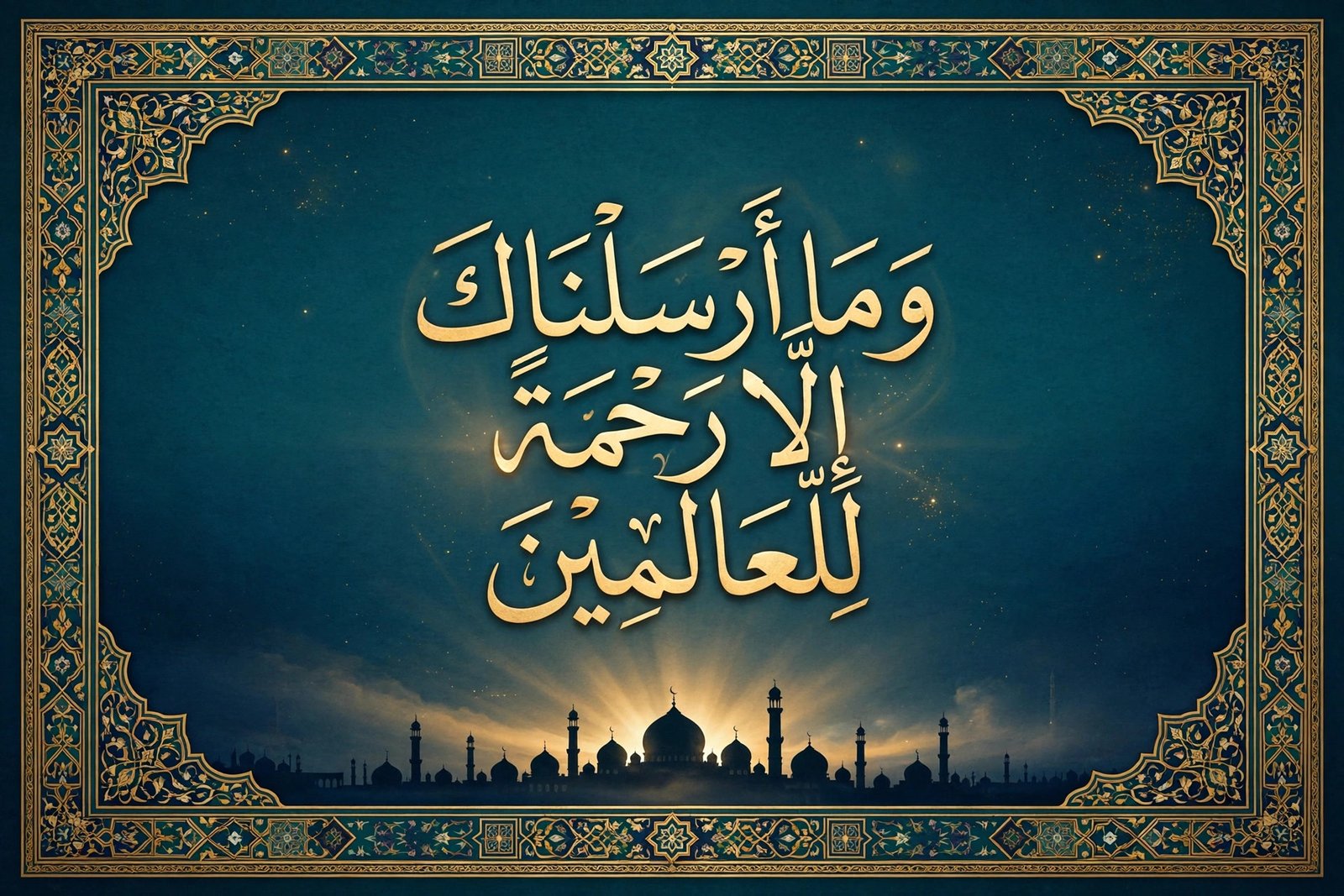
Among all the titles of honor given to the Holy Prophet Muhammad ﷺ — the Final Messenger of Allah — none captures the breadth of his blessed mission like the one Allah Himself gave him in the Holy Quran: Rahmatan lil-Alamin, a mercy to the worlds. Understanding Prophet Muhammad’s mercy to the worlds is not merely a study of history; it is the key to understanding why the believers love him more than their own souls, and why his blessed example remains the living model of compassion for all of humanity until the Day of Judgment.
Allah Almighty declares in the Holy Quran:
“And We sent you not, [O Muhammad], except as a mercy to the worlds.” (Surah Al-Anbiya 21:107)
This article explores the mercy of the Holy Prophet Muhammad ﷺ in the light of the Quran and authentic Hadith — his mercy to his Ummah, to children, to his enemies, to animals, and to all of creation — and shows how we can bring that mercy into our own lives. Celebrating his blessed birth, as the believers do in the 1500 sala jashn-e-wiladat of the Holy Prophet ﷺ, is one way the Ummah honors this great mercy; living by his mercy is another, and a greater one.
Table of Contents
- What “Rahmatan lil-Alamin” Really Means
- Mercy Before Prophethood: Al-Amin of Makkah
- The Quranic Portrait of His ﷺ Mercy
- His ﷺ Mercy to the Ummah: Intercession on the Day of Judgment
- His ﷺ Mercy to Children
- His ﷺ Mercy to His Enemies: Taif and the Conquest of Makkah
- His ﷺ Mercy to Animals
- His ﷺ Mercy in Teaching the Religion
- Living His ﷺ Mercy in Our Lives Today
- Frequently Asked Questions
What “Rahmatan lil-Alamin” Really Means
The word Alamin (worlds) in the verse (Surah Al-Anbiya 21:107) is plural and all-encompassing: it includes human beings and jinn, believers and disbelievers, the living and all of creation. The great commentators of the Quran explain that the Holy Prophet Muhammad ﷺ is a mercy for the believers through guidance, forgiveness and intercession; for the disbelievers through the delay of worldly punishment and the open door of repentance; and for all creatures through the kindness his Shariah commands toward them.
This is why the creed of Aqeedah Ahle Sunnat — the 1400-year path of the Ahl al-Sunnah wal-Jama’ah — holds the love and honor of the Holy Prophet ﷺ as the foundation of faith itself. His mercy was not a softness of nature alone; it was a divine mission. Every act of his blessed life, from the cradle to the final breath, was mercy made visible.
Mercy Before Prophethood: Al-Amin of Makkah
Long before the first revelation, the people of Makkah knew the young Muhammad ﷺ by a single title: Al-Amin — the Trustworthy. Even his fiercest later opponents could not deny his honesty, his fairness, and his care for the weak. When the tribes of Makkah quarreled over who would place the Black Stone during the rebuilding of the Ka’bah, it was the future Prophet ﷺ whose wisdom prevented bloodshed: he placed the stone on a cloth and had the chiefs of every tribe lift it together.
His blessed wife, Hazrat Khadijah al-Kubra رضی اللہ عنہا, described his character before revelation in words preserved in Sahih al-Bukhari: he maintained ties of kinship, bore the burdens of the weak, helped the poor, honored the guest, and stood with the truthful. Mercy was not something prophethood added to him; it was the very clay from which Allah fashioned him.
The Quranic Portrait of His ﷺ Mercy
The Holy Quran paints the mercy of the Prophet Muhammad ﷺ in verses of unforgettable beauty:
Gentleness With the Believers (Surah At-Tawbah 9:128)
“There has certainly come to you a Messenger from among yourselves. Grievous to him is what you suffer; [he is] concerned over you, and to the believers he is kind and merciful.” (Surah At-Tawbah 9:128)
Notice the divine description: the suffering of the Ummah was grievous to him. The pain of his followers weighed on his blessed heart as his own pain.
Leniency as a Divine Gift (Surah Aal-Imran 3:159)
“So by mercy from Allah, [O Muhammad], you were lenient with them. And if you had been rude [in speech] and harsh in heart, they would have disbanded from about you.” (Surah Aal-Imran 3:159)
His gentleness was not a strategy — it was mercy from Allah poured into his character, and it was this mercy that gathered hearts around him.
The Greatness of His Character (Surah Al-Qalam 68:4)
“And indeed, you are of a great moral character.” (Surah Al-Qalam 68:4)
His ﷺ Mercy to the Ummah: Intercession on the Day of Judgment
No chapter of his mercy moves the heart more than his love for his Ummah. The Holy Prophet ﷺ said:
“Every Prophet has a supplication that is answered, and every Prophet hastened to make his supplication in this world. I have reserved my supplication as an intercession for my Ummah on the Day of Resurrection.” (Sahih al-Bukhari 6304)
While every other Prophet spent his one guaranteed answered prayer in this world, the mercy of Muhammad ﷺ saved his for the Hereafter — for sinners like us, on the most terrifying of days. This is the true power of dua in Islam: a single blessed supplication, held back out of love, becoming salvation for millions.
Abdullah ibn Amr رضی اللہ عنہما narrates that the Holy Prophet ﷺ once recited the supplication of Prophet Ibrahim علیہ السلام and Prophet Isa علیہ السلام for their peoples, then raised his blessed hands and wept, saying, “O Allah, my Ummah, my Ummah!” Allah Almighty sent Jibreel علیہ السلام to him with the glad tidings: “We will please you concerning your Ummah and will not displease you.” (Sahih Muslim 202)
Even now, the scholars of Ahle Sunnat teach, his blessed mercy continues: his intercession (shafa’ah) will rescue sinners from the Fire, and no believer who truly loved him will be left without his blessed advocacy.
His ﷺ Mercy to Children
The Holy Prophet Muhammad ﷺ loved children with a tenderness that astonished even his Companions. He would kiss his beloved grandsons, Hazrat Hasan and Hazrat Husayn رضی اللہ عنہما, and carry them on his blessed shoulders. When a Bedouin chief remarked in surprise that he never kissed his own children, the Prophet ﷺ replied with words that became a charter of mercy for all time:
“He who does not show mercy will not be shown mercy.” (Sahih al-Bukhari 6013; Sahih Muslim 2318)
He ﷺ would shorten his prayer when he heard a child crying, out of mercy for the mother. He greeted children in the street, played with them, and let them climb on his blessed back during prostration without disturbing them. To the orphans he was a father; to every child, a shelter. The believers of Ahle Sunnat learn from this that harshness toward the young has no place in the character of a Muslim.
His ﷺ Mercy to His Enemies: Taif and the Conquest of Makkah
The truest test of mercy is mercy toward those who harm you — and here the character of the Holy Prophet Muhammad ﷺ shines beyond all comparison.
The Day of Taif
When the people of Taif rejected his message, mocked him, and set their street children to stone him until his blessed sandals were soaked with blood, the angel of the mountains came to him with a crushing offer: command me, and I will collapse the two mountains upon them. The Prophet ﷺ, bleeding and wounded, answered with mercy instead of vengeance:
“No. Rather I hope that Allah will bring forth from their descendants people who worship Allah alone and associate nothing with Him.” (Sahih al-Bukhari 3231)
And in his blessed supplication at Taif — a prayer the Ummah studies as a model of the etiquette of making dua — he complained of his weakness to Allah but asked mercy for his people, not punishment upon them.
The Conquest of Makkah
Years later he returned to Makkah at the head of ten thousand believers — the same city that had persecuted him, killed his Companions رضی اللہ عنہم, and driven him into exile. The Quraysh waited in terror, expecting revenge. Instead, the Prophet ﷺ asked them, “What do you think I will do with you?” They answered, “Good — you are a noble brother, son of a noble brother.” Then he ﷺ declared the words that echo the forgiveness of Prophet Yusuf علیہ السلام (Surah Yusuf 12:92):
“Go, for you are free — there is no blame upon you today.”
The blessed Seerah records this general amnesty as one of the greatest acts of forgiveness in human history. Not a single revenge killing. Not a single house looted. Mercy, absolute and complete, at the very moment of total power.
His ﷺ Mercy to Animals
The mercy of the Holy Prophet ﷺ extended to every living creature. He ﷺ warned that a woman was punished in the Hereafter because she imprisoned a cat without food or water (Sahih al-Bukhari 3482) — teaching the Ummah that cruelty to animals is a grave sin. He forbade overburdening animals, striking their faces, and slaughtering one animal in front of another.
He ﷺ taught that mercy to animals brings Allah’s forgiveness, and he commanded kindness to every creature with a living soul. The Shariah he brought is the only law in history that made kindness to animals a matter of divine reward and punishment. From the birds in the sky to the beasts of burden, all creation shares in his blessed mercy — for he was sent as a mercy not to humans alone, but to the worlds.
His ﷺ Mercy in Teaching the Religion
The Holy Prophet Muhammad ﷺ made the religion easy, exactly as Allah commanded. His standing instruction to every teacher and preacher of Islam was:
“Make things easy and do not make them difficult; give glad tidings and do not repel people.” (Sahih al-Bukhari 69)
When a Bedouin once urinated in the mosque, the Companions رضی اللہ عنہم rushed to stop him — but the Prophet ﷺ said, “Leave him, and pour a bucket of water over it. You were sent to make things easy, not to make them difficult.” (Sahih al-Bukhari 220) He corrected with gentleness, taught with patience, and never shamed a sinner who came to learn. Even the way he taught the acts of worship — such as the simple, step-by-step method of how to perform wudu — reflected this mercy: clarity without burden, beauty without hardship.
Living His ﷺ Mercy in Our Lives Today
The mercy of the Holy Prophet ﷺ is not only to be admired — it is to be followed. Here is how every believer can carry a share of that mercy into daily life:
1. Show Mercy to Your Family First
Charity begins at home. Speak gently to your parents, play with your children, and forgive the faults of your spouse. The one who is harsh at home but polite outside has not understood the Prophet’s ﷺ mercy.
2. Forgive Those Who Wrong You
Answer harshness with calm, as he ﷺ did at Taif and Makkah. Forgiveness is strength; revenge is weakness. A single act of forgiveness can open a heart that a thousand arguments could not.
3. Be Kind to the Weak and to Animals
Feed the hungry, visit the sick, help the traveler, and never harm an animal. Every act of kindness is recorded as charity.
4. Make Religion Easy for Others
Invite people to Islam and to worship with love, not with harshness. Teach children the Quran with a smile. Never be the reason someone turns away from the mosque.
5. Send Salutations Upon Him ﷺ Abundantly
Reciting durood shareef is the believer’s loving response to the one who wept “my Ummah, my Ummah.” Every salutation increases our connection to his blessed mercy.
Frequently Asked Questions
What does “Rahmatan lil-Alamin” mean?
It is the title Allah gave the Holy Prophet Muhammad ﷺ in Surah Al-Anbiya 21:107: “a mercy to the worlds.” It means his prophethood is a mercy for all creation — believers, disbelievers, humans, jinn, and animals — through guidance, intercession, kindness, and the beautiful Shariah he brought.
How did the Prophet ﷺ show mercy to his enemies?
At Taif, though stoned and bleeding, he refused the angel’s offer to destroy the town and instead prayed for their descendants (Sahih al-Bukhari 3231). At the Conquest of Makkah, with total power over his persecutors, he granted a general amnesty: “Go, for you are free.”
What did the Prophet ﷺ teach about mercy to children?
He ﷺ kissed his grandchildren, shortened prayers for crying babies, greeted and played with children, and said: “He who does not show mercy will not be shown mercy” (Sahih al-Bukhari 6013).
Will the Prophet ﷺ intercede for his Ummah?
Yes. He ﷺ reserved his one guaranteed answered supplication as intercession for his Ummah on the Day of Resurrection (Sahih al-Bukhari 6304), and Allah promised: “We will please you concerning your Ummah and will not displease you” (Sahih Muslim 202).
How can I follow the Prophet’s ﷺ mercy in daily life?
Be gentle with family, forgive those who wrong you, show kindness to the weak and to animals, make religion easy for others, and send abundant salutations (durood) upon him ﷺ.
Conclusion
From the cradle of Makkah to the plains of the Hereafter, the life of the Holy Prophet Muhammad ﷺ is one unbroken river of mercy. He ﷺ was mercy to the believer who follows him, mercy to the sinner who hopes in his intercession, mercy to the child who seeks his lap, mercy to the enemy who receives his pardon, and mercy to the animal that finds shade under his law.
O Allah, fill our hearts with love for Your Beloved ﷺ, grant us his blessed intercession, and make us among those who show mercy — so that mercy may be shown to us. Ameen.
To learn the Quran and the blessed Seerah under qualified teachers, explore the courses at Jamia Saeedia Darul Quran — جامعہ سعیدیہ دارالقرآن — where the light of the Prophet’s ﷺ mercy is taught to every student.
اردو میں مکمل مضمون
اللہ تعالیٰ نے اپنے حبیب، نبی اکرم ﷺ کو وہ عظیم خطاب عطا فرمایا جو آپ ﷺ کی پوری بعثت کا خلاصہ ہے: رحمت للعالمین۔ نبی اکرم ﷺ کی یہ رحمت صرف تاریخ کا ایک باب نہیں، بلکہ ایمان کی بنیاد ہے۔ اس مضمون میں ہم قرآن و حدیث کی روشنی میں آپ ﷺ کی رحمت کا مطالعہ کریں گے — امت پر آپ ﷺ کی شفقت، بچوں سے محبت، دشمنوں سے درگزر، جانوروں پر رحم، اور یہ کہ ہم اپنی زندگی میں اس رحمت کو کیسے اپنا سکتے ہیں۔
“وَمَا أَرْسَلْنَاکَ إِلَّا رَحْمَۃً لِّلْعَالَمِیْنَ” (سورۃ الانبیاء 21:107)
ترجمہ: “اور ہم نے آپ کو تمام جہانوں کے لیے رحمت بنا کر بھیجا ہے۔”
فہرست
- رحمت للعالمین کا حقیقی مفہوم
- بعثت سے پہلے: مکہ کے امین
- قرآن میں آپ ﷺ کی رحمت کی تصویر
- امت پر آپ ﷺ کی رحمت: روزِ قیامت شفاعت
- بچوں سے آپ ﷺ کی شفقت
- دشمنوں سے درگزر: طائف اور فتح مکہ
- جانوروں پر آپ ﷺ کا رحم
- دین کی تعلیم میں آپ ﷺ کی نرمی
- آج کی زندگی میں آپ ﷺ کی رحمت کو کیسے اپنائیں
- اکثر پوچھے جانے والے سوالات
رحمت للعالمین کا حقیقی مفہوم
آیتِ کریمہ میں لفظ عالمین جمع ہے اور سب کو شامل ہے: انسان اور جن، مومن اور کافر، زندہ مخلوق اور تمام کائنات۔ مفسرینِ کرام فرماتے ہیں کہ نبی اکرم ﷺ مومنوں کے لیے ہدایت، مغفرت اور شفاعت کی صورت میں رحمت ہیں؛ کافروں کے لیے دنیوی عذاب میں تاخیر اور توبہ کے کھلے دروازے کی صورت میں رحمت ہیں؛ اور تمام مخلوق کے لیے اس شفقت کی صورت میں رحمت ہیں جس کا حکم آپ ﷺ کی شریعت دیتی ہے۔
عقیدہ اہل سنت — چودہ سو سالہ راہِ اہل سنت والجماعت — کے مطابق نبی اکرم ﷺ کی محبت و تعظیم ایمان کی بنیاد ہے۔ آپ ﷺ کی رحمت محض طبعی نرمی نہ تھی؛ یہ ایک الٰہی مشن تھا۔ آپ ﷺ کی حیاتِ طیبہ کا ہر لمحہ رحمت کا زندہ نمونہ ہے۔
بعثت سے پہلے: مکہ کے امین
پہلی وحی سے بہت پہلے اہلِ مکہ نوجوان محمد ﷺ کو ایک ہی لقب سے جانتے تھے: الامین — امانت دار۔ آپ ﷺ کے سخت ترین مخالفین بھی آپ کی سچائی، انصاف اور کمزوروں کی خبر گیری کا انکار نہ کر سکے۔ جب خانہ کعبہ کی تعمیرِ نو کے موقع پر حجرِ اسود رکھنے پر قبائل میں جھگڑا ہوا تو آپ ﷺ کی حکمت نے خونریزی روک دی: آپ نے حجرِ اسود ایک چادر پر رکھا اور ہر قبیلے کے سردار نے مل کر اسے اٹھایا۔
آپ ﷺ کی زوجہ محترمہ، حضرت خدیجۃ الکبریٰ رضی اللہ عنہا نے وحی سے پہلے آپ کے اخلاق کو ان الفاظ میں بیان فرمایا جو صحیح بخاری میں محفوظ ہیں: آپ صلہ رحمی کرتے، کمزوروں کا بوجھ اٹھاتے، غریبوں کی مدد کرتے، مہمان کی عزت کرتے اور سچوں کا ساتھ دیتے۔ رحمت کوئی ایسی چیز نہ تھی جو نبوت نے آپ میں پیدا کی ہو؛ یہی وہ مٹی تھی جس سے اللہ نے آپ ﷺ کو بنایا تھا۔
قرآن میں آپ ﷺ کی رحمت کی تصویر
قرآنِ مجید آپ ﷺ کی رحمت کو بے مثال خوبصورتی سے بیان کرتا ہے:
مومنوں کے ساتھ نرمی (سورۃ التوبہ 9:128)
“بے شک تمہارے پاس تم میں سے ایک رسول تشریف لائے ہیں۔ تمہاری تکلیف ان پر گراں گزرتی ہے، وہ تمہاری بھلائی کے خواہشمند ہیں، مومنوں پر نہایت شفیق، مہربان ہیں۔” (سورۃ التوبہ 9:128)
غور فرمائیے: امت کی تکلیف آپ ﷺ پر گراں گزرتی تھی۔ آپ کے امتیوں کا درد آپ ﷺ کے قلبِ اطہر پر اپنا درد بن کر اترتا تھا۔
نرمی ایک الٰہی عطا (سورۃ آل عمران 3:159)
“تو اللہ کی رحمت سے آپ ان کے لیے نرم ہو گئے، اور اگر آپ تند خو اور سخت دل ہوتے تو یہ آپ کے گرد سے چھٹ جاتے۔” (سورۃ آل عمران 3:159)
آپ ﷺ کی نرمی کوئی حکمتِ عملی نہ تھی — یہ اللہ کی رحمت تھی جو آپ کے اخلاق میں ڈھل گئی تھی، اور اسی رحمت نے دلوں کو آپ ﷺ کے گرد جمع کیا۔
اخلاق کی عظمت (سورۃ القلم 68:4)
“اور بے شک آپ عظیم اخلاق پر ہیں۔” (سورۃ القلم 68:4)
امت پر آپ ﷺ کی رحمت: روزِ قیامت شفاعت
آپ ﷺ کی رحمت کا کوئی باب دل کو اتنا نہیں چھوتا جتنا امت سے آپ کی محبت۔ نبی اکرم ﷺ نے فرمایا:
“ہر نبی کی ایک دعا قبول ہوتی ہے، اور ہر نبی نے اپنی وہ دعا دنیا میں مانگ لی۔ میں نے اپنی دعا قیامت کے دن اپنی امت کی شفاعت کے لیے بچا رکھی ہے۔” (صحیح بخاری 6304)
جبکہ ہر نبی نے اپنی یقینی قبول ہونے والی دعا اسی دنیا میں مانگ لی، نبی اکرم ﷺ کی رحمت نے اپنی دعا آخرت کے لیے بچا رکھی — ہم جیسے گناہگاروں کے لیے، اس ہولناک دن کے لیے۔
حضرت عبداللہ بن عمرو رضی اللہ عنہما روایت کرتے ہیں کہ نبی اکرم ﷺ نے ایک مرتبہ حضرت ابراہیم علیہ السلام اور حضرت عیسیٰ علیہ السلام کی اپنی امتوں کے لیے دعائیں تلاوت فرمائیں، پھر اپنے دستِ مبارک اٹھائے اور روتے ہوئے فرمایا: “اے اللہ! میری امت، میری امت!” اللہ تعالیٰ نے حضرت جبریل علیہ السلام کو بھیجا اور خوشخبری دی: “ہم آپ کو آپ کی امت کے بارے میں راضی کریں گے اور ناراض نہیں کریں گے۔” (صحیح مسلم 202)
اہل سنت کے علماء فرماتے ہیں کہ آپ ﷺ کی یہ رحمت آج بھی جاری ہے: آپ ﷺ کی شفاعت گناہگاروں کو دوزخ سے نجات دلائے گی، اور آپ ﷺ سے سچی محبت کرنے والا کوئی مومن آپ ﷺ کی شفاعت سے محروم نہ رہے گا۔
بچوں سے آپ ﷺ کی شفقت
نبی اکرم ﷺ بچوں سے ایسی شفقت فرماتے تھے کہ صحابہ کرام رضی اللہ عنہم حیران رہ جاتے۔ آپ ﷺ اپنے پیارے نواسوں، حضرت حسن اور حضرت حسین رضی اللہ عنہما کو چومتے اور اپنے کندھے مبارک پر بٹھاتے۔ جب ایک دیہاتی سردار نے حیرت سے کہا کہ وہ اپنے بچوں کو کبھی نہیں چومتا، تو نبی اکرم ﷺ نے وہ ارشاد فرمایا جو ہمیشہ کے لیے رحمت کا دستور بن گیا:
“جو رحم نہیں کرتا، اس پر رحم نہیں کیا جائے گا۔” (صحیح بخاری 6013؛ صحیح مسلم 2318)
آپ ﷺ بچے کے رونے کی آواز سن کر نماز مختصر فرما دیتے، ماں پر شفقت کی خاطر۔ آپ ﷺ گلی میں بچوں کو سلام کرتے، ان سے کھیلتے، اور سجدے میں ان کے پشتِ مبارک پر چڑھ آنے پر انہیں نہیں ہٹاتے تھے۔ یتیموں کے لیے آپ باپ تھے؛ ہر بچے کے لیے پناہ گاہ۔ اہل سنت اس سے سیکھتے ہیں کہ نوجوانوں کے ساتھ سختی کا مسلمان کے اخلاق میں کوئی مقام نہیں۔
دشمنوں سے درگزر: طائف اور فتح مکہ
رحمت کا اصل امتحان تو وہ ہے جب رحم اس پر کیا جائے جو تکلیف دے — اور یہاں نبی اکرم ﷺ کا اخلاق ہر مثال سے بلند ہے۔
طائف کا دن
جب اہلِ طائف نے آپ کی دعوت ٹھکرائی، آپ کا مذاق اڑایا، اور اپنے اوباشوں کو آپ پر پتھر برسانے لگا دیا یہاں تک کہ آپ ﷺ کی جوتیاں خون سے بھر گئیں، تو پہاڑوں کا فرشتہ حاضر ہوا اور عرض کی: حکم فرمائیے، میں دونوں پہاڑ ان پر گرا دوں۔ زخمی اور لہولہان نبی ﷺ نے انتقام کے بجائے رحمت کا جواب دیا:
“نہیں۔ بلکہ مجھے امید ہے کہ اللہ ان کی نسلوں سے ایسے لوگ پیدا فرمائے گا جو صرف اللہ کی عبادت کریں گے اور اس کے ساتھ کسی کو شریک نہ ٹھہرائیں گے۔” (صحیح بخاری 3231)
فتح مکہ
سالوں بعد آپ ﷺ دس ہزار صحابہ کے ساتھ مکہ واپس تشریف لائے — وہی شہر جس نے آپ کو ستایا، آپ کے صحابہ رضی اللہ عنہم کو شہید کیا، اور آپ کو ہجرت پر مجبور کیا۔ قریش انتقام کے ڈر سے کانپ رہے تھے۔ نبی اکرم ﷺ نے پوچھا: “تمہارا کیا خیال ہے، میں تمہارے ساتھ کیا سلوک کروں گا؟” انہوں نے کہا: “بھلائی کا — آپ کریم بھائی ہیں، کریم باپ کے بیٹے ہیں۔” پھر آپ ﷺ نے وہ الفاظ فرمائے جو حضرت یوسف علیہ السلام کی معافی کی یاد دلاتے ہیں (سورۃ یوسف 12:92):
“جاؤ، تم سب آزاد ہو — آج تم پر کوئی ملامت نہیں۔”
سیرتِ طیبہ اس عام معافی کو انسانی تاریخ کی عظیم ترین معافیوں میں شمار کرتی ہے۔ ایک بھی انتقامی قتل نہیں۔ ایک بھی گھر نہیں لوٹا گیا۔ مکمل طاقت کے لمحے میں مکمل، بے مثال رحمت۔
جانوروں پر آپ ﷺ کا رحم
نبی اکرم ﷺ کی رحمت ہر زندہ مخلوق تک پھیلی ہوئی تھی۔ آپ ﷺ نے خبردار فرمایا کہ ایک عورت کو آخرت میں اس لیے عذاب دیا گیا کہ اس نے ایک بلی کو قید رکھا، نہ کھانا دیا نہ پانی (صحیح بخاری 3482) — امت کو سکھایا کہ جانوروں پر ظلم سنگین گناہ ہے۔ آپ ﷺ نے جانوروں پر ان کی طاقت سے زیادہ بوجھ ڈالنے، ان کے چہروں پر مارنے، اور ایک جانور کے سامنے دوسرے کو ذبح کرنے سے منع فرمایا۔
آپ ﷺ نے سکھایا کہ جانوروں پر رحم اللہ کی مغفرت کا سبب بنتا ہے۔ آپ ﷺ کی لائی ہوئی شریعت تاریخ کا وہ واحد قانون ہے جس نے جانوروں سے حسنِ سلوک کو ثواب و عذاب کا مسئلہ بنایا۔ آسمان کے پرندوں سے لے کر بوجھ اٹھانے والے جانوروں تک، ساری مخلوق آپ ﷺ کی رحمت میں شریک ہے — کیونکہ آپ صرف انسانوں کے لیے نہیں، تمام جہانوں کے لیے رحمت بنا کر بھیجے گئے ہیں۔
دین کی تعلیم میں آپ ﷺ کی نرمی
نبی اکرم ﷺ نے دین کو آسان بنایا، بالکل اسی طرح جیسا اللہ نے حکم دیا۔ اسلام کے ہر معلم اور داعی کے لیے آپ ﷺ کی دائمی ہدایت تھی:
“آسانی پیدا کرو، مشکل نہ بناؤ؛ خوشخبری دو، نفرت نہ پھیلاؤ۔” (صحیح بخاری 69)
ایک مرتبہ ایک دیہاتی نے مسجد میں پیشاب کر دیا۔ صحابہ کرام رضی اللہ عنہم اسے روکنے دوڑے، مگر نبی اکرم ﷺ نے فرمایا: “اسے چھوڑ دو، اور اس جگہ ایک ڈول پانی بہا دو۔ تم آسانی کے لیے بھیجے گئے ہو، مشکل کے لیے نہیں۔” (صحیح بخاری 220) آپ ﷺ نرمی سے اصلاح فرماتے، صبر سے سکھاتے، اور سیکھنے آنے والے گناہگار کو کبھی رسوا نہ کرتے۔
آج کی زندگی میں آپ ﷺ کی رحمت کو کیسے اپنائیں
نبی اکرم ﷺ کی رحمت صرف تعریف کے لیے نہیں — اس کی پیروی کے لیے ہے۔ ہر مومن اپنی روزمرہ زندگی میں اس رحمت کا حصہ یوں پا سکتا ہے:
1۔ پہلے اپنے گھر والوں پر رحم کریں
والدین سے نرمی سے بات کریں، بچوں سے کھیلیں، اور شریکِ حیات کی خطاؤں کو معاف کریں۔ جو گھر میں سخت اور باہر نرم ہو، اس نے نبی ﷺ کی رحمت کو نہیں سمجھا۔
2۔ ظلم کرنے والوں کو معاف کریں
سختی کا جواب سکون سے دیں، جیسا آپ ﷺ نے طائف اور مکہ میں دیا۔ معافی طاقت ہے؛ انتقام کمزوری ہے۔ معافی کا ایک عمل وہ دل کھول سکتا ہے جو ہزار دلیلیں نہ کھول سکیں۔
3۔ کمزوروں اور جانوروں پر مہربان بنیں
بھوکے کو کھانا کھلائیں، بیمار کی عیادت کریں، مسافر کی مدد کریں، اور کبھی کسی جانور کو تکلیف نہ دیں۔ ہر نیکی صدقہ لکھی جاتی ہے۔
4۔ دوسروں کے لیے دین کو آسان بنائیں
لوگوں کو اسلام اور عبادت کی دعوت محبت سے دیں، سختی سے نہیں۔ بچوں کو مسکراہٹ کے ساتھ قرآن سکھائیں۔ کبھی اس کا سبب نہ بنیں کہ کوئی مسجد سے دور ہو جائے۔
5۔ آپ ﷺ پر کثرت سے درود بھیجیں
درود شریف پڑھنا اس ہستی سے محبت کا اظہار ہے جو “میری امت، میری امت” کہہ کر روئی۔ ہر درود آپ ﷺ کی رحمت سے ہمارا تعلق بڑھاتا ہے۔
اکثر پوچھے جانے والے سوالات
رحمت للعالمین کا کیا مطلب ہے؟
یہ وہ خطاب ہے جو اللہ نے نبی اکرم ﷺ کو سورۃ الانبیاء 21:107 میں عطا فرمایا: “تمام جہانوں کے لیے رحمت”۔ اس کا مطلب ہے کہ آپ ﷺ کی نبوت ساری مخلوق کے لیے رحمت ہے — مومن، کافر، انسان، جن اور جانور — ہدایت، شفاعت، شفقت اور اس خوبصورت شریعت کے ذریعے جو آپ لائے۔
نبی اکرم ﷺ نے دشمنوں سے کیسے رحمت کا سلوک کیا؟
طائف میں پتھر کھا کر لہولہان ہونے کے باوجود آپ ﷺ نے پہاڑ گرانے کی پیشکش ٹھکرا دی اور ان کی نسلوں کے لیے دعا فرمائی (صحیح بخاری 3231)۔ فتح مکہ کے موقع پر مکمل قدرت کے باوجود عام معافی کا اعلان فرمایا: “جاؤ، تم سب آزاد ہو۔”
نبی اکرم ﷺ نے بچوں کے بارے میں کیا سکھایا؟
آپ ﷺ اپنے نواسوں کو چومتے، روتے بچے کی خاطر نماز مختصر فرماتے، بچوں کو سلام کرتے اور ان سے کھیلتے، اور فرمایا: “جو رحم نہیں کرتا، اس پر رحم نہیں کیا جائے گا” (صحیح بخاری 6013)۔
کیا نبی اکرم ﷺ اپنی امت کی شفاعت فرمائیں گے؟
جی ہاں۔ آپ ﷺ نے اپنی یقینی قبول ہونے والی دعا قیامت کے دن امت کی شفاعت کے لیے بچا رکھی ہے (صحیح بخاری 6304)، اور اللہ نے وعدہ فرمایا: “ہم آپ کو آپ کی امت کے بارے میں راضی کریں گے” (صحیح مسلم 202)۔
میں روزمرہ زندگی میں نبی ﷺ کی رحمت کی پیروی کیسے کروں؟
گھر والوں سے نرمی کریں، ظلم کرنے والوں کو معاف کریں، کمزوروں اور جانوروں پر مہربان بنیں، دوسروں کے لیے دین کو آسان بنائیں، اور آپ ﷺ پر کثرت سے درود بھیجیں۔
خلاصہ
مکہ کے گہوارے سے لے کر آخرت کے میدان تک، نبی اکرم ﷺ کی حیاتِ طیبہ رحمت کی ایک مسلسل نہر ہے۔ آپ ﷺ اس مومن کے لیے رحمت ہیں جو آپ کی پیروی کرتا ہے، اس گناہگار کے لیے رحمت ہیں جو آپ کی شفاعت کی امید رکھتا ہے، اس بچے کے لیے رحمت ہیں جو آپ کی گود چاہتا ہے، اس دشمن کے لیے رحمت ہیں جو آپ کی معافی پاتا ہے، اور اس جانور کے لیے رحمت ہیں جو آپ کی شریعت کے سائے میں پناہ پاتا ہے۔
اے اللہ! ہمارے دلوں کو اپنے حبیب ﷺ کی محبت سے بھر دے، ہمیں آپ ﷺ کی شفاعت نصیب فرما، اور ہمیں ان لوگوں میں شامل فرما جو رحم کرتے ہیں — تاکہ ہم پر رحم کیا جائے۔ آمین۔
قرآن اور سیرتِ طیبہ مستند اساتذہ سے سیکھنے کے لیے جامعہ سعیدیہ دارالقرآن کے کورسز دیکھیں — جہاں ہر طالب علم کو نبی اکرم ﷺ کی رحمت کی روشنی سکھائی جاتی ہے۔


Leave A Comment