

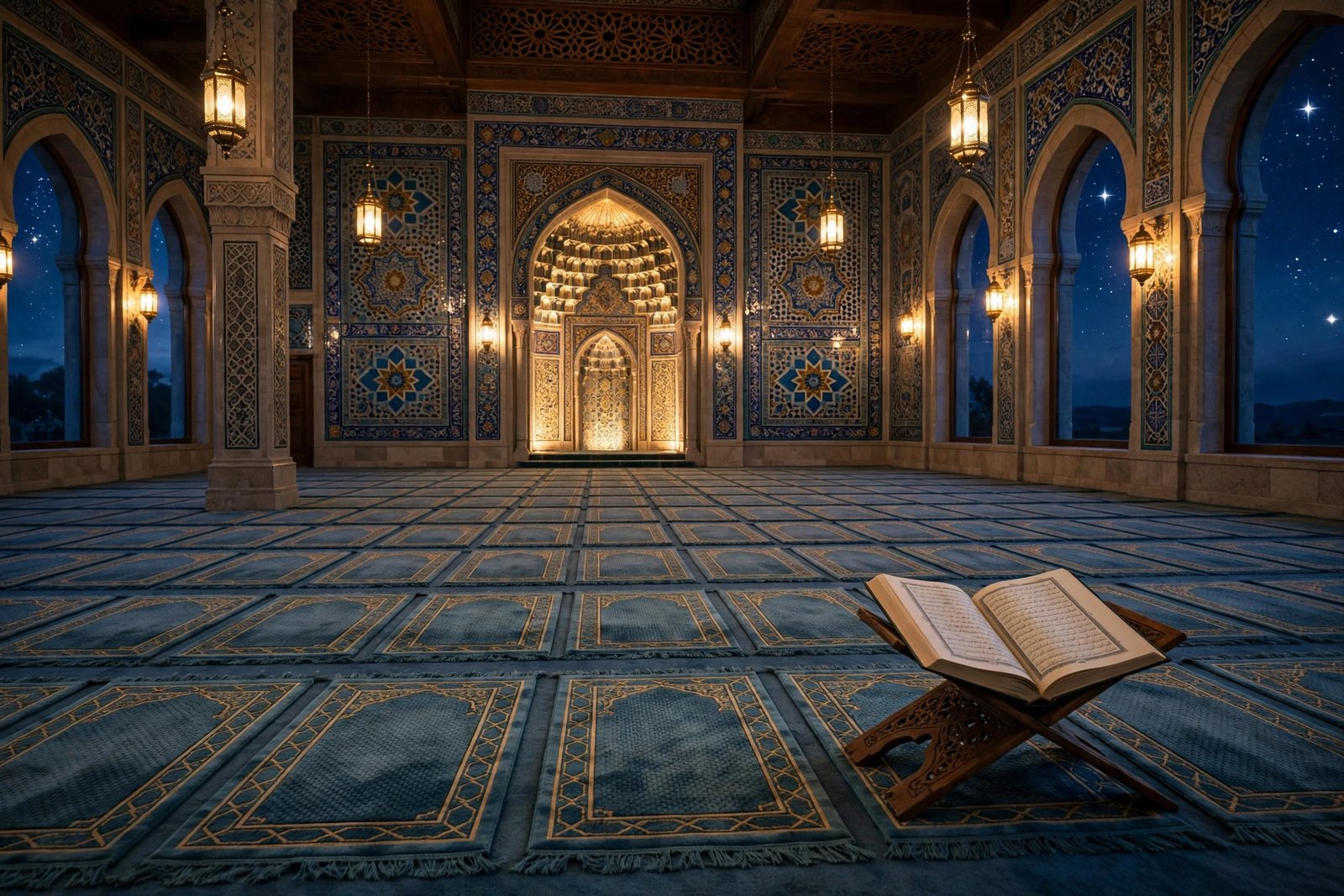
The importance of Tahajjud prayer cannot be overstated. While the whole world sleeps, the believer who rises in the darkness of the night stands before Allah Almighty in a moment of unmatched closeness, sincerity and peace. Tahajjud — the voluntary night prayer, also called Qiyam al-Layl — is one of the greatest treasures of the believer’s life, praised in the Holy Quran and loved dearly by the Holy Prophet Muhammad ﷺ. In this complete guide, we explore what Tahajjud is, its virtues from the Quran and Hadith, how to pray it step by step, and how this blessed prayer can transform your heart, your family and your entire life.
Table of Contents
- What Is Tahajjud Prayer?
- Tahajjud in the Holy Quran
- Tahajjud in the Hadith of the Prophet ﷺ
- Spiritual and Worldly Benefits of Tahajjud
- How to Pray Tahajjud Step by Step
- The Best Time for Tahajjud
- Practical Tips to Wake Up for Tahajjud
- Frequently Asked Questions
What Is Tahajjud Prayer?
Tahajjud is the voluntary (Nafl) prayer offered after the Isha prayer, after having slept for part of the night, and before the time of Fajr. The word “Tahajjud” comes from the Arabic root meaning “to abandon sleep” — the worshipper leaves the comfort of his bed purely for the sake of Allah Almighty. It is also known as Qiyam al-Layl, “standing in the night.”
Unlike the five obligatory prayers, Tahajjud is not compulsory. Yet the scholars of Islam, following the practice of the Holy Prophet Muhammad ﷺ, regard it as the most excellent of all voluntary prayers. It is the prayer of the righteous, the habit of the Awliya Kiram رحمۃ اللہ علیہم, and the secret weapon of every believer who wants a living, personal connection with his Lord.
The Holy Prophet Muhammad ﷺ never abandoned Tahajjud — neither at home nor on journey, neither in ease nor in hardship. His blessed feet would swell from standing so long in the night prayer, yet he would say that he wished to be a grateful servant of Allah. If the beloved of Allah, whose past and future sins were forgiven, stood so long in the night, how much more do we — weak and sinful as we are — need this prayer?
Tahajjud in the Holy Quran
Allah Almighty mentions the night prayer in many verses of the Holy Quran, commanding His beloved Prophet ﷺ and praising the believers who pray at night:
The Command of Tahajjud
Allah Almighty says: “And from [part of] the night, pray with it as additional [worship] for you; it is expected that your Lord will resurrect you to a praised station.” (Surah Al-Isra 17:79) This verse shows that Tahajjud was a special gift and honour for the Holy Prophet Muhammad ﷺ, and by following him, his Ummah shares in its blessings.
The Believers Who Rise at Night
Describing the righteous, Allah Almighty says: “They arise from [their] beds; they supplicate their Lord in fear and aspiration, and from what We have provided them, they spend.” (Surah As-Sajdah 32:16) And again: “They used to sleep but little of the night, and in the hours before dawn they would ask forgiveness.” (Surah Adh-Dhariyat 51:17-18) These verses paint a beautiful picture of the true believer: his bed does not hold him when his heart longs for Allah.
The Night Is Best for the Heart
Allah Almighty further says: “Indeed, the hours of the night are more effective for concurrence [of heart and tongue] and more suitable for words.” (Surah Al-Muzzammil 73:6) In the stillness of the night, free from the noise and distraction of the day, the heart is present, the tongue is truthful, and the words of prayer and Quran reach deep into the soul.
The One Who Stands at Night Is Not Equal to the Heedless
Allah Almighty asks: “Is one who is devoutly obedient during periods of the night, prostrating and standing [in prayer], fearing the Hereafter and hoping for the mercy of his Lord, [like one who does not]?” (Surah Az-Zumar 39:9) The answer is clear: the one who prays Tahajjud holds a rank that the heedless can never reach.
Tahajjud in the Hadith of the Prophet ﷺ
The blessed Hadith literature is filled with encouragement for the night prayer. A few famous narrations are enough to show its rank:
Allah Descends in the Last Third of the Night
The Holy Prophet Muhammad ﷺ said that in the last third of every night, Allah Almighty descends to the lowest heaven and announces: “Who is calling upon Me, so that I may answer him? Who is asking of Me, so that I may give him? Who is seeking My forgiveness, so that I may forgive him?” (Sahih al-Bukhari 1145) What greater invitation could a believer want? The King of all kings Himself calls out to us — while we are asleep, the doors of mercy are wide open.
The Best Prayer After the Obligatory Prayers
The Holy Prophet Muhammad ﷺ said: “The best prayer after the obligatory prayers is the night prayer.” (Sahih Muslim 1163) This single narration settles the rank of Tahajjud: after the five Fard prayers, no prayer is more beloved to Allah than the prayer of the night.
The Prophet’s ﷺ Own Practice
It is narrated that the Holy Prophet Muhammad ﷺ used to stand in prayer at night for so long that his blessed feet would swell. When asked why he exerted himself so much despite his sins being forgiven, he replied: “Should I not be a grateful servant?” (Sahih al-Bukhari 1130) His wife, the Mother of the Believers, Hazrat Aisha Siddiqa رضی اللہ عنہا, narrated that he ﷺ would pray eleven rak’ahs in the night, in Ramadan and outside it. (Sahih al-Bukhari 1147)
Make Witr Your Last Prayer
The Holy Prophet Muhammad ﷺ instructed: “Make your last prayer at night Witr.” (Sahih al-Bukhari 998) The night prayer is therefore completed with the odd-numbered Witr prayer, sealing the night’s worship with light.
Spiritual and Worldly Benefits of Tahajjud
1. Closeness to Allah Almighty
Tahajjud is the most private worship a believer can offer. No one sees it, no one praises it — it is purely between the servant and his Lord. This sincerity purifies the heart from showing off and builds a relationship with Allah that no public deed can match.
2. Forgiveness of Sins
The last part of the night is the time of seeking forgiveness, as the Quran says the righteous “in the hours before dawn would ask forgiveness.” (Surah Adh-Dhariyat 51:18) Tears shed in Tahajjud wash away sins that the day’s distractions never let us face.
3. Answered Duas
When Allah Almighty Himself announces, “Who is asking of Me, so that I may give him?” (Sahih al-Bukhari 1145), the believer’s duas in Tahajjud carry a special hope of acceptance. This is why those who want something from Allah — guidance, rizq, healing, children, relief from difficulty — should present their need in the night prayer. Read also our article on the power of dua in Islam, and find beautiful supplications in our Islamic duas collection.
4. Strength in Difficulty and Patience
Life’s trials become lighter for the one who stands at night. Tahajjud fills the heart with patience, contentment and trust in Allah. Those who practise patience (Sabr) in difficult times often find their strength in the night prayer, and it deepens gratitude (Shukr) in Islam as the heart sees Allah’s favours afresh.
5. Light on the Face and Honour Among People
The scholars say that the one who prays much at night is given light on his face by day. His character improves, his speech softens, and people naturally respect him — because honour in the eyes of people follows honour before Allah.
6. A Peaceful, Disciplined Life
Waking for Tahajjud naturally disciplines sleep, makes Fajr easy, and fills the day with barakah. The believer who begins his day before dawn, with prayer and Quran, carries a calm and focus that others cannot buy. It also pairs beautifully with the virtues of Fajr prayer, since Tahajjud flows directly into the blessed dawn prayer.
How to Pray Tahajjud Step by Step
Praying Tahajjud is simple. There is no complicated method — only sincerity and love for Allah:
Step 1: Sleep After Isha
Perform Isha prayer, then sleep for part of the night. Waking from sleep is part of the meaning of Tahajjud.
Step 2: Wake in the Last Third of the Night
Set an alarm for the last third of the night — for example, an hour or so before Fajr begins. Make wudu with care; if you need a refresher, see our guide on how to perform wudu step by step.
Step 3: Pray Two Rak’ahs at a Time
Begin with two rak’ahs of Nafl prayer. You may pray as many as you wish — two, four, six, eight or more. The practice of the Holy Prophet Muhammad ﷺ was most often eight rak’ahs of Tahajjud followed by three Witr, making eleven in total. (Sahih al-Bukhari 1147)
Step 4: Recite Quran with Reflection
In each rak’ah, recite Surah Al-Fatiha followed by any portion of the Quran you know. Length is not the goal — presence of heart is. Even a few verses recited slowly, with understanding and tears, are better than long recitation without attention.
Step 5: Make Dua and Seek Forgiveness
After the prayer, raise your hands and make dua from the heart — for yourself, your parents, your family, the Ummah, and the whole world. Ask forgiveness abundantly, for this is the hour when Allah Almighty calls out to the seekers of forgiveness. (Sahih al-Bukhari 1145)
Step 6: Complete with Witr
End your night prayer with Witr, as the Holy Prophet Muhammad ﷺ instructed: “Make your last prayer at night Witr.” (Sahih al-Bukhari 998) If you have already prayed Witr after Isha, you need not repeat it; simply pray your Tahajjud rak’ahs.
The Best Time for Tahajjud
Tahajjud may be prayed at any time after Isha and after sleeping, until the time of Fajr begins. However, the most excellent time is the last third of the night — the time when Allah Almighty descends to the lowest heaven and invites His servants to ask. (Sahih al-Bukhari 1145) To calculate it: divide the time between Maghrib and Fajr into three equal parts; the final part is the last third. Even if you can only wake fifteen minutes before Fajr, those fifteen minutes are precious — pray two rak’ahs, make dua, and sleep with a heart full of light.
Practical Tips to Wake Up for Tahajjud
- Sleep early: The one who sleeps soon after Isha finds waking easy; late nights are the greatest enemy of Tahajjud.
- Make a firm intention before sleeping: The sincere intention itself is rewarded, and Allah Almighty helps the one who truly intends to rise.
- Set multiple alarms and keep the phone away from the bed, so you must stand up to silence it.
- Ask a family member to wake you — couples and families who pray Tahajjud together strengthen one another.
- Start small: Begin with just two rak’ahs a few nights a week. Consistency with a little is better than a burst of much that fades away.
- Reduce sins in the day: The scholars advise that sins weigh the body down at night; a clean day makes for a light night.
- Remember the reward: Recall the invitation of Allah in the last third of the night (Sahih al-Bukhari 1145) whenever laziness tempts you to stay in bed.
Frequently Asked Questions
Is Tahajjud prayer obligatory?
No. Tahajjud is a highly recommended voluntary (Nafl) prayer, not obligatory. It was especially emphasised for the Holy Prophet Muhammad ﷺ, and for his Ummah it is the most excellent of all voluntary prayers. (Sahih Muslim 1163)
How many rak’ahs are prayed in Tahajjud?
There is no fixed number. The minimum is two rak’ahs. The Holy Prophet Muhammad ﷺ most often prayed eight rak’ahs of Tahajjud followed by three Witr, making eleven in total. (Sahih al-Bukhari 1147) You may pray more or fewer according to your ability.
Can I pray Tahajjud without sleeping first?
The scholars distinguish between general night prayer (Qiyam al-Layl), which can be prayed any time after Isha, and Tahajjud specifically, which is prayed after sleeping. If you cannot sleep first, praying at night still carries great reward — do not abandon the night prayer merely because you did not sleep.
What should I recite in Tahajjud?
Recite whatever portion of the Holy Quran you know, after Surah Al-Fatiha in each rak’ah. There is no fixed Surah for Tahajjud. Slow, reflective recitation with understanding is better than rushing through long passages.
What if I miss Tahajjud — can I make it up?
If you intended to wake but overslept, your sincere intention is itself rewarded, and you may pray the missed rak’ahs during the day as make-up (Qada) if you wish. The door of Allah’s mercy is never closed; simply resolve to try again the next night.
The importance of Tahajjud prayer is that it turns the quietest hours of the night into the most valuable hours of a believer’s life. It is the prayer of lovers of Allah, the refuge of the broken-hearted, and the secret strength of the righteous. Begin tonight — even with two rak’ahs and one sincere dua — and you will soon taste a sweetness that no worldly pleasure can give. May Allah Almighty grant us all the blessing of standing before Him in the last third of the night. Ameen.
Related Articles
اردو میں مکمل مضمون
تہجد کی نماز کی اہمیت
تہجد کی نماز کی اہمیت سے کوئی انکار نہیں کر سکتا۔ جب ساری دنیا سو رہی ہوتی ہے، اس وقت اللہ تعالیٰ کے سامنے کھڑا ہونے والا مومن ایسی قربت، خلوص اور سکون پاتا ہے جس کی کوئی مثال نہیں۔ تہجد — نفلی رات کی نماز، جسے قیام اللیل بھی کہتے ہیں — مومن کی زندگی کا سب سے بڑا خزانہ ہے، جس کی تعریف قرآن مجید میں آئی ہے اور جسے نبی اکرم صلی اللہ علیہ وآلہ وسلم نے بے حد پسند فرمایا۔ اس مکمل مضمون میں ہم جانیں گے کہ تہجد کیا ہے، قرآن و حدیث میں اس کی کیا فضیلت ہے، اسے ادا کرنے کا صحیح طریقہ کیا ہے، اور یہ مبارک نماز آپ کے دل، آپ کے گھر اور آپ کی پوری زندگی کو کیسے بدل سکتی ہے۔
فہرست
- تہجد کی نماز کیا ہے؟
- قرآن مجید میں تہجد
- احادیث مبارکہ میں تہجد
- تہجد کے روحانی اور دنیاوی فوائد
- تہجد پڑھنے کا مرحلہ وار طریقہ
- تہجد کا بہترین وقت
- تہجد کی پابندی کے عملی طریقے
- اکثر پوچھے جانے والے سوالات
تہجد کی نماز کیا ہے؟
تہجد وہ نفلی نماز ہے جو عشاء کی نماز کے بعد، رات کا کچھ حصہ سو لینے کے بعد، اور فجر سے پہلے ادا کی جاتی ہے۔ لفظ “تہجد” کا مطلب ہے “نیند کو چھوڑ دینا” — نمازی صرف اللہ تعالیٰ کی رضا کے لیے اپنے بستر کی راحت کو چھوڑتا ہے۔ اسے قیام اللیل یعنی “رات کو کھڑے ہونا” بھی کہتے ہیں۔
پانچ فرض نمازوں کے برعکس تہجد فرض نہیں ہے۔ لیکن علمائے اسلام، نبی اکرم صلی اللہ علیہ وآلہ وسلم کے عمل کی پیروی میں، اسے تمام نفلی نمازوں میں سب سے افضل قرار دیتے ہیں۔ یہ نیک لوگوں کی نماز ہے، اولیاء کرام رحمۃ اللہ علیہم کی عادت ہے، اور ہر اس مومن کا خفیہ ہتھیار ہے جو اپنے رب سے زندہ اور ذاتی تعلق چاہتا ہے۔
نبی اکرم صلی اللہ علیہ وآلہ وسلم نے تہجد کبھی نہیں چھوڑی — نہ گھر میں، نہ سفر میں، نہ آسانی میں، نہ مشکل میں۔ آپ صلی اللہ علیہ وآلہ وسلم رات کی نماز میں اتنی دیر کھڑے رہتے کہ آپ کے مبارک قدم سوج جاتے، پھر بھی آپ فرماتے کہ آپ اللہ کے شکر گزار بندے بننا چاہتے ہیں۔ اگر اللہ کے محبوب، جن کے اگلے پچھلے گناہ معاف تھے، رات کو اتنی دیر کھڑے رہتے تھے، تو ہم — جو کمزور اور گناہ گار ہیں — اس نماز کے کتنے زیادہ محتاج ہیں؟
قرآن مجید میں تہجد
اللہ تعالیٰ نے قرآن مجید میں کئی مقامات پر رات کی نماز کا ذکر فرمایا ہے، اپنے محبوب نبی اکرم صلی اللہ علیہ وآلہ وسلم کو اس کا حکم دیا اور رات کو نماز پڑھنے والے مومنوں کی تعریف فرمائی:
تہجد کا حکم
اللہ تعالیٰ فرماتا ہے: “اور رات کے کچھ حصے میں تہجد پڑھا کرو، یہ تمہارے لیے زائد عبادت ہے؛ امید ہے کہ تمہارا رب تمہیں مقام محمود پر فائز فرمائے گا۔” (سورۃ الاسراء 17:79) اس آیت سے معلوم ہوتا ہے کہ تہجد نبی اکرم صلی اللہ علیہ وآلہ وسلم کے لیے خاص تحفہ اور اعزاز تھی، اور آپ کی پیروی میں امت بھی اس کی برکتوں میں شریک ہے۔
رات کو اٹھنے والے مومن
نیک لوگوں کی صفت بیان کرتے ہوئے اللہ تعالیٰ فرماتا ہے: “ان کے پہلو بستروں سے جدا رہتے ہیں؛ وہ اپنے رب کو خوف اور امید کے ساتھ پکارتے ہیں، اور جو کچھ ہم نے انہیں دیا ہے اس میں سے خرچ کرتے ہیں۔” (سورۃ السجدہ 32:16) اور پھر فرمایا: “وہ رات کو کم ہی سوتے تھے، اور سحری کے وقت استغفار کرتے تھے۔” (سورۃ الذاریات 51:17-18) یہ آیات سچے مومن کی خوبصورت تصویر پیش کرتی ہیں: اس کا بستر اسے اس وقت نہیں روک سکتا جب اس کا دل اللہ کی طرف کھنچتا ہے۔
رات دل کی حاضری کے لیے بہترین ہے
اللہ تعالیٰ مزید فرماتا ہے: “بے شک رات کو اٹھنا دل و زبان کی موافقت کے لیے زیادہ مؤثر اور بات کو زیادہ درست کرنے والا ہے۔” (سورۃ المزمل 73:6) رات کی خاموشی میں، دن کے شور اور مصروفیت سے آزاد ہو کر، دل حاضر ہوتا ہے، زبان سچی ہوتی ہے، اور نماز و قرآن کے الفاظ روح کی گہرائیوں تک پہنچتے ہیں۔
رات کو کھڑا ہونے والا غافل کے برابر نہیں
اللہ تعالیٰ پوچھتا ہے: “کیا وہ شخص جو رات کی گھڑیوں میں سجدہ اور قیام کرتے ہوئے عبادت کرتا ہے، آخرت سے ڈرتا ہے اور اپنے رب کی رحمت کی امید رکھتا ہے، (اس جیسا ہو سکتا ہے جو ایسا نہیں کرتا؟)” (سورۃ الزمر 39:9) جواب واضح ہے: تہجد پڑھنے والے کا وہ مرتبہ ہے جس تک غافل کبھی نہیں پہنچ سکتا۔
احادیث مبارکہ میں تہجد
احادیث مبارکہ تہجد کی ترغیب سے بھری ہوئی ہیں۔ چند مشہور روایات ہی اس کا مرتبہ بتانے کے لیے کافی ہیں:
رات کے آخری تہائی حصے میں اللہ کا نزول
نبی اکرم صلی اللہ علیہ وآلہ وسلم نے فرمایا کہ ہر رات کے آخری تہائی حصے میں اللہ تعالیٰ آسمان دنیا پر نزول فرماتا ہے اور اعلان کرتا ہے: “کون ہے جو مجھے پکارے تاکہ میں اس کی دعا قبول کروں؟ کون ہے جو مجھ سے مانگے تاکہ میں اسے عطا کروں؟ کون ہے جو مجھ سے مغفرت طلب کرے تاکہ میں اسے بخش دوں؟” (صحیح البخاری 1145) اس سے بڑی دعوت مومن کے لیے اور کیا ہو سکتی ہے؟ جب ہم سو رہے ہوتے ہیں، رحمت کے دروازے کھلے ہوتے ہیں اور بادشاہوں کا بادشاہ خود ہمیں پکارتا ہے۔
فرض نمازوں کے بعد بہترین نماز
نبی اکرم صلی اللہ علیہ وآلہ وسلم نے فرمایا: “فرض نمازوں کے بعد سب سے بہترین نماز رات کی نماز ہے۔” (صحیح مسلم 1163) یہ ایک روایت ہی تہجد کا مرتبہ طے کرنے کے لیے کافی ہے: پانچ فرض نمازوں کے بعد اللہ کو سب سے زیادہ محبوب نماز رات کی نماز ہے۔
نبی اکرم صلی اللہ علیہ وآلہ وسلم کا اپنا عمل
روایت ہے کہ نبی اکرم صلی اللہ علیہ وآلہ وسلم رات کی نماز میں اتنی دیر کھڑے رہتے کہ آپ کے مبارک قدم سوج جاتے۔ جب پوچھا گیا کہ گناہوں کی مغفرت کے باوجود آپ اتنی مشقت کیوں کرتے ہیں، تو آپ نے فرمایا: “کیا میں اللہ کا شکر گزار بندہ نہ بنوں؟” (صحیح البخاری 1130) ام المؤمنین حضرت عائشہ صدیقہ رضی اللہ عنہا نے روایت کیا کہ آپ صلی اللہ علیہ وآلہ وسلم رات کو گیارہ رکعتیں پڑھتے تھے، رمضان میں بھی اور اس کے علاوہ بھی۔ (صحیح البخاری 1147)
وتر کو رات کی آخری نماز بناؤ
نبی اکرم صلی اللہ علیہ وآلہ وسلم نے حکم دیا: “اپنی رات کی آخری نماز وتر بناؤ۔” (صحیح البخاری 998) اس لیے رات کی عبادت طاق عدد والی وتر نماز کے ساتھ مکمل ہوتی ہے، اور رات کی عبادت نور کے ساتھ ختم ہوتی ہے۔
تہجد کے روحانی اور دنیاوی فوائد
1۔ اللہ تعالیٰ سے قربت
تہجد وہ سب سے خفیہ عبادت ہے جو مومن ادا کر سکتا ہے۔ اسے کوئی نہیں دیکھتا، کوئی اس کی تعریف نہیں کرتا — یہ صرف بندے اور اس کے رب کے درمیان ہوتی ہے۔ یہ خلوص دل کو دکھاوے سے پاک کرتا ہے اور اللہ سے ایسا تعلق بناتا ہے جو کوئی ظاہری عمل نہیں بنا سکتا۔
2۔ گناہوں کی مغفرت
رات کا آخری حصہ استغفار کا وقت ہے، جیسا کہ قرآن کہتا ہے کہ نیک لوگ “سحری کے وقت استغفار کرتے تھے۔” (سورۃ الذاریات 51:18) تہجد میں بہنے والے آنسو ان گناہوں کو دھو دیتے ہیں جن کا دن کی مصروفیت میں کبھی سامنا ہی نہیں ہوتا۔
3۔ دعاؤں کی قبولیت
جب اللہ تعالیٰ خود اعلان فرماتا ہے: “کون ہے جو مجھ سے مانگے تاکہ میں اسے عطا کروں؟” (صحیح البخاری 1145)، تو تہجد میں مانگی گئی دعاؤں کی قبولیت کی خاص امید ہوتی ہے۔ اسی لیے جو شخص اللہ سے کچھ چاہتا ہے — ہدایت، رزق، شفا، اولاد، مشکل سے نجات — اسے اپنی حاجت رات کی نماز میں پیش کرنی چاہیے۔ خوبصورت مسنون دعائیں ہمارے مسنون دعاؤں کے مجموعے میں بھی ملاحظہ کریں، اور دعا کی طاقت کے بارے میں ہمارا مضمون بھی پڑھیں۔
4۔ مشکل میں صبر اور قوت
رات کو کھڑے ہونے والے کے لیے زندگی کی آزمائشیں ہلکی ہو جاتی ہیں۔ تہجد دل کو صبر، قناعت اور اللہ پر بھروسہ عطا کرتی ہے۔ مشکل وقت میں صبر کرنے والے اکثر اپنی قوت رات کی نماز میں پاتے ہیں، اور اس سے دل میں شکر گزاری اور بھی گہری ہو جاتی ہے۔
5۔ چہرے پر نور اور لوگوں میں عزت
علماء فرماتے ہیں کہ جو رات کو زیادہ نماز پڑھتا ہے، اللہ اس کے چہرے کو دن میں نور عطا فرماتا ہے۔ اس کا اخلاق بہتر ہوتا ہے، اس کی گفتگو نرم ہو جاتی ہے، اور لوگ فطری طور پر اس کی عزت کرتے ہیں — کیونکہ لوگوں کی نظر میں عزت اللہ کے سامنے عزت کے بعد ملتی ہے۔
6۔ پرسکون اور منظم زندگی
تہجد کے لیے جاگنا نیند کو منظم کرتا ہے، فجر کو آسان بنا دیتا ہے، اور دن کو برکت سے بھر دیتا ہے۔ جو مومن فجر سے پہلے نماز اور قرآن کے ساتھ اپنا دن شروع کرتا ہے، اسے ایسا سکون اور توجہ ملتی ہے جو کوئی دولت نہیں خرید سکتی۔
تہجد پڑھنے کا مرحلہ وار طریقہ
تہجد پڑھنا بہت آسان ہے۔ اس میں کوئی پیچیدہ طریقہ نہیں — صرف خلوص اور اللہ کی محبت درکار ہے:
مرحلہ 1: عشاء کے بعد سو جائیں
عشاء کی نماز ادا کریں، پھر رات کا کچھ حصہ سو لیں۔ نیند سے بیدار ہونا تہجد کے معنی کا حصہ ہے۔
مرحلہ 2: رات کے آخری تہائی حصے میں جاگیں
رات کے آخری تہائی حصے کے لیے الارم لگائیں — مثلاً فجر سے تقریباً ایک گھنٹہ پہلے۔ اچھی طرح وضو کریں۔
مرحلہ 3: دو دو رکعت کر کے نماز پڑھیں
دو رکعت نفل سے شروع کریں۔ جتنی چاہیں پڑھ سکتے ہیں — دو، چار، چھ، آٹھ یا زیادہ۔ نبی اکرم صلی اللہ علیہ وآلہ وسلم کا معمول اکثر آٹھ رکعت تہجد اور پھر تین وتر، یعنی کل گیارہ رکعتیں تھا۔ (صحیح البخاری 1147)
مرحلہ 4: غور و فکر کے ساتھ قرآن پڑھیں
ہر رکعت میں سورۃ الفاتحہ کے بعد قرآن کا جو حصہ آپ کو یاد ہو پڑھیں۔ لمبائی مقصد نہیں — دل کی حاضری مقصد ہے۔ سمجھ کر اور آہستہ پڑھی گئی چند آیات بھی بغیر توجہ کے لمبی تلاوت سے بہتر ہیں۔
مرحلہ 5: دعا اور استغفار کریں
نماز کے بعد ہاتھ اٹھا کر دل سے دعا کریں — اپنے لیے، اپنے والدین کے لیے، اپنے گھر والوں کے لیے، امت کے لیے اور ساری دنیا کے لیے۔ کثرت سے استغفار کریں، کیونکہ یہی وہ گھڑی ہے جب اللہ تعالیٰ مغفرت طلب کرنے والوں کو پکارتا ہے۔ (صحیح البخاری 1145)
مرحلہ 6: وتر کے ساتھ مکمل کریں
اپنی رات کی نماز کو وتر کے ساتھ ختم کریں، جیسا کہ نبی اکرم صلی اللہ علیہ وآلہ وسلم نے حکم دیا: “اپنی رات کی آخری نماز وتر بناؤ۔” (صحیح البخاری 998) اگر آپ عشاء کے بعد پہلے ہی وتر پڑھ چکے ہیں تو اسے دہرانے کی ضرورت نہیں؛ صرف اپنی تہجد کی رکعتیں پڑھیں۔
تہجد کا بہترین وقت
تہجد عشاء کے بعد اور سو لینے کے بعد، فجر شروع ہونے تک کسی بھی وقت پڑھی جا سکتی ہے۔ لیکن سب سے بہترین وقت رات کا آخری تہائی حصہ ہے — وہ وقت جب اللہ تعالیٰ آسمان دنیا پر نزول فرماتا ہے اور اپنے بندوں کو مانگنے کی دعوت دیتا ہے۔ (صحیح البخاری 1145) اسے حساب کرنے کا طریقہ: مغرب سے فجر تک کے وقت کو تین برابر حصوں میں تقسیم کریں؛ آخری حصہ رات کا آخری تہائی حصہ ہے۔ اگر آپ فجر سے صرف پندرہ منٹ پہلے بھی جاگ سکیں تو وہ پندرہ منٹ قیمتی ہیں — دو رکعت پڑھیں، دعا کریں، اور نور سے بھرے دل کے ساتھ سو جائیں۔
تہجد کی پابندی کے عملی طریقے
- جلدی سوئیں: جو عشاء کے بعد جلد سو جاتا ہے، اس کے لیے جاگنا آسان ہوتا ہے؛ دیر تک جاگنا تہجد کا سب سے بڑا دشمن ہے۔
- سونے سے پہلے پختہ نیت کریں: سچی نیت پر ہی اجر ملتا ہے، اور اللہ تعالیٰ سچی نیت والے کی مدد فرماتا ہے۔
- کئی الارم لگائیں اور فون کو بستر سے دور رکھیں، تاکہ اسے بند کرنے کے لیے اٹھنا پڑے۔
- گھر کے کسی فرد سے جگانے کو کہیں — میاں بیوی اور خاندان جو مل کر تہجد پڑھتے ہیں، ایک دوسرے کو مضبوط کرتے ہیں۔
- چھوٹی شروعات کریں: ہفتے میں چند راتیں صرف دو رکعت سے شروع کریں۔ تھوڑی پر مستقل مزاجی اس کثرت سے بہتر ہے جو جلد ختم ہو جائے۔
- دن میں گناہ کم کریں: علماء فرماتے ہیں کہ گناہ جسم کو رات کو بھاری کر دیتے ہیں؛ صاف دن سے رات ہلکی ہوتی ہے۔
- اجر کو یاد رکھیں: جب سستی بستر میں رہنے کی طرف بلائے، تو رات کے آخری تہائی حصے میں اللہ کی دعوت کو یاد کریں۔ (صحیح البخاری 1145)
اکثر پوچھے جانے والے سوالات
کیا تہجد کی نماز فرض ہے؟
نہیں۔ تہجد ایک بہت زیادہ تاکید والی نفلی نماز ہے، فرض نہیں۔ یہ نبی اکرم صلی اللہ علیہ وآلہ وسلم کے لیے خاص طور پر تاکید والی تھی، اور آپ کی امت کے لیے یہ تمام نفلی نمازوں میں سب سے افضل ہے۔ (صحیح مسلم 1163)
تہجد میں کتنی رکعتیں پڑھی جاتی ہیں؟
کوئی مقررہ تعداد نہیں۔ کم از کم دو رکعتیں ہیں۔ نبی اکرم صلی اللہ علیہ وآلہ وسلم اکثر آٹھ رکعت تہجد اور تین وتر، یعنی کل گیارہ رکعتیں پڑھتے تھے۔ (صحیح البخاری 1147) آپ اپنی طاقت کے مطابق کم یا زیادہ پڑھ سکتے ہیں۔
کیا بغیر سوئے تہجد پڑھی جا سکتی ہے؟
علماء قیام اللیل اور تہجد میں فرق کرتے ہیں: قیام اللیل عشاء کے بعد کسی بھی وقت پڑھا جا سکتا ہے، جبکہ تہجد خاص طور پر سو لینے کے بعد پڑھی جاتی ہے۔ اگر آپ سو نہیں سکے تو بھی رات کی نماز کا بڑا اجر ہے — صرف اس وجہ سے رات کی نماز نہ چھوڑیں کہ آپ سو نہیں سکے۔
تہجد میں کیا پڑھنا چاہیے؟
ہر رکعت میں سورۃ الفاتحہ کے بعد قرآن کا جو حصہ آپ کو یاد ہو پڑھیں۔ تہجد کے لیے کوئی مقررہ سورۃ نہیں ہے۔ سمجھ کر آہستہ پڑھنا جلدی میں لمبی تلاوت سے بہتر ہے۔
اگر تہجد چھوٹ جائے تو کیا قضا کر سکتے ہیں؟
اگر آپ نے جاگنے کی نیت کی تھی لیکن آنکھ نہ کھلی تو آپ کی سچی نیت پر ہی اجر ہے، اور اگر چاہیں تو دن میں چھوٹی ہوئی رکعتوں کی قضا بھی کر سکتے ہیں۔ اللہ کی رحمت کا دروازہ کبھی بند نہیں ہوتا؛ بس اگلی رات پھر کوشش کا عزم کریں۔
تہجد کی نماز کی اہمیت یہ ہے کہ یہ رات کے سب سے خاموش لمحوں کو مومن کی زندگی کے سب سے قیمتی لمحوں میں بدل دیتی ہے۔ یہ اللہ سے محبت کرنے والوں کی نماز ہے، ٹوٹے دلوں کی پناہ گاہ ہے، اور نیک لوگوں کی خفیہ قوت ہے۔ آج ہی رات سے شروع کریں — صرف دو رکعت اور ایک سچی دعا کے ساتھ — اور جلد ہی آپ وہ مٹھاس چکھیں گے جو کوئی دنیاوی لذت نہیں دے سکتی۔ اللہ تعالیٰ ہم سب کو رات کے آخری تہائی حصے میں اپنے سامنے کھڑے ہونے کی توفیق عطا فرمائے۔ آمین۔


Leave A Comment