

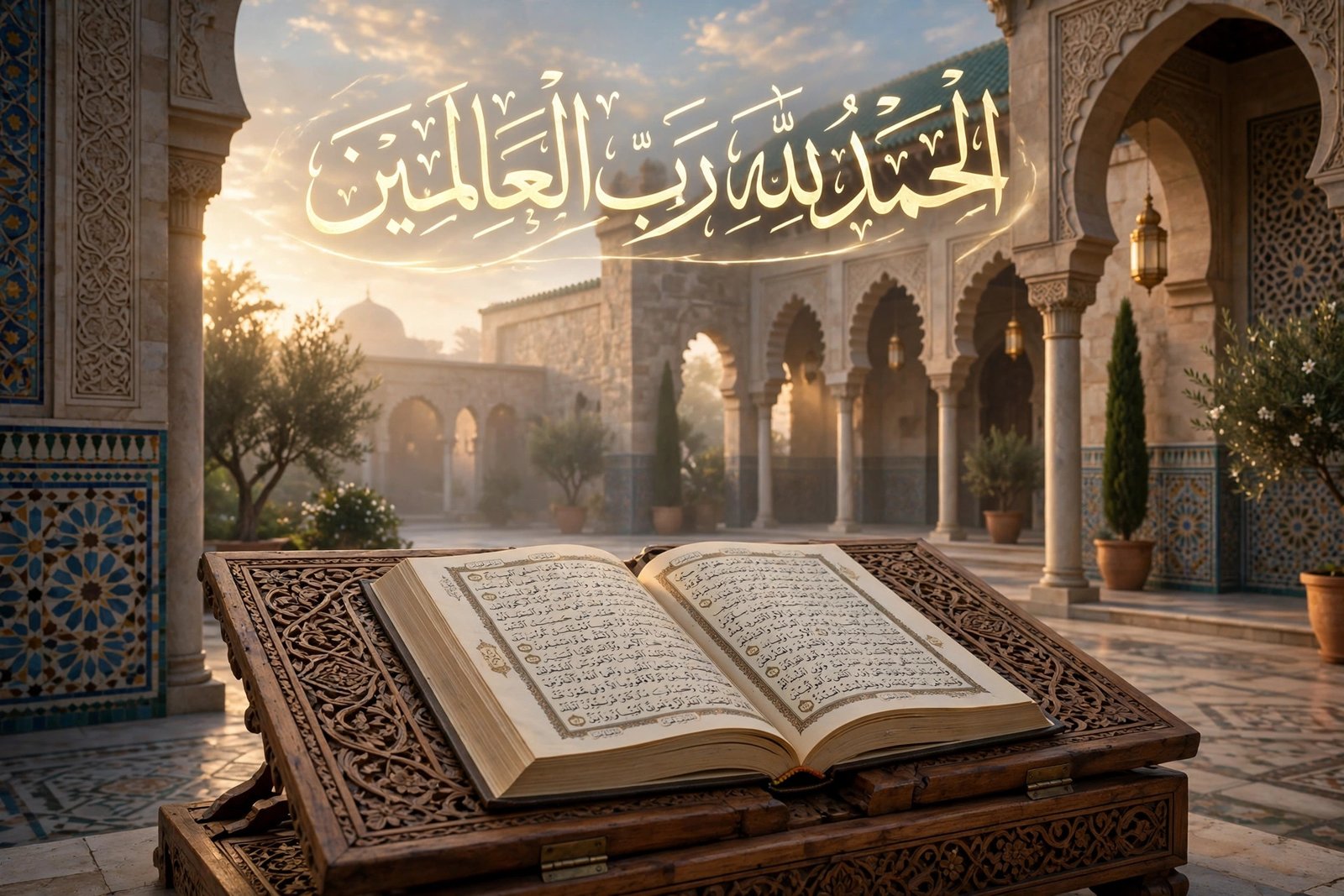
Surah Al-Fatiha is the opening chapter of the Holy Quran, yet it is far more than an introduction. In only seven short verses, it gathers the whole message of Islam — the praise of Allah, His mercy, His sovereignty, our worship, our need for guidance, and our prayer to stay on the straight path. The virtues of Surah Al-Fatiha are so great that the Beloved Prophet Muhammad ﷺ called it the greatest Surah in the Quran, and no prayer is complete without it. In this complete guide, we explore the meaning, the authentic virtues, and the daily practice of Surah Al-Fatiha in the light of the Quran and Hadith, according to the creed of Aqeedah Ahle Sunnat.
Table of Contents
- What Is Surah Al-Fatiha?
- The Text and Meaning of Surah Al-Fatiha
- The Greatest Surah in the Quran
- The Seven Oft-Repeated Verses
- No Prayer Without Surah Al-Fatiha
- A Conversation Between Allah and His Slave
- A Cure and a Ruqya
- Nothing Like It in Any Scripture
- Surah Al-Fatiha in Daily Life
- Frequently Asked Questions
What Is Surah Al-Fatiha?
Surah Al-Fatiha is the first chapter of the Holy Quran. It was revealed in Makkah and consists of seven verses. Its name means “The Opening” — because the Quran opens with it, every prayer opens with it, and the Book of Allah itself is opened through it. It is also known by many beautiful names: Umm al-Kitab (the Mother of the Book), Umm al-Quran (the Mother of the Quran), As-Sab’ al-Mathani (the Seven Oft-Repeated Verses), Ash-Shifa (the Cure), and Ar-Ruqya (the Healing Recitation).
Every Muslim recites Surah Al-Fatiha at least seventeen times a day in the obligatory prayers — and many more times in the Sunnah and Nafl prayers. A child learns it before any other Surah, and an old person who has forgotten much of the Quran still remembers it. It is the first Surah a new Muslim memorises, and the last Surah a dying believer hopes to have on the tongue. No other chapter of any scripture is recited so often, by so many people, in every corner of the world. That alone shows its unique rank — and the virtues of reciting the Quran begin with this blessed opening chapter.
At Jamia Saeedia Darul Quran, the teaching of the Quran begins with Surah Al-Fatiha, because it is recited in every rak’ah of every prayer and carries the core of our Aqeedah. Our Quran courses guide students of all ages through Nazra, Hifz and Tajweed, so that these blessed words — the first words a Muslim learns — are recited correctly, beautifully, and with understanding.
The Text and Meaning of Surah Al-Fatiha
The Surah reads:
بِسْمِ اللَّهِ الرَّحْمَٰنِ الرَّحِيمِ الْحَمْدُ لِلَّهِ رَبِّ الْعَالَمِينَ الرَّحْمَٰنِ الرَّحِيمِ مَالِكِ يَوْمِ الدِّينِ إِيَّاكَ نَعْبُدُ وَإِيَّاكَ نَسْتَعِينُ اهْدِنَا الصِّرَاطَ الْمُسْتَقِيمَ صِرَاطَ الَّذِينَ أَنْعَمْتَ عَلَيْهِمْ غَيْرِ الْمَغْضُوبِ عَلَيْهِمْ وَلَا الضَّالِّينَ
“In the name of Allah, the Most Gracious, the Most Merciful. All praise is due to Allah, the Lord of all the worlds. The Most Gracious, the Most Merciful. Master of the Day of Judgement. You alone we worship, and You alone we ask for help. Guide us to the straight path — the path of those upon whom You have bestowed Your favour, not of those who earned Your anger, nor of those who went astray.” (Surah Al-Fatiha 1:1-7)
Look at how the Surah is built. The first three verses are about Allah — His praise, His Lordship over all the worlds, His mercy, and His mastery of the Day of Judgement. Then comes the turning point: “You alone we worship, and You alone we ask for help.” In a single verse, the whole relationship between the servant and the Lord is summed up — worship belongs to Allah alone, and help is sought from Allah alone. This is the heart of Tawhid, the pure Oneness of Allah that is the foundation of the faith of Ahle Sunnat. Finally, the last three verses are a prayer — the greatest prayer a believer can make: guide us to the straight path, the path of the Prophets, the Siddiqin, the martyrs and the righteous, and keep us away from the paths of those who earned Allah’s anger and those who went astray.
The scholars of Islam say that Surah Al-Fatiha is a summary of the entire Quran. The Quran teaches three great themes: the knowledge of Allah, the stories of the Prophets and the nations, and the rulings of the Shariah. Surah Al-Fatiha contains the first of these themes completely, and it points to the others through its prayer for guidance. That is why it is called Umm al-Kitab — the Mother of the Book — because the whole Quran grows out of it, just as a child grows from its mother. The virtues of Surah Yasin, the heart of the Quran, and the virtues of Surah Al-Ikhlas, which equals one-third of the Quran, all flow from the same spring: the Quran is a book of guidance, and its opening is a prayer for that guidance.
The Greatest Surah in the Quran
The Beloved Prophet Muhammad ﷺ himself declared Surah Al-Fatiha to be the greatest Surah in the Quran. Sayyiduna Abu Sa’id ibn al-Mu’alla رضی اللہ عنہ narrated that while he was praying in the mosque, the Messenger of Allah ﷺ called him, but he did not respond until he had finished his prayer. When he came to the Prophet ﷺ, he said: “O Messenger of Allah, I was praying.” The Prophet ﷺ said: “Did Allah not say: ‘Respond to Allah and to the Messenger when he calls you’?” (Surah Al-Anfal 8:24) Then he said:
“I will teach you a Surah which is the greatest Surah in the Quran before you leave the mosque.” Then he took him by the hand, and when he was about to leave, Abu Sa’id reminded him. The Prophet ﷺ said: “Al-Hamdu lillahi Rabbil ‘Alamin — it is As-Sab’ al-Mathani (the seven oft-repeated verses) and the Great Quran which has been given to me.” (Sahih al-Bukhari 4474)
Think about the honour in this. The Quran has 114 Surahs, including long chapters like Surah Al-Baqarah with 286 verses. Yet the Prophet ﷺ said that this short Surah of seven verses is the greatest of them all. Its greatness is not in its length but in its meaning: it contains the praise of Allah, the declaration of His mercy, the confession of His sovereignty, the pledge of worship, and the prayer for guidance — everything a believer needs, in seven verses. The scholars explain that it is the greatest Surah because it gathers the purposes of the whole Quran in the briefest and most perfect words.
This hadith also teaches us the adab of the Sahaba Kiram رضی اللہ عنہم. Abu Sa’id did not leave his prayer even when the Prophet ﷺ called him, because he was engaged in the worship of Allah — and the Prophet ﷺ corrected him gently, teaching him that the call of the Messenger of Allah ﷺ must be answered at once. The love and obedience of the Sahaba for the Prophet ﷺ is the model for every believer: when the Prophet ﷺ calls, we answer. The trustworthiness and truthfulness of the Prophet ﷺ are the reason his words carry such weight — and his declaration about Surah Al-Fatiha is the foundation of its rank in our hearts.
The Seven Oft-Repeated Verses
Allah Himself gave Surah Al-Fatiha its honoured title in the Quran. He says:
“And We have certainly given you seven of the often repeated verses and the great Quran.” (Surah Al-Hijr 15:87)
The scholars of Tafsir agree that the “seven oft-repeated verses” in this ayah are the seven verses of Surah Al-Fatiha. They are called “oft-repeated” because they are repeated in every rak’ah of every prayer, day and night, by every Muslim on earth. No other passage of the Quran is repeated so often. A believer who prays five times a day recites these seven verses at least seventeen times in the obligatory prayers alone — and with the Sunnah and Nafl prayers, the number rises to more than thirty times a day. Over a lifetime, that is hundreds of thousands of recitations of the same seven verses, and each recitation is a fresh prayer for guidance, a fresh declaration of worship, and a fresh conversation with Allah.
There is a deep wisdom in this repetition. The prayer for guidance — “Guide us to the straight path” — is not a request we make once and forget. Every day brings new choices, new temptations, and new dangers. The believer needs guidance in the morning and in the evening, in prosperity and in hardship, in youth and in old age. That is why Allah made this prayer the most repeated words in the life of a Muslim. The virtues of dhikr teach us the same lesson: the remembrance of Allah is most beloved when it is constant, and Surah Al-Fatiha is the most constant remembrance of all, woven into every prayer of the day.
No Prayer Without Surah Al-Fatiha
Surah Al-Fatiha is not only the greatest Surah — it is also a pillar of the prayer itself. The Beloved Prophet Muhammad ﷺ said:
“There is no prayer for the one who does not recite the Opening of the Book (Surah Al-Fatiha).” (Sahih al-Bukhari 756, Sahih Muslim 394)
This hadith makes Surah Al-Fatiha the one Surah that no prayer can be without. A person may forget every other Surah, but if he knows Al-Fatiha, his prayer stands. If he does not recite it, his prayer is incomplete. That is why the scholars of Ahle Sunnat say that the recitation of Surah Al-Fatiha is obligatory (wajib) in every rak’ah for the one who prays alone or behind the Imam, according to the Hanafi school, and a pillar (rukn) of the prayer according to the majority of scholars. The difference of opinion is in the detail — but all agree on the central point: the prayer is built on Surah Al-Fatiha, and the prayer without it is not the prayer the Prophet ﷺ taught us.
This is also why the first duty of a new Muslim is to learn Surah Al-Fatiha. Before he learns any other Surah, before he learns the duas of the prayer, he must learn these seven verses — because without them, he cannot pray. Parents should teach it to their children as early as possible, and every teacher of the Quran begins with it. Our article on the Islamic upbringing of children explains how these small, blessed habits — learning Al-Fatiha early, reciting it in prayer, hearing it at home — plant the love of the Quran in a child’s heart for life. And for adults who are still learning, our step-by-step guide to wudu and our guide to the virtues of Fajr prayer show how the prayer begins with purification and ends with the recitation of this blessed Surah.
A Conversation Between Allah and His Slave
Among the most beautiful virtues of Surah Al-Fatiha is that it is a living conversation between Allah and His servant. In a Hadith Qudsi — a narration in which the Prophet ﷺ reports the words of Allah Himself — we learn what happens in the heavens every time a believer recites this Surah in prayer. Sayyiduna Abu Hurayrah رضی اللہ عنہ narrated that the Messenger of Allah ﷺ said that Allah, the Exalted, says:
“I have divided the prayer (Surah Al-Fatiha) between Myself and My slave into two halves, and My slave shall have what he asks for. When the slave says: ‘All praise is due to Allah, the Lord of all the worlds,’ Allah says: ‘My slave has praised Me.’ When he says: ‘The Most Gracious, the Most Merciful,’ Allah says: ‘My slave has extolled Me.’ When he says: ‘Master of the Day of Judgement,’ Allah says: ‘My slave has glorified Me.’ When he says: ‘You alone we worship, and You alone we ask for help,’ Allah says: ‘This is between Me and My slave, and My slave shall have what he asks for.’ When he says: ‘Guide us to the straight path — the path of those upon whom You have bestowed Your favour, not of those who earned Your anger, nor of those who went astray,’ Allah says: ‘This is for My slave, and My slave shall have what he asks for.'” (Sahih Muslim 395)
Pause and reflect on this. Every time you recite Surah Al-Fatiha in prayer, Allah Himself answers you — verse by verse, word by word. When you praise Him, He says: “My slave has praised Me.” When you ask for guidance, He says: “My slave shall have what he asks for.” The prayer is not a monologue; it is a dialogue with the Lord of the worlds. The believer who understands this will never rush through Surah Al-Fatiha. He will recite it slowly, pausing after each verse, knowing that Allah is answering him.
The scholars of Ahle Sunnat draw a great lesson from this hadith: the prayer is the meeting of the servant with his Lord. That is why the Prophet ﷺ called the prayer the Mi’raj of the believer — the ascension of the believer to Allah. The importance of Tahajjud prayer is that in the stillness of the night, this conversation becomes even more intimate: the believer stands alone before Allah, recites Surah Al-Fatiha, and hears — in his heart — the answer of his Lord. Make your recitation slow and present, and your prayer will change from a habit into a meeting.
A Cure and a Ruqya
Surah Al-Fatiha is also a healing and a protection. It is called Ash-Shifa (the Cure) and Ar-Ruqya (the Healing Recitation) because the Prophet ﷺ himself used it as a cure, and taught his Companions رضی اللہ عنہم to do the same. Sayyiduna Abu Sa’id Al-Khudri رضی اللہ عنہ narrated that a group of the Companions were travelling when they came to a tribe whose chief had been stung by a scorpion. The people of the tribe asked if any of them knew a cure. One of the Companions recited Surah Al-Fatiha over the chief, blowing upon him — and the chief stood up, completely cured, as if he had never been stung. When they returned and told the Prophet ﷺ, he smiled and said:
“How did you know that it (Surah Al-Fatiha) is a Ruqya?” (Sahih al-Bukhari 5007, Sahih Muslim 2201)
This hadith shows that Surah Al-Fatiha is a cure by the permission of Allah — a cure for the illnesses of the body and a cure for the illnesses of the heart. The scholars explain that it is called a cure because it contains the praise of Allah, the declaration of His mercy, and the prayer for guidance — and whoever turns to Allah with these words finds healing. The people of the tribe had offered the Companions a flock of sheep as a reward, and the Prophet ﷺ approved of accepting it, saying: “Take it, and give me a share with you.” This teaches us that reciting the Quran for healing is a Sunnah, and that the words of Allah carry a blessing that no medicine can match.
For the believer, this is a practical lesson for daily life. When a child is unwell, when fear troubles the heart, when anxiety keeps a person awake at night — recite Surah Al-Fatiha with sincerity, blow gently, and place your trust in Allah. It is the first medicine of the believer, before any other remedy. The power of dua in Islam and the virtues of Durood Sharif carry the same message: the words of Allah and the words of prayer are the greatest protection a believer has, and they cost nothing but sincerity.
Nothing Like It in Any Scripture
The rank of Surah Al-Fatiha is so high that nothing like it was ever revealed in any earlier scripture. Sayyiduna Ubayy ibn Ka’b رضی اللہ عنہ narrated that the Messenger of Allah ﷺ said to him:
“Would you like me to teach you a Surah the like of which was not revealed in the Torah, nor in the Gospel, nor in the Psalms, nor in the Furqan (the Quran itself)?” He said: “Yes, O Messenger of Allah.” The Prophet ﷺ said: “It is: ‘All praise is due to Allah, the Lord of all the worlds’ — it is the seven oft-repeated verses.” (Jami` at-Tirmidhi 2875, classed sahih)
This is a remarkable statement. The Torah was revealed to Sayyiduna Musa علیہ السلام, the Gospel to Sayyiduna Isa علیہ السلام, and the Psalms to Sayyiduna Dawud علیہ السلام — yet in none of those great scriptures was anything revealed like Surah Al-Fatiha. Allah kept this treasure for the Ummah of the Beloved Prophet Muhammad ﷺ alone. It is a gift given only to us, and it is a sign of the special honour Allah has given to this Ummah. The scholars say that this is one of the reasons Surah Al-Fatiha is called the greatest Surah: it contains a light that was not given to any nation before us.
When a believer recites Surah Al-Fatiha, he should remember this honour. These seven verses are a trust given to us alone, a treasure no earlier nation received. They are the opening of the final Book, revealed to the final Prophet ﷺ, for the final Ummah. To recite them carelessly is to neglect a gift of Allah. To recite them with love and understanding is to honour the trust. The virtues of Surah Al-Kahf on Friday and the virtues of Ayatul Kursi remind us of the same truth: the Quran is full of treasures, and the greatest of them all is the Surah we recite in every prayer.
Surah Al-Fatiha in Daily Life
The virtues of Surah Al-Fatiha are not meant to stay in books — they are meant to be lived every day. Here is a simple routine that any Muslim can follow, built entirely on the Sunnah of the Beloved Prophet Muhammad ﷺ:
- In every prayer, recite it slowly: Pause after each verse, remembering that Allah is answering you. The Prophet ﷺ used to recite Surah Al-Fatiha verse by verse, pausing between each one. Do not rush through the greatest Surah in the Quran.
- Teach it to your children first: Before any other Surah, teach your children Al-Fatiha — with its meaning, so that they know Whom they are praising and what they are asking for. Our Quran courses for children begin with these seven verses.
- Recite it for healing: When someone in the family is unwell, recite Surah Al-Fatiha over them with sincerity and trust in Allah, as the Companions رضی اللہ عنہم did. It is the Ruqya the Prophet ﷺ himself approved.
- Begin every good deed with it: The pious elders would begin their gatherings, their lessons and their journeys with Surah Al-Fatiha, seeking Allah’s blessing and guidance. Make it the opening of your day, as it is the opening of the Quran.
- Use it as a dua: When you are worried, when you need guidance, when you do not know which way to turn — recite Surah Al-Fatiha and ask Allah for the straight path. The daily duas page collects the Masnoon duas for every occasion, and Surah Al-Fatiha is the greatest dua of all.
- Recite it before sleeping: End your day as you began it — with the praise of Allah and the prayer for guidance. The etiquette of making dua teaches us to begin with the praise of Allah, and Surah Al-Fatiha is the perfect opening for every dua.
Consistency is more beloved to Allah than occasional excess. The Prophet ﷺ said that the most beloved deeds to Allah are those done regularly, even if they are small. (Sahih al-Bukhari 6464) Surah Al-Fatiha is already a part of every prayer — the task is not to add it to your life, but to bring your heart into it. Recite it as if you are speaking to Allah, because you are. The virtues of Surah Al-Mulk and the patience in difficult times show the same pattern: the Quran rewards those who return to it daily, with understanding and with love.
Frequently Asked Questions
Why is Surah Al-Fatiha called the greatest Surah in the Quran?
Because the Prophet ﷺ himself called it so. He said: “I will teach you a Surah which is the greatest Surah in the Quran” — and then taught Surah Al-Fatiha (Sahih al-Bukhari 4474). It is the greatest because it gathers the whole message of the Quran — the praise of Allah, His mercy, His sovereignty, our worship, and our prayer for guidance — in only seven verses. It is also the only Surah that is a pillar of every prayer.
Is prayer valid without Surah Al-Fatiha?
No. The Prophet ﷺ said: “There is no prayer for the one who does not recite the Opening of the Book (Surah Al-Fatiha).” (Sahih al-Bukhari 756, Sahih Muslim 394) Every rak’ah of every prayer must contain Surah Al-Fatiha. This is why it is the first Surah every Muslim must learn, and the first Surah taught to every child.
What does “the seven oft-repeated verses” mean?
Allah says in the Quran: “And We have certainly given you seven of the often repeated verses and the great Quran.” (Surah Al-Hijr 15:87) The scholars agree that these are the seven verses of Surah Al-Fatiha. They are called “oft-repeated” because they are recited in every rak’ah of every prayer, more than any other passage in the Quran — at least seventeen times a day in the obligatory prayers alone.
Can Surah Al-Fatiha be recited for healing?
Yes. It is called Ash-Shifa (the Cure) and Ar-Ruqya (the Healing Recitation). The Companions رضی اللہ عنہم recited it over a man stung by a scorpion, and he was cured by the permission of Allah. When they told the Prophet ﷺ, he said: “How did you know that it is a Ruqya?” (Sahih al-Bukhari 5007, Sahih Muslim 2201) Recite it with sincerity and trust in Allah for healing of the body and the heart.
Was anything like Surah Al-Fatiha revealed before?
No. The Prophet ﷺ said that nothing like it was revealed in the Torah, nor in the Gospel, nor in the Psalms, nor in the rest of the Quran itself (Jami` at-Tirmidhi 2875). It is a gift given only to the Ummah of the Prophet Muhammad ﷺ — a treasure no earlier nation received, and a sign of the special honour Allah has given to this Ummah.
Related Articles
اردو میں مکمل مضمون
سورۃ الفاتحہ کی فضیلت: مکمل رہنمائی
سورۃ الفاتحہ قرآن مجید کی پہلی سورت ہے، لیکن یہ صرف ایک تمہید نہیں ہے۔ صرف سات مختصر آیات میں اس نے اسلام کا پورا پیغام سمیٹ لیا ہے — اللہ تعالیٰ کی حمد، اس کی رحمت، اس کی بادشاہت، ہماری عبادت، ہماری ہدایت کی ضرورت، اور صراطِ مستقیم پر قائم رہنے کی دعا۔ سورۃ الفاتحہ کی فضیلت اتنی عظیم ہے کہ نبی اکرم صلی اللہ علیہ وآلہ وسلم نے اسے قرآن مجید کی سب سے عظیم سورت قرار دیا، اور اس کے بغیر کوئی نماز مکمل نہیں ہوتی۔ اس مضمون میں ہم قرآن و حدیث کی روشنی میں، عقیدہ اہل سنت کے مطابق، سورۃ الفاتحہ کا مفہوم، اس کی مستند فضائل اور اس کی روزمرہ عملی زندگی کا جائزہ لیں گے۔
فہرست
- سورۃ الفاتحہ کیا ہے؟
- سورۃ الفاتحہ کا متن اور ترجمہ
- قرآن مجید کی سب سے عظیم سورت
- سبع مثانی — سات بار بار پڑھی جانے والی آیات
- سورۃ الفاتحہ کے بغیر کوئی نماز نہیں
- اللہ اور اس کے بندے کے درمیان مکالمہ
- شفا اور رقیہ
- پہلی کتابوں میں اس جیسی کوئی سورت نہیں
- روزمرہ زندگی میں سورۃ الفاتحہ
- عام سوالات
سورۃ الفاتحہ کیا ہے؟
سورۃ الفاتحہ قرآن مجید کی پہلی سورت ہے۔ یہ مکہ مکرمہ میں نازل ہوئی اور سات آیات پر مشتمل ہے۔ اس کا نام “الفاتحہ” یعنی “کھولنے والی” ہے — کیونکہ قرآن مجید اسی سے کھلتا ہے، ہر نماز اسی سے کھلتی ہے، اور اللہ کی کتاب کا آغاز اسی سے ہوتا ہے۔ اس کے کئی خوبصورت نام ہیں: اُمّ الکتاب (کتاب کی ماں)، اُمّ القرآن (قرآن کی ماں)، السبع المثانی (سات بار بار پڑھی جانے والی آیات)، الشفا (شفا)، اور الرقیہ (دم کی سورت)۔
ہر مسلمان روزانہ فرض نمازوں میں کم از کم سترہ مرتبہ سورۃ الفاتحہ پڑھتا ہے — اور سنت و نفل نمازوں کے ساتھ یہ تعداد تیس سے بھی بڑھ جاتی ہے۔ بچہ سب سے پہلے یہی سورت سیکھتا ہے، اور بوڑھا شخص جو قرآن کا بہت کچھ بھول چکا ہو، اسے پھر بھی یاد رہتا ہے۔ یہ پہلی سورت ہے جو نیا مسلمان حفظ کرتا ہے، اور آخری سورت ہے جسے مرنے والا مومن اپنی زبان پر چاہتا ہے۔ دنیا کی کسی اور کتاب کا کوئی حصہ اتنی کثرت سے، اتنے لوگوں کی طرف سے، دنیا کے ہر کونے میں نہیں پڑھا جاتا۔ یہی اس کے منفرد مرتبے کی دلیل ہے — اور تلاوتِ قرآن کی فضیلت کا آغاز اسی مبارک سورت سے ہوتا ہے۔
جامعہ سعیدیہ دارالقرآن میں قرآن کی تعلیم کا آغاز سورۃ الفاتحہ سے ہوتا ہے، کیونکہ یہ ہر رکعت میں پڑھی جاتی ہے اور ہمارے عقیدے کی بنیاد اسی میں ہے۔ ہمارے قرآن کورسز ہر عمر کے طلبہ کو ناظرہ، حفظ اور تجوید کی رہنمائی کرتے ہیں، تاکہ یہ مبارک الفاظ — جو مسلمان سب سے پہلے سیکھتا ہے — صحیح، خوبصورت اور سمجھ کے ساتھ پڑھے جائیں۔
سورۃ الفاتحہ کا متن اور ترجمہ
سورۃ الفاتحہ یوں ہے:
بِسْمِ اللَّهِ الرَّحْمَٰنِ الرَّحِيمِ الْحَمْدُ لِلَّهِ رَبِّ الْعَالَمِينَ الرَّحْمَٰنِ الرَّحِيمِ مَالِكِ يَوْمِ الدِّينِ إِيَّاكَ نَعْبُدُ وَإِيَّاكَ نَسْتَعِينُ اهْدِنَا الصِّرَاطَ الْمُسْتَقِيمَ صِرَاطَ الَّذِينَ أَنْعَمْتَ عَلَيْهِمْ غَيْرِ الْمَغْضُوبِ عَلَيْهِمْ وَلَا الضَّالِّينَ
“اللہ کے نام سے جو بڑا مہربان نہایت رحم والا ہے۔ سب تعریفیں اللہ ہی کے لیے ہیں جو تمام جہانوں کا رب ہے۔ بڑا مہربان نہایت رحم والا۔ روزِ جزا کا مالک۔ ہم تیری ہی عبادت کرتے ہیں اور تجھ ہی سے مدد مانگتے ہیں۔ ہمیں سیدھا راستہ دکھا — ان لوگوں کا راستہ جن پر تو نے انعام فرمایا، نہ ان کا جن پر غضب ہوا اور نہ گمراہوں کا۔” (سورۃ الفاتحہ 1:1-7)
غور کیجیے کہ سورت کیسے بنی ہے۔ پہلی تین آیات اللہ تعالیٰ کے بارے میں ہیں — اس کی حمد، تمام جہانوں پر اس کی ربوبیت، اس کی رحمت، اور روزِ جزا پر اس کی بادشاہت۔ پھر موڑ آتا ہے: “ہم تیری ہی عبادت کرتے ہیں اور تجھ ہی سے مدد مانگتے ہیں۔” ایک ہی آیت میں بندے اور رب کا پورا تعلق سمیٹ دیا گیا — عبادت صرف اللہ کے لیے ہے، اور مدد صرف اللہ سے مانگی جاتی ہے۔ یہ توحید کا دل ہے، اللہ کی خالص یکتائی جو اہل سنت کے عقیدے کی بنیاد ہے۔ آخر میں آخری تین آیات ایک دعا ہیں — سب سے عظیم دعا جو مومن مانگ سکتا ہے: ہمیں سیدھا راستہ دکھا، انبیاء، صدیقین، شہداء اور صالحین کا راستہ، اور ہمیں ان لوگوں کے راستوں سے بچا جن پر تیرا غضب ہوا اور جو گمراہ ہوئے۔
علماء فرماتے ہیں کہ سورۃ الفاتحہ پورے قرآن کا خلاصہ ہے۔ قرآن تین عظیم موضوعات سکھاتا ہے: اللہ کی معرفت، انبیاء اور قوموں کے قصے، اور شریعت کے احکام۔ سورۃ الفاتحہ میں پہلا موضوع مکمل طور پر موجود ہے، اور ہدایت کی دعا کے ذریعے باقی موضوعات کی طرف اشارہ ہے۔ اسی لیے اسے اُمّ الکتاب کہا گیا — کتاب کی ماں — کیونکہ پورا قرآن اسی سے پھوٹتا ہے، جیسے بچہ اپنی ماں سے جنم لیتا ہے۔ سورۃ یٰسین کی فضیلت اور سورۃ الاخلاص کی فضیلت اسی چشمے سے بہتی ہیں: قرآن ہدایت کی کتاب ہے، اور اس کا آغاز ہدایت کی دعا سے ہوتا ہے۔
قرآن مجید کی سب سے عظیم سورت
نبی اکرم صلی اللہ علیہ وآلہ وسلم نے خود سورۃ الفاتحہ کو قرآن کی سب سے عظیم سورت قرار دیا۔ حضرت ابو سعید بن معلیٰ رضی اللہ عنہ سے روایت ہے کہ وہ مسجد میں نماز پڑھ رہے تھے کہ رسول اللہ صلی اللہ علیہ وآلہ وسلم نے انہیں آواز دی، لیکن انہوں نے نماز مکمل ہونے تک جواب نہ دیا۔ جب وہ نبی اکرم صلی اللہ علیہ وآلہ وسلم کے پاس آئے تو عرض کیا: “یا رسول اللہ! میں نماز پڑھ رہا تھا۔” آپ صلی اللہ علیہ وآلہ وسلم نے فرمایا: “کیا اللہ نے نہیں فرمایا: ‘اللہ اور رسول کی بات مانو جب وہ تمہیں بلائیں’؟” (سورۃ الانفال 8:24) پھر آپ نے فرمایا:
“میں مسجد سے نکلنے سے پہلے تمہیں ایک ایسی سورت سکھاؤں گا جو قرآن کی سب سے عظیم سورت ہے۔” پھر آپ نے ان کا ہاتھ تھام لیا، اور جب نکلنے لگے تو ابو سعید نے یاد دلایا۔ آپ صلی اللہ علیہ وآلہ وسلم نے فرمایا: “الحمد للہ رب العالمین — یہی سبع مثانی ہے اور قرآن عظیم ہے جو مجھے دیا گیا ہے۔” (صحیح البخاری 4474)
اس عزت پر غور کیجیے۔ قرآن کی 114 سورتیں ہیں، جن میں سورۃ البقرہ جیسی طویل سورت بھی ہے جس کی 286 آیات ہیں۔ پھر بھی نبی اکرم صلی اللہ علیہ وآلہ وسلم نے فرمایا کہ سات آیات والی یہ مختصر سورت ان سب سے عظیم ہے۔ اس کی عظمت اس کی لمبائی میں نہیں، اس کے معنی میں ہے: اس میں اللہ کی حمد، اس کی رحمت کا اقرار، اس کی بادشاہت کا اعلان، عبادت کا عہد، اور ہدایت کی دعا ہے — وہ سب کچھ جو مومن کو چاہیے، سات آیات میں۔ علماء فرماتے ہیں کہ یہ سب سے عظیم سورت اس لیے ہے کہ اس نے پورے قرآن کے مقاصد کو مختصر ترین اور کامل ترین الفاظ میں سمیٹ لیا ہے۔
اس حدیث سے صحابہ کرام رضی اللہ عنہم کا ادب بھی سیکھنے کو ملتا ہے۔ حضرت ابو سعید نے نماز میں ہوتے ہوئے بھی نبی اکرم صلی اللہ علیہ وآلہ وسلم کی آواز پر فوراً جواب نہ دیا، کیونکہ وہ اللہ کی عبادت میں مشغول تھے — اور نبی اکرم صلی اللہ علیہ وآلہ وسلم نے نرمی سے اصلاح فرمائی کہ رسول اللہ صلی اللہ علیہ وآلہ وسلم کی آواز پر فوراً جواب دینا چاہیے۔ صحابہ کی نبی اکرم صلی اللہ علیہ وآلہ وسلم سے محبت و اطاعت ہر مومن کے لیے نمونہ ہے: جب نبی اکرم صلی اللہ علیہ وآلہ وسلم بلائیں تو ہم جواب دیں۔ نبی اکرم صلی اللہ علیہ وآلہ وسلم کی امانت و صداقت ہی اس کی وجہ ہے کہ آپ کے الفاظ کا اتنا وزن ہے — اور سورۃ الفاتحہ کے بارے میں آپ کا یہ اعلان ہمارے دلوں میں اس کے مرتبے کی بنیاد ہے۔
سبع مثانی — سات بار بار پڑھی جانے والی آیات
اللہ تعالیٰ نے خود قرآن میں سورۃ الفاتحہ کو یہ باعزت لقب دیا۔ ارشاد ہے:
“اور بے شک ہم نے تمہیں سات بار بار پڑھی جانے والی آیات اور قرآن عظیم عطا فرمایا۔” (سورۃ الحجر 15:87)
مفسرین کا اتفاق ہے کہ اس آیت میں “سات بار بار پڑھی جانے والی آیات” سے مراد سورۃ الفاتحہ کی سات آیات ہیں۔ انہیں “بار بار پڑھی جانے والی” اس لیے کہا گیا کہ یہ ہر نماز کی ہر رکعت میں پڑھی جاتی ہیں، دن رات، دنیا کے ہر مسلمان کی طرف سے۔ قرآن کا کوئی اور حصہ اتنی کثرت سے نہیں پڑھا جاتا۔ جو مومن دن میں پانچ نمازیں پڑھتا ہے وہ فرض نمازوں میں ہی کم از کم سترہ مرتبہ یہ سات آیات پڑھتا ہے — اور سنت و نفل کے ساتھ یہ تعداد تیس سے بھی بڑھ جاتی ہے۔ پوری زندگی میں یہ لاکھوں مرتبہ پڑھنے کے برابر ہے، اور ہر مرتبہ ہدایت کی تازہ دعا، عبادت کا تازہ اقرار، اور اللہ سے تازہ مکالمہ ہے۔
اس تکرار میں گہری حکمت ہے۔ ہدایت کی دعا — “ہمیں سیدھا راستہ دکھا” — ایسی دعا نہیں جو ایک بار مانگ کر بھلا دی جائے۔ ہر دن نئے فیصلے، نئے فتنے اور نئے خطرات لاتا ہے۔ مومن کو صبح بھی ہدایت چاہیے اور شام بھی، خوشحالی میں بھی اور مشکل میں بھی، جوانی میں بھی اور بڑھاپے میں بھی۔ اسی لیے اللہ نے اس دعا کو مسلمان کی زندگی کے سب سے زیادہ دہرائے جانے والے الفاظ بنا دیا۔ ذکرِ الٰہی کی فضیلت ہمیں یہی سبق دیتی ہے: اللہ کا ذکر سب سے زیادہ محبوب تب ہوتا ہے جب وہ مسلسل ہو، اور سورۃ الفاتحہ سب سے مسلسل ذکر ہے، جو دن کی ہر نماز میں بُنا ہوا ہے۔
سورۃ الفاتحہ کے بغیر کوئی نماز نہیں
سورۃ الفاتحہ نہ صرف سب سے عظیم سورت ہے — بلکہ یہ نماز کا رکن بھی ہے۔ نبی اکرم صلی اللہ علیہ وآلہ وسلم نے فرمایا:
“اس شخص کی کوئی نماز نہیں جو سورۃ الفاتحہ نہ پڑھے۔” (صحیح البخاری 756، صحیح مسلم 394)
اس حدیث نے سورۃ الفاتحہ کو وہ واحد سورت بنا دیا جس کے بغیر کوئی نماز نہیں ہو سکتی۔ انسان ہر دوسری سورت بھول جائے، لیکن اگر اسے الفاتحہ یاد ہے تو اس کی نماز قائم ہے۔ اگر وہ اسے نہ پڑھے تو اس کی نماز مکمل نہیں۔ اسی لیے اہل سنت کے علماء فرماتے ہیں کہ ہر رکعت میں سورۃ الفاتحہ پڑھنا واجب ہے — اور جمہور علماء کے نزدیک یہ نماز کا رکن ہے۔ تفصیل میں اختلاف ہے، لیکن اصل بات پر سب متفق ہیں: نماز سورۃ الفاتحہ پر قائم ہے، اور اس کے بغیر نماز وہ نماز نہیں جو نبی اکرم صلی اللہ علیہ وآلہ وسلم نے سکھائی۔
اسی لیے نئے مسلمان کا پہلا فرض سورۃ الفاتحہ سیکھنا ہے۔ کسی اور سورت سے پہلے، نماز کی کسی اور دعا سے پہلے، اسے یہ سات آیات سیکھنی چاہییں — کیونکہ ان کے بغیر وہ نماز نہیں پڑھ سکتا۔ والدین کو چاہیے کہ اپنے بچوں کو جتنی جلدی ہو سکے یہ سورت سکھائیں، اور قرآن کا ہر استاد اسی سے آغاز کرتا ہے۔ بچوں کی اسلامی تربیت میں یہی چھوٹی مبارک عادتیں — الفاتحہ جلدی سیکھنا، نماز میں اسے پڑھنا، گھر میں اسے سننا — بچے کے دل میں قرآن کی محبت ہمیشہ کے لیے بو دیتی ہیں۔ اور جو بڑے ابھی سیکھ رہے ہیں، ان کے لیے وضو کا صحیح طریقہ اور فجر کی نماز کی فضیلت بتاتے ہیں کہ نماز طہارت سے شروع ہوتی ہے اور اس مبارک سورت کی تلاوت پر ختم ہوتی ہے۔
اللہ اور اس کے بندے کے درمیان مکالمہ
سورۃ الفاتحہ کی سب سے خوبصورت فضیلتوں میں سے ایک یہ ہے کہ یہ اللہ اور اس کے بندے کے درمیان زندہ مکالمہ ہے۔ حدیثِ قدسی میں — جس میں نبی اکرم صلی اللہ علیہ وآلہ وسلم اللہ تعالیٰ کے الفاظ نقل فرماتے ہیں — ہمیں بتایا گیا کہ ہر بار جب مومن نماز میں یہ سورت پڑھتا ہے تو آسمانوں میں کیا ہوتا ہے۔ حضرت ابو ہریرہ رضی اللہ عنہ سے روایت ہے کہ رسول اللہ صلی اللہ علیہ وآلہ وسلم نے فرمایا کہ اللہ تعالیٰ فرماتا ہے:
“میں نے نماز (سورۃ الفاتحہ) کو اپنے اور اپنے بندے کے درمیان دو حصوں میں تقسیم کر دیا ہے، اور میرے بندے کو وہ ملے گا جو وہ مانگے۔ جب بندہ کہتا ہے: ‘سب تعریفیں اللہ ہی کے لیے ہیں جو تمام جہانوں کا رب ہے’ تو اللہ فرماتا ہے: ‘میرے بندے نے میری حمد کی۔’ جب وہ کہتا ہے: ‘بڑا مہربان نہایت رحم والا’ تو اللہ فرماتا ہے: ‘میرے بندے نے میری ثنا کی۔’ جب وہ کہتا ہے: ‘روزِ جزا کا مالک’ تو اللہ فرماتا ہے: ‘میرے بندے نے میری بزرگی بیان کی۔’ جب وہ کہتا ہے: ‘ہم تیری ہی عبادت کرتے ہیں اور تجھ ہی سے مدد مانگتے ہیں’ تو اللہ فرماتا ہے: ‘یہ میرے اور میرے بندے کے درمیان ہے، اور میرے بندے کو وہ ملے گا جو وہ مانگے۔’ جب وہ کہتا ہے: ‘ہمیں سیدھا راستہ دکھا — ان لوگوں کا راستہ جن پر تو نے انعام فرمایا، نہ ان کا جن پر غضب ہوا اور نہ گمراہوں کا’ تو اللہ فرماتا ہے: ‘یہ میرے بندے کے لیے ہے، اور میرے بندے کو وہ ملے گا جو وہ مانگے۔'” (صحیح مسلم 395)
اس پر غور کیجیے۔ ہر بار جب آپ نماز میں سورۃ الفاتحہ پڑھتے ہیں، اللہ تعالیٰ خود آپ کو جواب دیتا ہے — آیت بہ آیت، لفظ بہ لفظ۔ جب آپ اس کی حمد کرتے ہیں تو وہ فرماتا ہے: “میرے بندے نے میری حمد کی۔” جب آپ ہدایت مانگتے ہیں تو وہ فرماتا ہے: “میرے بندے کو وہ ملے گا جو وہ مانگے۔” نماز یک طرفہ گفتگو نہیں؛ یہ رب العالمین سے مکالمہ ہے۔ جو مومن یہ سمجھ لے وہ سورۃ الفاتحہ کبھی جلدی میں نہیں پڑھے گا۔ وہ اسے آہستہ پڑھے گا، ہر آیت کے بعد رکے گا، یہ جانتے ہوئے کہ اللہ اسے جواب دے رہا ہے۔
اہل سنت کے علماء اس حدیث سے عظیم سبق نکالتے ہیں: نماز بندے کی اپنے رب سے ملاقات ہے۔ اسی لیے نبی اکرم صلی اللہ علیہ وآلہ وسلم نے نماز کو مومن کی معراج کہا — مومن کا اللہ کی طرف عروج۔ تہجد کی نماز کی اہمیت یہی ہے کہ رات کی خاموشی میں یہ مکالمہ اور بھی قریبی ہو جاتا ہے: مومن اکیلا اللہ کے سامنے کھڑا ہوتا ہے، سورۃ الفاتحہ پڑھتا ہے، اور اپنے دل میں اپنے رب کا جواب سنتا ہے۔ اپنی تلاوت کو آہستہ اور حاضر دل سے پڑھیے، اور آپ کی نماز عادت سے ملاقات میں بدل جائے گی۔
شفا اور رقیہ
سورۃ الفاتحہ شفا اور حفاظت بھی ہے۔ اسے الشفا (شفا) اور الرقیہ (دم کی سورت) اس لیے کہا جاتا ہے کہ نبی اکرم صلی اللہ علیہ وآلہ وسلم نے خود اسے علاج کے طور پر استعمال فرمایا، اور اپنے صحابہ کرام رضی اللہ عنہم کو بھی یہی سکھایا۔ حضرت ابو سعید الخدری رضی اللہ عنہ سے روایت ہے کہ صحابہ کی ایک جماعت سفر پر تھی جب وہ ایک قبیلے کے پاس پہنچے جس کے سردار کو بچھو نے ڈس لیا تھا۔ قبیلے والوں نے پوچھا کہ کیا ان میں سے کوئی علاج جانتا ہے۔ ایک صحابی نے سردار پر سورۃ الفاتحہ پڑھ کر دم کیا — اور سردار ایسے کھڑا ہو گیا جیسے اسے کبھی ڈسا ہی نہ گیا ہو۔ جب وہ واپس آئے اور نبی اکرم صلی اللہ علیہ وآلہ وسلم کو بتایا تو آپ مسکرائے اور فرمایا:
“تمہیں کیسے معلوم ہوا کہ یہ (سورۃ الفاتحہ) رقیہ ہے؟” (صحیح البخاری 5007، صحیح مسلم 2201)
یہ حدیث بتاتی ہے کہ سورۃ الفاتحہ اللہ کے حکم سے شفا ہے — جسم کی بیماریوں کی شفا اور دل کی بیماریوں کی شفا۔ علماء فرماتے ہیں کہ اسے شفا اس لیے کہا گیا کہ اس میں اللہ کی حمد، اس کی رحمت کا اقرار، اور ہدایت کی دعا ہے — اور جو ان الفاظ کے ساتھ اللہ کی طرف رجوع کرے اسے شفا ملتی ہے۔ قبیلے والوں نے صحابہ کو انعام میں بکریوں کا ایک ریوڑ پیش کیا، اور نبی اکرم صلی اللہ علیہ وآلہ وسلم نے اسے قبول کرنے کی اجازت دی اور فرمایا: “لے لو، اور اس میں میرا حصہ بھی رکھو۔” اس سے معلوم ہوتا ہے کہ شفا کے لیے قرآن پڑھنا سنت ہے، اور اللہ کے کلام میں ایسی برکت ہے جو کسی دوا میں نہیں۔
مومن کے لیے یہ روزمرہ زندگی کا عملی سبق ہے۔ جب بچہ بیمار ہو، جب خوف دل کو پریشان کرے، جب پریشانی رات کو نیند نہ آنے دے — سورۃ الفاتحہ اخلاص سے پڑھیے، آہستہ سے دم کیجیے، اور اللہ پر بھروسہ رکھیے۔ یہ مومن کی پہلی دوا ہے، کسی اور علاج سے پہلے۔ اسلام میں دعا کی طاقت اور درود شریف کی فضیلت یہی پیغام دیتی ہیں: اللہ کے کلام اور دعا کے الفاظ مومن کی سب سے بڑی حفاظت ہیں، اور ان کی قیمت اخلاص کے سوا کچھ نہیں۔
پہلی کتابوں میں اس جیسی کوئی سورت نہیں
سورۃ الفاتحہ کا مرتبہ اتنا بلند ہے کہ اس جیسی کوئی چیز کسی پہلی کتاب میں نازل نہیں ہوئی۔ حضرت ابی بن کعب رضی اللہ عنہ سے روایت ہے کہ رسول اللہ صلی اللہ علیہ وآلہ وسلم نے ان سے فرمایا:
“کیا تم چاہتے ہو کہ میں تمہیں ایسی سورت سکھاؤں جس جیسی نہ تورات میں نازل ہوئی، نہ انجیل میں، نہ زبور میں، اور نہ فرقان (قرآن) میں؟” انہوں نے عرض کیا: “جی ہاں، یا رسول اللہ!” آپ صلی اللہ علیہ وآلہ وسلم نے فرمایا: “وہ ہے: ‘سب تعریفیں اللہ ہی کے لیے ہیں جو تمام جہانوں کا رب ہے’ — یہی سات بار بار پڑھی جانے والی آیات ہیں۔” (جامع الترمذی 2875، صحیح)
یہ حیرت انگیز بات ہے۔ تورات حضرت موسیٰ علیہ السلام پر نازل ہوئی، انجیل حضرت عیسیٰ علیہ السلام پر، اور زبور حضرت داؤد علیہ السلام پر — پھر بھی ان عظیم کتابوں میں سے کسی میں بھی سورۃ الفاتحہ جیسی کوئی چیز نازل نہیں ہوئی۔ اللہ نے یہ خزانہ صرف نبی اکرم صلی اللہ علیہ وآلہ وسلم کی امت کے لیے محفوظ رکھا۔ یہ ایک تحفہ ہے جو صرف ہمیں دیا گیا، اور اس امت کو اللہ نے جو خاص عزت دی ہے اس کی نشانی ہے۔ علماء فرماتے ہیں کہ یہی ایک وجہ ہے کہ سورۃ الفاتحہ سب سے عظیم سورت ہے: اس میں وہ نور ہے جو ہم سے پہلے کسی امت کو نہیں دیا گیا۔
جب مومن سورۃ الفاتحہ پڑھے تو اسے یہ عزت یاد رکھنی چاہیے۔ یہ سات آیات ایک امانت ہیں جو صرف ہمیں دی گئیں، ایک خزانہ جو پہلی کسی امت کو نہیں ملا۔ یہ آخری کتاب کا آغاز ہیں، آخری نبی صلی اللہ علیہ وآلہ وسلم پر نازل ہوئیں، آخری امت کے لیے۔ انہیں بے توجہی سے پڑھنا اللہ کے تحفے کی ناقدری ہے۔ انہیں محبت اور سمجھ کے ساتھ پڑھنا امانت کا احترام ہے۔ جمعہ کے دن سورۃ الکہف کی فضیلت اور آیت الکرسی کی فضیلت ہمیں یہی سچ یاد دلاتی ہیں: قرآن خزانوں سے بھرا ہے، اور ان سب میں سب سے بڑا خزانہ وہ سورت ہے جو ہم ہر نماز میں پڑھتے ہیں۔
روزمرہ زندگی میں سورۃ الفاتحہ
سورۃ الفاتحہ کی فضیلتیں کتابوں میں رہنے کے لیے نہیں — انہیں ہر روز جینا ہے۔ یہ ایک سادہ معمول ہے جو کوئی بھی مسلمان اپنا سکتا ہے، جو مکمل طور پر نبی اکرم صلی اللہ علیہ وآلہ وسلم کی سنت پر مبنی ہے:
- ہر نماز میں اسے آہستہ پڑھیے: ہر آیت کے بعد رکیے، یہ یاد رکھتے ہوئے کہ اللہ آپ کو جواب دے رہا ہے۔ نبی اکرم صلی اللہ علیہ وآلہ وسلم سورۃ الفاتحہ آیت بہ آیت پڑھتے تھے، ہر آیت کے درمیان رکتے تھے۔ قرآن کی سب سے عظیم سورت کو جلدی میں نہ پڑھیے۔
- اپنے بچوں کو سب سے پہلے یہ سکھائیے: کسی اور سورت سے پہلے، بچوں کو الفاتحہ سکھائیے — اس کے معنی کے ساتھ، تاکہ وہ جانیں کہ وہ کس کی حمد کر رہے ہیں اور کیا مانگ رہے ہیں۔ ہمارے بچوں کے لیے قرآن کورسز کا آغاز انہی سات آیات سے ہوتا ہے۔
- شفا کے لیے اسے پڑھیے: جب گھر میں کوئی بیمار ہو تو صحابہ کرام رضی اللہ عنہم کی طرح اخلاص اور اللہ پر بھروسے کے ساتھ اس پر سورۃ الفاتحہ پڑھیے۔ یہ وہ رقیہ ہے جسے نبی اکرم صلی اللہ علیہ وآلہ وسلم نے خود منظور فرمایا۔
- ہر نیک کام کا آغاز اس سے کیجیے: بزرگانِ دین اپنی مجلسوں، اپنے دروس اور اپنے سفروں کا آغاز سورۃ الفاتحہ سے کرتے تھے، اللہ کی برکت اور ہدایت مانگتے ہوئے۔ اسے اپنے دن کا آغاز بنائیے، جیسے یہ قرآن کا آغاز ہے۔
- اسے دعا کے طور پر استعمال کیجیے: جب آپ پریشان ہوں، جب آپ کو ہدایت کی ضرورت ہو، جب آپ نہ جانیں کہ کس طرف جانا ہے — سورۃ الفاتحہ پڑھیے اور اللہ سے سیدھا راستہ مانگیے۔ روزمرہ دعاؤں کا صفحہ ہر موقع کی مسنون دعائیں جمع کرتا ہے، اور سورۃ الفاتحہ ان سب میں سب سے عظیم دعا ہے۔
- سونے سے پہلے اسے پڑھیے: اپنے دن کا اختتام ویسے ہی کیجیے جیسے آغاز کیا تھا — اللہ کی حمد اور ہدایت کی دعا کے ساتھ۔ دعا مانگنے کے آداب ہمیں سکھاتے ہیں کہ دعا کا آغاز اللہ کی حمد سے کرنا چاہیے، اور سورۃ الفاتحہ ہر دعا کے لیے بہترین آغاز ہے۔
اللہ کے نزدیک مستقل مزاجی کبھی کبھار کی زیادتی سے زیادہ محبوب ہے۔ نبی اکرم صلی اللہ علیہ وآلہ وسلم نے فرمایا کہ اللہ کو سب سے زیادہ محبوب اعمال وہ ہیں جو مستقل کیے جائیں، چاہے وہ چھوٹے ہوں۔ (صحیح البخاری 6464) سورۃ الفاتحہ پہلے سے ہر نماز کا حصہ ہے — کام اسے اپنی زندگی میں شامل کرنا نہیں، بلکہ اپنے دل کو اس میں لانا ہے۔ اسے ایسے پڑھیے جیسے آپ اللہ سے بات کر رہے ہوں، کیونکہ آپ کر رہے ہیں۔ سورۃ الملک کی فضیلت اور مشکل وقت میں صبر یہی نمونہ دکھاتے ہیں: قرآن ان لوگوں کو انعام دیتا ہے جو اس کی طرف روزانہ، سمجھ اور محبت کے ساتھ لوٹتے ہیں۔
عام سوالات
سورۃ الفاتحہ کو قرآن کی سب سے عظیم سورت کیوں کہا جاتا ہے؟
کیونکہ نبی اکرم صلی اللہ علیہ وآلہ وسلم نے خود اسے ایسا قرار دیا۔ آپ نے فرمایا: “میں تمہیں ایک ایسی سورت سکھاؤں گا جو قرآن کی سب سے عظیم سورت ہے” — اور پھر سورۃ الفاتحہ سکھائی (صحیح البخاری 4474)۔ یہ سب سے عظیم اس لیے ہے کہ اس نے قرآن کا پورا پیغام — اللہ کی حمد، اس کی رحمت، اس کی بادشاہت، ہماری عبادت، اور ہدایت کی دعا — صرف سات آیات میں سمیٹ لیا ہے۔ یہ واحد سورت ہے جو ہر نماز کا رکن ہے۔
کیا سورۃ الفاتحہ کے بغیر نماز درست ہے؟
نہیں۔ نبی اکرم صلی اللہ علیہ وآلہ وسلم نے فرمایا: “اس شخص کی کوئی نماز نہیں جو سورۃ الفاتحہ نہ پڑھے۔” (صحیح البخاری 756، صحیح مسلم 394) ہر نماز کی ہر رکعت میں سورۃ الفاتحہ پڑھنا ضروری ہے۔ اسی لیے یہ پہلی سورت ہے جو ہر مسلمان کو سیکھنی چاہیے، اور پہلی سورت ہے جو ہر بچے کو سکھائی جاتی ہے۔
“سات بار بار پڑھی جانے والی آیات” کا کیا مطلب ہے؟
اللہ تعالیٰ قرآن میں فرماتا ہے: “اور بے شک ہم نے تمہیں سات بار بار پڑھی جانے والی آیات اور قرآن عظیم عطا فرمایا۔” (سورۃ الحجر 15:87) علماء کا اتفاق ہے کہ اس سے مراد سورۃ الفاتحہ کی سات آیات ہیں۔ انہیں “بار بار پڑھی جانے والی” اس لیے کہا گیا کہ یہ ہر نماز کی ہر رکعت میں پڑھی جاتی ہیں — فرض نمازوں میں ہی روزانہ کم از کم سترہ مرتبہ۔
کیا سورۃ الفاتحہ شفا کے لیے پڑھی جا سکتی ہے؟
جی ہاں۔ اسے الشفا (شفا) اور الرقیہ (دم کی سورت) کہا جاتا ہے۔ صحابہ کرام رضی اللہ عنہم نے بچھو کے ڈسے ہوئے شخص پر اسے پڑھا تو وہ اللہ کے حکم سے شفا یاب ہو گیا۔ جب انہوں نے نبی اکرم صلی اللہ علیہ وآلہ وسلم کو بتایا تو آپ نے فرمایا: “تمہیں کیسے معلوم ہوا کہ یہ رقیہ ہے؟” (صحیح البخاری 5007، صحیح مسلم 2201) جسم اور دل کی شفا کے لیے اسے اخلاص اور اللہ پر بھروسے کے ساتھ پڑھیے۔
کیا سورۃ الفاتحہ جیسی کوئی چیز پہلے نازل ہوئی؟
نہیں۔ نبی اکرم صلی اللہ علیہ وآلہ وسلم نے فرمایا کہ اس جیسی کوئی چیز نہ تورات میں نازل ہوئی، نہ انجیل میں، نہ زبور میں، اور نہ قرآن کے باقی حصے میں (جامع الترمذی 2875)۔ یہ ایک تحفہ ہے جو صرف نبی اکرم صلی اللہ علیہ وآلہ وسلم کی امت کو دیا گیا — ایک خزانہ جو پہلی کسی امت کو نہیں ملا، اور اس امت کو اللہ نے جو خاص عزت دی ہے اس کی نشانی ہے۔

Leave A Comment