

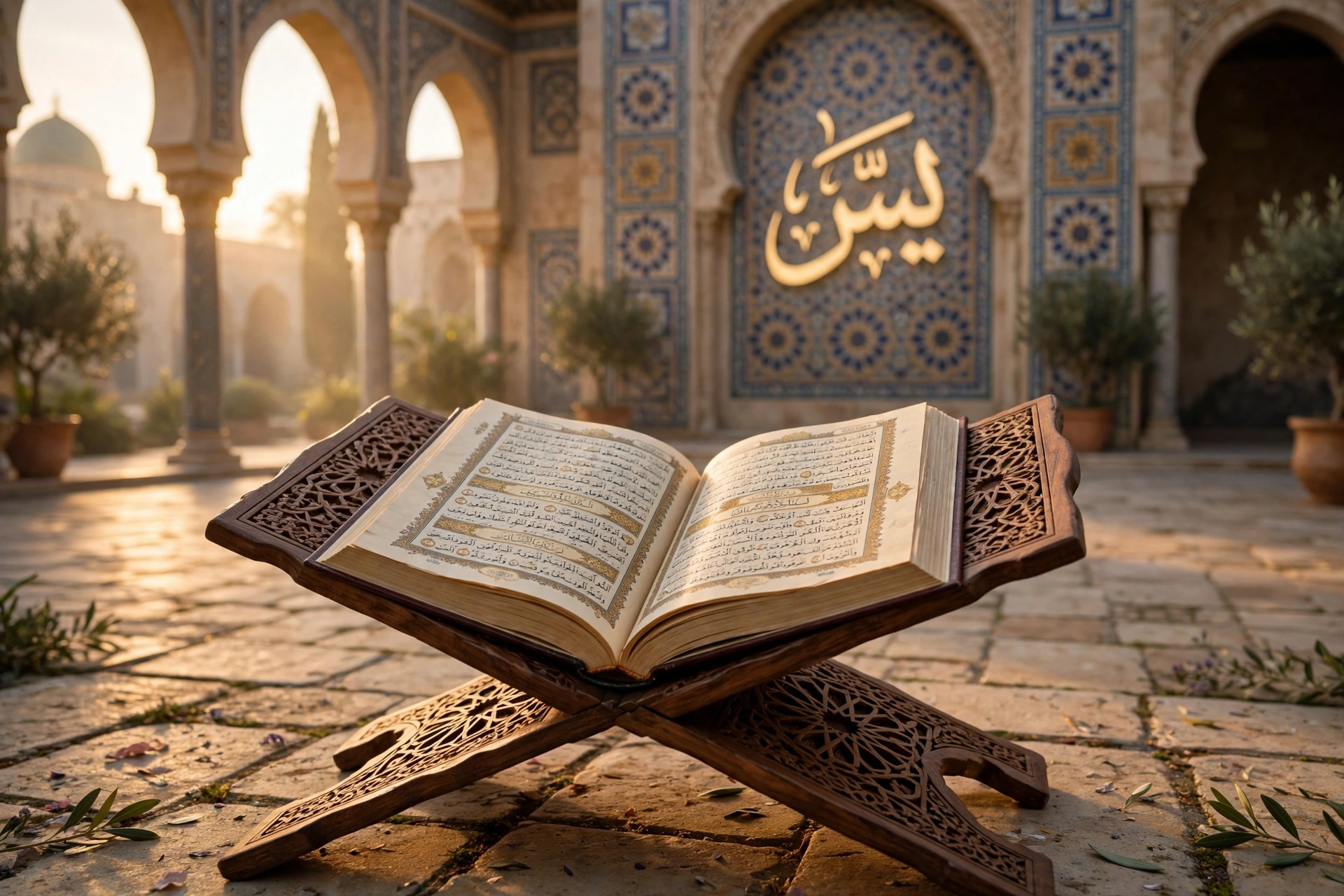
The virtues of Surah Yasin have made it one of the most beloved chapters of the Holy Quran in the hearts of Muslims. Surah Yasin — the 36th Surah of the Quran, with 83 verses — is recited in homes and mosques every day, in times of happiness and in times of difficulty, at the bedside of the sick and in the quiet of the night. It is called the heart of the Quran, and its words carry the whole message of the Quran in one short, powerful chapter: the Oneness of Allah, the truth of the Messengers, and the certainty of the Day of Judgement. In this complete guide, we explore the virtues of Surah Yasin in the light of the Quran and authentic Hadith, according to the creed of Ahl-e-Sunnat wal-Jamaat, and learn how to make its recitation a living part of every day.
At جامعہ سعیدیہ دارالقرآن, the teaching of the Holy Quran — its Nazra, Hifz and Tajwid — stands at the very heart of our mission, so that every Muslim may recite the Book of Allah beautifully and understand its message in the correct way.
Table of Contents
- What Is Surah Yasin?
- Why Is Surah Yasin Called the Heart of the Quran?
- The Three Great Themes of Surah Yasin
- The Story of the Messengers and the Believing Man
- The Reward of Reciting Surah Yasin
- Surah Yasin and the Forgiveness of Sins
- “Peace — A Word from a Merciful Lord”
- Surah Yasin in Times of Difficulty
- Reciting Surah Yasin for the Dying and the Deceased
- How to Recite Surah Yasin with Benefit
- Common Mistakes and Misunderstandings
- Frequently Asked Questions
What Is Surah Yasin?
Surah Yasin is the 36th Surah of the Holy Quran. It consists of 83 verses and was revealed in Makkah, before the Hijrah to Madinah, which is why it is classified as a Makki Surah. It spans Juz 22 and Juz 23 of the Quran, and its name comes from its opening letters: Ya-Sin.
The Surah opens with an oath:
“Ya-Sin. By the wise Quran. Indeed, you [O Muhammad] are from among the messengers, on a straight path.” (Surah Yasin 36:1-3)
The letters Ya-Sin are among the disconnected letters (Muqatta’at) with which several Surahs of the Quran begin. Their exact meaning is known only to Allah Almighty, and the scholars of Ahl-e-Sunnat do not fix a single meaning upon them. What is clear is what follows them: an oath by the Quran itself — described here as “the wise Quran” — and a declaration that the Beloved Prophet Muhammad ﷺ is truly among the Messengers of Allah, upon a straight path.
The Surah then lays out its great subjects in a flowing order. It speaks of those who accept the guidance and those who turn away from it. It tells the story of the messengers sent to a town and of the believing man who rushed to support them. It points to the signs of Allah in the dead earth brought back to life, in the night and the day, in the sun and the moon. And it ends with vivid scenes of the Resurrection and a final declaration of Allah’s absolute power: when He intends a thing, He only says to it, “Be,” and it is (Surah Yasin 36:82).
To recite Surah Yasin is therefore to recite the whole message of the Quran in brief. The virtues of reciting the Quran apply to every Surah, but this Surah gathers the core of the Quranic call — the Oneness of Allah, the truth of prophethood, and the certainty of the Hereafter — into a single chapter that can be recited in a few minutes. That is why Muslims have loved it and recited it daily for fourteen centuries.
To learn the correct recitation of Surah Yasin and the whole Quran, with proper Tajwid, the Quran courses at Jamia Saeedia Darul Quran — Nazra Quran, Hifz-ul-Quran and Tajwid-ul-Quran — guide students step by step, from the very first letter to fluent, beautiful recitation.
Why Is Surah Yasin Called the Heart of the Quran?
Surah Yasin is famous among Muslims by the title “the heart of the Quran” (Qalb-ul-Quran). This title comes from a narration reported by Sayyiduna Anas ibn Malik رضی اللہ عنہ, in which the Beloved Prophet Muhammad ﷺ is reported to have said:
“Indeed, everything has a heart, and the heart of the Quran is Yasin. Whoever recites Yasin, Allah records for him the reward of reciting the Quran ten times.” (Jami` at-Tirmidhi 2887)
Honesty about this narration is important, and the scholars of Hadith have been clear about it. Imam Tirmidhi himself, who recorded it, called it gharib (unusual) and noted that there is an unknown narrator in its chain. The scholars of Hadith grade the chain of this narration as weak (da’if), and some grade it very weak. For this reason, the promise of “the reward of ten complete readings of the Quran” should not be presented as a firmly established saying of the Prophet ﷺ.
Yet the title “heart of the Quran” has remained, and the scholars explain why it fits the Surah even setting the chain aside. Just as the heart is central to the body and gives life to every limb, Surah Yasin contains the central themes of the Quran — the Oneness of Allah, the truth of the Messengers, and the certainty of the Hereafter — in one short, powerful chapter. The title reflects the Surah’s central place in the message of the Quran, not a confirmed reward-count. A believer who recites Surah Yasin daily is reciting, in a few minutes, the very heart of what the Quran came to teach.
This honesty about narrations is itself a part of the virtues of Surah Yasin: the true virtue of the Surah does not depend on a disputed report. Its firmly established reward is the reward of reciting the Quran itself — and that reward is immense, as we shall see. The virtues of Surah Al-Mulk and the virtues of Surah Al-Kahf on Friday are taught in the same careful way: what is firmly established is stated firmly, and what is disputed is stated honestly.
The Three Great Themes of Surah Yasin
Every Surah of the Quran has its own character, and Surah Yasin is built around three great themes that form the foundation of the Islamic faith: Tawhid (the Oneness of Allah), Risalah (the truth of prophethood), and Akhirah (the Hereafter). Whoever understands these three themes understands the Surah — and whoever understands the Surah understands the message of the whole Quran.
1. Tawhid — the Oneness of Allah
Surah Yasin proves the Oneness of Allah through the signs spread across creation. Allah says:
“And a sign for them is the dead earth. We have brought it to life and brought forth from it grain, and from it they eat.” (Surah Yasin 36:33)
The dead earth that turns green after rain, the gardens of date-palms and grapevines, the pairs that Allah created in all things, the night that strips away the day, the sun running its course and the moon in its phases — all of these are signs for people who reflect (Surah Yasin 36:33-40). The Surah asks the disbelievers, in effect: the One who created all of this — can He not raise the dead? The answer is given at the end of the Surah, in words of absolute power: “His command, when He intends a thing, is only that He says to it, ‘Be,’ and it is” (Surah Yasin 36:82). The same power that brings life from dead earth will bring the dead back to life on the Day of Judgement.
2. Risalah — the truth of the Messengers
The Surah opens by declaring that the Beloved Prophet Muhammad ﷺ is truly among the Messengers (Surah Yasin 36:3), and it answers those who denied him:
“And We have not taught him poetry, nor is it fitting for him. It is not but a message and a clear Quran.” (Surah Yasin 36:69)
The Quran is not the poetry of a man; it is a clear message from Allah. The Surah then gives the example of the messengers sent to a town before, who were denied and mocked in exactly the same way — showing that the rejection faced by the Beloved Prophet ﷺ was the same rejection faced by every Messenger before him.
3. Akhirah — the certainty of the Hereafter
The last part of the Surah draws the scenes of the Day of Judgement with unforgettable force: the trumpet will be blown, and the dead will rush from their graves to their Lord (Surah Yasin 36:51). On that Day, Allah says, “the mouths will be sealed, and the hands will speak, and the feet will bear witness to what they used to earn” (Surah Yasin 36:65). No deed will be hidden, no excuse will remain, and every soul will see the truth of what it sent ahead. The virtues of Ayatul Kursi remind us of the same great truth — that Allah is the Living, the Sustainer of all, who never sleeps — and Surah Yasin brings that truth home to the heart through its scenes of the Last Day.
These three themes are why Surah Yasin is called the heart of the Quran. A believer who recites it and reflects on its meaning is renewing his faith in all three foundations of Islam at once: that Allah alone is worthy of worship, that Muhammad ﷺ is truly His Messenger, and that the Day of Judgement is certainly coming.
The Story of the Messengers and the Believing Man
The longest story in Surah Yasin is the story of the messengers sent to a town — the commentators of the Quran identify the town as Antioch — and of the believing man who rushed to their support. Allah says:
“And present to them an example: the people of the town, when the messengers came to it — when We sent to them two, and they denied them, so We strengthened them with a third, and they said, ‘Indeed, we are messengers to you.’” (Surah Yasin 36:13-14)
The people of the town rejected the messengers, mocked them, and threatened them with stoning. Then, from the farthest part of the city, a man came running:
“And there came from the farthest end of the city a man, running. He said, ‘O my people, follow the messengers. Follow those who do not ask of you any payment, and they are rightly guided.’” (Surah Yasin 36:20-21)
This believing man — whom the tradition names Habib al-Najjar — stood alone against his whole people. He had no army, no wealth, no power; he had only the truth, and he spoke it with courage. He reminded his people that he worshipped the One who created him, and that their idols could neither help them nor harm them. For his faith, his people killed him. And then Allah tells us what was said to him:
“It was said, ‘Enter Paradise.’ He said, ‘Would that my people knew of how my Lord has forgiven me and placed me among the honoured ones.’” (Surah Yasin 36:26-27)
Even in Paradise, the believing man was thinking of his people. He did not wish them harm or revenge; he wished they knew the forgiveness and honour that Allah had given him, so that they too would believe. This is the character of a true believer: he loves guidance for others as much as for himself, and he does not abandon his people even after they have wronged him.
There are three lessons in this story that the scholars of Ahl-e-Sunnat draw out for every Muslim. First, truth must be spoken even when one stands alone — the believing man came from the farthest part of the city, running, because the truth could not wait. Second, the Messengers of Allah ask for no payment and no reward from people; their reward is with Allah alone, and that is the sign of their sincerity. Third, the reward of faith is forgiveness and honour with Allah, even if the world responds with rejection and cruelty. The patience (Sabr) of the believing man was rewarded with Paradise, and his love for his people was rewarded with honour among the honoured ones.
The Reward of Reciting Surah Yasin
Whatever is said about the special reward of Surah Yasin, its firmly established reward is the reward of reciting the Quran itself — and that reward is beyond measure. The Beloved Prophet Muhammad ﷺ said:
“Whoever recites a letter from the Book of Allah will receive a good deed, and a good deed is multiplied by ten. I do not say Alif Lam Mim is a letter, but Alif is a letter, Lam is a letter, and Mim is a letter.” (Jami` at-Tirmidhi 2910)
Consider what this means for Surah Yasin. The Surah contains more than three thousand letters, and every letter earns ten good deeds. A single recitation of Surah Yasin therefore fills the scale of good deeds with tens of thousands of rewards — and the reciter does not even need to count them, for Allah counts them all. The virtues of reciting the Quran teach us that this reward is given for every letter of every Surah, and Surah Yasin is no exception.
The Beloved Prophet ﷺ also said:
“Read the Quran, for it will come as an intercessor for its companions on the Day of Resurrection.” (Sahih Muslim 804)
On the Day of Judgement, when every soul will be searching for a helper, the Quran will come forward and intercede for those who recited it, loved it, and lived by it. Surah Yasin, recited daily, becomes a companion that will speak for its reciter on that Day. And the Quran is also a witness: the Prophet ﷺ said that the Quran is a proof for you or against you (Sahih Muslim 223) — a proof for the one who recited it and acted upon it, and a proof against the one who abandoned it. The believer who recites Surah Yasin with understanding and acts upon its message is gathering a proof in his favour for the Day when every proof will matter.
The reward of recitation is greatest for the one who recites with excellence. The Beloved Prophet ﷺ said:
“The one who is proficient in the recitation of the Quran will be with the noble and obedient scribes (angels), and the one who recites the Quran and stumbles in it, finding it difficult, will have a double reward.” (Sahih al-Bukhari 4937)
This is a glad tiding for every learner. The one who recites fluently and beautifully will be in the company of the noble angels; and the one who struggles, who stumbles over the words and finds it hard, is not left behind — he receives a double reward, one for the recitation and one for the effort. No one who turns to the Quran is turned away empty-handed.
The Beloved Prophet ﷺ also said: “The best of you are those who learn the Quran and teach it” (Sahih al-Bukhari 5027). Surah Yasin is one of the first Surahs that parents teach their children and that new learners memorise, because it is short enough to learn and rich enough to transform the heart. The one who teaches it to another earns the reward of every recitation that follows — a charity that continues long after the teacher has gone.
To learn Surah Yasin with correct pronunciation and beautiful Tajwid, the Quran courses at Jamia Saeedia Darul Quran teach students the Quran letter by letter, so that every word is recited as it was revealed. The beautiful duas taught by the Quran and Sunnah also remind us that the Quran is not only recited but lived — and Surah Yasin, with its three great themes, is a complete guide to that life.
Surah Yasin and the Forgiveness of Sins
One of the most hope-giving verses of Surah Yasin is the promise given to those who take heed of the Quran and fear Allah even though they cannot see Him:
“You can only warn one who follows the Reminder and fears the Most Merciful unseen. So give him good tidings of forgiveness and a noble reward.” (Surah Yasin 36:11)
Two qualities are mentioned here: following the Reminder (the Quran) and fearing the Most Merciful even though He is unseen. The one who has both is given two glad tidings: forgiveness and a noble reward. This is the promise of Surah Yasin to every believer who recites the Quran and lives by it — not merely the removal of sins, but forgiveness joined to honour.
The Surah returns to forgiveness again and again. The believing man of the story is forgiven and placed among the honoured ones (Surah Yasin 36:27). The people of Paradise are greeted with peace from a Merciful Lord (Surah Yasin 36:58). And the Surah reminds us that Allah records everything — “We record what they send forth and what they leave behind” (Surah Yasin 36:12) — so that the believer is always mindful of what he is sending ahead to the Hereafter.
It is true that some popular narrations promise forgiveness for the one who recites Surah Yasin at night, or in the morning, or for a particular need. The chains of those specific narrations are weak, and the scholars advise that they should not be presented as firmly established promises. But the general principle is firmly established and needs no weak narration to support it: the recitation of the Quran with faith, repentance and a present heart is itself a means of forgiveness, for Allah says that good deeds remove evil deeds, and the Prophet ﷺ taught that the Quran intercedes for its companions. The believer who recites Surah Yasin, reflects on its warnings, and turns back to Allah in repentance has every reason to hope for His forgiveness.
For the believer seeking forgiveness, the repentance (Tawbah) in Islam and the power of dua in Islam show the way: sincere repentance, followed by the recitation of the Quran and supplication to Allah, is the path that the righteous have always followed.
“Peace — A Word from a Merciful Lord”
Among the most beautiful verses of Surah Yasin — and of the whole Quran — is the greeting that the people of Paradise will receive:
“Peace — a word from a Merciful Lord.” (Surah Yasin 36:58)
Imagine this scene. The believers have passed through the trials of the world and the terrors of the Day of Judgement, and now they enter Paradise — and the first word they hear is peace, spoken by the Most Merciful Lord Himself. Not peace from an angel, not peace from a fellow believer, but peace directly from Allah, the Merciful. The scholars of Ahl-e-Sunnat explain that this verse is the greatest glad tiding in the Surah: it tells the believer that the end of the journey of faith is not fear, not reckoning, not punishment — it is peace, from the Lord whose mercy embraces all things.
This verse is also a comfort in this world. The believer who recites it in times of anxiety remembers that the same Merciful Lord who promises peace in Paradise is the Lord who is with him now. The virtues of Dhikr teach us that the remembrance of Allah brings peace to the heart, and the gratitude (Shukr) of the believer turns every blessing into a cause of nearness to Allah. Surah Yasin 36:58 joins both: it is a verse to remember in hardship and a verse to thank Allah for in ease.
Many believers have made this verse a daily practice — reciting it in their morning and evening duas, and teaching it to their children as the sweetest greeting of Paradise. When the heart is heavy, recite it slowly: “Peace — a word from a Merciful Lord.” It is a reminder that whatever the world takes from you, the peace of Allah is waiting for those who believe and do good.
Surah Yasin in Times of Difficulty
For centuries, Muslims have turned to Surah Yasin in times of difficulty — in sickness, in fear, in debt, in anxiety about the future. This practice has a firm basis in the message of the Surah itself, even though no fixed number of recitations for a particular need is prescribed in the Quran or the Sunnah.
The Surah teaches the believer the source of all relief: the absolute power of Allah. Its closing verses declare:
“His command, when He intends a thing, is only that He says to it, ‘Be,’ and it is. So exalted is He in whose hand is the dominion of all things, and to Him you will be returned.” (Surah Yasin 36:82-83)
When a person is in difficulty, the greatest comfort is to remember that the One who can say “Be” to anything is the One who hears his prayer. No problem is too great for Him, no door is closed to Him, no sickness is beyond His healing. Allah says of the Quran itself: “And We send down of the Quran that which is healing and mercy for the believers” (Surah Al-Isra 17:82). The recitation of Surah Yasin in difficulty is therefore not a magic formula — it is a turning of the heart toward the Healer, a reminder of His power, and a supplication made through His own words.
The proper way to seek relief through Surah Yasin is simple: perform wudu, recite the Surah slowly with understanding, reflect on its verses about Allah’s power and mercy, and then raise the hands in dua and ask Allah for what is needed. The etiquette of making dua teaches us to praise Allah first, then send Durood upon the Beloved Prophet ﷺ, and then present our need with humility and hope. A dua made in this way — after the recitation of the Quran — is a dua that Allah loves to answer.
The patience (Sabr) of the believer in difficulty is itself a worship, and Surah Yasin strengthens that patience by reminding the believer that this world is a passage and that the peace of the Merciful Lord is waiting at its end. Recite it, reflect on it, and then trust in Allah — for the One who revives the dead earth can revive every dead hope.
Reciting Surah Yasin for the Dying and the Deceased
One of the most widespread practices among Muslims is to recite Surah Yasin beside a dying person, and for the deceased. This practice is based on a narration reported in Sunan Abi Dawud:
“Recite Yasin over your dying ones.” (Sunan Abi Dawud 3121)
The grading of this narration is disputed among the scholars of Hadith. Imam al-Albani and Imam al-Nawawi graded it weak (da’if), while Imam Ibn Hibban and Imam al-Hakim graded it authentic. Because of this difference, the scholars do not present the narration as firmly established — but the practice itself is widespread, and it is understood with wisdom: the dying person hears the words of Tawhid, the promise of forgiveness, the greeting of peace from the Merciful Lord, and the declaration of Allah’s power — words that comfort the heart at the most difficult moment of life, and remind the dying believer of the mercy that awaits him.
Surah Yasin is a fitting Surah to recite at such a time for another reason too: its message is exactly what a dying person needs to hear. It speaks of the Messengers and their truth, of the believing man who was told “Enter Paradise,” of the greeting of peace from the Merciful Lord, and of the return of all things to Allah. A person who leaves this world with these words in his ears leaves it with the very heart of the faith in his heart.
For the deceased, the living may recite Surah Yasin and gift its reward to them, and may make dua for their forgiveness — for the dead benefit from the duas of the living, and the virtues of Durood Sharif and the recitation of the Quran are among the best gifts a believer can send to those who have gone before him. The Tahajjud prayer in the last part of the night is also a blessed time to pray for the deceased, when Allah descends to the lowest heaven and answers the supplications of His servants.
How to Recite Surah Yasin with Benefit
Knowing the virtues of Surah Yasin is only the beginning; the real blessing comes when its recitation becomes a daily habit, done with understanding and a present heart. Here is a practical plan that any believer can follow.
1. Recite with wudu and a clean heart
Begin with ablution and a quiet place, facing the Qibla if possible. The Quran is the word of Allah, and approaching it with purity and respect is part of its honour. The Fajr prayer is a blessed time to begin the day with Surah Yasin, filling the morning with the words of the Quran before the noise of the world begins.
2. Recite slowly, with Tartil
Allah commands: “And recite the Quran with measured recitation” (Surah Al-Muzzammil 73:4). Do not rush through the Surah to finish it quickly. Recite each verse slowly, with correct Tajwid, pausing at the end of each verse to let its meaning settle in the heart. A slow recitation with understanding is better than a fast recitation without it.
3. Understand what you recite
Keep a translation of Surah Yasin beside you, and read the meaning of the verses you recite. When you reach “Peace — a word from a Merciful Lord,” pause and think of Paradise. When you reach “Be, and it is,” pause and think of the power of Allah. The Surah was revealed to be understood, not only recited — and understanding is what turns recitation into guidance.
4. Fix a daily time
Choose a time you can keep every single day — after Fajr, or at night before sleeping. The Beloved Prophet ﷺ said that the most beloved deeds to Allah are those done consistently, even if they are small (Sahih al-Bukhari 6464). One recitation of Surah Yasin every day without fail is better than ten recitations done once and abandoned.
5. Teach your family
Recite Surah Yasin together as a family, and teach it to your children. It is one of the first Surahs that children memorise, and a child who grows up reciting the heart of the Quran will carry its message in his heart for life. The daily Sunnahs of the Prophet ﷺ show us how the Beloved Prophet ﷺ filled his home with the Quran — and Surah Yasin is a beautiful place to begin.
6. Act upon its message
The Surah calls the believer to Tawhid, to following the Messengers, and to preparing for the Hereafter. Let its recitation change the day: after reciting it, ask yourself — have I worshipped Allah alone today? Have I followed the Sunnah of the Prophet ﷺ today? Have I prepared anything for the Day when my mouth will be sealed and my hands will speak? The virtues of Dhikr teach us that the remembrance of Allah must reach the heart; in the same way, the recitation of Surah Yasin must reach the heart to bear its full fruit.
Common Mistakes and Misunderstandings
Even with this beloved Surah, there are mistakes that the believer should avoid.
- Fixing a number of recitations that the Shariah did not fix: No fixed number — such as 7 times or 41 times — is prescribed in the Quran or the Sunnah for Surah Yasin. Recite it as much as you can with love and understanding, but do not treat an invented number as a religious requirement.
- Presenting weak narrations as confirmed promises: The “heart of the Quran” narration (Jami` at-Tirmidhi 2887) and the narration about reciting Yasin over the dying (Sunan Abi Dawud 3121) have disputed or weak chains. Love the Surah for its firmly established virtues, and be honest about what is disputed.
- Treating the Surah as a magic charm: Surah Yasin is the word of Allah, not a spell. Its benefit comes from faith, understanding and acting upon it — not from reciting it without knowing what it says, or from hanging its verses on a wall while ignoring its message.
- Reciting Surah Yasin and neglecting the rest of the Quran: The love of one Surah should lead to the love of the whole Quran. Do not limit yourself to Surah Yasin alone; recite the whole Quran regularly, and let Surah Yasin be a beloved part of that wider recitation.
- Reciting without learning correct pronunciation: The Quran deserves to be recited correctly. If you cannot read it properly, learn — the one who struggles with recitation receives a double reward, and the courses at Jamia Saeedia Darul Quran are there to teach every learner, from the first letter to fluent recitation.
Frequently Asked Questions
Is Surah Yasin really the heart of the Quran?
Surah Yasin is called the heart of the Quran in a narration reported in Jami` at-Tirmidhi (2887), but the scholars of Hadith grade its chain as weak, and Imam Tirmidhi himself called it gharib. The title is still fitting, because the Surah gathers the core of the Quranic message — the Oneness of Allah, the truth of the Messengers, and the certainty of the Hereafter — in one short chapter. The title reflects the Surah’s central place in the Quran’s message, not a confirmed Hadith.
How many times should I recite Surah Yasin daily?
There is no fixed number prescribed in the Quran or the Sunnah. Reciting it once a day, with understanding and a present heart, is a beautiful and easy habit — after Fajr or at night. The most beloved deeds to Allah are those done consistently, even if small (Sahih al-Bukhari 6464), so choose a number you can keep every day and increase it gradually.
Can I recite Surah Yasin for a sick or dying person?
Yes. Muslims have recited Surah Yasin beside the sick and the dying for centuries, based on the narration “Recite Yasin over your dying ones” (Sunan Abi Dawud 3121), whose grading is disputed among scholars. Its words — of Tawhid, forgiveness, peace from the Merciful Lord, and the power of Allah — are a comfort to the dying person, and the living may also recite it and gift its reward to the deceased.
What is the best time to recite Surah Yasin?
Any time is good, but two times are especially blessed: after the Fajr prayer, to begin the day with the words of the Quran, and at night before sleeping, when the heart is quiet and the words settle deeply. What matters most is consistency and understanding, not the hour of the clock.
Does reciting Surah Yasin forgive sins?
The Quran promises forgiveness and a noble reward to the one who follows the Reminder and fears the Most Merciful unseen (Surah Yasin 36:11), and the recitation of the Quran with faith and repentance is a means of forgiveness. Specific narrations promising forgiveness for reciting Yasin at night have weak chains and should not be presented as confirmed. Recite Surah Yasin, reflect on its warnings, and turn back to Allah in sincere repentance — and hope for His forgiveness, for His mercy is greater than our sins.
Related Articles
اردو میں مکمل مضمون
سورۃ یٰسین کی فضیلت نے اسے مسلمانوں کے دلوں میں قرآن مجید کی سب سے محبوب سورتوں میں سے ایک بنا دیا ہے۔ سورۃ یٰسین — قرآن کی 36ویں سورۃ، 83 آیات — ہر روز گھروں اور مسجدوں میں پڑھی جاتی ہے، خوشی میں بھی اور مشکل میں بھی، بیمار کے بستر کے پاس بھی اور رات کی خاموشی میں بھی۔ اسے قرآن کا دل کہا جاتا ہے، اور اس کے الفاظ قرآن کا پورا پیغام ایک مختصر اور طاقتور سورۃ میں سمیٹ لیتے ہیں: اللہ کی وحدانیت، رسولوں کی سچائی، اور قیامت کے دن کی یقینیت۔ اس مکمل مضمون میں ہم قرآن و حدیث کی روشنی میں، عقیدہ اہل سنت والجماعت کے مطابق، سورۃ یٰسین کی فضیلت کو سمجھیں گے اور سیکھیں گے کہ اس کی تلاوت کو روزمرہ زندگی کا حصہ کیسے بنایا جائے۔
جامعہ سعیدیہ دارالقرآن میں قرآن مجید کی تعلیم — ناظرہ، حفظ اور تجوید — ہمارے مشن کا مرکز ہے، تاکہ ہر مسلمان قرآن مجید کو خوبصورتی سے پڑھ سکے اور اس کے پیغام کو صحیح انداز میں سمجھ سکے۔
فہرست مضامین
- سورۃ یٰسین کیا ہے؟
- سورۃ یٰسین کو قرآن کا دل کیوں کہا جاتا ہے؟
- سورۃ یٰسین کے تین عظیم موضوعات
- رسولوں اور مومن شخص کی کہانی
- سورۃ یٰسین کی تلاوت کا ثواب
- سورۃ یٰسین اور گناہوں کی معافی
- ”سلامٌ قولاً من ربٍّ رحیم“
- مشکل وقت میں سورۃ یٰسین
- مرنے والوں کے لیے سورۃ یٰسین پڑھنا
- سورۃ یٰسین کو فائدے کے ساتھ کیسے پڑھیں؟
- عام غلطیاں اور غلط فہمیاں
- اکثر پوچھے جانے والے سوالات
سورۃ یٰسین کیا ہے؟
سورۃ یٰسین قرآن مجید کی 36ویں سورۃ ہے۔ اس میں 83 آیات ہیں اور یہ مکہ مکرمہ میں، ہجرت مدینہ سے پہلے نازل ہوئی، اسی لیے یہ مکی سورۃ کہلاتی ہے۔ یہ قرآن کے پارہ 22 اور پارہ 23 میں پھیلی ہوئی ہے، اور اس کا نام اس کے ابتدائی حروف یٰسین سے لیا گیا ہے۔
سورۃ کا آغاز ایک قسم سے ہوتا ہے:
”یٰسین۔ حکمت والے قرآن کی قسم۔ بے شک آپ (اے محمد صلی اللہ علیہ وآلہ وسلم) رسولوں میں سے ہیں، سیدھے راستے پر ہیں۔“ (سورۃ یٰسین 36:1-3)
یٰسین کے حروف ان حروف مقطعات میں سے ہیں جن سے قرآن کی کئی سورتیں شروع ہوتی ہیں۔ ان کا صحیح مطلب صرف اللہ تعالیٰ جانتا ہے، اور علمائے اہل سنت ان پر کوئی ایک معنی مقرر نہیں کرتے۔ جو بات واضح ہے وہ اس کے بعد ہے: قرآن کی قسم — جسے یہاں ”حکمت والا قرآن“ کہا گیا ہے — اور یہ اعلان کہ نبی اکرم صلی اللہ علیہ وآلہ وسلم واقعی اللہ کے رسولوں میں سے ہیں، سیدھے راستے پر ہیں۔
اس کے بعد سورۃ اپنے عظیم مضامین کو رواں ترتیب میں بیان کرتی ہے۔ وہ ان لوگوں کی بات کرتی ہے جو ہدایت قبول کرتے ہیں اور ان کی جو اس سے منہ موڑ لیتے ہیں۔ وہ ایک بستی کی طرف بھیجے گئے رسولوں اور ان کی مدد کو دوڑ کر آنے والے مومن شخص کی کہانی سناتی ہے۔ وہ مردہ زمین کی طرف اشارہ کرتی ہے جسے اللہ تعالیٰ زندہ کر دیتا ہے، رات اور دن کی طرف، سورج اور چاند کی طرف۔ اور اس کا اختتام قیامت کے زندہ مناظر اور اللہ تعالیٰ کی مطلق قدرت کے اعلان پر ہوتا ہے: جب وہ کسی چیز کا ارادہ فرماتا ہے تو صرف فرماتا ہے ”ہو جا“ اور وہ ہو جاتی ہے (سورۃ یٰسین 36:82)۔
سورۃ یٰسین پڑھنا اس لیے قرآن کا پورا پیغام مختصر میں پڑھنا ہے۔ تلاوت قرآن کی فضیلت ہر سورۃ پر لاگو ہوتی ہے، لیکن یہ سورۃ قرآنی دعوت کا مرکز — اللہ کی وحدانیت، نبوت کی سچائی، اور آخرت کی یقینیت — کو ایک ایسی سورۃ میں سمیٹ لیتی ہے جسے چند منٹوں میں پڑھا جا سکتا ہے۔ اسی لیے مسلمانوں نے چودہ صدیوں سے اسے محبت سے پڑھا ہے اور روزانہ پڑھتے ہیں۔
سورۃ یٰسین اور پورے قرآن کی صحیح تلاوت، درست تجوید کے ساتھ سیکھنے کے لیے جامعہ سعیدیہ دارالقرآن کے قرآنی کورسز — ناظرہ قرآن، حفظ القرآن اور تجوید القرآن — طلبہ کو قدم بہ قدم رہنمائی کرتے ہیں، پہلے حرف سے لے کر رواں اور خوبصورت تلاوت تک۔
سورۃ یٰسین کو قرآن کا دل کیوں کہا جاتا ہے؟
سورۃ یٰسین مسلمانوں میں ”قرآن کا دل“ (قلب القرآن) کے لقب سے مشہور ہے۔ یہ لقب حضرت انس بن مالک رضی اللہ عنہ کی روایت کردہ ایک روایت سے آیا ہے، جس میں نبی اکرم صلی اللہ علیہ وآلہ وسلم سے منقول ہے:
”بے شک ہر چیز کا ایک دل ہوتا ہے، اور قرآن کا دل یٰسین ہے۔ جو شخص یٰسین پڑھتا ہے، اللہ تعالیٰ اس کے لیے پورا قرآن پڑھنے کا ثواب لکھ دیتا ہے۔“ (جامع ترمذی 2887)
اس روایت کے بارے میں ایمانداری ضروری ہے، اور محدثین نے اس بارے میں واضح بات کی ہے۔ امام ترمذی نے خود، جنہوں نے اسے نقل کیا، اسے غریب کہا اور اس کی سند میں ایک مجہول راوی کی طرف اشارہ کیا۔ محدثین اس روایت کی سند کو ضعیف قرار دیتے ہیں، اور بعض اسے بہت ضعیف کہتے ہیں۔ اس لیے ”پورا قرآن پڑھنے کے ثواب“ کا وعدہ نبی اکرم صلی اللہ علیہ وآلہ وسلم کی ثابت شدہ بات کے طور پر پیش نہیں کرنا چاہیے۔
پھر بھی ”قرآن کا دل“ کا لقب باقی رہا، اور علماء اس کی وجہ بتاتے ہیں کہ سند کو ایک طرف رکھ کر بھی یہ لقب سورۃ پر صادق آتا ہے۔ جس طرح دل جسم کا مرکز ہے اور ہر عضو کو زندگی دیتا ہے، اسی طرح سورۃ یٰسین قرآن کے مرکزی مضامین — اللہ کی وحدانیت، رسولوں کی سچائی، اور آخرت کی یقینیت — کو ایک مختصر اور طاقتور سورۃ میں سمیٹ لیتی ہے۔ یہ لقب سورۃ کے قرآن کے پیغام میں مرکزی مقام کو ظاہر کرتا ہے، نہ کہ ثواب کی ثابت شدہ گنتی کو۔ جو مومن روزانہ سورۃ یٰسین پڑھتا ہے وہ چند منٹوں میں قرآن کی تعلیم کا مرکز پڑھ رہا ہوتا ہے۔
روایات کے بارے میں یہ ایمانداری خود سورۃ یٰسین کی فضیلت کا حصہ ہے: سورۃ کی سچی فضیلت کسی متنازع روایت پر منحصر نہیں ہے۔ اس کا ثابت شدہ ثواب قرآن کی تلاوت کا ثواب ہے — اور وہ ثواب بے پناہ ہے، جیسا کہ ہم دیکھیں گے۔ سورۃ الملک کی فضیلت اور جمعہ کے دن سورۃ الکہف کی فضیلت اسی احتیاط سے سکھائی جاتی ہے: جو بات ثابت ہے وہ ثابت کے طور پر بیان کی جاتی ہے، اور جو متنازع ہے وہ ایمانداری سے بیان کی جاتی ہے۔
سورۃ یٰسین کے تین عظیم موضوعات
قرآن کی ہر سورۃ کا اپنا مزاج ہے، اور سورۃ یٰسین تین عظیم موضوعات کے گرد بنی ہے جو اسلامی عقیدے کی بنیاد ہیں: توحید (اللہ کی وحدانیت)، رسالت (نبوت کی سچائی)، اور آخرت (قیامت کا دن)۔ جو ان تین موضوعات کو سمجھ لے وہ سورۃ کو سمجھ لیتا ہے — اور جو سورۃ کو سمجھ لے وہ پورے قرآن کا پیغام سمجھ لیتا ہے۔
1. توحید — اللہ کی وحدانیت
سورۃ یٰسین اللہ کی وحدانیت کو کائنات میں پھیلی ہوئی نشانیوں سے ثابت کرتی ہے۔ اللہ تعالیٰ فرماتا ہے:
”اور ان کے لیے ایک نشانی مردہ زمین ہے۔ ہم نے اسے زندہ کیا اور اس سے اناج نکالا، پس اس سے وہ کھاتے ہیں۔“ (سورۃ یٰسین 36:33)
بارش کے بعد سرسبز ہونے والی مردہ زمین، کھجور اور انگور کے باغات، اللہ تعالیٰ کے پیدا کردہ ہر چیز کے جوڑے، رات جو دن کو اتار دیتی ہے، سورج جو اپنی منزل کی طرف چلتا ہے اور چاند اپنی منزلوں میں — یہ سب ان لوگوں کے لیے نشانیاں ہیں جو غور کرتے ہیں (سورۃ یٰسین 36:33-40)۔ سورۃ کافروں سے پوچھتی ہے: جس نے یہ سب کچھ پیدا کیا — کیا وہ مردوں کو زندہ نہیں کر سکتا؟ جواب سورۃ کے آخر میں دیا گیا ہے، مطلق قدرت کے الفاظ میں: ”اس کا حکم، جب وہ کسی چیز کا ارادہ فرماتا ہے، صرف یہ ہے کہ وہ اس سے فرماتا ہے: ’ہو جا‘، اور وہ ہو جاتی ہے“ (سورۃ یٰسین 36:82)۔ وہی قدرت جو مردہ زمین سے زندگی نکالتی ہے، قیامت کے دن مردوں کو بھی زندہ کرے گی۔
2. رسالت — رسولوں کی سچائی
سورۃ کا آغاز اس اعلان سے ہوتا ہے کہ نبی اکرم صلی اللہ علیہ وآلہ وسلم واقعی رسولوں میں سے ہیں (سورۃ یٰسین 36:3)، اور وہ ان لوگوں کا جواب دیتی ہے جنہوں نے ان کو جھٹلایا:
”اور ہم نے انہیں شاعری نہیں سکھائی، اور نہ یہ ان کے شایان شان ہے۔ یہ تو صرف ایک نصیحت اور واضح قرآن ہے۔“ (سورۃ یٰسین 36:69)
قرآن کسی انسان کی شاعری نہیں ہے؛ یہ اللہ تعالیٰ کی طرف سے واضح پیغام ہے۔ پھر سورۃ اس سے پہلے کی ایک بستی کی طرف بھیجے گئے رسولوں کی مثال دیتی ہے، جنہیں اسی طرح جھٹلایا گیا اور ان کا مذاق اڑایا گیا — یہ ظاہر کرتے ہوئے کہ نبی اکرم صلی اللہ علیہ وآلہ وسلم کو جس انکار کا سامنا کرنا پڑا، وہی انکار ان سے پہلے کے ہر رسول کو کرنا پڑا تھا۔
3. آخرت — قیامت کے دن کی یقینیت
سورۃ کا آخری حصہ قیامت کے دن کے مناظر کو ناقابل فراموش قوت سے کھینچتا ہے: صور پھونکا جائے گا، اور مردے اپنی قبروں سے اپنے رب کی طرف دوڑ پڑیں گے (سورۃ یٰسین 36:51)۔ اس دن اللہ تعالیٰ فرماتا ہے کہ ”منہوں پر مہر لگا دی جائے گی، اور ہاتھ بولیں گے، اور پاؤں گواہی دیں گے جو وہ کماتے تھے“ (سورۃ یٰسین 36:65)۔ کوئی عمل چھپا نہیں رہے گا، کوئی عذر باقی نہیں رہے گا، اور ہر نفس دیکھ لے گا کہ اس نے آگے کیا بھیجا تھا۔ آیت الکرسی کی فضیلت و برکات ہمیں اسی عظیم سچائی کی یاد دلاتی ہے — کہ اللہ زندہ ہے، سب کا سنبھالنے والا ہے، جسے نیند نہیں آتی — اور سورۃ یٰسین اس سچائی کو قیامت کے مناظر کے ذریعے دل تک پہنچاتی ہے۔
یہ تین موضوعات ہی وجہ ہیں کہ سورۃ یٰسین کو قرآن کا دل کہا جاتا ہے۔ جو مومن اسے پڑھتا ہے اور اس کے معنی پر غور کرتا ہے وہ اسلام کی تینوں بنیادوں میں اپنے ایمان کی تجدید کر رہا ہوتا ہے: کہ اللہ ہی عبادت کے لائق ہے، کہ محمد صلی اللہ علیہ وآلہ وسلم واقعی اس کے رسول ہیں، اور کہ قیامت کا دن یقیناً آنے والا ہے۔
رسولوں اور مومن شخص کی کہانی
سورۃ یٰسین کی سب سے طویل کہانی ایک بستی کی طرف بھیجے گئے رسولوں اور ان کی مدد کو دوڑ کر آنے والے مومن شخص کی کہانی ہے۔ اللہ تعالیٰ فرماتا ہے:
”اور ان کے سامنے ایک مثال بیان کرو: بستی والوں کی، جب ان کے پاس رسول آئے — جب ہم نے ان کی طرف دو بھیجے، اور انہوں نے ان کو جھٹلایا، تو ہم نے تیسرے سے ان کی مدد کی، اور انہوں نے کہا: ’بے شک ہم تمہاری طرف رسول بنا کر بھیجے گئے ہیں۔‘“ (سورۃ یٰسین 36:13-14)
بستی والوں نے رسولوں کو جھٹلایا، ان کا مذاق اڑایا، اور انہیں سنگسار کرنے کی دھمکی دی۔ پھر شہر کے سب سے دور کنارے سے ایک شخص دوڑتا ہوا آیا:
”اور شہر کے سب سے دور کنارے سے ایک شخص دوڑتا ہوا آیا۔ اس نے کہا: ’اے میری قوم! رسولوں کی پیروی کرو۔ ان کی پیروی کرو جو تم سے کوئی اجرت نہیں مانگتے، اور وہ ہدایت یافتہ ہیں۔‘“ (سورۃ یٰسین 36:20-21)
یہ مومن شخص — جسے روایت میں حبیب نجار کہا گیا ہے — اپنی پوری قوم کے سامنے اکیلا کھڑا تھا۔ اس کے پاس نہ لشکر تھا، نہ دولت، نہ طاقت؛ اس کے پاس صرف سچائی تھی، اور اس نے اسے ہمت سے بیان کیا۔ اس نے اپنی قوم کو یاد دلایا کہ وہ اسی کی عبادت کرتا ہے جس نے اسے پیدا کیا، اور ان کے بت نہ ان کی مدد کر سکتے ہیں نہ نقصان پہنچا سکتے ہیں۔ اس کے ایمان کی وجہ سے اس کی قوم نے اسے شہید کر دیا۔ اور پھر اللہ تعالیٰ بتاتا ہے کہ اس سے کیا کہا گیا:
”کہا گیا: ’جنت میں داخل ہو جا۔‘ اس نے کہا: ’کاش میری قوم جانتی کہ میرے رب نے مجھے کیسے معاف کر دیا اور مجھے عزت والوں میں شامل کر دیا۔‘“ (سورۃ یٰسین 36:26-27)
جنت میں بھی مومن شخص اپنی قوم کے بارے میں سوچ رہا تھا۔ اس نے ان کے لیے نقصان یا بدلہ نہیں چاہا؛ اس نے چاہا کہ وہ جانیں کہ اللہ تعالیٰ نے اسے کیسی معافی اور عزت عطا کی ہے، تاکہ وہ بھی ایمان لے آئیں۔ یہی سچے مومن کا کردار ہے: وہ دوسروں کے لیے ہدایت اتنی ہی چاہتا ہے جتنی اپنے لیے، اور اپنی قوم کو اس وقت بھی نہیں چھوڑتا جب انہوں نے اس پر ظلم کیا ہو۔
اس کہانی میں تین سبق ہیں جو علمائے اہل سنت ہر مسلمان کے لیے نکالتے ہیں۔ پہلا، سچائی اس وقت بھی بولنی چاہیے جب انسان اکیلا کھڑا ہو — مومن شخص شہر کے سب سے دور کنارے سے دوڑتا ہوا آیا، کیونکہ سچائی انتظار نہیں کر سکتی تھی۔ دوسرا، اللہ کے رسول لوگوں سے کوئی اجرت اور کوئی بدلہ نہیں مانگتے؛ ان کا بدلہ اللہ کے پاس ہے، اور یہی ان کی سچائی کی علامت ہے۔ تیسرا، ایمان کا بدلہ اللہ کے پاس معافی اور عزت ہے، چاہے دنیا انکار اور ظلم سے جواب دے۔ مومن شخص کے صبر کا بدلہ جنت ملی، اور اس کی قوم سے محبت کا بدلہ عزت والوں میں شمولیت ملی۔
سورۃ یٰسین کی تلاوت کا ثواب
سورۃ یٰسین کے خاص ثواب کے بارے میں جو کچھ بھی کہا جائے، اس کا ثابت شدہ ثواب قرآن کی تلاوت کا ثواب ہے — اور وہ ثواب بے پناہ ہے۔ نبی اکرم صلی اللہ علیہ وآلہ وسلم نے فرمایا:
”جو شخص اللہ کی کتاب کا ایک حرف پڑھتا ہے اسے ایک نیکی ملتی ہے، اور ایک نیکی دس گنا بڑھا دی جاتی ہے۔ میں یہ نہیں کہتا کہ الف لام میم ایک حرف ہے، بلکہ الف ایک حرف ہے، لام ایک حرف ہے، اور میم ایک حرف ہے۔“ (جامع ترمذی 2910)
اس کا مطلب سمجھیں سورۃ یٰسین کے لیے۔ سورۃ میں تین ہزار سے زیادہ حروف ہیں، اور ہر حرف دس نیکیاں کماتا ہے۔ سورۃ یٰسین کی ایک تلاوت نیکیوں کا پلڑا دسیوں ہزار ثواب سے بھر دیتی ہے — اور پڑھنے والے کو گننے کی ضرورت بھی نہیں، کیونکہ اللہ تعالیٰ سب کچھ گنتا ہے۔ تلاوت قرآن کی فضیلت ہمیں سکھاتی ہے کہ یہ ثواب ہر سورۃ کے ہر حرف کے لیے ہے، اور سورۃ یٰسین اس سے مستثنیٰ نہیں ہے۔
نبی اکرم صلی اللہ علیہ وآلہ وسلم نے یہ بھی فرمایا:
”قرآن پڑھو، کیونکہ وہ قیامت کے دن اپنے ساتھیوں کے لیے سفارشی بن کر آئے گا۔“ (صحیح مسلم 804)
قیامت کے دن، جب ہر نفس کسی مددگار کی تلاش میں ہوگا، قرآن آگے آئے گا اور ان لوگوں کی سفارش کرے گا جنہوں نے اسے پڑھا، اس سے محبت کی، اور اس پر عمل کیا۔ روزانہ پڑھی جانے والی سورۃ یٰسین ایک ایسی ساتھی بن جاتی ہے جو اس دن اپنے پڑھنے والے کے لیے بولے گی۔ اور قرآن گواہ بھی ہے: نبی اکرم صلی اللہ علیہ وآلہ وسلم نے فرمایا کہ قرآن تمہارے حق میں حجت ہے یا تمہارے خلاف حجت ہے (صحیح مسلم 223) — اس کے حق میں حجت جو اسے پڑھتا ہے اور اس پر عمل کرتا ہے، اور اس کے خلاف حجت جو اسے چھوڑ دیتا ہے۔ جو مومن سورۃ یٰسین کو سمجھ کر پڑھتا ہے اور اس کے پیغام پر عمل کرتا ہے وہ اس دن کے لیے اپنے حق میں حجت جمع کر رہا ہے جب ہر حجت اہم ہوگی۔
تلاوت کا ثواب اس کے لیے سب سے زیادہ ہے جو بہترین انداز میں پڑھتا ہے۔ نبی اکرم صلی اللہ علیہ وآلہ وسلم نے فرمایا:
”جو شخص قرآن کی تلاوت میں ماہر ہے وہ معزز اور فرمانبردار فرشتوں کے ساتھ ہوگا، اور جو شخص قرآن پڑھتا ہے اور اس میں اٹکتا ہے، اسے مشکل لگتی ہے، اسے دوہرا ثواب ملے گا۔“ (صحیح البخاری 4937)
یہ ہر سیکھنے والے کے لیے خوشخبری ہے۔ جو روانی اور خوبصورتی سے پڑھتا ہے وہ معزز فرشتوں کی صحبت میں ہوگا؛ اور جو جدوجہد کرتا ہے، الفاظ پر اٹکتا ہے اور اسے مشکل لگتی ہے، وہ پیچھے نہیں رہتا — اسے دوہرا ثواب ملتا ہے، ایک تلاوت کا اور ایک محنت کا۔ جو قرآن کی طرف آتا ہے وہ خالی ہاتھ نہیں لوٹتا۔
نبی اکرم صلی اللہ علیہ وآلہ وسلم نے یہ بھی فرمایا: ”تم میں سے بہتر وہ ہے جو قرآن سیکھتا ہے اور سکھاتا ہے“ (صحیح البخاری 5027)۔ سورۃ یٰسین ان پہلی سورتوں میں سے ہے جو والدین اپنے بچوں کو سکھاتے ہیں اور جو نئے سیکھنے والے حفظ کرتے ہیں، کیونکہ یہ اتنی مختصر ہے کہ سیکھی جا سکے اور اتنی بھرپور ہے کہ دل کو بدل دے۔ جو اسے کسی دوسرے کو سکھاتا ہے وہ اس کے بعد کی ہر تلاوت کا ثواب کماتا ہے — ایک ایسا صدقہ جو سکھانے والے کے جانے کے بعد بھی جاری رہتا ہے۔
سورۃ یٰسین کو صحیح تلفظ اور خوبصورت تجوید کے ساتھ سیکھنے کے لیے جامعہ سعیدیہ دارالقرآن کے قرآنی کورسز طلبہ کو حرف بہ حرف قرآن سکھاتے ہیں، تاکہ ہر لفظ ویسے ہی پڑھا جائے جیسے نازل ہوا۔ قرآن و سنت کی سکھائی ہوئی خوبصورت دعائیں ہمیں یہ بھی یاد دلاتی ہیں کہ قرآن صرف پڑھا نہیں جاتا بلکہ اس پر عمل بھی کیا جاتا ہے — اور سورۃ یٰسین، اپنے تین عظیم موضوعات کے ساتھ، اس زندگی کی مکمل رہنمائی ہے۔
سورۃ یٰسین اور گناہوں کی معافی
سورۃ یٰسین کی سب سے زیادہ امید دینے والی آیات میں سے ایک وہ وعدہ ہے جو ان لوگوں کو دیا گیا ہے جو قرآن پر توجہ دیتے ہیں اور اللہ سے ڈرتے ہیں حالانکہ وہ اسے دیکھ نہیں سکتے:
”آپ صرف اسی کو ڈرا سکتے ہیں جو نصیحت کی پیروی کرے اور رحمن سے بن دیکھے ڈرے۔ پس اسے معافی اور عزت والے ثواب کی خوشخبری دے دیں۔“ (سورۃ یٰسین 36:11)
یہاں دو صفات بیان کی گئی ہیں: نصیحت (قرآن) کی پیروی کرنا اور بن دیکھے رحمن سے ڈرنا۔ جس میں یہ دونوں ہوں اسے دو خوشخبریاں دی گئی ہیں: معافی اور عزت والا ثواب۔ یہ سورۃ یٰسین کا ہر اس مومن سے وعدہ ہے جو قرآن پڑھتا ہے اور اس پر عمل کرتا ہے — صرف گناہوں کا مٹنا نہیں، بلکہ معافی کے ساتھ عزت بھی۔
سورۃ معافی کی طرف بار بار لوٹتی ہے۔ کہانی کا مومن شخص معاف کیا جاتا ہے اور عزت والوں میں شامل کر دیا جاتا ہے (سورۃ یٰسین 36:27)۔ جنتیوں کو رحیم رب کی طرف سے سلامتی کا تحفہ ملتا ہے (سورۃ یٰسین 36:58)۔ اور سورۃ ہمیں یاد دلاتی ہے کہ اللہ تعالیٰ سب کچھ لکھتا ہے — ”ہم لکھتے ہیں جو وہ آگے بھیجتے ہیں اور جو وہ پیچھے چھوڑتے ہیں“ (سورۃ یٰسین 36:12) — تاکہ مومن ہمیشہ اس بات سے باخبر رہے کہ وہ آخرت کے لیے آگے کیا بھیج رہا ہے۔
یہ سچ ہے کہ بعض مشہور روایات رات کو سورۃ یٰسین پڑھنے والے کے لیے معافی کا وعدہ کرتی ہیں، یا صبح پڑھنے والے کے لیے، یا کسی خاص حاجت کے لیے۔ ان خاص روایات کی سندیں ضعیف ہیں، اور علماء فرماتے ہیں کہ انہیں ثابت شدہ وعدوں کے طور پر پیش نہیں کرنا چاہیے۔ لیکن عمومی اصول ثابت شدہ ہے اور اس کی تائید کے لیے کسی ضعیف روایت کی ضرورت نہیں: ایمان، توبہ اور دل کی حاضری کے ساتھ قرآن کی تلاوت خود معافی کا ذریعہ ہے، کیونکہ اللہ تعالیٰ فرماتا ہے کہ نیکیاں برائیوں کو مٹا دیتی ہیں، اور نبی اکرم صلی اللہ علیہ وآلہ وسلم نے سکھایا کہ قرآن اپنے ساتھیوں کی سفارش کرتا ہے۔ جو مومن سورۃ یٰسین پڑھتا ہے، اس کی تنبیہات پر غور کرتا ہے، اور سچی توبہ کے ساتھ اللہ کی طرف لوٹتا ہے اسے اس کی معافی کی ہر وجہ سے امید رکھنی چاہیے۔
معافی چاہنے والے مومن کے لیے اسلام میں توبہ اور اسلام میں دعا کی طاقت راستہ دکھاتے ہیں: سچی توبہ، اس کے بعد قرآن کی تلاوت اور اللہ سے دعا، وہی راستہ ہے جس پر نیک لوگ ہمیشہ چلتے رہے ہیں۔
”سلامٌ قولاً من ربٍّ رحیم“
سورۃ یٰسین کی سب سے خوبصورت آیات میں سے — اور پورے قرآن کی بھی — وہ سلام ہے جو جنتیوں کو ملے گا:
”سلام — رحیم رب کی طرف سے ایک کلمہ۔“ (سورۃ یٰسین 36:58)
اس منظر کا تصور کریں۔ مومن دنیا کی آزمائشوں اور قیامت کے دن کی ہولناکیوں سے گزر کر جنت میں داخل ہوتے ہیں — اور پہلا لفظ جو وہ سنتے ہیں وہ سلام ہے، رحیم رب کی طرف سے خود بولا گیا۔ کسی فرشتے کی طرف سے سلام نہیں، کسی ساتھی مومن کی طرف سے سلام نہیں، بلکہ براہ راست اللہ تعالیٰ، رحیم، کی طرف سے سلام۔ علمائے اہل سنت فرماتے ہیں کہ یہ آیت سورۃ کی سب سے بڑی خوشخبری ہے: یہ مومن کو بتاتی ہے کہ ایمان کے سفر کا انجام خوف نہیں، حساب نہیں، عذاب نہیں — بلکہ سلام ہے، اس رب کی طرف سے جس کی رحمت ہر چیز کو گھیرے ہوئے ہے۔
یہ آیت اس دنیا میں بھی سکون ہے۔ جو مومن اسے پریشانی کے وقت پڑھتا ہے وہ یاد رکھتا ہے کہ وہی رحیم رب جو جنت میں سلام کا وعدہ کرتا ہے، وہی رب ابھی اس کے ساتھ ہے۔ ذکر الٰہی کی فضیلت ہمیں سکھاتی ہے کہ اللہ کا ذکر دل کو سکون دیتا ہے، اور مومن کا شکر ہر نعمت کو اللہ کے قرب کا سبب بنا دیتا ہے۔ سورۃ یٰسین 36:58 دونوں کو جوڑتی ہے: یہ مشکل میں یاد رکھنے کی آیت ہے اور آسانی میں شکر کرنے کی آیت ہے۔
بہت سے مومنوں نے اس آیت کو روزانہ کی عادت بنا لیا ہے — اپنی صبح و شام کی دعاؤں میں اسے پڑھتے ہیں، اور اپنے بچوں کو جنت کے سب سے میٹھے سلام کے طور پر سکھاتے ہیں۔ جب دل بھاری ہو تو اسے آہستہ پڑھیں: ”سلام — رحیم رب کی طرف سے ایک کلمہ۔“ یہ یاد دلاتا ہے کہ دنیا آپ سے جو کچھ بھی لے لے، اللہ کا سلام ان کے لیے منتظر ہے جو ایمان لائے اور نیک عمل کیے۔
مشکل وقت میں سورۃ یٰسین
صدیوں سے مسلمان مشکل کے وقت سورۃ یٰسین کی طرف رجوع کرتے رہے ہیں — بیماری میں، خوف میں، قرض میں، مستقبل کی فکر میں۔ اس عادت کی سورۃ کے پیغام میں مضبوط بنیاد ہے، چاہے کسی خاص حاجت کے لیے کوئی مقررہ تعداد قرآن یا سنت میں مقرر نہ ہو۔
سورۃ مومن کو ہر راحت کا سرچشمہ سکھاتی ہے: اللہ کی مطلق قدرت۔ اس کی آخری آیات اعلان کرتی ہیں:
”اس کا حکم، جب وہ کسی چیز کا ارادہ فرماتا ہے، صرف یہ ہے کہ وہ اس سے فرماتا ہے: ’ہو جا‘، اور وہ ہو جاتی ہے۔ پس پاک ہے وہ جس کے ہاتھ میں ہر چیز کی بادشاہی ہے، اور اسی کی طرف تم لوٹائے جاؤ گے۔“ (سورۃ یٰسین 36:82-83)
جب انسان مشکل میں ہو تو سب سے بڑا سکون یہ یاد رکھنا ہے کہ جو ”ہو جا“ کہہ کر کچھ بھی کر سکتا ہے، وہی اس کی دعا سنتا ہے۔ اس کے لیے کوئی مشکل بہت بڑی نہیں، اس کے لیے کوئی دروازہ بند نہیں، کوئی بیماری اس کی شفا سے باہر نہیں۔ اللہ تعالیٰ قرآن کے بارے میں فرماتا ہے: ”اور ہم قرآن میں سے وہ نازل کرتے ہیں جو مومنوں کے لیے شفا اور رحمت ہے“ (سورۃ الاسراء 17:82)۔ مشکل میں سورۃ یٰسین کی تلاوت اس لیے کوئی جادوئی عمل نہیں ہے — یہ دل کا شفا دینے والے کی طرف رجوع ہے، اس کی قدرت کی یاد دہانی ہے، اور اس کے اپنے الفاظ کے ذریعے کی گئی دعا ہے۔
سورۃ یٰسین کے ذریعے راحت حاصل کرنے کا صحیح طریقہ سادہ ہے: وضو کریں، سورۃ کو سمجھ کر آہستہ پڑھیں، اللہ کی قدرت اور رحمت کے بارے میں اس کی آیات پر غور کریں، اور پھر دعا کے لیے ہاتھ اٹھا کر اللہ سے جو چاہیں مانگیں۔ دعا مانگنے کے آداب ہمیں سکھاتے ہیں کہ پہلے اللہ کی حمد کریں، پھر نبی اکرم صلی اللہ علیہ وآلہ وسلم پر درود بھیجیں، اور پھر عاجزی اور امید کے ساتھ اپنی حاجت پیش کریں۔ اس طرح کی گئی دعا — قرآن کی تلاوت کے بعد — وہ دعا ہے جسے اللہ قبول کرنا پسند فرماتا ہے۔
مشکل میں مومن کا صبر خود ایک عبادت ہے، اور سورۃ یٰسین اس صبر کو اس یاد دہانی سے مضبوط کرتی ہے کہ یہ دنیا ایک گزرگاہ ہے اور رحیم رب کا سلام اس کے آخر میں منتظر ہے۔ اسے پڑھیں، اس پر غور کریں، اور پھر اللہ پر بھروسہ کریں — کیونکہ جو مردہ زمین کو زندہ کر سکتا ہے وہ ہر مردہ امید کو بھی زندہ کر سکتا ہے۔
مرنے والوں کے لیے سورۃ یٰسین پڑھنا
مسلمانوں میں سب سے زیادہ پھیلی ہوئی عادتوں میں سے ایک یہ ہے کہ مرنے والے شخص کے پاس سورۃ یٰسین پڑھی جائے، اور مرحوم کے لیے بھی۔ یہ عادت سنن ابی داؤد میں نقل کردہ ایک روایت پر مبنی ہے:
”اپنے مرنے والوں پر یٰسین پڑھو۔“ (سنن ابی داؤد 3121)
اس روایت کی درجہ بندی میں محدثین کے درمیان اختلاف ہے۔ امام البانی اور امام نووی نے اسے ضعیف قرار دیا ہے، جبکہ امام ابن حبان اور امام حاکم نے اسے صحیح قرار دیا ہے۔ اس اختلاف کی وجہ سے علماء اس روایت کو ثابت شدہ کے طور پر پیش نہیں کرتے — لیکن یہ عادت خود وسیع پیمانے پر رائج ہے، اور اسے حکمت سے سمجھا جاتا ہے: مرنے والا شخص توحید کے الفاظ سنتا ہے، معافی کا وعدہ سنتا ہے، رحیم رب کی طرف سے سلام سنتا ہے، اور اللہ کی قدرت کا اعلان سنتا ہے — ایسے الفاظ جو زندگی کے سب سے مشکل لمحے میں دل کو سکون دیتے ہیں، اور مرنے والے مومن کو اس رحمت کی یاد دلاتے ہیں جو اس کا انتظار کر رہی ہے۔
سورۃ یٰسین اس وقت پڑھنے کے لیے ایک اور وجہ سے بھی موزوں ہے: اس کا پیغام بالکل وہی ہے جو مرنے والے شخص کو سننے کی ضرورت ہے۔ یہ رسولوں اور ان کی سچائی کی بات کرتی ہے، اس مومن شخص کی بات کرتی ہے جس سے کہا گیا ”جنت میں داخل ہو جا“، رحیم رب کی طرف سے سلام کی بات کرتی ہے، اور ہر چیز کے اللہ کی طرف لوٹنے کی بات کرتی ہے۔ جو شخص ان الفاظ کو کانوں میں لیے دنیا سے جاتا ہے وہ ایمان کا مرکز اپنے دل میں لیے جاتا ہے۔
مرحوم کے لیے، زندہ لوگ سورۃ یٰسین پڑھ کر اس کا ثواب انہیں پہنچا سکتے ہیں، اور ان کی معافی کے لیے دعا کر سکتے ہیں — کیونکہ مرحوم زندوں کی دعاؤں سے فائدہ اٹھاتے ہیں، اور درود شریف کی فضیلت اور قرآن کی تلاوت ان بہترین تحفوں میں سے ہیں جو مومن اپنے سے پہلے جانے والوں کو بھیج سکتا ہے۔ تہجد کی نماز رات کے آخری حصے میں مرحوم کے لیے دعا کرنے کا بھی بابرکت وقت ہے، جب اللہ تعالیٰ آسمان دنیا پر نزول فرماتا ہے اور اپنے بندوں کی دعائیں قبول فرماتا ہے۔
سورۃ یٰسین کو فائدے کے ساتھ کیسے پڑھیں؟
سورۃ یٰسین کی فضیلت جاننا صرف آغاز ہے؛ اصل برکت تب آتی ہے جب اس کی تلاوت روزانہ کی عادت بن جائے، سمجھ کر اور دل کی حاضری کے ساتھ۔ یہاں ایک عملی منصوبہ ہے جس پر کوئی بھی مومن عمل کر سکتا ہے۔
1. وضو اور صاف دل کے ساتھ پڑھیں
وضو کر کے اور خاموش جگہ پر، اگر ممکن ہو تو قبلہ رخ ہو کر شروع کریں۔ قرآن اللہ کا کلام ہے، اور اس کے پاس پاکیزگی اور احترام کے ساتھ آنا اس کی عزت کا حصہ ہے۔ فجر کی نماز کے بعد سورۃ یٰسین پڑھنا دن کا بابرکت آغاز ہے، دنیا کے شور سے پہلے صبح کو قرآن کے الفاظ سے بھرنا۔
2. ترتیل کے ساتھ آہستہ پڑھیں
اللہ تعالیٰ فرماتا ہے: ”اور قرآن کو ترتیل کے ساتھ پڑھو“ (سورۃ المزمل 73:4)۔ سورۃ کو جلدی ختم کرنے کے لیے تیزی سے نہ پڑھیں۔ ہر آیت کو صحیح تجوید کے ساتھ آہستہ پڑھیں، ہر آیت کے آخر میں رک کر اس کے معنی کو دل میں اترنے دیں۔ سمجھ کر آہستہ پڑھنا بغیر سمجھے تیزی سے پڑھنے سے بہتر ہے۔
3. جو پڑھیں اسے سمجھیں
سورۃ یٰسین کا ترجمہ اپنے پاس رکھیں، اور جو آیات پڑھیں ان کا معنی پڑھیں۔ جب آپ ”سلامٌ قولاً من ربٍّ رحیم“ تک پہنچیں تو رک کر جنت کا تصور کریں۔ جب آپ ”کن فیکون“ تک پہنچیں تو رک کر اللہ کی قدرت کا تصور کریں۔ سورۃ اس لیے نازل ہوئی کہ اسے سمجھا جائے، نہ صرف پڑھا جائے — اور سمجھنا ہی وہ چیز ہے جو تلاوت کو ہدایت میں بدل دیتی ہے۔
4. روزانہ کا وقت مقرر کریں
ایک ایسا وقت منتخب کریں جسے آپ ہر روز قائم رکھ سکیں — فجر کے بعد، یا رات کو سونے سے پہلے۔ نبی اکرم صلی اللہ علیہ وآلہ وسلم نے فرمایا کہ اللہ کو سب سے محبوب اعمال وہ ہیں جو مستقل کیے جائیں، چاہے وہ چھوٹے ہوں (صحیح البخاری 6464)۔ ہر روز بغیر ناغہ کے سورۃ یٰسین کی ایک تلاوت ایک بار کی گئی دس تلاوتوں سے بہتر ہے جسے پھر چھوڑ دیا جائے۔
5. اپنے خاندان کو سکھائیں
خاندان کے ساتھ مل کر سورۃ یٰسین پڑھیں، اور اپنے بچوں کو سکھائیں۔ یہ ان پہلی سورتوں میں سے ہے جو بچے حفظ کرتے ہیں، اور جو بچہ قرآن کا دل پڑھتے ہوئے بڑا ہوتا ہے وہ ساری زندگی اس کا پیغام اپنے دل میں لیے پھرتا ہے۔ نبی اکرم ﷺ کی روزمرہ سنتیں ہمیں دکھاتی ہیں کہ نبی اکرم صلی اللہ علیہ وآلہ وسلم نے اپنے گھر کو قرآن سے کیسے بھرا تھا — اور سورۃ یٰسین شروع کرنے کے لیے ایک خوبصورت جگہ ہے۔
6. اس کے پیغام پر عمل کریں
سورۃ مومن کو توحید کی طرف، رسولوں کی پیروی کی طرف، اور آخرت کی تیاری کی طرف بلاتی ہے۔ اس کی تلاوت کے بعد دن کو بدلنے دیں: تلاوت کے بعد خود سے پوچھیں — کیا میں نے آج اللہ کی عبادت کی؟ کیا میں نے آج نبی اکرم صلی اللہ علیہ وآلہ وسلم کی سنت کی پیروی کی؟ کیا میں نے اس دن کے لیے کچھ تیار کیا ہے جب میرا منہ بند کر دیا جائے گا اور میرے ہاتھ بولیں گے؟ ذکر الٰہی کی فضیلت ہمیں سکھاتی ہے کہ اللہ کا ذکر دل تک پہنچنا چاہیے؛ اسی طرح سورۃ یٰسین کی تلاوت کو بھی اپنا پورا پھل دینے کے لیے دل تک پہنچنا چاہیے۔
عام غلطیاں اور غلط فہمیاں
اس محبوب سورۃ کے ساتھ بھی کچھ غلطیاں ہیں جن سے مومن کو بچنا چاہیے۔
- تلاوت کی ایسی تعداد مقرر کرنا جو شریعت نے مقرر نہیں کی: سورۃ یٰسین کے لیے کوئی مقررہ تعداد — جیسے 7 بار یا 41 بار — قرآن یا سنت میں مقرر نہیں ہے۔ اسے محبت اور سمجھ کے ساتھ جتنا ہو سکے پڑھیں، لیکن من گھڑت تعداد کو دینی ضرورت نہ سمجھیں۔
- ضعیف روایات کو ثابت شدہ وعدوں کے طور پر پیش کرنا: ”قرآن کا دل“ والی روایت (جامع ترمذی 2887) اور مرنے والوں پر یٰسین پڑھنے والی روایت (سنن ابی داؤد 3121) کی سندیں متنازع یا ضعیف ہیں۔ سورۃ سے اس کی ثابت شدہ فضیلتوں کے لیے محبت کریں، اور جو متنازع ہے اس کے بارے میں ایماندار رہیں۔
- سورۃ کو جادوئی تعویذ سمجھنا: سورۃ یٰسین اللہ کا کلام ہے، کوئی جادو نہیں۔ اس کا فائدہ ایمان، سمجھ اور اس پر عمل سے آتا ہے — نہ کہ اسے بغیر سمجھے پڑھنے سے، یا اس کی آیات کو دیوار پر لٹکانے سے جبکہ اس کے پیغام کو نظر انداز کیا جائے۔
- سورۃ یٰسین پڑھنا اور باقی قرآن کو چھوڑ دینا: ایک سورۃ کی محبت پورے قرآن کی محبت کی طرف لے جانی چاہیے۔ اپنے آپ کو صرف سورۃ یٰسین تک محدود نہ رکھیں؛ پورا قرآن باقاعدگی سے پڑھیں، اور سورۃ یٰسین کو اس وسیع تلاوت کا ایک محبوب حصہ بننے دیں۔
- صحیح تلفظ سیکھے بغیر پڑھنا: قرآن صحیح انداز میں پڑھنے کا مستحق ہے۔ اگر آپ اسے صحیح طریقے سے نہیں پڑھ سکتے تو سیکھیں — جو تلاوت میں جدوجہد کرتا ہے اسے دوہرا ثواب ملتا ہے، اور جامعہ سعیدیہ دارالقرآن کے کورسز ہر سیکھنے والے کو سکھانے کے لیے موجود ہیں، پہلے حرف سے لے کر رواں تلاوت تک۔
اکثر پوچھے جانے والے سوالات
کیا سورۃ یٰسین واقعی قرآن کا دل ہے؟
سورۃ یٰسین کو قرآن کا دل جامع ترمذی (2887) میں نقل کردہ ایک روایت میں کہا گیا ہے، لیکن محدثین اس کی سند کو ضعیف قرار دیتے ہیں، اور امام ترمذی نے خود اسے غریب کہا ہے۔ یہ لقب پھر بھی موزوں ہے، کیونکہ سورۃ قرآن کے پیغام کا مرکز — اللہ کی وحدانیت، رسولوں کی سچائی، اور آخرت کی یقینیت — کو ایک مختصر سورۃ میں سمیٹ لیتی ہے۔ یہ لقب سورۃ کے قرآن کے پیغام میں مرکزی مقام کو ظاہر کرتا ہے، نہ کہ ایک ثابت شدہ حدیث کو۔
روزانہ سورۃ یٰسین کتنی بار پڑھنی چاہیے؟
قرآن یا سنت میں کوئی مقررہ تعداد مقرر نہیں ہے۔ روزانہ ایک بار، سمجھ کر اور دل کی حاضری کے ساتھ پڑھنا ایک خوبصورت اور آسان عادت ہے — فجر کے بعد یا رات کو۔ اللہ کو سب سے محبوب اعمال وہ ہیں جو مستقل کیے جائیں، چاہے وہ چھوٹے ہوں (صحیح البخاری 6464)، اس لیے ایک ایسی تعداد منتخب کریں جسے آپ ہر روز قائم رکھ سکیں اور اسے آہستہ آہستہ بڑھائیں۔
کیا میں بیمار یا مرنے والے شخص کے لیے سورۃ یٰسین پڑھ سکتا ہوں؟
جی ہاں۔ مسلمان صدیوں سے بیماروں اور مرنے والوں کے پاس سورۃ یٰسین پڑھتے رہے ہیں، ”اپنے مرنے والوں پر یٰسین پڑھو“ (سنن ابی داؤد 3121) کی روایت کی بنیاد پر، جس کی درجہ بندی میں علماء کے درمیان اختلاف ہے۔ اس کے الفاظ — توحید، معافی، رحیم رب کی طرف سے سلام، اور اللہ کی قدرت — مرنے والے شخص کے لیے سکون ہیں، اور زندہ لوگ اسے پڑھ کر اس کا ثواب مرحوم کو پہنچا سکتے ہیں۔
سورۃ یٰسین پڑھنے کا بہترین وقت کون سا ہے؟
کوئی بھی وقت اچھا ہے، لیکن دو وقت خاص طور پر بابرکت ہیں: فجر کی نماز کے بعد، دن کا آغاز قرآن کے الفاظ سے کرنے کے لیے، اور رات کو سونے سے پہلے، جب دل خاموش ہو اور الفاظ گہرائی سے اتر جائیں۔ سب سے اہم بات مستقل مزاجی اور سمجھ ہے، نہ کہ گھڑی کا وقت۔
کیا سورۃ یٰسین پڑھنے سے گناہ معاف ہو جاتے ہیں؟
قرآن اس شخص کو معافی اور عزت والے ثواب کا وعدہ کرتا ہے جو نصیحت کی پیروی کرے اور بن دیکھے رحمن سے ڈرے (سورۃ یٰسین 36:11)، اور ایمان اور توبہ کے ساتھ قرآن کی تلاوت معافی کا ذریعہ ہے۔ رات کو یٰسین پڑھنے پر معافی کا وعدہ کرنے والی خاص روایات کی سندیں ضعیف ہیں اور انہیں ثابت شدہ کے طور پر پیش نہیں کرنا چاہیے۔ سورۃ یٰسین پڑھیں، اس کی تنبیہات پر غور کریں، اور سچی توبہ کے ساتھ اللہ کی طرف لوٹیں — اور اس کی معافی کی امید رکھیں، کیونکہ اس کی رحمت ہمارے گناہوں سے بڑی ہے۔


Leave A Comment