

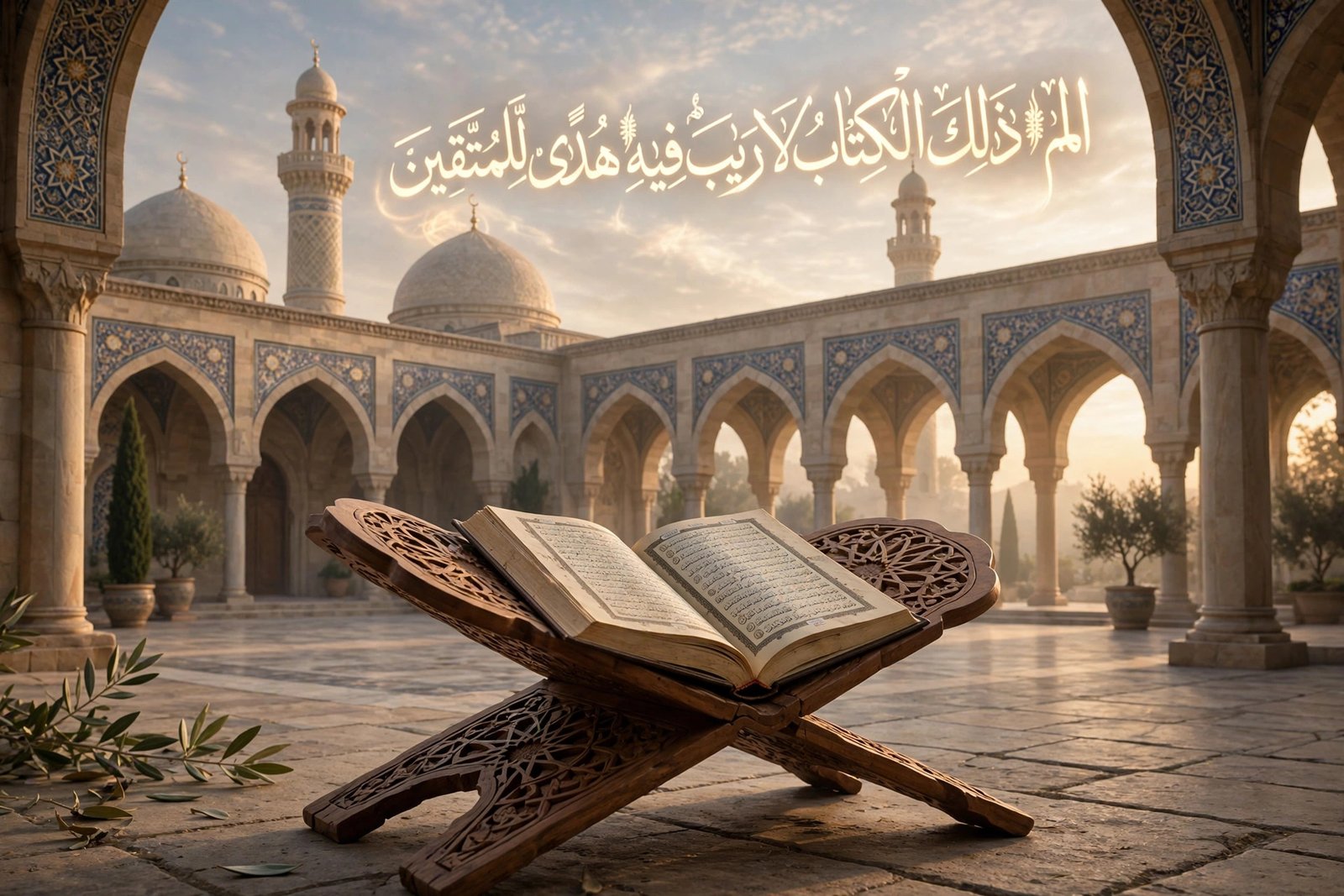
Surah Al-Baqarah is the longest chapter of the Holy Quran, and its rank is as great as its length. In 286 verses it gathers the guidance of a whole way of life — belief, worship, family, society, trade, and the stories of the Prophets — and the Beloved Prophet Muhammad ﷺ gave it names and promises that no other Surah shares. The virtues of Surah Al-Baqarah include protection of the home from Shaytan, blessing for the one who holds fast to it, and intercession on the Day of Judgement. In this complete guide, we explore the meaning, the authentic virtues, and the daily practice of Surah Al-Baqarah in the light of the Quran and Hadith, according to the creed of Aqeedah Ahle Sunnat.
Table of Contents
- What Is Surah Al-Baqarah?
- The Longest Surah of the Quran
- The Two Bright Ones — Al-Zahrawan
- Taking It Is a Blessing; Leaving It Is a Loss
- Shaytan Flees from the House
- The Last Two Verses — A Gift Written Before Creation
- Ayat al-Kursi — The Greatest Verse in the Quran
- Intercession on the Day of Judgement
- A Complete Guide for Life
- Surah Al-Baqarah in Daily Life
- Frequently Asked Questions
What Is Surah Al-Baqarah?
Surah Al-Baqarah is the second chapter of the Holy Quran and the longest Surah in the Book of Allah, with 286 verses. It was revealed in Madinah over a long period, and it is the first Surah revealed after the Hijrah of the Beloved Prophet Muhammad ﷺ to Madinah. Its name means “The Cow”, taken from the story of the cow of Bani Israel, which Allah mentions in verses 67 to 73 — a story that teaches obedience to the command of Allah without argument or delay. The Surah opens with the words “Alif Lam Meem. This is the Book about which there is no doubt, a guidance for those conscious of Allah.” (Surah Al-Baqarah 2:1-2)
From its very first verse, Surah Al-Baqarah declares what the whole Quran is: a guidance for the God-fearing. It does not begin with a story or a command, but with the certainty of the Book itself — no doubt in it, guidance within it. The scholars of Tafsir say that this Surah is the foundation of the Madani life of the Ummah: in it Allah lays down the laws of prayer, fasting, Zakat, Hajj, marriage, divorce, trade, and jihad, and He tells the stories of Sayyiduna Adam عليه السلام, Sayyiduna Ibrahim عليه السلام, Sayyiduna Musa عليه السلام, and Bani Israel, so that the Ummah may learn from those who came before. The virtues of reciting the Quran are gathered in this Surah more than in any other, because it is the longest and the most complete of all the Surahs.
At Jamia Saeedia Darul Quran, the teaching of Surah Al-Baqarah holds a special place, because the students who memorise the Quran pass through this great Surah early in their Hifz journey, and its verses shape their understanding of the whole Deen. Our Quran courses guide students of all ages through Nazra, Hifz and Tajweed, so that this blessed Surah — the longest chapter of the Book of Allah — is recited correctly, beautifully, and with understanding.
The Longest Surah of the Quran
Surah Al-Baqarah contains 286 verses, and it takes about two and a half hours to recite in full. It is longer than many whole Juz of the Quran, and it contains the greatest verse of the Quran, Ayat al-Kursi (Surah Al-Baqarah 2:255), and the longest verse of the Quran, the Verse of Debt (Surah Al-Baqarah 2:282). It also contains the last verse revealed of the whole Quran, according to many scholars: “And fear a Day when you will be returned to Allah. Then every soul will be compensated for what it earned, and they will not be treated unjustly.” (Surah Al-Baqarah 2:281) So this Surah holds both a beginning and an end — it begins the Madani revelation, and it carries the final revealed verse.
Its length is not a burden but a mercy. Allah gave this Ummah a Surah that covers every part of life, so that a believer who lives by Surah Al-Baqarah has a guide for his prayer, his fast, his charity, his family, his business, and his dealings with his neighbours. The virtues of Surah Yasin, the heart of the Quran, and the virtues of Surah Al-Fatiha, the greatest Surah in the Quran, are part of the same blessing: every Surah has its own rank, and Surah Al-Baqarah has the rank of length, completeness, and protection. It is reported from Sayyiduna Sahl ibn Sa’d رضی اللہ عنہ that the Beloved Prophet Muhammad ﷺ said: “Everything has a peak, and the peak of the Quran is Surah Al-Baqarah.” This narration is reported by at-Tabarani in al-Mu’jam al-Kabir and by Ibn Hibban in his Sahih, and the scholars have differed over the strength of its chain — but its meaning is confirmed by the authentic narrations that follow in this guide, which all point to the unique rank of this Surah.
The Two Bright Ones — Al-Zahrawan
The Beloved Prophet Muhammad ﷺ gave Surah Al-Baqarah and Surah Aal-e-Imran a special shared name: Al-Zahrawan, “the two bright ones”. Sayyiduna Abu Umamah al-Bahili رضی اللہ عنہ narrated that he heard the Messenger of Allah ﷺ say:
“Recite the Quran, for on the Day of Resurrection it will come as an intercessor for those who recite it. Recite the two bright ones, al-Baqarah and Surah Aal-e-Imran, for on the Day of Resurrection they will come as two clouds or two shades, or two flocks of birds in ranks, pleading for those who recite them.” (Sahih Muslim 804)
Think about this picture. On the Day of Judgement, when the sun will be brought near and every soul will stand in need of an advocate, these two Surahs will come forward — like two clouds giving shade, or two flocks of birds flying in ranks — and they will plead for the one who recited them. The scholars explain that the Surahs are called “bright” because of their light: Surah Al-Baqarah is full of light in its guidance, its rulings, and its stories, and its light shines for the one who holds fast to it in this world and in the next. The virtues of Surah Al-Kahf on Friday include a light that shines between two Fridays — and the light of Surah Al-Baqarah is greater still, because it is the longest Surah and the first of the two bright ones.
This hadith also teaches us that the Quran is not only a book to be read, but a companion to be kept. The Prophet ﷺ said the Quran will come as an intercessor “for those who recite it” — and the intercession of Surah Al-Baqarah is promised specifically to the one who recites it and lives by it. The one who recites it in this world will find it standing beside him in the next, pleading his case before Allah. That is why the daily duas and adhkar of a believer should always include time for the Quran, and above all for the Surahs whose intercession is promised in the authentic Hadith.
Taking It Is a Blessing; Leaving It Is a Loss
In the same hadith, the Beloved Prophet Muhammad ﷺ gave a warning and a promise about Surah Al-Baqarah in one sentence:
“Recite Surah Al-Baqarah, for to take recourse to it is a blessing, and to give it up is a cause of grief, and the magicians cannot confront it.” (Sahih Muslim 804)
“Taking it is a blessing” — the one who holds fast to Surah Al-Baqarah, reciting it, learning it, and acting upon it, receives blessing in his life, his home, his wealth, and his family. Blessing (barakah) means increase with goodness: a little becomes enough, a home becomes peaceful, and a heart becomes content. And “giving it up is a cause of grief” — the one who abandons this Surah, who never recites it and never lives by it, loses that blessing, and his loss will be a source of regret on the Day of Judgement, when he sees the reward of those who held fast to it.
Then comes the third promise, which has made Surah Al-Baqarah the first Surah that Muslims turn to for protection: “the magicians cannot confront it.” The magicians — the practitioners of sihr, black magic, and evil — cannot stand against this Surah. Its recitation breaks their spells, its light drives away their darkness, and its verses are a fortress that their evil cannot enter. This is why the scholars of the Ummah, from the time of the Sahaba Kiram رضی اللہ عنہم until today, have always prescribed the recitation of Surah Al-Baqarah as the strongest protection for a home, a family, and a person suffering from magic or evil whispers. The virtues of dhikr and the power of dua work together with the recitation of this Surah: the Quran is the greatest dhikr, and its recitation is among the most powerful duas a believer can make for the protection of his home.
Shaytan Flees from the House
One of the most famous virtues of Surah Al-Baqarah is its power to drive Shaytan out of the home. Sayyiduna Abu Hurairah رضی اللہ عنہ narrated that the Messenger of Allah ﷺ said:
“Do not make your houses as graveyards. Satan runs away from the house in which Surah Al-Baqarah is recited.” (Sahih Muslim 780)
A house in which the Quran is not recited is like a graveyard — silent, dark, and lifeless, even if its walls are beautiful and its furniture is expensive. But a house in which Surah Al-Baqarah is recited is alive: the angels visit it, mercy descends upon it, and Shaytan flees from it. The scholars explain that the apparent meaning of this hadith is the recitation of the whole Surah, not only a part of it — and the benefit is achieved whether the recitation is done by a person living in the house or played from a recording, because the words of Allah fill the house either way. The importance of Tahajjud prayer is connected to this same truth: the night prayer brings light into the home, and the recitation of Surah Al-Baqarah in the night brings protection that lasts into the day.
This is why the righteous families of the Ummah have always kept the recitation of Surah Al-Baqarah as a habit of the home. Some recite it in full once a week; some divide it across the days of the week; some play its recitation in the house every day. The exact method is flexible — what matters is that the words of Allah are heard in the home, and that Shaytan finds no place to settle there. The virtues of Ayatul Kursi, the greatest verse of the Quran, are part of this same protection: Ayat al-Kursi is verse 255 of this very Surah, and its recitation after every prayer and before sleep is a shield that the scholars have always recommended alongside the recitation of the whole Surah.
The Last Two Verses — A Gift Written Before Creation
The closing verses of Surah Al-Baqarah carry a virtue that is unique in the whole Quran. Sayyiduna Abu Mas’ud رضی اللہ عنہ narrated that the Beloved Prophet Muhammad ﷺ said:
“If somebody recited the last two Verses of Surat Al-Baqarah at night, that will be sufficient for him.” (Sahih al-Bukhari 5009; Sahih Muslim 807)
The two verses are (Surah Al-Baqarah 2:285-286), beginning with “The Messenger has believed in what was revealed to him from his Lord, and so have the believers…” and ending with “Our Lord, do not impose blame upon us if we have forgotten or erred… You are our Protector, so give us victory over the disbelieving people.” The scholars, including Imam Ibn Hajar رحمۃ اللہ علیہ in Fath al-Bari and Imam an-Nawawi رحمۃ اللہ علیہ in his commentary on Sahih Muslim, explain that “sufficient for him” carries many meanings, and it is likely that it includes all of them: the two verses suffice him in place of the night prayer, they suffice him as protection from Shaytan and from harm, and they suffice him as a recitation of the Quran for that night. A believer who is too tired or too ill to stand in Tahajjud can recite these two verses and still receive the reward and the protection of the night.
And these two verses were not an ordinary gift. Sayyiduna An-Nu’man ibn Bashir رضی اللہ عنہ narrated that the Beloved Prophet Muhammad ﷺ said:
“Indeed Allah wrote in a book two thousand years before He created the heavens and the earth, and He sent down two Ayat from it to end Surat Al-Baqarah with. If they are recited for three nights in a home, no Shaitan shall come near it.” (Jami’ at-Tirmidhi 2882 — graded Hasan)
Two thousand years before the heavens and the earth were created, Allah wrote a Book, and from that Book He sent down these two verses to close Surah Al-Baqarah. This is the honour of the last two verses: they were written before creation, revealed to the Prophet ﷺ as a special gift, and given the power to keep Shaytan away from a home for three nights. The one who recites them every night before sleep — as the virtues of Durood Sharif teach us to fill the night with the remembrance of the Prophet ﷺ — fills his home with a protection that was decreed before the world began. The Beautiful Names of Allah are remembered in these verses too: Allah is our Protector (Maulana), our Lord who does not burden a soul beyond what it can bear, and our Forgiver who pardons what we forget and what we err in.
Ayat al-Kursi — The Greatest Verse in the Quran
Inside Surah Al-Baqarah lies the greatest verse of the whole Quran: Ayat al-Kursi (Surah Al-Baqarah 2:255). Sayyiduna Ubayy ibn Ka’b رضی اللہ عنہ narrated that the Beloved Prophet Muhammad ﷺ asked him which verse of the Book of Allah is the greatest, and when he answered “Allah — there is no god but He, the Ever-Living, the Sustainer of all existence”, the Prophet ﷺ struck him on the chest and said: “May knowledge be pleasant for you, O Abu al-Mundhir.” (Sahih Muslim 810)
Ayat al-Kursi is the greatest verse because it gathers the knowledge of Allah — His Oneness, His life, His sustaining of all things, His knowledge of all that is before and behind, and His Kursi (Footstool) that extends over the heavens and the earth — in a single verse. Its recitation after every obligatory prayer, before sleep, and in times of fear is a protection that the Ummah has practised since the time of the Sahaba Kiram رضی اللہ عنہم. We have written a full guide on the virtues of Ayatul Kursi for the reader who wishes to study this verse in detail — and every virtue of that verse is also a virtue of Surah Al-Baqarah, because the verse lives inside this Surah.
Intercession on the Day of Judgement
The intercession of Surah Al-Baqarah is promised twice in the authentic Hadith. First, as we have seen, it will come on the Day of Resurrection as one of the two bright ones, pleading for those who recited it (Sahih Muslim 804). Second, the Beloved Prophet Muhammad ﷺ said that the Quran and its people will be brought forth on the Day of Resurrection, led by Surah Al-Baqarah and Surah Aal-e-Imran:
“On the Day of Resurrection the Quran and its people who used to act in accordance with it will be brought forth, preceded by Surat Al-Baqarah and Aal-e-Imran.” (Sahih Muslim 805)
Notice the words: “its people who used to act in accordance with it”. The intercession of Surah Al-Baqarah is not for the one who only keeps a copy of the Quran on a shelf, but for the one who recites it, learns it, and lives by it. The Surah leads the people of the Quran on the Day of Judgement, just as it leads the Quran in length and completeness in this world. The virtues of Surah Al-Ikhlas teach us that a short Surah can equal one-third of the Quran in reward — and the virtues of Surah Al-Baqarah teach us that the longest Surah carries the greatest intercession, because it contains the most guidance and the most commands to live by.
A Complete Guide for Life
Surah Al-Baqarah is not only a Surah of virtues and protection; it is a complete constitution for the life of a Muslim. In its 286 verses, Allah teaches the stories of the Prophets, the laws of worship, and the rules of society. The command of prayer, the fast of Ramadan, the payment of Zakat, the rites of Hajj, the laws of marriage and divorce, the rules of trade and debt, the prohibition of riba (interest), and the command of justice — all of these are laid down in this one Surah. A believer who studies Surah Al-Baqarah with its Tafsir has studied the foundations of the whole Deen.
This is why the scholars say that the one who learns Surah Al-Baqarah has learned a great part of Islam. The Surah begins with the description of the believers, the disbelievers, and the hypocrites, so that a person may know where he stands. Then it tells the story of Sayyiduna Adam عليه السلام and the angels, so that we remember our origin and our enemy, Iblis. Then it tells the long story of Bani Israel, so that we learn from their mistakes and do not repeat them. Then it gives the laws of the Ummah, one after another, until the Surah closes with the prayer of the believers: “Our Lord, do not impose blame upon us if we have forgotten or erred.” (Surah Al-Baqarah 2:286) The method of performing wudu correctly and the other acts of worship all find their basis in the guidance of this Surah and the Sunnah of the Beloved Prophet Muhammad ﷺ. To learn the Quran properly, with Tajweed and understanding, is the purpose of our Quran courses at Jamia Saeedia Darul Quran, where students of every age study the Book of Allah step by step.
Surah Al-Baqarah in Daily Life
How can a busy believer bring the virtues of Surah Al-Baqarah into daily life? The scholars suggest a simple plan. First, recite the last two verses (Surah Al-Baqarah 2:285-286) every night before sleep — it takes less than two minutes, and the Prophet ﷺ promised that they will suffice you. Second, recite Ayat al-Kursi after every prayer and before sleep. Third, make a habit of reciting the whole Surah in the home at least once a week — for example, a few pages after Fajr each day, so that the whole Surah is completed over the week, or the full recitation on Friday. Fourth, play its recitation in the home, especially if there is sickness, fear, or disturbance in the house. Fifth, study its meaning: read the translation and a simple Tafsir, even a few verses a day, so that the Surah is not only on the tongue but also in the heart.
Allah says: “So remember Me, I will remember you. Be grateful to Me and do not deny Me.” (Surah Al-Baqarah 2:152) The one who remembers Allah through the recitation of Surah Al-Baqarah is remembered by Allah — and there is no greater honour than that. Begin today: recite the last two verses tonight, and let the longest Surah of the Quran become the protection of your home, the blessing of your life, and your intercessor on the Day of Judgement.
Frequently Asked Questions
What is the greatest virtue of Surah Al-Baqarah?
The greatest virtues of Surah Al-Baqarah are that Shaytan flees from the house in which it is recited (Sahih Muslim 780), taking hold of it is a blessing while abandoning it is a cause of grief, and the magicians cannot confront it (Sahih Muslim 804). It will also intercede for its reciters on the Day of Judgement as one of the two bright ones.
Is it enough to recite only the last two verses of Surah Al-Baqarah?
The last two verses (Surah Al-Baqarah 2:285-286) carry their own special promise: whoever recites them at night, they will suffice him (Sahih al-Bukhari 5009). But the virtue of driving Shaytan from the house is attached to the recitation of the whole Surah (Sahih Muslim 780), so the believer should recite the last two verses nightly and the full Surah regularly as well.
How long does it take to recite the whole Surah Al-Baqarah?
Surah Al-Baqarah has 286 verses, and a fluent reciter takes about two to two and a half hours to recite it in full. Many believers divide it across the week — a few pages a day after Fajr or after Maghrib — so that the whole Surah is completed every week without burden.
Can I play a recording of Surah Al-Baqarah in my home instead of reciting it myself?
Yes. The scholars say the benefit of the hadith is achieved by the recitation of the Surah in the house, whether by a person living there or by a recording. However, reciting it yourself carries the additional reward of your own recitation, so the best practice is to recite what you can and to play the recitation as well.
Why is Surah Al-Baqarah called the peak of the Quran?
It is reported from Sayyiduna Sahl ibn Sa’d رضی اللہ عنہ that the Beloved Prophet Muhammad ﷺ said: “Everything has a peak, and the peak of the Quran is Surah Al-Baqarah” (reported by at-Tabarani and Ibn Hibban; scholars have differed over the strength of its chain). Its rank is confirmed by the authentic narrations: it is the longest Surah, it contains the greatest verse, Ayat al-Kursi, and it carries the promises of protection, blessing, and intercession.
Related Articles
اردو میں مکمل مضمون
سورۃ البقرہ قرآنِ پاک کی سب سے طویل سورت ہے، اور اس کی فضیلت بھی اس کی طوالت کے برابر عظیم ہے۔ اس کی 286 آیات میں پوری زندگی کی رہنمائی سما گئی ہے — عقیدہ، عبادت، خاندان، معاشرت، تجارت اور انبیاء کرام علیہم السلام کے واقعات — اور نبی اکرم صلی اللہ علیہ وآلہ وسلم نے اس سورت کو ایسے نام اور ایسی بشارتیں عطا فرمائیں جو کسی اور سورت کو نہیں ملیں۔ سورۃ البقرہ کی فضیلت میں گھر سے شیطان کا بھاگ جانا، اس پر عمل کرنے والے کے لیے برکت، اور قیامت کے دن شفاعت شامل ہے۔ اس مکمل مضمون میں ہم قرآن و حدیث کی روشنی میں، عقیدہ اہل سنت کے مطابق، سورۃ البقرہ کے معانی، مستند فضائل اور روزمرہ عمل کا جائزہ لیتے ہیں۔
فہرست مضامین
- سورۃ البقرہ کیا ہے؟
- قرآن کی سب سے طویل سورت
- دو روشن سورتیں — الزہراوین
- اسے تھامنا برکت ہے، چھوڑنا نقصان ہے
- شیطان گھر سے بھاگ جاتا ہے
- آخری دو آیات — تخلیق سے پہلے لکھا گیا تحفہ
- آیت الکرسی — قرآن کی سب سے عظیم آیت
- قیامت کے دن شفاعت
- زندگی کی مکمل رہنمائی
- روزمرہ زندگی میں سورۃ البقرہ
- اکثر پوچھے جانے والے سوالات
سورۃ البقرہ کیا ہے؟
سورۃ البقرہ قرآنِ پاک کی دوسری سورت اور کتابِ الٰہی کی سب سے طویل سورت ہے، جس کی 286 آیات ہیں۔ یہ مدینہ منورہ میں نازل ہوئی، اور یہ پہلی سورت ہے جو نبی اکرم صلی اللہ علیہ وآلہ وسلم کی ہجرتِ مدینہ کے بعد نازل ہوئی۔ اس کا نام “البقرہ” یعنی “گائے” ہے، جو بنی اسرائیل کی گائے کے واقعے سے لیا گیا ہے جس کا ذکر اللہ تعالیٰ نے آیات 67 تا 73 میں فرمایا ہے — ایک ایسا واقعہ جو اللہ کے حکم کی بلا چوں و چرا اطاعت سکھاتا ہے۔ سورت کا آغاز ان الفاظ سے ہوتا ہے: “الم۔ یہ وہ کتاب ہے جس میں کوئی شک نہیں، پرہیزگاروں کے لیے ہدایت ہے۔” (سورۃ البقرہ 2:1-2)
اپنی پہلی ہی آیت سے سورۃ البقرہ اعلان کرتی ہے کہ پورا قرآن کیا ہے: متقیوں کے لیے ہدایت۔ یہ کسی قصے یا حکم سے شروع نہیں ہوتی، بلکہ کتاب کی یقینیت سے شروع ہوتی ہے — اس میں کوئی شک نہیں، اس میں ہدایت ہے۔ مفسرین فرماتے ہیں کہ یہ سورت امت کی مدنی زندگی کی بنیاد ہے: اس میں اللہ تعالیٰ نے نماز، روزہ، زکوٰۃ، حج، نکاح، طلاق، تجارت اور جہاد کے احکام نازل فرمائے، اور حضرت آدم علیہ السلام، حضرت ابراہیم علیہ السلام، حضرت موسیٰ علیہ السلام اور بنی اسرائیل کے واقعات بیان فرمائے تاکہ امت پہلے لوگوں سے سبق سیکھے۔ تلاوتِ قرآن کی فضیلت اس سورت میں کسی بھی دوسری سورت سے زیادہ جمع ہے، کیونکہ یہ سب سے طویل اور سب سے مکمل سورت ہے۔
جامعہ سعیدیہ دارالقرآن میں سورۃ البقرہ کی تعلیم کو خاص مقام حاصل ہے، کیونکہ قرآن حفظ کرنے والے طلبہ اپنے حفظ کے سفر میں اس عظیم سورت سے جلد گزرتے ہیں، اور اس کی آیات ان کے پورے دین کی سمجھ کو شکل دیتی ہیں۔ ہمارے قرآن کورسز ہر عمر کے طلبہ کو ناظرہ، حفظ اور تجوید کی رہنمائی دیتے ہیں، تاکہ یہ مبارک سورت — کتابِ الٰہی کا سب سے طویل باب — صحیح، خوبصورت اور سمجھ کے ساتھ پڑھی جائے۔
قرآن کی سب سے طویل سورت
سورۃ البقرہ کی 286 آیات ہیں، اور اس کی مکمل تلاوت میں تقریباً ڈھائی گھنٹے لگتے ہیں۔ یہ قرآن کے کئی پاروں سے بھی لمبی ہے، اور اس میں قرآن کی سب سے عظیم آیت، آیت الکرسی (سورۃ البقرہ 2:255)، اور قرآن کی سب سے طویل آیت، آیتِ دین (سورۃ البقرہ 2:282) موجود ہیں۔ بہت سے علماء کے نزدیک اس میں قرآن کی آخری نازل ہونے والی آیت بھی ہے: “اور اس دن سے ڈرو جس دن تم اللہ کی طرف لوٹائے جاؤ گے، پھر ہر جان کو اس کے کیے کا پورا بدلہ دیا جائے گا اور ان پر ظلم نہ ہوگا۔” (سورۃ البقرہ 2:281) پس اس سورت میں آغاز بھی ہے اور انجام بھی — یہ مدنی وحی کا آغاز کرتی ہے اور آخری نازل شدہ آیت کو اپنے اندر سموئے ہوئے ہے۔
اس کی طوالت بوجھ نہیں بلکہ رحمت ہے۔ اللہ تعالیٰ نے اس امت کو ایک ایسی سورت عطا فرمائی جو زندگی کے ہر شعبے کو محیط ہے، تاکہ جو مومن سورۃ البقرہ کے مطابق زندگی گزارے اس کے پاس نماز، روزے، صدقے، خاندان، کاروبار اور پڑوسیوں سے معاملات کے لیے رہنمائی موجود ہو۔ سورۃ یٰسین کی فضیلت، جو قرآن کا دل ہے، اور سورۃ الفاتحہ کی فضیلت، جو قرآن کی سب سے عظیم سورت ہے، اسی برکت کا حصہ ہیں: ہر سورت کا اپنا مقام ہے، اور سورۃ البقرہ کا مقام طوالت، تکمیل اور حفاظت میں ہے۔ حضرت سہل بن سعد رضی اللہ عنہ سے روایت ہے کہ نبی اکرم صلی اللہ علیہ وآلہ وسلم نے فرمایا: “ہر چیز کی ایک چوٹی ہوتی ہے، اور قرآن کی چوٹی سورۃ البقرہ ہے۔” یہ روایت امام طبرانی نے المعجم الکبیر میں اور ابن حبان نے اپنی صحیح میں نقل کی ہے، اور علماء نے اس کی سند کی قوت میں اختلاف کیا ہے — لیکن اس کا مفہوم ان مستند روایات سے ثابت ہے جو اس مضمون میں آگے بیان کی گئی ہیں اور جو سب اس سورت کے منفرد مقام کی طرف اشارہ کرتی ہیں۔
دو روشن سورتیں — الزہراوین
نبی اکرم صلی اللہ علیہ وآلہ وسلم نے سورۃ البقرہ اور سورۃ آل عمران کو ایک خاص مشترکہ نام عطا فرمایا: الزہراوین یعنی “دو روشن سورتیں”۔ حضرت ابو امامہ باہلی رضی اللہ عنہ نے روایت کیا کہ انہوں نے رسول اللہ صلی اللہ علیہ وآلہ وسلم کو فرماتے سنا:
“قرآن پڑھا کرو، کیونکہ قیامت کے دن یہ اپنے پڑھنے والوں کے لیے شفاعت کرنے والا بن کر آئے گا۔ دو روشن سورتیں پڑھا کرو، البقرہ اور سورۃ آل عمران، کیونکہ قیامت کے دن یہ دو بادلوں یا دو سائبانوں یا پرندوں کے دو جھنڈوں کی صورت میں آئیں گی جو صفیں باندھے ہوئے اپنے پڑھنے والوں کے لیے سفارش کریں گی۔” (صحیح مسلم 804)
اس منظر پر غور کیجیے۔ قیامت کے دن جب سورج قریب لایا جائے گا اور ہر جان کو ایک سفارشی کی ضرورت ہوگی، یہ دو سورتیں آگے بڑھیں گی — دو بادلوں کی طرح سایہ دیتی ہوئی، یا پرندوں کے دو جھنڈوں کی طرح صفیں باندھے ہوئے — اور اپنے پڑھنے والے کی سفارش کریں گی۔ علماء فرماتے ہیں کہ ان سورتوں کو “روشن” اس لیے کہا گیا کہ ان میں نور ہے: سورۃ البقرہ اپنی ہدایت، اپنے احکام اور اپنے واقعات میں نور سے بھری ہے، اور اس کا نور اس کے پڑھنے والے کے لیے اس دنیا میں بھی چمکتا ہے اور آخرت میں بھی۔ جمعہ کے دن سورۃ الکہف کی فضیلت میں ایک ایسا نور ہے جو دو جمعوں کے درمیان چمکتا ہے — اور سورۃ البقرہ کا نور اس سے بھی بڑا ہے، کیونکہ یہ سب سے طویل سورت اور دو روشن سورتوں میں پہلی ہے۔
یہ حدیث ہمیں یہ بھی سکھاتی ہے کہ قرآن صرف پڑھنے کی کتاب نہیں، بلکہ ساتھ رکھنے والا ساتھی ہے۔ نبی اکرم صلی اللہ علیہ وآلہ وسلم نے فرمایا کہ قرآن اپنے پڑھنے والوں کے لیے شفیع بن کر آئے گا — اور سورۃ البقرہ کی شفاعت خاص طور پر اس کے لیے ہے جو اسے پڑھتا ہے اور اس پر عمل کرتا ہے۔ جو اس دنیا میں اسے پڑھتا ہے، وہ اسے آخرت میں اپنے پہلو میں کھڑا پائے گا، اللہ کے سامنے اس کی سفارش کرتا ہوا۔ اسی لیے مومن کی روزانہ دعاؤں اور اذکار میں قرآن کے لیے ہمیشہ وقت ہونا چاہیے، اور سب سے بڑھ کر ان سورتوں کے لیے جن کی شفاعت کا وعدہ مستند احادیث میں ہے۔
اسے تھامنا برکت ہے، چھوڑنا نقصان ہے
اسی حدیث میں نبی اکرم صلی اللہ علیہ وآلہ وسلم نے سورۃ البقرہ کے بارے میں ایک انتباہ اور ایک وعدہ ایک ہی جملے میں فرما دیا:
“سورۃ البقرہ پڑھا کرو، کیونکہ اسے تھامنا برکت ہے، اور اسے چھوڑ دینا حسرت کا سبب ہے، اور جادوگر اس کا مقابلہ نہیں کر سکتے۔” (صحیح مسلم 804)
“اسے تھامنا برکت ہے” — جو سورۃ البقرہ کو تھام لے، اسے پڑھے، سیکھے اور اس پر عمل کرے، اس کی زندگی، اس کے گھر، اس کے مال اور اس کے خاندان میں برکت آتی ہے۔ برکت کا مطلب ہے خیر کے ساتھ اضافہ: تھوڑا کافی ہو جاتا ہے، گھر پر سکون ہو جاتا ہے، اور دل مطمئن ہو جاتا ہے۔ اور “اسے چھوڑ دینا حسرت کا سبب ہے” — جو اس سورت کو چھوڑ دے، اسے کبھی نہ پڑھے اور اس کے مطابق زندگی نہ گزارے، وہ اس برکت سے محروم رہتا ہے، اور قیامت کے دن جب وہ اسے تھامنے والوں کا اجر دیکھے گا تو اس کا نقصان اس کے لیے حسرت کا سبب بنے گا۔
پھر تیسرا وعدہ آتا ہے جس نے سورۃ البقرہ کو حفاظت کے لیے مسلمانوں کی پہلی پسند بنا دیا ہے: “جادوگر اس کا مقابلہ نہیں کر سکتے۔” جادوگر — جادو، سحر اور برائی کرنے والے — اس سورت کے سامنے ٹھہر نہیں سکتے۔ اس کی تلاوت ان کے جادو کو توڑ دیتی ہے، اس کا نور ان کی تاریکی کو بھگا دیتا ہے، اور اس کی آیات ایک ایسا قلعہ ہیں جس میں ان کی برائی داخل نہیں ہو سکتی۔ اسی لیے امت کے علماء نے صحابہ کرام رضی اللہ عنہم کے زمانے سے آج تک ہمیشہ سورۃ البقرہ کی تلاوت کو گھر، خاندان اور جادو یا برے وسوسوں سے متاثرہ شخص کی حفاظت کے لیے سب سے مضبوط ذریعہ قرار دیا ہے۔ ذکرِ الٰہی کی فضیلت اور دعا کی طاقت اس سورت کی تلاوت کے ساتھ مل کر کام کرتے ہیں: قرآن سب سے بڑا ذکر ہے، اور اس کی تلاوت گھر کی حفاظت کے لیے سب سے طاقتور دعاؤں میں سے ہے۔
شیطان گھر سے بھاگ جاتا ہے
سورۃ البقرہ کی سب سے مشہور فضیلتوں میں سے ایک یہ ہے کہ اس کی تلاوت سے شیطان گھر سے بھاگ جاتا ہے۔ حضرت ابو ہریرہ رضی اللہ عنہ نے روایت کیا کہ رسول اللہ صلی اللہ علیہ وآلہ وسلم نے فرمایا:
“اپنے گھروں کو قبرستان نہ بناؤ۔ شیطان اس گھر سے بھاگ جاتا ہے جس میں سورۃ البقرہ پڑھی جائے۔” (صحیح مسلم 780)
جس گھر میں قرآن نہ پڑھا جائے وہ قبرستان کی طرح ہے — خاموش، تاریک اور بے جان، چاہے اس کی دیواریں کتنی ہی خوبصورت اور اس کا سامان کتنا ہی قیمتی ہو۔ لیکن جس گھر میں سورۃ البقرہ پڑھی جائے وہ زندہ ہے: فرشتے اس میں آتے ہیں، رحمت اس پر نازل ہوتی ہے، اور شیطان اس سے بھاگ جاتا ہے۔ علماء فرماتے ہیں کہ اس حدیث کا ظاہری مطلب پوری سورت کی تلاوت ہے، نہ کہ صرف اس کے کسی حصے کی — اور یہ فائدہ حاصل ہوتا ہے خواہ تلاوت گھر میں رہنے والا شخص کرے یا ریکارڈنگ سے چلائی جائے، کیونکہ اللہ کا کلام گھر کو دونوں صورتوں میں بھر دیتا ہے۔ تہجد کی نماز کی اہمیت اسی حقیقت سے جڑی ہے: رات کی نماز گھر میں نور لاتی ہے، اور رات میں سورۃ البقرہ کی تلاوت ایسی حفاظت لاتی ہے جو دن تک قائم رہتی ہے۔
اسی لیے امت کے نیک گھرانوں نے ہمیشہ سورۃ البقرہ کی تلاوت کو گھر کی عادت بنا رکھا ہے۔ کچھ لوگ اسے ہفتے میں ایک بار مکمل پڑھتے ہیں؛ کچھ اسے ہفتے کے دنوں میں تقسیم کر لیتے ہیں؛ کچھ روزانہ گھر میں اس کی تلاوت چلاتے ہیں۔ طریقہ لچکدار ہے — اہم بات یہ ہے کہ اللہ کا کلام گھر میں سنا جائے، اور شیطان کو وہاں ٹھہرنے کی جگہ نہ ملے۔ آیت الکرسی کی فضیلت، جو قرآن کی سب سے عظیم آیت ہے، اسی حفاظت کا حصہ ہے: آیت الکرسی اسی سورت کی آیت 255 ہے، اور ہر نماز کے بعد اور سونے سے پہلے اس کی تلاوت ایک ایسی ڈھال ہے جس کی علماء نے ہمیشہ پوری سورت کی تلاوت کے ساتھ سفارش کی ہے۔
آخری دو آیات — تخلیق سے پہلے لکھا گیا تحفہ
سورۃ البقرہ کی آخری آیات کی ایک ایسی فضیلت ہے جو پورے قرآن میں منفرد ہے۔ حضرت ابو مسعود رضی اللہ عنہ نے روایت کیا کہ نبی اکرم صلی اللہ علیہ وآلہ وسلم نے فرمایا:
“جس نے رات میں سورۃ البقرہ کی آخری دو آیتیں پڑھ لیں، وہ اس کے لیے کافی ہو جائیں گی۔” (صحیح البخاری 5009؛ صحیح مسلم 807)
یہ دو آیات (سورۃ البقرہ 2:285-286) ہیں، جو “رسول ایمان لایا اس پر جو اس کے رب کی طرف سے اس پر نازل کیا گیا، اور مومن بھی…” سے شروع ہوتی ہیں اور “اے ہمارے رب! اگر ہم بھول جائیں یا خطا کریں تو ہمیں نہ پکڑنا… تو ہمارا مولا ہے، پس کافروں پر ہمیں فتح عطا فرما۔” پر ختم ہوتی ہیں۔ امام ابن حجر رحمۃ اللہ علیہ نے فتح الباری میں اور امام نووی رحمۃ اللہ علیہ نے صحیح مسلم کی شرح میں فرمایا ہے کہ “کافی ہو جائیں گی” کے کئی معانی ہیں، اور غالباً یہ تمام معانی شامل ہیں: یہ دو آیتیں رات کی نماز کی جگہ کافی ہو جاتی ہیں، یہ شیطان اور نقصان سے حفاظت کے لیے کافی ہو جاتی ہیں، اور اس رات کے لیے قرآن کی تلاوت کے طور پر کافی ہو جاتی ہیں۔ جو مومن تھکاوٹ یا بیماری کی وجہ سے تہجد میں کھڑا نہ ہو سکے، وہ ان دو آیتوں کو پڑھ لے تو اسے رات کی عبادت کا اجر اور حفاظت دونوں مل جاتی ہیں۔
اور یہ دو آیتیں کوئی عام تحفہ نہیں تھیں۔ حضرت نعمان بن بشیر رضی اللہ عنہ نے روایت کیا کہ نبی اکرم صلی اللہ علیہ وآلہ وسلم نے فرمایا:
“بے شک اللہ تعالیٰ نے آسمانوں اور زمین کو پیدا کرنے سے دو ہزار سال پہلے ایک کتاب لکھی، اور اس میں سے دو آیتیں نازل فرما کر سورۃ البقرہ کو ان پر ختم فرمایا۔ جس گھر میں یہ تین راتیں پڑھی جائیں، شیطان اس کے قریب نہیں آ سکتا۔” (جامع الترمذی 2882 — حسن)
آسمانوں اور زمین کی تخلیق سے دو ہزار سال پہلے اللہ تعالیٰ نے ایک کتاب لکھی، اور اس کتاب سے یہ دو آیتیں نازل فرما کر سورۃ البقرہ کو ان پر ختم کیا۔ یہ ہے ان آخری دو آیتوں کا اعزاز: وہ تخلیق سے پہلے لکھی گئیں، نبی اکرم صلی اللہ علیہ وآلہ وسلم کو خاص تحفے کے طور پر عطا کی گئیں، اور انہیں یہ طاقت دی گئی کہ وہ تین راتوں تک گھر سے شیطان کو دور رکھیں۔ جو شخص ہر رات سونے سے پہلے انہیں پڑھتا ہے — جیسے درود شریف کی فضیلت ہمیں سکھاتی ہے کہ رات کو نبی اکرم صلی اللہ علیہ وآلہ وسلم کی یاد سے بھر دیا جائے — وہ اپنے گھر کو ایسی حفاظت سے بھر دیتا ہے جو دنیا کی تخلیق سے پہلے مقرر کر دی گئی تھی۔ اللہ کے خوبصورت نام بھی ان آیات میں یاد کیے گئے ہیں: اللہ ہمارا مولا و محافظ ہے، ہمارا رب ہے جو کسی جان پر اس کی طاقت سے زیادہ بوجھ نہیں ڈالتا، اور ہمارا بخشنے والا ہے جو ہماری بھول اور خطا کو معاف فرماتا ہے۔
آیت الکرسی — قرآن کی سب سے عظیم آیت
سورۃ البقرہ کے اندر قرآن کی سب سے عظیم آیت موجود ہے: آیت الکرسی (سورۃ البقرہ 2:255)۔ حضرت ابی بن کعب رضی اللہ عنہ نے روایت کیا کہ نبی اکرم صلی اللہ علیہ وآلہ وسلم نے ان سے پوچھا کہ کتابِ اللہ کی سب سے عظیم آیت کون سی ہے، اور جب انہوں نے جواب دیا “اللہ — اس کے سوا کوئی معبود نہیں، وہ زندہ ہے، سب کو قائم رکھنے والا ہے”، تو نبی اکرم صلی اللہ علیہ وآلہ وسلم نے ان کے سینے پر ہاتھ مارا اور فرمایا: “اے ابو المنذر! تمہیں علم مبارک ہو۔” (صحیح مسلم 810)
آیت الکرسی سب سے عظیم آیت اس لیے ہے کہ اس میں اللہ کی معرفت ایک ہی آیت میں سما گئی ہے — اس کی وحدانیت، اس کی حیات، اس کا سب چیزوں کو قائم رکھنا، اس کا آگے اور پیچھے سب کچھ جاننا، اور اس کی کرسی جو آسمانوں اور زمین پر محیط ہے۔ ہر فرض نماز کے بعد، سونے سے پہلے، اور خوف کے وقت اس کی تلاوت ایک ایسی حفاظت ہے جس پر امت صحابہ کرام رضی اللہ عنہم کے زمانے سے عمل کرتی آ رہی ہے۔ ہم نے آیت الکرسی کی فضیلت پر ایک مکمل مضمون لکھا ہے، جس میں قاری اس آیت کو تفصیل سے پڑھ سکتا ہے — اور اس آیت کی ہر فضیلت سورۃ البقرہ کی فضیلت بھی ہے، کیونکہ یہ آیت اسی سورت کے اندر ہے۔
قیامت کے دن شفاعت
سورۃ البقرہ کی شفاعت کا وعدہ مستند احادیث میں دو بار آیا ہے۔ پہلا، جیسا کہ ہم نے دیکھا، یہ قیامت کے دن دو روشن سورتوں میں سے ایک بن کر آئے گی اور اپنے پڑھنے والوں کے لیے سفارش کرے گی (صحیح مسلم 804)۔ دوسرا، نبی اکرم صلی اللہ علیہ وآلہ وسلم نے فرمایا کہ قیامت کے دن قرآن اور اس کے اہل کو لایا جائے گا، اور ان کے آگے سورۃ البقرہ اور سورۃ آل عمران ہوں گی:
“قیامت کے دن قرآن اور اس کے وہ اہل جو اس پر عمل کرتے تھے، لائے جائیں گے، اور ان کے آگے سورۃ البقرہ اور سورۃ آل عمران ہوں گی۔” (صحیح مسلم 805)
الفاظ پر غور کیجیے: “اس کے وہ اہل جو اس پر عمل کرتے تھے”۔ سورۃ البقرہ کی شفاعت اس کے لیے نہیں ہے جو صرف قرآن کی جلد کو طاق پر رکھے، بلکہ اس کے لیے ہے جو اسے پڑھتا ہے، سیکھتا ہے اور اس پر عمل کرتا ہے۔ یہ سورت قیامت کے دن اہلِ قرآن کی قیادت کرے گی، جیسے اس دنیا میں یہ قرآن میں طوالت اور تکمیل میں سب سے آگے ہے۔ سورۃ الاخلاص کی فضیلت ہمیں سکھاتی ہے کہ ایک چھوٹی سورت اجر میں قرآن کے ایک تہائی کے برابر ہو سکتی ہے — اور سورۃ البقرہ کی فضیلت ہمیں سکھاتی ہے کہ سب سے طویل سورت کی شفاعت سب سے بڑی ہے، کیونکہ اس میں سب سے زیادہ ہدایت اور سب سے زیادہ احکام ہیں۔
زندگی کی مکمل رہنمائی
سورۃ البقرہ صرف فضائل اور حفاظت کی سورت نہیں ہے؛ یہ مسلمان کی زندگی کے لیے ایک مکمل دستور ہے۔ اس کی 286 آیات میں اللہ تعالیٰ نے انبیاء کے واقعات، عبادت کے احکام اور معاشرے کے قوانین بیان فرمائے ہیں۔ نماز کا حکم، رمضان کا روزہ، زکوٰۃ کی ادائیگی، حج کے مناسک، نکاح و طلاق کے احکام، تجارت و قرض کے قوانین، سود کی حرمت اور عدل کا حکم — یہ سب اسی ایک سورت میں نازل ہوئے ہیں۔ جو مومن تفسیر کے ساتھ سورۃ البقرہ پڑھ لے، اس نے پورے دین کی بنیادیں پڑھ لیں۔
اسی لیے علماء فرماتے ہیں کہ جس نے سورۃ البقرہ سیکھ لی، اس نے اسلام کا بڑا حصہ سیکھ لیا۔ سورت کا آغاز مومنین، کافرین اور منافقین کی پہچان سے ہوتا ہے، تاکہ انسان جان سکے کہ وہ کہاں کھڑا ہے۔ پھر حضرت آدم علیہ السلام اور فرشتوں کا واقعہ آتا ہے، تاکہ ہم اپنی اصل اور اپنے دشمن ابلیس کو یاد رکھیں۔ پھر بنی اسرائیل کا طویل واقعہ آتا ہے، تاکہ ہم ان کی غلطیوں سے سبق سیکھیں اور انہیں نہ دہرائیں۔ پھر امت کے احکام ایک کے بعد ایک بیان ہوتے ہیں، یہاں تک کہ سورت مومنین کی دعا پر ختم ہوتی ہے: “اے ہمارے رب! اگر ہم بھول جائیں یا خطا کریں تو ہمیں نہ پکڑنا۔” (سورۃ البقرہ 2:286) وضو کا صحیح طریقہ اور دیگر عبادات کی بنیاد اسی سورت کی ہدایت اور نبی اکرم صلی اللہ علیہ وآلہ وسلم کی سنت میں ہے۔ قرآن کو تجوید اور سمجھ کے ساتھ سیکھنا ہی ہمارے قرآن کورسز کا مقصد ہے، جہاں ہر عمر کے طلبہ قدم بہ قدم کتابِ اللہ پڑھتے ہیں۔
روزمرہ زندگی میں سورۃ البقرہ
ایک مصروف مومن سورۃ البقرہ کی فضیلتوں کو روزمرہ زندگی میں کیسے لائے؟ علماء ایک سادہ منصوبہ بتاتے ہیں۔ پہلا، ہر رات سونے سے پہلے آخری دو آیات (سورۃ البقرہ 2:285-286) پڑھیں — اس میں دو منٹ سے بھی کم وقت لگتا ہے، اور نبی اکرم صلی اللہ علیہ وآلہ وسلم نے وعدہ فرمایا ہے کہ وہ آپ کے لیے کافی ہو جائیں گی۔ دوسرا، ہر نماز کے بعد اور سونے سے پہلے آیت الکرسی پڑھیں۔ تیسرا، پورے ہفتے میں کم از کم ایک بار گھر میں مکمل سورت پڑھنے کی عادت بنائیں — مثلاً فجر کے بعد روزانہ چند صفحات، تاکہ ہفتے میں پوری سورت مکمل ہو جائے، یا جمعہ کے دن مکمل تلاوت کریں۔ چوتھا، گھر میں اس کی تلاوت چلائیں، خاص طور پر جب گھر میں بیماری، خوف یا بے چینی ہو۔ پانچواں، اس کے معنی پڑھیں: ترجمہ اور آسان تفسیر روزانہ چند آیات ہی سہی، تاکہ سورت صرف زبان پر نہ ہو بلکہ دل میں بھی ہو۔
اللہ تعالیٰ فرماتا ہے: “پس تم مجھے یاد کرو، میں تمہیں یاد کروں گا۔ میرا شکر ادا کرو اور میری ناشکری نہ کرو۔” (سورۃ البقرہ 2:152) جو اللہ کو سورۃ البقرہ کی تلاوت سے یاد کرتا ہے، اللہ اسے یاد فرماتا ہے — اور اس سے بڑا اعزاز کوئی نہیں۔ آج سے شروع کیجیے: آج رات آخری دو آیتیں پڑھیے، اور قرآن کی سب سے طویل سورت کو اپنے گھر کی حفاظت، اپنی زندگی کی برکت اور قیامت کے دن اپنی شفاعت بنائیے۔
اکثر پوچھے جانے والے سوالات
سورۃ البقرہ کی سب سے بڑی فضیلت کیا ہے؟
سورۃ البقرہ کی سب سے بڑی فضیلتیں یہ ہیں کہ شیطان اس گھر سے بھاگ جاتا ہے جس میں یہ پڑھی جائے (صحیح مسلم 780)، اسے تھامنا برکت ہے جبکہ اسے چھوڑ دینا حسرت کا سبب ہے، اور جادوگر اس کا مقابلہ نہیں کر سکتے (صحیح مسلم 804)۔ قیامت کے دن یہ اپنے پڑھنے والوں کے لیے دو روشن سورتوں میں سے ایک بن کر شفاعت کرے گی۔
کیا صرف آخری دو آیات پڑھنا کافی ہے؟
آخری دو آیات (سورۃ البقرہ 2:285-286) کا اپنا خاص وعدہ ہے: جو انہیں رات میں پڑھ لے، وہ اس کے لیے کافی ہو جائیں گی (صحیح البخاری 5009)۔ لیکن گھر سے شیطان کو بھگانے کی فضیلت پوری سورت کی تلاوت سے وابستہ ہے (صحیح مسلم 780)، اس لیے مومن کو چاہیے کہ آخری دو آیات ہر رات پڑھے اور پوری سورت بھی باقاعدگی سے پڑھے۔
پوری سورۃ البقرہ پڑھنے میں کتنا وقت لگتا ہے؟
سورۃ البقرہ کی 286 آیات ہیں، اور روانی سے پڑھنے والے کو اس کی مکمل تلاوت میں تقریباً دو سے ڈھائی گھنٹے لگتے ہیں۔ بہت سے مومنین اسے ہفتے میں تقسیم کر لیتے ہیں — فجر یا مغرب کے بعد روزانہ چند صفحات — تاکہ ہفتے میں پوری سورت بغیر بوجھ کے مکمل ہو جائے۔
کیا گھر میں سورۃ البقرہ کی ریکارڈنگ چلانا کافی ہے؟
جی ہاں۔ علماء فرماتے ہیں کہ حدیث کا فائدہ گھر میں سورت کی تلاوت سے حاصل ہوتا ہے، خواہ گھر میں رہنے والا شخص خود پڑھے یا ریکارڈنگ چلائی جائے۔ تاہم خود پڑھنے میں آپ کی اپنی تلاوت کا اضافی اجر بھی ہے، اس لیے بہترین طریقہ یہ ہے کہ جتنا ہو سکے خود پڑھیں اور تلاوت چلائیں بھی۔
سورۃ البقرہ کو قرآن کی چوٹی کیوں کہا گیا؟
حضرت سہل بن سعد رضی اللہ عنہ سے روایت ہے کہ نبی اکرم صلی اللہ علیہ وآلہ وسلم نے فرمایا: “ہر چیز کی ایک چوٹی ہوتی ہے، اور قرآن کی چوٹی سورۃ البقرہ ہے” (طبرانی اور ابن حبان نے روایت کیا؛ علماء نے اس کی سند کی قوت میں اختلاف کیا ہے)۔ اس کا مقام مستند روایات سے ثابت ہے: یہ سب سے طویل سورت ہے، اس میں سب سے عظیم آیت آیت الکرسی ہے، اور اس میں حفاظت، برکت اور شفاعت کے وعدے ہیں۔

Leave A Comment