

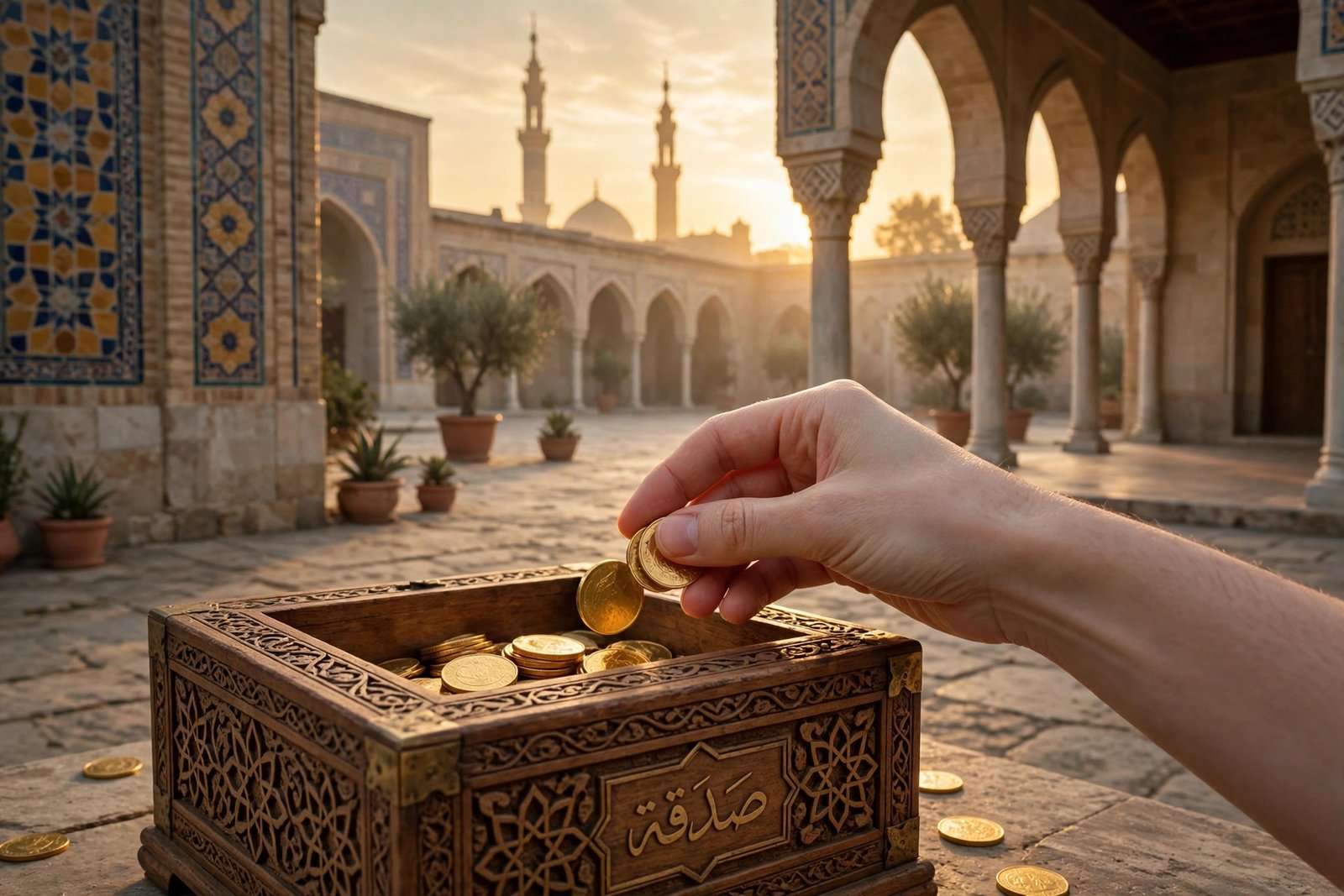
Sadaqah charity in Islam is one of the most beloved acts of worship in the sight of Allah, and its reward is greater than the human mind can imagine. The Quran promises that the one who gives in the way of Allah will see his charity multiplied many times over, and the Prophet Muhammad ﷺ taught that charity never decreases wealth — rather, it increases it, purifies it, and protects the giver in this world and in the Hereafter. In this article, we explore what sadaqah truly means, what the Quran and Hadith say about its virtues, the different types of sadaqah including the ongoing charity that continues after death, the manners of giving, and the practical steps by which every believer — rich or poor — can give sadaqah every single day.
Table of Contents
- What Is Sadaqah?
- Sadaqah in the Holy Quran
- The Virtues and Rewards of Sadaqah
- Sadaqah Jariyah: Charity That Never Ends
- Types of Sadaqah: More Than Just Money
- The Adab (Manners) of Giving Sadaqah
- Who Deserves Sadaqah the Most?
- Sadaqah as Protection from Calamity
- Sadaqah and Zakat: Understanding the Difference
- How to Give Sadaqah Every Day — Practical Steps
- Frequently Asked Questions
What Is Sadaqah?
The word sadaqah comes from the Arabic root sidq, which means truthfulness. Sadaqah is therefore not merely the giving of money — it is a proof of the truthfulness of a believer’s faith. When a person gives from what he loves for the sake of Allah, his giving testifies that his faith is true and his love for Allah is real. Unlike Zakat, which is an obligatory charity with fixed rules, a fixed rate, and fixed recipients, sadaqah is voluntary: it may be given at any time, in any amount, to any person in need, and in many forms beyond money. The halal earnings in Islam are the foundation of accepted charity, for Allah only accepts what is pure, and the believer must earn lawfully before he gives — yet sadaqah itself is so wide that even a smile, a kind word, or removing a harmful thing from the road is counted as sadaqah, as we shall see.
The scholars of Ahl al-Sunnat have always taught that sadaqah is the companion of faith: the Quran mentions prayer and charity together again and again, for the one who truly believes in Allah and the Last Day cannot keep his wealth locked away while his brother goes hungry. Allah says in the Quran: “The example of those who spend their wealth in the way of Allah is like a seed of grain which grows seven spikes; in each spike is a hundred grains. And Allah multiplies His reward for whom He wills.” (Al-Baqarah 2:261). One grain becomes seven hundred — and Allah multiplies even beyond that for whom He wills. This is the trade that never loses: the believer gives a little of what Allah gave him, and Allah returns it multiplied in this world and, far more, in the Hereafter.
Sadaqah in the Holy Quran
The Holy Quran speaks about charity in more than sixty places, and every mention carries a promise, a warning, or a glad tiding. Allah commands the believers: “Spend from what We have provided you before death comes to one of you and he says, ‘My Lord, if only You would delay me for a brief term so I would give charity and be among the righteous.'” (Al-Munafiqun 63:10). This verse should make every heart tremble: the dying person will wish for only one thing — a little more time, so that he could give charity. Not to pray more, not to fast more, but to give — because at that moment, he will see with his own eyes what charity was truly worth.
Allah also promises: “Whatever you spend of good, it will be repaid to you in full, and you will not be wronged.” (Al-Baqarah 2:272). And He commands the believers to give from the best of what they have, not from the leftovers: “O you who have believed, spend from the good things which you have earned and from that which We have produced for you from the earth. And do not aim toward the defective therefrom, spending from it while you would not take it yourselves except with closed eyes.” (Al-Baqarah 2:267). The believer does not give what he himself would refuse to accept; he gives what he loves. Allah says: “Never will you attain righteousness until you spend from that which you love.” (Aal-e-Imran 3:92). This is why Sayyiduna Abu Talha رضی اللہ عنہ, one of the Companions of the Prophet Muhammad ﷺ, gave away his most beloved garden, Bayruha, when this verse was revealed — because he wanted the righteousness that Allah had promised. The gratitude (shukr) in Islam is closely tied to giving, for the one who is grateful for Allah’s blessings shares them with others, and the one who shares them finds his blessings increased.
The Quran also teaches that charity given in secret is better than charity given openly, though both are rewarded: “If you disclose your charitable expenditures, they are good; but if you conceal them and give them to the poor, it is better for you, and He will remove from you some of your misdeeds.” (Al-Baqarah 2:271). And Allah describes the best givers: “Those who spend their wealth in the way of Allah by night and by day, secretly and publicly — they will have their reward with their Lord. And no fear will there be concerning them, nor will they grieve.” (Al-Baqarah 2:274). Night and day, secret and open — the true giver gives in every state, for his heart is attached to Allah, not to the praise of people.
The Virtues and Rewards of Sadaqah
The Hadith literature is filled with glad tidings for the giver of sadaqah. The Prophet Muhammad ﷺ said: “Charity does not decrease wealth.” (Sahih Muslim 2588). This is a promise from the one who never speaks from his own desire — the believer who gives does not lose; his wealth is blessed, his provision is increased, and his heart is purified. The Prophet Muhammad ﷺ also said: “The believer’s shade on the Day of Resurrection will be his charity.” (Jami` at-Tirmidhi 604). On the Day when the sun will be brought near and there will be no shade except the shade of Allah, the charity of the believer will stand over him like a shelter, protecting him from the heat of that terrible Day.
Another famous narration describes how Allah Himself nurtures the charity of the believer: “Whoever gives charity equal to a date from lawful earnings — and Allah only accepts what is lawful — Allah accepts it with His right hand and nurtures it for him, just as one of you nurtures his foal, until it becomes like a mountain.” (Sahih al-Bukhari 1410). A single date, given sincerely from lawful earnings, grows in the sight of Allah until it is like a mountain. And the Prophet Muhammad ﷺ said: “Save yourselves from the Fire, even if it be with half a date.” (Sahih al-Bukhari 1417). Even half a date — the smallest gift — can be the means of salvation from the Fire. This is why the power of dua in Islam and the virtue of charity are so often mentioned together: the believer who gives and then asks Allah for acceptance has combined two of the most beloved deeds in the sight of his Lord.
The Prophet Muhammad ﷺ also said: “Charity extinguishes sin as water extinguishes fire.” (Jami` at-Tirmidhi 614). Just as water puts out a blazing fire, charity wipes away the sins of the believer. And he ﷺ said: “Indeed, charity extinguishes the anger of the Lord and protects against an evil death.” (Jami` at-Tirmidhi 664). The giver finds that Allah’s anger is turned away from him, and his end is made good. These are not small promises — they are the glad tidings that should make every believer rush to give, even from the little that he has, for the reward does not depend on the size of the gift, but on the sincerity of the heart that gives it.
Sadaqah Jariyah: Charity That Never Ends
Of all the forms of sadaqah, the most precious is sadaqah jariyah — the ongoing charity whose reward continues even after the giver has died. The Prophet Muhammad ﷺ said: “When a man dies, his deeds come to an end except for three: ongoing charity, knowledge that benefits, or a righteous child who prays for him.” (Sahih Muslim 1631). Notice that of the three things that continue after death, the first is ongoing charity: the well that is dug, the mosque that is built, the Quran that is given, the school that is founded, the tree that is planted — every person who drinks from that well, prays in that mosque, reads that Quran, or learns in that school adds to the reward of the one who gave, long after his hands can no longer act.
This is the greatest investment a believer can make, for every other investment ends at death, but sadaqah jariyah continues in the grave. The believer who builds a masjid has built a house for himself in Paradise, for the Prophet Muhammad ﷺ said: “Whoever builds a mosque for Allah, Allah will build for him a house in Paradise.” (Sahih al-Bukhari 450). And the believer who gives a copy of the Holy Quran, or teaches a child to recite it, earns the reward of every letter that child recites for the rest of his life. This is why the Quran courses at Jamia Saeedia Darul Quran are themselves a form of sadaqah jariyah: every student who learns Nazra, Tajweed, and Hifz through them becomes a living charity for those who made that learning possible. And the importance of seeking knowledge in Islam is tied to this same promise, for beneficial knowledge is the second of the three deeds that never end.
Every believer should think carefully about his own sadaqah jariyah: a hand pump in a village without water, a set of Qurans for a masjid, the sponsorship of an orphan’s education, a fruit tree planted by the roadside. These are deeds that cost little in this world and earn endlessly in the next. The wise believer does not wait until he is rich to begin; he begins with whatever he has, for the Prophet Muhammad ﷺ praised the one who gives even a little, and Allah multiplies the little until it becomes much.
Types of Sadaqah: More Than Just Money
Many people think that sadaqah means only giving money, and that only the rich can give it. This is not true. The Prophet Muhammad ﷺ said: “Charity is due upon every joint of a person each day the sun rises.” (Sahih al-Bukhari 2989). Every joint of the body owes charity every day — and the Prophet Muhammad ﷺ then explained how this charity is paid: every utterance of SubhanAllah is charity, every Alhamdulillah is charity, every La ilaha illAllah is charity, every Allahu Akbar is charity, enjoining good is charity, forbidding evil is charity, and two rak’ahs of Duha prayer suffice for all of it. The virtues of dhikr in Islam are therefore also the virtues of sadaqah, for every remembrance of Allah is itself a charity that the poorest believer can give.
The Prophet Muhammad ﷺ also said: “Your smile in the face of your brother is charity, your enjoining good and forbidding evil is charity, your guiding a man in a land where he is lost is charity, your removing a stone, a thorn, or a bone from the road is charity, and your pouring water from your bucket into your brother’s bucket is charity.” (Jami` at-Tirmidhi 1956). Look at the beauty of this teaching: a smile costs nothing, yet it is charity. Removing a harmful thing from the road costs nothing, yet it is charity. Guiding a lost traveller costs nothing, yet it is charity. The door of sadaqah is open to every believer, in every condition, at every moment. And the Prophet Muhammad ﷺ said: “Every act of kindness is charity.” (Sahih al-Bukhari 6021). The kindness shown to one’s family, the patience shown to a difficult neighbour, the forgiveness shown to one who wronged you — all of it is written as charity in the sight of Allah.
Among the noblest types of sadaqah is the charity given to one’s own family. The Prophet Muhammad ﷺ said: “When a man spends on his family, seeking reward from Allah, it is counted as charity for him.” (Sahih al-Bukhari 55). The food placed before one’s wife and children, the clothes bought for them, the home provided for them — all of it, when given with the intention of pleasing Allah, is sadaqah. And the rights of parents in Islam remind us that spending on one’s parents is among the greatest of charities, for the parents are the most deserving of the believer’s kindness after Allah and His Messenger ﷺ. The charity given to relatives carries a double reward — the reward of charity and the reward of joining the ties of kinship — and the believer who gives to his needy relative has earned both.
The Adab (Manners) of Giving Sadaqah
Sadaqah in Islam is not merely the act of giving; it has manners that protect its reward, and the believer who neglects them may lose the very reward he sought. The first manner is sincerity (ikhlas): the believer gives for the sake of Allah alone, not for praise, not for reputation, and not so that people will call him generous. Allah says: “O you who have believed, do not invalidate your charities with reminders of your generosity or with injury, as does one who spends his wealth only to be seen by people and does not believe in Allah and the Last Day.” (Al-Baqarah 2:264). The charity that is followed by reminding the poor person of the favour, or by hurting him with words, is destroyed — its reward is lost, even though the money reached its destination.
The second manner is secrecy. The Prophet Muhammad ﷺ described the seven people whom Allah will shade on the Day when there is no shade but His, and among them is “a man who gives charity and conceals it, so that his left hand does not know what his right hand has given.” (Sahih al-Bukhari 660). The secret gift is more beloved to Allah, for it is free from the desire for praise. The third manner is to give from lawful earnings, for Allah is Pure and accepts only what is pure, as the Hadith of the date teaches us. The fourth manner is to give from what one loves, as Allah commanded in Surah Aal-e-Imran (3:92). The fifth manner is to give cheerfully and without delay: the believer does not wait until he is rich, nor does he give grudgingly, for Allah loves the cheerful giver. And the sixth manner is humility toward the one who receives: the giver must remember that the poor person is doing him a favour by accepting his charity, for the charity will carry the giver to Paradise while the giver’s wealth would otherwise have been left behind. This is where patience (sabr) in difficult times also teaches the giver: the believer who gives in hardship, when his own need is great, has shown the truest patience and the truest trust in Allah.
Who Deserves Sadaqah the Most?
The Quran lists the people most deserving of charity in the verse of Zakat, and the scholars explain that the same order of priority guides voluntary sadaqah as well: “Charities are only for the poor, the needy, those employed to administer them, those whose hearts are to be reconciled, for freeing captives, for those in debt, for the cause of Allah, and for the stranded traveller.” (At-Tawbah 9:60). The poor and the needy come first, and among them, the relatives come before strangers, for the Prophet Muhammad ﷺ said that charity to a poor relative earns a double reward. The orphan holds a special place: the Prophet Muhammad ﷺ said: “I and the guardian of an orphan will be in Paradise like these two fingers” — and he held his index and middle fingers together. (Sahih al-Bukhari 6005). Whoever sponsors an orphan, feeds him, clothes him, and raises him with kindness will be as close to the Prophet Muhammad ﷺ in Paradise as two fingers of one hand.
The neighbour is also among the most deserving. The Prophet Muhammad ﷺ said: “Jibreel kept advising me about the neighbour until I thought he would make him an heir.” (Sahih al-Bukhari 6014). The kindness to neighbours in Islam is therefore a duty that the believer must not neglect: the hungry neighbour must be fed before the distant stranger, for the Prophet Muhammad ﷺ said: “He is not a believer who eats his fill while his neighbour goes hungry beside him.” (Al-Adab Al-Mufrad 112). The traveller who is stranded, the debtor who cannot pay, the widow who has no provider, the student of knowledge who has no means — all of these are deserving, and the believer should look first to those nearest to him: his family, his relatives, his neighbours, and then the wider Ummah. The Islamic upbringing of children also begins here, for the child who sees his parents giving to the poor grows up with a heart that loves to give.
Sadaqah as Protection from Calamity
The scholars of Ahl al-Sunnat have always taught that sadaqah is a shield: it protects the believer from calamity in this world and from punishment in the Hereafter. The Prophet Muhammad ﷺ said: “Give charity without delay, for it stands in the way of calamity.” This is why the believer who hears of a calamity, an illness, or a difficulty rushes to give sadaqah on behalf of himself and his family — for charity is a means by which Allah lifts trials and turns away harm. The Prophet Muhammad ﷺ also said: “Treat your sick ones with charity,” and the believers have practised this for fourteen centuries: when a loved one falls ill, they give sadaqah and ask Allah for healing, for the One who removes the illness is Allah, and charity is among the means by which His mercy is drawn near.
The protection of sadaqah also reaches the grave. The Prophet Muhammad ﷺ said: “The believer’s shade on the Day of Resurrection will be his charity.” (Jami` at-Tirmidhi 604). And on the Day when every person will wish he had given more, the charity will speak for its giver. The one who gave in secret will find his secret gift shining in the darkness of the grave, and the one who gave openly for the sake of Allah will find his gift multiplied beyond counting. The tawbah — repentance in Islam — is also tied to charity, for the believer who has wronged others or fallen into sin should hasten to give sadaqah along with his repentance, since charity extinguishes sin as water extinguishes fire (Jami` at-Tirmidhi 614), and the repentance that is accompanied by good deeds is the repentance that Allah loves most.
Sadaqah and Zakat: Understanding the Difference
Many believers confuse sadaqah with Zakat, but they are different obligations with different rules. Zakat is the third pillar of Islam: it is obligatory upon every Muslim who owns wealth above the nisab (the minimum threshold) for a full lunar year, at the fixed rate of 2.5% of that wealth, and it must be given to the eight categories named in the Quran (At-Tawbah 9:60). Zakat has fixed rules because it is a right of the poor upon the wealth of the rich — it is not a favour, but a duty, and the one who withholds it has withheld what belongs to others.
Sadaqah, by contrast, is voluntary: there is no minimum amount, no fixed rate, no fixed time, and no restricted list of recipients. It may be given to Muslims and, according to the scholars, also to non-Muslims in need, for the Quran praises those who feed the poor, the orphan, and the captive for the sake of Allah alone. It may be given in money, in food, in clothing, in knowledge, in time, or in a smile. Zakat purifies the wealth; sadaqah purifies the heart. Zakat is the duty; sadaqah is the love that goes beyond duty. The believer fulfils his Zakat with care and exactness, and then he gives sadaqah freely, out of love for Allah and compassion for His creation, knowing that every coin he gives is recorded, multiplied, and waiting for him on the Day when wealth will be of no use except the wealth that was spent in the way of Allah. Those who wish to learn the rulings of Zakat and worship in detail may study the daily duas taught at Jamia Saeedia Darul Quran and the courses of the Jamia, for the correct knowledge of worship is the foundation upon which every act of charity must stand.
How to Give Sadaqah Every Day — Practical Steps
Every believer can give sadaqah every day, whatever his situation. Here is a practical plan.
1. Fix a Daily Amount, Even If Small
Set aside a small, fixed amount every day — even a few rupees — in a sadaqah box at home. The Prophet Muhammad ﷺ said: “The most beloved deeds to Allah are the most consistent, even if they are small.” (Sahih al-Bukhari 6464). A small daily charity, kept for years, is more beloved to Allah than a large gift given once and forgotten. When the box is full, give it to a poor person, a masjid, or an orphan — and begin again.
2. Give a Smile, a Kind Word, and a Helping Hand
Remember that your smile is charity, your kind word is charity, and removing harm from the road is charity (Jami` at-Tirmidhi 1956). The believer who has no money is not excused from sadaqah: he gives with his tongue, his hands, and his heart. Teach your children this lesson, and let them see you giving — for the child who grows up watching his parents give will grow up giving too.
3. Start a Sadaqah Jariyah Today
Choose one ongoing charity and begin it now: sponsor an orphan’s education, place a Quran in a masjid, dig a well, or plant a tree. The Quran courses at Jamia Saeedia Darul Quran make it easy to support the teaching of the Holy Quran, and every student who learns through them becomes a continuing reward for the one who supported that teaching.
4. Give in Secret and Give in the Morning
Give at the start of the day, so that the angels pray for you: the Prophet Muhammad ﷺ said that every morning two angels descend, one saying, “O Allah, give to the one who spends,” and the other saying, “O Allah, destroy the wealth of the one who withholds.” (Sahih al-Bukhari 1442). Give in secret, so that your left hand does not know what your right hand has given, and your reward is kept pure for the sake of Allah alone.
5. Give from What You Love
Do not give only what you no longer need. Give the food you would eat, the clothes you would wear, and the money you would keep — for Allah said: “Never will you attain righteousness until you spend from that which you love.” (Aal-e-Imran 3:92). The honesty in Islam also applies to giving: the believer is honest with Allah about his intentions, honest with himself about his wealth, and honest with the poor about the quality of what he gives.
Frequently Asked Questions
What is the difference between sadaqah and Zakat?
Zakat is obligatory: it is the third pillar of Islam, due at 2.5% on wealth above the nisab held for a full lunar year, and payable only to the eight categories named in the Quran (At-Tawbah 9:60). Sadaqah is voluntary: it may be given at any time, in any amount, to any person in need, and in many forms beyond money — including a smile, a kind word, or removing harm from the road.
Does sadaqah really not decrease wealth?
Yes. The Prophet Muhammad ﷺ said: “Charity does not decrease wealth.” (Sahih Muslim 2588). Allah promises in the Quran that whatever is spent in His way will be repaid in full (Al-Baqarah 2:272), and the parable of the grain shows one seed growing into seven hundred (Al-Baqarah 2:261). The decrease that the eye sees is replaced by blessing, increase, and protection that the eye cannot see.
What is sadaqah jariyah?
Sadaqah jariyah is ongoing charity whose reward continues after the giver’s death. The Prophet Muhammad ﷺ said that when a person dies, his deeds end except for three: ongoing charity, beneficial knowledge, or a righteous child who prays for him (Sahih Muslim 1631). Examples include building a masjid, digging a well, giving a Quran, sponsoring an orphan’s education, and planting a tree.
Can a poor person give sadaqah?
Yes. The Prophet Muhammad ﷺ taught that every act of kindness is charity (Sahih al-Bukhari 6021): a smile, a kind word, guiding a lost traveller, removing harm from the road, and every utterance of SubhanAllah, Alhamdulillah, and Allahu Akbar are all charity (Sahih al-Bukhari 2989). The door of sadaqah is open to every believer, rich or poor.
Is it better to give sadaqah secretly or openly?
Both are rewarded, but the Quran says that giving in secret is better: “If you conceal them and give them to the poor, it is better for you.” (Al-Baqarah 2:271). The Prophet Muhammad ﷺ counted the one who gives in secret among the seven shaded by Allah on the Day of Resurrection (Sahih al-Bukhari 660). Open giving is also good when it encourages others to give — but the intention must always be for Allah alone.
Related Articles
اردو میں مکمل مضمون
اسلام میں صدقہ اللہ تعالیٰ کی بارگاہ میں سب سے زیادہ پسندیدہ عبادتوں میں سے ایک ہے، اور اس کا اجر انسانی عقل کی سمجھ سے بڑھ کر ہے۔ قرآن کریم وعدہ فرماتا ہے کہ جو شخص اللہ کی راہ میں دیتا ہے، اللہ اس کے صدقے کو کئی گنا بڑھا دیتا ہے، اور نبی اکرم صلی اللہ علیہ وآلہ وسلم نے فرمایا کہ صدقہ مال کو کم نہیں کرتا — بلکہ اسے بڑھاتا ہے، پاک کرتا ہے، اور دینے والے کی دنیا اور آخرت میں حفاظت کرتا ہے۔ اس مضمون میں ہم بیان کریں گے کہ صدقہ دراصل کیا ہے، قرآن و حدیث میں اس کی فضیلتیں کیا بیان ہوئی ہیں، صدقے کی اقسام کیا ہیں، بشمول وہ جاری صدقہ جو موت کے بعد بھی جاری رہتا ہے، صدقہ دینے کے آداب کیا ہیں، اور وہ عملی اقدامات جن سے ہر مومن — امیر ہو یا غریب — روزانہ صدقہ دے سکتا ہے۔
فہرست مضامین
- صدقہ کیا ہے؟
- قرآن کریم میں صدقہ
- صدقے کی فضیلتیں اور اجر
- صدقہ جاریہ: وہ صدقہ جو کبھی ختم نہیں ہوتا
- صدقے کی اقسام: صرف مال نہیں
- صدقہ دینے کے آداب
- صدقے کے سب سے زیادہ مستحق کون ہیں؟
- صدقہ بلا و مصیبت سے حفاظت ہے
- صدقہ اور زکوٰۃ میں فرق
- روزانہ صدقہ دینے کا عملی طریقہ
- اکثر پوچھے جانے والے سوالات
صدقہ کیا ہے؟
لفظ صدقہ عربی کے مادے صدق سے نکلا ہے، جس کے معنی سچائی کے ہیں۔ اس لیے صدقہ صرف مال دینے کا نام نہیں — یہ مومن کے ایمان کی سچائی کی دلیل ہے۔ جب کوئی شخص اللہ کی رضا کے لیے اپنی محبوب چیز دیتا ہے، تو اس کا دینا گواہی دیتا ہے کہ اس کا ایمان سچا ہے اور اللہ سے اس کی محبت حقیقی ہے۔ زکوٰۃ کے برعکس، جو مقررہ اصولوں، مقررہ شرح اور مقررہ مصارف کے ساتھ فرض ہے، صدقہ نفلی ہے: یہ کسی بھی وقت، کسی بھی مقدار میں، کسی بھی ضرورت مند کو، اور مال کے علاوہ بھی کئی صورتوں میں دیا جا سکتا ہے۔ اسلام میں حلال روزی کمانا قبول شدہ صدقے کی بنیاد ہے، کیونکہ اللہ تعالیٰ صرف پاک مال قبول فرماتا ہے، اور مومن کو دینے سے پہلے حلال کمانا چاہیے — مگر صدقہ خود اتنا وسیع ہے کہ مسکراہٹ، اچھی بات، یا راستے سے تکلیف دہ چیز ہٹا دینا بھی صدقہ ہے، جیسا کہ ہم آگے دیکھیں گے۔
اہل سنت کے علماء کرام نے ہمیشہ سکھایا ہے کہ صدقہ ایمان کا ساتھی ہے: قرآن کریم میں نماز اور صدقہ بار بار ایک ساتھ ذکر ہوئے ہیں، کیونکہ جو شخص اللہ اور آخرت پر سچا ایمان رکھتا ہے وہ اپنا مال بند کر کے نہیں رکھ سکتا جب کہ اس کا بھائی بھوکا ہو۔ اللہ تعالیٰ فرماتا ہے: “جو لوگ اپنا مال اللہ کی راہ میں خرچ کرتے ہیں ان کی مثال اس دانے کی سی ہے جس سے سات بالیاں نکلیں، ہر بالی میں سو دانے ہوں۔ اور اللہ جس کے لیے چاہتا ہے اسے بڑھا دیتا ہے۔” (سورۃ البقرۃ 2:261)۔ ایک دانہ سات سو بن جاتا ہے — اور اللہ اس سے بھی زیادہ بڑھا دیتا ہے جس کے لیے چاہتا ہے۔ یہ وہ تجارت ہے جس میں کبھی نقصان نہیں: مومن اللہ کی دی ہوئی چیز میں سے تھوڑا سا دیتا ہے، اور اللہ اسے دنیا میں کئی گنا لوٹا دیتا ہے، اور آخرت میں اس سے کہیں زیادہ۔
قرآن کریم میں صدقہ
قرآن کریم میں صدقے کا ذکر ساٹھ سے زیادہ مقامات پر آیا ہے، اور ہر ذکر میں کوئی وعدہ، کوئی تنبیہ یا کوئی خوشخبری ہے۔ اللہ تعالیٰ مومنوں کو حکم دیتا ہے: “اس میں سے خرچ کرو جو ہم نے تمہیں دیا ہے، اس سے پہلے کہ تم میں سے کسی کی موت آ جائے اور وہ کہے: اے میرے رب! کاش تو مجھے تھوڑی سی مہلت دے دیتا تو میں صدقہ دیتا اور نیک لوگوں میں سے ہو جاتا۔” (سورۃ المنافقون 63:10)۔ یہ آیت ہر دل کو لرزا دینے والی ہے: مرنے والا شخص صرف ایک چیز کی خواہش کرے گا — تھوڑا سا اور وقت، تاکہ وہ صدقہ دے سکے۔ زیادہ نماز پڑھنے کی نہیں، زیادہ روزے رکھنے کی نہیں، بلکہ دینے کی — کیونکہ اس وقت وہ اپنی آنکھوں سے دیکھ لے گا کہ صدقے کی حقیقی قیمت کیا تھی۔
اللہ تعالیٰ یہ بھی وعدہ فرماتا ہے: “اور تم جو کچھ بھی بھلائی میں خرچ کرو گے، وہ تمہیں پورا پورا لوٹا دیا جائے گا، اور تم پر ظلم نہیں کیا جائے گا۔” (سورۃ البقرۃ 2:272)۔ اور اللہ مومنوں کو حکم دیتا ہے کہ بہترین چیزوں میں سے دیں، بچا کھچا نہ دیں: “اے ایمان والو! اپنی کمائی ہوئی پاکیزہ چیزوں میں سے اور اس میں سے جو ہم نے تمہارے لیے زمین سے نکالا ہے، خرچ کرو۔ اور خراب چیز کو دینے کا ارادہ نہ کرو، جب کہ تم خود اسے لینا پسند نہ کرو گے مگر آنکھیں بند کر کے۔” (سورۃ البقرۃ 2:267)۔ مومن وہ چیز نہیں دیتا جسے وہ خود قبول کرنے سے انکار کر دے؛ وہ وہ دیتا ہے جس سے وہ محبت کرتا ہے۔ اللہ فرماتا ہے: “تم ہرگز نیکی کو نہیں پہنچ سکتے جب تک کہ اس میں سے خرچ نہ کرو جس سے تم محبت کرتے ہو۔” (سورۃ آل عمران 3:92)۔ اسی لیے سیدنا ابو طلحہ رضی اللہ عنہ نے جب یہ آیت نازل ہوئی تو اپنا سب سے محبوب باغ بیرحاء صدقہ کر دیا — کیونکہ وہ وہ نیکی چاہتے تھے جس کا اللہ نے وعدہ فرمایا تھا۔ اسلام میں شکر گزاری کا دینے سے گہرا تعلق ہے، کیونکہ جو شخص اللہ کی نعمتوں پر شکر کرتا ہے وہ انہیں دوسروں کے ساتھ بانٹتا ہے، اور جو بانٹتا ہے اس کی نعمتیں بڑھ جاتی ہیں۔
قرآن کریم یہ بھی سکھاتا ہے کہ چھپا کر دیا گیا صدقہ کھلے عام دیے گئے صدقے سے بہتر ہے، اگرچہ دونوں کا اجر ہے: “اگر تم صدقات ظاہر کر کے دو تو بھی اچھا ہے، اور اگر تم انہیں چھپا کر فقیروں کو دو تو یہ تمہارے لیے بہتر ہے، اور اللہ تمہارے کچھ گناہ مٹا دے گا۔” (سورۃ البقرۃ 2:271)۔ اور اللہ بہترین دینے والوں کی صفت بیان فرماتا ہے: “جو لوگ اپنا مال اللہ کی راہ میں رات اور دن، چھپا کر اور کھلے عام خرچ کرتے ہیں، ان کے لیے ان کے رب کے پاس اجر ہے۔ اور ان پر نہ کوئی خوف ہوگا اور نہ وہ غمگین ہوں گے۔” (سورۃ البقرۃ 2:274)۔ رات اور دن، چھپا کر اور کھلے عام — سچا دینے والا ہر حال میں دیتا ہے، کیونکہ اس کا دل اللہ سے جڑا ہوتا ہے، لوگوں کی تعریف سے نہیں۔
صدقے کی فضیلتیں اور اجر
احادیث کی کتابیں صدقہ دینے والے کے لیے خوشخبریوں سے بھری ہوئی ہیں۔ نبی اکرم صلی اللہ علیہ وآلہ وسلم نے فرمایا: “صدقہ مال کو کم نہیں کرتا۔” (صحیح مسلم 2588)۔ یہ اس ہستی کا وعدہ ہے جو اپنی خواہش سے کچھ نہیں فرماتے — جو مومن دیتا ہے وہ کھوتا نہیں؛ اس کا مال بابرکت ہو جاتا ہے، اس کا رزق بڑھ جاتا ہے، اور اس کا دل پاک ہو جاتا ہے۔ نبی اکرم صلی اللہ علیہ وآلہ وسلم نے یہ بھی فرمایا: “قیامت کے دن مومن کا سایہ اس کا صدقہ ہوگا۔” (جامع ترمذی 604)۔ اس دن جب سورج قریب لایا جائے گا اور اللہ کے سائے کے سوا کوئی سایہ نہیں ہوگا، مومن کا صدقہ اس کے اوپر سائبان کی طرح کھڑا ہوگا اور اسے اس ہولناک دن کی گرمی سے بچائے گا۔
ایک اور مشہور حدیث بیان کرتی ہے کہ اللہ تعالیٰ خود مومن کے صدقے کو پالتا ہے: “جو شخص حلال کمائی سے ایک کھجور کے برابر صدقہ دیتا ہے — اور اللہ صرف حلال ہی قبول فرماتا ہے — اللہ اسے اپنے دائیں ہاتھ سے قبول فرماتا ہے اور اسے اس کے لیے پالتا ہے، جیسے تم میں سے کوئی اپنے بچھڑے کو پالتا ہے، یہاں تک کہ وہ پہاڑ کے برابر ہو جاتا ہے۔” (صحیح البخاری 1410)۔ ایک کھجور، حلال کمائی سے اخلاص کے ساتھ دی گئی، اللہ کی بارگاہ میں بڑھ کر پہاڑ کے برابر ہو جاتی ہے۔ اور نبی اکرم صلی اللہ علیہ وآلہ وسلم نے فرمایا: “اپنے آپ کو آگ سے بچاؤ، خواہ آدھی کھجور ہی سے ہو۔” (صحیح البخاری 1417)۔ آدھی کھجور بھی — سب سے چھوٹا تحفہ — آگ سے نجات کا ذریعہ بن سکتی ہے۔ اسی لیے اسلام میں دعا کی طاقت اور صدقے کی فضیلت کا ذکر اکثر ساتھ آتا ہے: جو مومن دیتا ہے اور پھر اللہ سے قبولیت مانگتا ہے، اس نے اپنے رب کی بارگاہ میں دو محبوب ترین اعمال کو جمع کر لیا ہے۔
نبی اکرم صلی اللہ علیہ وآلہ وسلم نے یہ بھی فرمایا: “صدقہ گناہ کو اس طرح مٹا دیتا ہے جس طرح پانی آگ کو بجھا دیتا ہے۔” (جامع ترمذی 614)۔ جس طرح پانی بھڑکتی ہوئی آگ کو بجھا دیتا ہے، اسی طرح صدقہ مومن کے گناہوں کو مٹا دیتا ہے۔ اور آپ ﷺ نے فرمایا: “بے شک صدقہ رب کے غضب کو ٹھنڈا کر دیتا ہے اور بری موت سے بچاتا ہے۔” (جامع ترمذی 664)۔ دینے والا پاتا ہے کہ اللہ کا غضب اس سے ٹل جاتا ہے اور اس کا خاتمہ اچھا کر دیا جاتا ہے۔ یہ چھوٹے وعدے نہیں ہیں — یہ وہ خوشخبریاں ہیں جن سے ہر مومن کو دینے کی طرف دوڑنا چاہیے، چاہے اس کے پاس تھوڑا ہی کیوں نہ ہو، کیونکہ اجر تحفے کے حجم پر نہیں، دینے والے دل کے اخلاص پر ہے۔
صدقہ جاریہ: وہ صدقہ جو کبھی ختم نہیں ہوتا
صدقے کی تمام صورتوں میں سب سے قیمتی صدقہ جاریہ ہے — وہ جاری صدقہ جس کا اجر دینے والے کی موت کے بعد بھی جاری رہتا ہے۔ نبی اکرم صلی اللہ علیہ وآلہ وسلم نے فرمایا: “جب انسان مر جاتا ہے تو اس کے اعمال ختم ہو جاتے ہیں سوائے تین کے: صدقہ جاریہ، فائدہ مند علم، یا نیک اولاد جو اس کے لیے دعا کرے۔” (صحیح مسلم 1631)۔ غور کیجیے کہ موت کے بعد جاری رہنے والی تین چیزوں میں سے پہلی جاری صدقہ ہے: کھودا گیا کنواں، بنائی گئی مسجد، دیا گیا قرآن، قائم کیا گیا مدرسہ، لگایا گیا درخت — ہر وہ شخص جو اس کنویں سے پانی پیتا ہے، اس مسجد میں نماز پڑھتا ہے، اس قرآن کو پڑھتا ہے، یا اس مدرسے میں علم حاصل کرتا ہے، دینے والے کے اجر میں اضافہ کرتا ہے، اس کے ہاتھ رک جانے کے بہت بعد بھی۔
یہ مومن کی سب سے بڑی سرمایہ کاری ہے، کیونکہ ہر دوسری سرمایہ کاری موت پر ختم ہو جاتی ہے، مگر صدقہ جاریہ قبر میں بھی جاری رہتا ہے۔ جو مومن مسجد بناتا ہے اس نے جنت میں اپنے لیے گھر بنا لیا، کیونکہ نبی اکرم صلی اللہ علیہ وآلہ وسلم نے فرمایا: “جو شخص اللہ کے لیے مسجد بناتا ہے، اللہ اس کے لیے جنت میں گھر بناتا ہے۔” (صحیح البخاری 450)۔ اور جو مومن قرآن کریم کا نسخہ دیتا ہے، یا کسی بچے کو اس کی تلاوت سکھاتا ہے، اسے اس بچے کی پڑھی ہوئی ہر حرف کا اجر ملتا ہے جب تک وہ زندہ رہتا ہے۔ اسی لیے جامعہ سعیدیہ دارالقرآن کے قرآنی کورسز خود صدقہ جاریہ کی ایک صورت ہیں: ہر طالب علم جو ان کے ذریعے ناظرہ، تجوید اور حفظ سیکھتا ہے، ان لوگوں کے لیے زندہ صدقہ بن جاتا ہے جنہوں نے اس تعلیم کو ممکن بنایا۔ اور اسلام میں علم کی اہمیت اسی وعدے سے جڑی ہوئی ہے، کیونکہ فائدہ مند علم موت کے بعد ختم نہ ہونے والے تین اعمال میں سے دوسرا ہے۔
ہر مومن کو اپنے صدقہ جاریہ کے بارے میں سوچنا چاہیے: بغیر پانی والے گاؤں میں ہینڈ پمپ، مسجد کے لیے قرآن کے نسخے، یتیم کی تعلیم کی کفالت، راستے کے کنارے لگایا گیا پھل دار درخت۔ یہ وہ اعمال ہیں جن کی دنیا میں قیمت کم ہے اور آخرت میں اجر بے انتہا ہے۔ عقلمند مومن امیر ہونے کا انتظار نہیں کرتا؛ وہ جو کچھ اس کے پاس ہے اس سے شروع کرتا ہے، کیونکہ نبی اکرم صلی اللہ علیہ وآلہ وسلم نے تھوڑا دینے والے کی تعریف فرمائی ہے، اور اللہ تھوڑے کو بڑھا کر بہت کر دیتا ہے۔
صدقے کی اقسام: صرف مال نہیں
بہت سے لوگ سمجھتے ہیں کہ صدقہ صرف مال دینے کا نام ہے، اور صرف امیر ہی دے سکتا ہے۔ یہ درست نہیں ہے۔ نبی اکرم صلی اللہ علیہ وآلہ وسلم نے فرمایا: “ہر دن جس میں سورج طلوع ہوتا ہے، انسان کے ہر جوڑ پر صدقہ واجب ہے۔” (صحیح البخاری 2989)۔ جسم کے ہر جوڑ پر ہر دن صدقہ واجب ہے — اور پھر نبی اکرم صلی اللہ علیہ وآلہ وسلم نے بتایا کہ یہ صدقہ کیسے ادا ہوتا ہے: ہر سبحان اللہ کہنا صدقہ ہے، ہر الحمد للہ کہنا صدقہ ہے، ہر لا الہ الا اللہ کہنا صدقہ ہے، ہر اللہ اکبر کہنا صدقہ ہے، بھلائی کا حکم دینا صدقہ ہے، برائی سے روکنا صدقہ ہے، اور چاشت کی دو رکعتیں ان سب کے لیے کافی ہیں۔ اس لیے ذکر الٰہی کی فضیلت بھی صدقے کی فضیلت ہے، کیونکہ اللہ کا ہر ذکر خود ایک صدقہ ہے جو غریب ترین مومن بھی دے سکتا ہے۔
نبی اکرم صلی اللہ علیہ وآلہ وسلم نے یہ بھی فرمایا: “اپنے بھائی کے چہرے پر تمہاری مسکراہٹ صدقہ ہے، تمہارا بھلائی کا حکم دینا اور برائی سے روکنا صدقہ ہے، کسی بھٹکے ہوئے شخص کو راستہ دکھانا صدقہ ہے، راستے سے پتھر، کانٹا یا ہڈی ہٹا دینا صدقہ ہے، اور اپنی بالٹی سے اپنے بھائی کی بالٹی میں پانی ڈال دینا صدقہ ہے۔” (جامع ترمذی 1956)۔ اس تعلیم کی خوبصورتی دیکھیں: مسکراہٹ کی کوئی قیمت نہیں، مگر یہ صدقہ ہے۔ راستے سے تکلیف دہ چیز ہٹانے کی کوئی قیمت نہیں، مگر یہ صدقہ ہے۔ بھٹکے ہوئے مسافر کو راستہ دکھانے کی کوئی قیمت نہیں، مگر یہ صدقہ ہے۔ صدقے کا دروازہ ہر مومن کے لیے، ہر حالت میں، ہر لمحے کھلا ہے۔ اور نبی اکرم صلی اللہ علیہ وآلہ وسلم نے فرمایا: “ہر نیکی صدقہ ہے۔” (صحیح البخاری 6021)۔ اپنے گھر والوں سے کی گئی مہربانی، مشکل پڑوسی کے ساتھ صبر، ظلم کرنے والے کو معاف کر دینا — یہ سب اللہ کی بارگاہ میں صدقہ لکھا جاتا ہے۔
صدقے کی عظیم ترین اقسام میں سے ایک اپنے گھر والوں پر خرچ کرنا ہے۔ نبی اکرم صلی اللہ علیہ وآلہ وسلم نے فرمایا: “جب کوئی شخص اپنے گھر والوں پر خرچ کرتا ہے اور اللہ سے اجر کی امید رکھتا ہے، تو یہ اس کے لیے صدقہ شمار ہوتا ہے۔” (صحیح البخاری 55)۔ بیوی بچوں کے سامنے رکھا گیا کھانا، ان کے لیے خریدے گئے کپڑے، ان کے لیے مہیا کیا گیا گھر — یہ سب، جب اللہ کی رضا کی نیت سے دیا جائے، صدقہ ہے۔ اور اسلام میں والدین کے حقوق ہمیں یاد دلاتے ہیں کہ والدین پر خرچ کرنا سب سے بڑے صدقوں میں سے ہے، کیونکہ اللہ اور اس کے رسول صلی اللہ علیہ وآلہ وسلم کے بعد والدین ہی مومن کی مہربانی کے سب سے زیادہ مستحق ہیں۔ رشتہ دار کو دیا گیا صدقہ دوہرا اجر رکھتا ہے — صدقے کا اجر اور صلہ رحمی کا اجر — اور جو مومن اپنے ضرورت مند رشتہ دار کو دیتا ہے وہ دونوں اجر پا لیتا ہے۔
صدقہ دینے کے آداب
اسلام میں صدقہ صرف دینے کا نام نہیں؛ اس کے آداب ہیں جو اس کے اجر کی حفاظت کرتے ہیں، اور جو مومن انہیں نظر انداز کرتا ہے وہ وہی اجر کھو سکتا ہے جس کی اس نے تلاش کی تھی۔ پہلا ادب اخلاص ہے: مومن صرف اللہ کی رضا کے لیے دیتا ہے، تعریف کے لیے نہیں، شہرت کے لیے نہیں، اور اس لیے نہیں کہ لوگ اسے سخی کہیں۔ اللہ فرماتا ہے: “اے ایمان والو! اپنے صدقات کو احسان جتا کر اور تکلیف دے کر ضائع نہ کرو، جیسے وہ شخص جو اپنا مال صرف لوگوں کو دکھانے کے لیے خرچ کرتا ہے اور اللہ اور آخرت پر ایمان نہیں رکھتا۔” (سورۃ البقرۃ 2:264)۔ وہ صدقہ جس کے بعد فقیر کو احسان جتایا جائے یا اسے الفاظ سے تکلیف دی جائے، ضائع ہو جاتا ہے — اس کا اجر ختم ہو جاتا ہے، اگرچہ مال اپنی جگہ پہنچ گیا ہو۔
دوسرا ادب پوشیدگی ہے۔ نبی اکرم صلی اللہ علیہ وآلہ وسلم نے ان سات لوگوں کا ذکر فرمایا جنہیں اللہ اس دن سایہ دے گا جس دن اس کے سائے کے سوا کوئی سایہ نہیں ہوگا، اور ان میں سے ایک “وہ شخص ہے جو صدقہ دیتا ہے اور اسے چھپاتا ہے، یہاں تک کہ اس کا بایاں ہاتھ نہیں جانتا کہ اس کے دائیں ہاتھ نے کیا دیا۔” (صحیح البخاری 660)۔ چھپا ہوا تحفہ اللہ کو زیادہ محبوب ہے، کیونکہ وہ تعریف کی خواہش سے پاک ہوتا ہے۔ تیسرا ادب حلال کمائی سے دینا ہے، کیونکہ اللہ پاک ہے اور صرف پاک چیز ہی قبول فرماتا ہے، جیسا کہ کھجور والی حدیث ہمیں سکھاتی ہے۔ چوتھا ادب اپنی محبوب چیز میں سے دینا ہے، جیسا کہ اللہ نے سورۃ آل عمران (3:92) میں حکم فرمایا۔ پانچواں ادب خوش دلی سے اور بغیر تاخیر دینا ہے: مومن امیر ہونے کا انتظار نہیں کرتا، اور نہ ہی بے دلی سے دیتا ہے، کیونکہ اللہ خوش دلی سے دینے والے کو پسند فرماتا ہے۔ اور چھٹا ادب لینے والے کے ساتھ عاجزی ہے: دینے والے کو یاد رکھنا چاہیے کہ فقیر اس پر احسان کر رہا ہے کہ اس کا صدقہ قبول کر رہا ہے، کیونکہ صدقہ دینے والے کو جنت لے جائے گا جب کہ اس کا مال ورنہ پیچھے رہ جاتا۔ یہیں مشکل وقت میں صبر بھی دینے والے کو سکھاتا ہے: جو مومن تنگی میں دیتا ہے، جب اس کی اپنی ضرورت بڑی ہو، اس نے سب سے سچا صبر اور اللہ پر سب سے سچا بھروسا دکھایا ہے۔
صدقے کے سب سے زیادہ مستحق کون ہیں؟
قرآن کریم نے زکوٰۃ کی آیت میں صدقے کے سب سے زیادہ مستحق لوگوں کی فہرست بیان کی ہے، اور علماء بتاتے ہیں کہ یہی ترجیح نفلی صدقے کی رہنمائی بھی کرتی ہے: “صدقات صرف فقیروں، مسکینوں، ان پر مقرر عاملوں، جن کے دلوں کو جوڑنا مقصود ہو، غلاموں کو آزاد کرانے، قرض داروں، اللہ کی راہ میں اور مسافر کے لیے ہیں۔” (سورۃ التوبہ 9:60)۔ فقیر اور مسکین سب سے پہلے ہیں، اور ان میں رشتہ دار اجنبیوں سے پہلے آتے ہیں، کیونکہ نبی اکرم صلی اللہ علیہ وآلہ وسلم نے فرمایا کہ غریب رشتہ دار کو صدقہ دینے کا دوہرا اجر ہے۔ یتیم کا خاص مقام ہے: نبی اکرم صلی اللہ علیہ وآلہ وسلم نے فرمایا: “میں اور یتیم کی کفالت کرنے والا جنت میں ان دو انگلیوں کی طرح ہوں گے” — اور آپ نے اپنی شہادت اور درمیانی انگلی کو ملا کر دکھایا۔ (صحیح البخاری 6005)۔ جو شخص یتیم کی کفالت کرتا ہے، اسے کھلاتا ہے، پہناتا ہے اور مہربانی سے پالتا ہے، وہ جنت میں نبی اکرم صلی اللہ علیہ وآلہ وسلم کے اتنا قریب ہوگا جتنا ایک ہاتھ کی دو انگلیاں۔
پڑوسی بھی سب سے زیادہ مستحق لوگوں میں سے ہے۔ نبی اکرم صلی اللہ علیہ وآلہ وسلم نے فرمایا: “جبریل علیہ السلام مجھے پڑوسی کے بارے میں اتنی تاکید کرتے رہے کہ مجھے لگا وہ اسے وارث بنا دیں گے۔” (صحیح البخاری 6014)۔ اس لیے پڑوسیوں کے حقوق اسلام میں ایک ایسا فرض ہے جسے مومن نظر انداز نہیں کر سکتا: بھوکے پڑوسی کو دور کے اجنبی سے پہلے کھلانا چاہیے، کیونکہ نبی اکرم صلی اللہ علیہ وآلہ وسلم نے فرمایا: “وہ مومن نہیں ہے جو پیٹ بھر کر کھاتا ہے جب کہ اس کا پڑوسی اس کے پہلو میں بھوکا ہو۔” (الادب المفرد 112)۔ پھنسا ہوا مسافر، قرض دار جو ادا نہیں کر سکتا، بیوہ جس کا کوئی کفیل نہیں، طالب علم جس کے پاس وسائل نہیں — یہ سب مستحق ہیں، اور مومن کو سب سے پہلے اپنے قریب والوں کو دیکھنا چاہیے: اپنے گھر والے، اپنے رشتہ دار، اپنے پڑوسی، اور پھر پوری امت۔ بچوں کی اسلامی تربیت بھی یہیں سے شروع ہوتی ہے، کیونکہ جو بچہ اپنے والدین کو غریبوں کو دیتے ہوئے دیکھتا ہے وہ دینے والا دل لے کر بڑا ہوتا ہے۔
صدقہ بلا و مصیبت سے حفاظت ہے
اہل سنت کے علماء کرام نے ہمیشہ سکھایا ہے کہ صدقہ ایک ڈھال ہے: یہ مومن کو دنیا میں مصیبت سے اور آخرت میں عذاب سے بچاتا ہے۔ نبی اکرم صلی اللہ علیہ وآلہ وسلم نے فرمایا: “بغیر تاخیر صدقہ دو، کیونکہ یہ بلا کے راستے میں کھڑا ہو جاتا ہے۔” اسی لیے جو مومن کسی مصیبت، بیماری یا مشکل کی خبر سنتا ہے وہ اپنے اور اپنے گھر والوں کی طرف سے صدقہ دینے کی طرف دوڑتا ہے — کیونکہ صدقہ وہ ذریعہ ہے جس سے اللہ آزمائشیں دور فرماتا ہے اور نقصان کو ٹال دیتا ہے۔ نبی اکرم صلی اللہ علیہ وآلہ وسلم نے یہ بھی فرمایا: “اپنے بیماروں کا علاج صدقے سے کرو،” اور مومن چودہ صدیوں سے اس پر عمل کرتے آئے ہیں: جب کوئی پیارا بیمار پڑتا ہے تو وہ صدقہ دیتے ہیں اور اللہ سے شفا مانگتے ہیں، کیونکہ شفا دینے والا اللہ ہے، اور صدقہ ان ذرائع میں سے ہے جن سے اس کی رحمت قریب آتی ہے۔
صدقے کی حفاظت قبر تک بھی پہنچتی ہے۔ نبی اکرم صلی اللہ علیہ وآلہ وسلم نے فرمایا: “قیامت کے دن مومن کا سایہ اس کا صدقہ ہوگا۔” (جامع ترمذی 604)۔ اور اس دن جب ہر شخص خواہش کرے گا کہ کاش اس نے زیادہ دیا ہوتا، صدقہ اپنے دینے والے کی طرف سے گواہی دے گا۔ جو چھپ کر دیتا تھا وہ اپنے چھپے ہوئے تحفے کو قبر کی تاریکی میں چمکتا ہوا پائے گا، اور جو اللہ کی رضا کے لیے کھلے عام دیتا تھا وہ اپنے تحفے کو گنتی سے بڑھ کر پائے گا۔ اسلام میں توبہ بھی صدقے سے جڑی ہوئی ہے، کیونکہ جو مومن دوسروں پر ظلم کر بیٹھا ہو یا گناہ میں پڑ گیا ہو، اسے اپنی توبہ کے ساتھ صدقہ دینے کی طرف جلدی کرنی چاہیے، کیونکہ صدقہ گناہ کو اس طرح مٹا دیتا ہے جس طرح پانی آگ کو بجھا دیتا ہے (جامع ترمذی 614)، اور وہ توبہ جس کے ساتھ نیک اعمال ہوں وہی توبہ ہے جسے اللہ سب سے زیادہ پسند فرماتا ہے۔
صدقہ اور زکوٰۃ میں فرق
بہت سے مومن صدقے اور زکوٰۃ میں فرق نہیں کرتے، مگر یہ الگ الگ فرائض ہیں جن کے الگ اصول ہیں۔ زکوٰۃ اسلام کا تیسرا رکن ہے: یہ ہر اس مسلمان پر فرض ہے جس کے پاس نصاب (کم از کم حد) سے زیادہ مال پورے قمری سال تک رہے، مقررہ شرح 2.5 فیصد کے ساتھ، اور یہ قرآن کریم میں بیان کردہ آٹھ مصارف کو ہی دی جانی چاہیے (سورۃ التوبہ 9:60)۔ زکوٰۃ کے مقررہ اصول اس لیے ہیں کہ یہ غریبوں کا امیروں کے مال پر حق ہے — یہ احسان نہیں، بلکہ فرض ہے، اور جو اسے روکتا ہے اس نے دوسروں کا حق روکا ہے۔
صدقہ، اس کے برعکس، نفلی ہے: نہ کوئی کم از کم مقدار ہے، نہ کوئی مقررہ شرح، نہ کوئی مقررہ وقت، اور نہ مصارف کی کوئی پابند فہرست۔ یہ مسلمانوں کو بھی دیا جا سکتا ہے، اور علماء کے مطابق ضرورت مند غیر مسلموں کو بھی، کیونکہ قرآن ان لوگوں کی تعریف فرماتا ہے جو فقیر، یتیم اور قیدی کو صرف اللہ کی رضا کے لیے کھلاتے ہیں۔ یہ مال میں بھی دیا جا سکتا ہے، کھانے میں بھی، کپڑوں میں بھی، علم میں بھی، وقت میں بھی، یا مسکراہٹ میں بھی۔ زکوٰۃ مال کو پاک کرتی ہے؛ صدقہ دل کو پاک کرتا ہے۔ زکوٰۃ فرض ہے؛ صدقہ وہ محبت ہے جو فرض سے آگے بڑھ جاتی ہے۔ مومن اپنی زکوٰۃ احتیاط اور درستگی سے ادا کرتا ہے، اور پھر صدقہ آزادانہ دیتا ہے، اللہ کی محبت اور اس کی مخلوق پر شفقت سے، یہ جانتے ہوئے کہ اس کا دیا ہوا ہر سکہ لکھا جاتا ہے، بڑھایا جاتا ہے، اور اس دن اس کا انتظار کر رہا ہے جب مال کسی کام نہیں آئے گا سوائے اس مال کے جو اللہ کی راہ میں خرچ کیا گیا تھا۔ جو لوگ زکوٰۃ اور عبادت کے احکام تفصیل سے سیکھنا چاہتے ہیں وہ جامعہ سعیدیہ دارالقرآن کی روزانہ دعائیں اور جامعہ کے کورسز سے سیکھ سکتے ہیں، کیونکہ عبادت کا درست علم وہ بنیاد ہے جس پر صدقے کا ہر عمل کھڑا ہونا چاہیے۔
روزانہ صدقہ دینے کا عملی طریقہ
ہر مومن روزانہ صدقہ دے سکتا ہے، چاہے اس کی حالت کچھ بھی ہو۔ یہ ایک عملی منصوبہ ہے۔
1. روزانہ کی ایک مقررہ رقم طے کریں، خواہ تھوڑی ہو
ہر دن ایک چھوٹی سی مقررہ رقم — خواہ چند روپے ہی ہوں — گھر میں صدقے کے ڈبے میں الگ رکھیں۔ نبی اکرم صلی اللہ علیہ وآلہ وسلم نے فرمایا: “اللہ کے نزدیک سب سے محبوب اعمال وہ ہیں جو سب سے زیادہ مستقل ہوں، خواہ تھوڑے ہی ہوں۔” (صحیح البخاری 6464)۔ تھوڑا سا روزانہ صدقہ، سالوں تک جاری رکھا جائے، اللہ کو اس بڑے تحفے سے زیادہ محبوب ہے جو ایک بار دے کر بھلا دیا جائے۔ جب ڈبہ بھر جائے تو اسے کسی غریب، مسجد یا یتیم کو دے دیں — اور دوبارہ شروع کر دیں۔
2. مسکراہٹ، اچھی بات اور مدد کا ہاتھ دیں
یاد رکھیں کہ آپ کی مسکراہٹ صدقہ ہے، آپ کی اچھی بات صدقہ ہے، اور راستے سے تکلیف ہٹانا صدقہ ہے (جامع ترمذی 1956)۔ جس مومن کے پاس مال نہیں ہے وہ صدقے سے معذور نہیں: وہ اپنی زبان، اپنے ہاتھوں اور اپنے دل سے دیتا ہے۔ اپنے بچوں کو یہ سبق سکھائیں، اور انہیں خود کو دیتے ہوئے دیکھنے دیں — کیونکہ جو بچہ اپنے والدین کو دیتے ہوئے دیکھ کر بڑا ہوتا ہے وہ دینے والا بن کر بڑا ہوتا ہے۔
3. آج ہی صدقہ جاریہ شروع کریں
ایک جاری صدقہ منتخب کریں اور اسے ابھی شروع کریں: یتیم کی تعلیم کی کفالت کریں، مسجد میں قرآن رکھیں، کنواں کھدوائیں، یا درخت لگائیں۔ جامعہ سعیدیہ دارالقرآن کے قرآنی کورسز قرآن کریم کی تعلیم کی مدد کو آسان بناتے ہیں، اور ہر طالب علم جو ان کے ذریعے سیکھتا ہے وہ مدد کرنے والے کے لیے جاری اجر بن جاتا ہے۔
4. چھپ کر دیں اور صبح کے وقت دیں
دن کے آغاز میں دیں، تاکہ فرشتے آپ کے لیے دعا کریں: نبی اکرم صلی اللہ علیہ وآلہ وسلم نے فرمایا کہ ہر صبح دو فرشتے اترتے ہیں، ایک کہتا ہے: “اے اللہ! خرچ کرنے والے کو اور دے،” اور دوسرا کہتا ہے: “اے اللہ! روکنے والے کا مال برباد کر دے۔” (صحیح البخاری 1442)۔ چھپ کر دیں، تاکہ آپ کا بایاں ہاتھ نہ جانے کہ آپ کے دائیں ہاتھ نے کیا دیا، اور آپ کا اجر صرف اللہ کی رضا کے لیے خالص رہے۔
5. اپنی محبوب چیز میں سے دیں
صرف وہ نہ دیں جس کی آپ کو اب ضرورت نہیں۔ وہ کھانا دیں جو آپ کھاتے، وہ کپڑے دیں جو آپ پہنتے، اور وہ مال دیں جو آپ رکھتے — کیونکہ اللہ نے فرمایا: “تم ہرگز نیکی کو نہیں پہنچ سکتے جب تک کہ اس میں سے خرچ نہ کرو جس سے تم محبت کرتے ہو۔” (سورۃ آل عمران 3:92)۔ اسلام میں سچائی دینے پر بھی لاگو ہوتی ہے: مومن اللہ کے ساتھ اپنی نیت میں سچا ہوتا ہے، اپنے مال کے بارے میں اپنے آپ سے سچا ہوتا ہے، اور غریب کے ساتھ اس چیز کے معیار میں سچا ہوتا ہے جو وہ دیتا ہے۔
اکثر پوچھے جانے والے سوالات
صدقہ اور زکوٰۃ میں کیا فرق ہے؟
زکوٰۃ فرض ہے: یہ اسلام کا تیسرا رکن ہے، نصاب سے زیادہ مال پر جو پورا قمری سال رہے، 2.5 فیصد کی شرح سے واجب ہوتی ہے، اور صرف قرآن میں بیان کردہ آٹھ مصارف کو دی جاتی ہے (سورۃ التوبہ 9:60)۔ صدقہ نفلی ہے: یہ کسی بھی وقت، کسی بھی مقدار میں، کسی بھی ضرورت مند کو، اور مال کے علاوہ بھی کئی صورتوں میں دیا جا سکتا ہے — بشمول مسکراہٹ، اچھی بات، یا راستے سے تکلیف ہٹانا۔
کیا صدقہ واقعی مال کو کم نہیں کرتا؟
جی ہاں۔ نبی اکرم صلی اللہ علیہ وآلہ وسلم نے فرمایا: “صدقہ مال کو کم نہیں کرتا۔” (صحیح مسلم 2588)۔ قرآن میں اللہ وعدہ فرماتا ہے کہ جو کچھ اس کی راہ میں خرچ کیا جائے گا وہ پورا پورا لوٹا دیا جائے گا (سورۃ البقرۃ 2:272)، اور دانے کی مثال بتاتی ہے کہ ایک دانہ سات سو بن جاتا ہے (سورۃ البقرۃ 2:261)۔ وہ کمی جو آنکھ دیکھتی ہے، اس کی جگہ برکت، اضافہ اور حفاظت لے لیتی ہے جو آنکھ نہیں دیکھ سکتی۔
صدقہ جاریہ کیا ہے؟
صدقہ جاریہ وہ جاری صدقہ ہے جس کا اجر دینے والے کی موت کے بعد بھی جاری رہتا ہے۔ نبی اکرم صلی اللہ علیہ وآلہ وسلم نے فرمایا کہ جب انسان مر جاتا ہے تو اس کے اعمال ختم ہو جاتے ہیں سوائے تین کے: صدقہ جاریہ، فائدہ مند علم، یا نیک اولاد جو اس کے لیے دعا کرے (صحیح مسلم 1631)۔ اس کی مثالوں میں مسجد بنانا، کنواں کھدوانا، قرآن دینا، یتیم کی تعلیم کی کفالت کرنا اور درخت لگانا شامل ہیں۔
کیا غریب شخص صدقہ دے سکتا ہے؟
جی ہاں۔ نبی اکرم صلی اللہ علیہ وآلہ وسلم نے سکھایا کہ ہر نیکی صدقہ ہے (صحیح البخاری 6021): مسکراہٹ، اچھی بات، بھٹکے ہوئے مسافر کو راستہ دکھانا، راستے سے تکلیف ہٹانا، اور سبحان اللہ، الحمد للہ اور اللہ اکبر کا ہر ذکر — یہ سب صدقہ ہیں (صحیح البخاری 2989)۔ صدقے کا دروازہ ہر مومن کے لیے کھلا ہے، امیر ہو یا غریب۔
صدقہ چھپ کر دینا بہتر ہے یا کھلے عام؟
دونوں کا اجر ہے، مگر قرآن فرماتا ہے کہ چھپ کر دینا بہتر ہے: “اگر تم انہیں چھپا کر فقیروں کو دو تو یہ تمہارے لیے بہتر ہے۔” (سورۃ البقرۃ 2:271)۔ نبی اکرم صلی اللہ علیہ وآلہ وسلم نے چھپ کر دینے والے کو ان سات لوگوں میں شمار فرمایا جنہیں اللہ قیامت کے دن سایہ دے گا (صحیح البخاری 660)۔ کھلے عام دینا بھی اچھا ہے جب اس سے دوسروں کو دینے کی ترغیب ملے — مگر نیت ہمیشہ صرف اللہ کی رضا ہونی چاہیے۔

Leave A Comment