

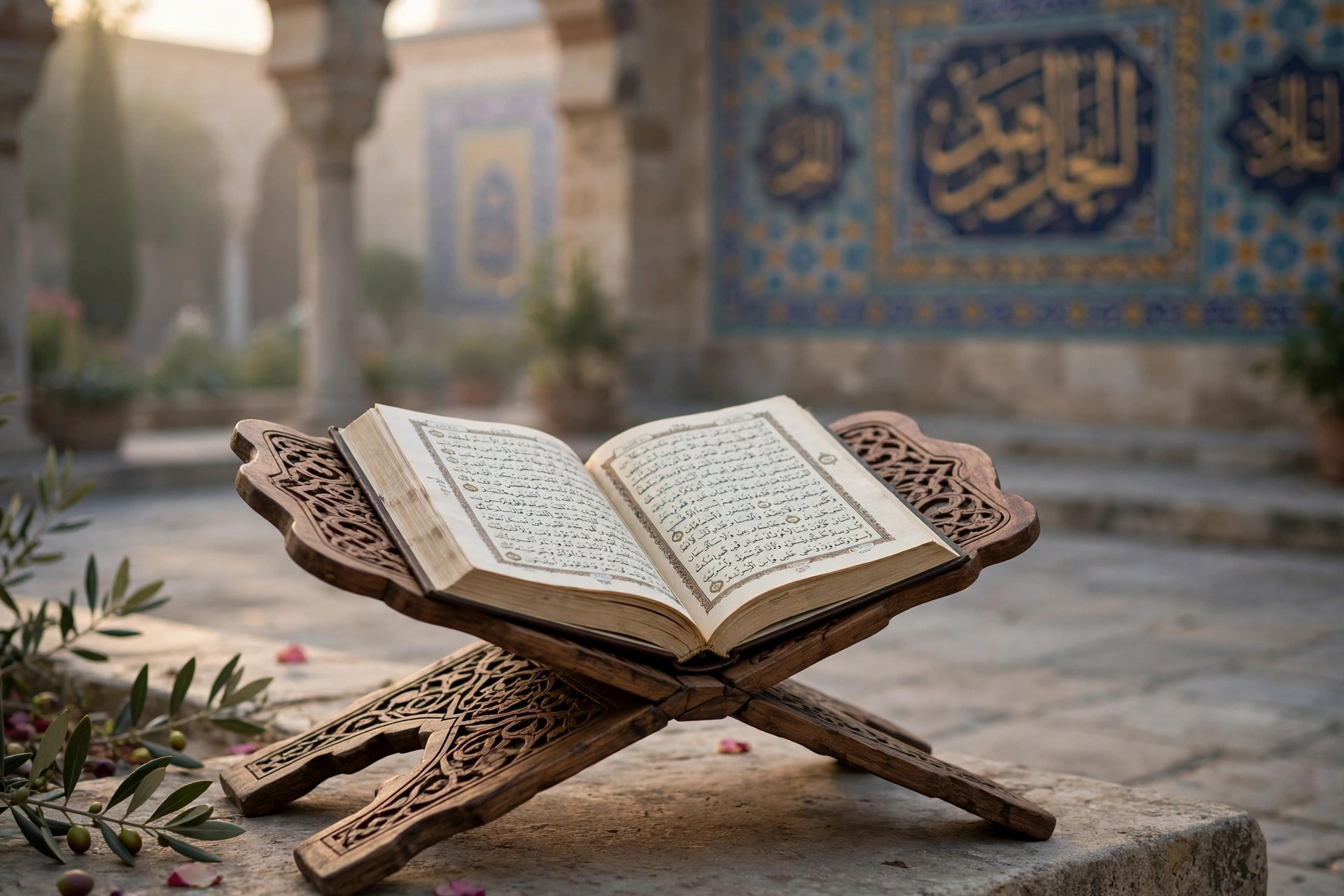
The virtues of Ayatul Kursi are among the greatest treasures of the Holy Quran. This single verse — verse 255 of Surah Al-Baqarah — is the greatest verse in the entire Book of Allah, and the one who recites it with faith and understanding gains a protection, a reward, and a closeness to Allah that few other acts of worship can match. The Prophet Muhammad ﷺ himself taught his Companions رضی اللہ عنہم that this verse is the leader of all the verses of the Quran, and he taught them to recite it after every prayer, before sleeping, and in times of fear. In this article, we explore the virtues of Ayatul Kursi in the light of the Quran and authentic Hadith — what the verse means, why it is the greatest verse, the protection it brings, and how every Muslim can make it a daily habit.
Table of Contents
- What Is Ayatul Kursi?
- The Verse and Its Meaning
- Why Ayatul Kursi Is the Greatest Verse of the Quran
- The Names of Allah in Ayatul Kursi
- Protection at Night: The Hadith of Abu Hurayrah
- After Every Prayer: The Door to Jannah
- Protection of the Home and Family
- Ayatul Kursi in the Morning and Evening
- Healing and Ruqyah with Ayatul Kursi
- How to Make Ayatul Kursi a Daily Habit
- Common Mistakes to Avoid
- Frequently Asked Questions
What Is Ayatul Kursi?
Ayatul Kursi — the Verse of the Throne — is verse 255 of Surah Al-Baqarah, the longest Surah of the Holy Quran. It is called Ayatul Kursi because it mentions the Kursi, the Throne (or Footstool) of Allah, and because it describes the majesty, power, and knowledge of Allah more completely than any other verse. Every word of this verse is a declaration of Tawhid — the Oneness of Allah — and of His perfect attributes. For fourteen centuries, the believers have recited this verse in their prayers, in their homes, and in their moments of fear, and they have found in it a protection that nothing else can give. The virtues of Surah Al-Mulk and the virtues of Surah Al-Kahf on Friday are also great, but no verse in the whole Quran carries the rank that Allah and His Messenger ﷺ have given to Ayatul Kursi.
The verse is not long — it can be memorised in a single sitting — yet it contains the essence of the entire Quran: who Allah is, what He knows, what He owns, and how nothing in the heavens or the earth is beyond His power. A child can memorise it, and the greatest scholars spend their lives studying it. That is the miracle of Ayatul Kursi: it is simple enough for a beginner and deep enough for a scholar. The one who recites it every day with understanding will find his faith growing, his heart becoming calm, and his life becoming protected — for the verse is a shield, and the shield of Allah is never broken. Those who wish to deepen their connection with the Quran should explore the Quran courses at Jamia Saeedia Darul Quran, where the correct recitation and understanding of the Quran are taught step by step.
The Verse and Its Meaning
Allah Almighty says in the Holy Quran: “Allah — there is no deity except Him, the Ever-Living, the Sustainer of [all] existence. Neither drowsiness overtakes Him nor sleep. To Him belongs whatever is in the heavens and whatever is on the earth. Who is it that can intercede with Him except by His permission? He knows what is [presently] before them and what will be after them, and they encompass not a thing of His knowledge except for what He wills. His Kursi extends over the heavens and the earth, and their preservation tires Him not. And He is the Most High, the Most Great.” (Al-Baqarah 2:255).
Read these words slowly, and feel their weight. “There is no deity except Him” — this is the foundation of Islam, the kalima, the statement that separates belief from disbelief. “The Ever-Living” — Allah never dies, never weakens, never ends. “The Sustainer of all existence” — every living thing, from the smallest ant to the greatest angel, depends on Him for every breath. “Neither drowsiness overtakes Him nor sleep” — the One who guards the whole universe never sleeps, never tires, never misses a single moment. “To Him belongs whatever is in the heavens and whatever is on the earth” — everything we own, everything we love, everything we fear is His, and He alone controls it. “He knows what is before them and what will be after them” — the past, the present, and the future are all equally clear to Him. “His Kursi extends over the heavens and the earth” — His dominion covers all that exists, and guarding it all does not tire Him in the least. And the verse ends with two of His most beautiful names: “the Most High, the Most Great.” The beautiful names of Allah are a treasure in themselves, and two of the greatest of them are found right here in this verse. The one who understands these words will never feel alone, never feel unprotected, and never feel that his affairs are out of Allah’s control — for the One who holds the heavens and the earth in His hand also holds him.
Why Ayatul Kursi Is the Greatest Verse of the Quran
The Prophet Muhammad ﷺ asked his beloved Companion Sayyiduna Ubayy ibn Ka’b رضی اللہ عنہ a question: “O Abu al-Mundhir, do you know which verse in the Book of Allah is the greatest?” Ubayy رضی اللہ عنہ replied: “Allah — there is no deity except Him, the Ever-Living, the Sustainer of all existence.” The Prophet ﷺ struck him gently on the chest and said: “May knowledge be pleasant for you, O Abu al-Mundhir!” (Sahih Muslim 810). This Hadith is one of the clearest proofs of the rank of Ayatul Kursi: the Prophet ﷺ himself confirmed that it is the greatest verse of the Quran, and he congratulated the Companion who knew it.
The Prophet Muhammad ﷺ also said: “Everything has a hump, and the hump of the Quran is Surah Al-Baqarah, and in it is a verse which is the leader of the verses of the Quran — Ayatul Kursi.” (Jami` at-Tirmidhi 2879). Surah Al-Baqarah is the greatest Surah in many ways, and within it, Ayatul Kursi is the leader of all its verses. Just as a leader guides and protects his people, this verse guides and protects the one who recites it. It is the leader because it contains the most complete description of Allah in the whole Quran — His Oneness, His life, His sustaining power, His knowledge, His dominion, and His majesty — all gathered in a single verse. The importance of seeking knowledge in Islam is shown beautifully here: the Companion who knew the Quran was praised by the Prophet ﷺ himself, and the knowledge of this verse became a source of honour for him. When we learn Ayatul Kursi and teach it to our children, we are following the very path that the Prophet ﷺ praised.
The Names of Allah in Ayatul Kursi
One of the reasons Ayatul Kursi is so powerful is that it is filled with the names and attributes of Allah. The verse begins with His greatest name, Allah, and then mentions Al-Hayy (the Ever-Living) and Al-Qayyum (the Sustainer of all existence). These two names are among the greatest names of Allah — the scholars say that the Ism-e-A’zam, the Greatest Name of Allah by which dua is answered, is found in these words. Al-Hayy means that Allah’s life is perfect and eternal: He was never born, He will never die, and His life has no beginning and no end. Al-Qayyum means that He stands by Himself and sustains everything else: He needs nothing, and everything needs Him. When a believer calls upon Allah by these names, he is calling upon the One who never dies and never sleeps, the One who holds the whole universe together. That is why the recitation of Ayatul Kursi in times of fear brings such peace — the one who remembers that Allah is Al-Hayy and Al-Qayyum knows that his Protector never sleeps and never fails.
The verse then describes Allah as the Most High (Al-Aliyy) and the Most Great (Al-Azeem). Al-Aliyy means that Allah is above all creation in His essence, His power, and His rank — nothing is above Him, and nothing can reach Him. Al-Azeem means that He is the Greatest in every way: greater than every problem, greater than every enemy, greater than every fear. When the believer recites these names, his problems become small in his eyes, for he is measuring them against the One who is the Most Great. A problem that seems huge becomes tiny when it is placed next to the greatness of Allah. This is the secret of the peace that Ayatul Kursi brings: it does not remove the problems of life, but it shows us the One who is greater than all of them. The virtues of dhikr in Islam teach the same lesson — the heart that remembers the names of Allah cannot remain a prisoner of fear, for the remembrance of Allah is the greatest of all protections.
Protection at Night: The Hadith of Abu Hurayrah
One of the most famous virtues of Ayatul Kursi is the protection it gives at night. Sayyiduna Abu Hurayrah رضی اللہ عنہ narrated a beautiful story. He was guarding the charity of Ramadan when a man came at night and began stealing the food. Abu Hurayrah caught him, and the man begged to be let go, saying he was poor and needy. Abu Hurayrah released him out of pity. The next morning, the Prophet Muhammad ﷺ asked him, “What did your prisoner do last night?” Abu Hurayrah told him, and the Prophet ﷺ said, “He told you a lie, and he will come back.” The same thing happened a second night, and a third night. On the third night, the man said to Abu Hurayrah: “Let me go, and I will teach you some words by which Allah will benefit you. When you go to your bed, recite Ayatul Kursi, for then Allah will appoint a guard for you who will stay with you, and no devil will come near you until morning.” In the morning, the Prophet Muhammad ﷺ asked what had happened, and when Abu Hurayrah told him, the Prophet ﷺ said: “He told you the truth, although he is a liar. Do you know who you have been talking to for three nights, O Abu Hurayrah?” Abu Hurayrah said, “No.” The Prophet ﷺ said: “That was Shaytan.” (Sahih al-Bukhari 2311).
This Hadith contains one of the greatest promises of protection in all of Islam. The one who recites Ayatul Kursi before sleeping is given a guard from Allah who stays with him all night, and no devil can come near him until morning. Think about this promise: every night, when we are at our weakest — asleep, unaware, unable to defend ourselves — Allah places a guard over us, simply because we recited one verse before sleeping. What a mercy! What a gift! The parents who teach their children to recite Ayatul Kursi before bed are giving them a protection that no lock, no alarm, and no guard can give. The Islamic upbringing of children begins with such small habits: a verse before sleep, a dua before eating, a Bismillah before leaving the house. These small habits build a fortress around the child that lasts for life. And the adult who makes this recitation a nightly habit will sleep in peace, knowing that the One who never sleeps is watching over him.
After Every Prayer: The Door to Jannah
Perhaps the greatest virtue of Ayatul Kursi is the reward promised to the one who recites it after every obligatory prayer. The Prophet Muhammad ﷺ said: “Whoever recites Ayatul Kursi after every obligatory prayer, nothing prevents him from entering Paradise except death.” (Sunan an-Nasa’i 9928). Read that promise again: nothing stands between the one who recites this verse after every prayer and Jannah — except death itself. The moment he dies, the door of Jannah opens for him. What could be a greater reward than this? Five prayers a day, and after each one, a single verse — less than a minute of recitation — and the reward is Jannah itself. This is the mercy of Allah: He has placed the greatest rewards behind the smallest of deeds, so that every believer, young and old, rich and poor, can earn them.
Yet how many of us rush out of the masjid the moment the prayer ends, or stand up from our prayer mat and forget this verse entirely? The one who recites Ayatul Kursi after Fajr, after Zuhr, after Asr, after Maghrib, and after Isha has recited it five times a day — and each time, the promise of Jannah is renewed. This is the habit that the righteous believers never leave: they finish their prayer, they sit for a moment, and they recite Ayatul Kursi with presence of heart. The virtues of Fajr prayer remind us that the day begun with Allah is a day begun with blessing, and the prayer that ends with Ayatul Kursi is a prayer sealed with the promise of Paradise. If you have never made this a habit, begin today: after your next prayer, sit for one minute and recite Ayatul Kursi. One minute, five times a day — and the reward is beyond imagination.
Protection of the Home and Family
Ayatul Kursi is also a protection for the home. The Prophet Muhammad ﷺ said: “Do not turn your houses into graves. Indeed, Shaytan flees from a house in which Surah Al-Baqarah is recited.” (Sahih Muslim 780). Ayatul Kursi is the greatest verse of Surah Al-Baqarah, and the home in which it is recited regularly becomes a home that Shaytan avoids. Many families have the habit of reciting Ayatul Kursi in their homes in the morning and the evening, and they find that their homes become places of peace: fewer arguments, less anger, more love between husband and wife, and more obedience from children. This is not a coincidence — it is the blessing of the Quran entering the home. The home in which the Quran is recited is a home that Allah blesses; the home in which the Quran is never recited becomes dark, even if it is full of lights.
The one who recites Ayatul Kursi when leaving the house also gains protection. The Prophet Muhammad ﷺ taught that when a person leaves his home saying “Bismillah, tawakkaltu ‘alallah, la hawla wa la quwwata illa billah” (In the name of Allah, I place my trust in Allah, there is no power and no strength except with Allah), it is said to him: “You have been guided, you have been sufficed, and you have been protected” — and Shaytan moves away from him. (Sunan Abi Dawud 5095). Adding Ayatul Kursi to this morning departure is a beautiful habit: the believer leaves his home under the protection of Allah, and he returns to it under the same protection. The kindness to neighbors in Islam also begins in a peaceful home — the family that lives in the protection of the Quran treats its neighbours with patience and love, and the whole neighbourhood benefits. Teach your children to recite Ayatul Kursi when they leave for school, and teach your wife and your family to recite it when they leave the house. It takes less than a minute, and it places the whole family under the guard of Allah.
Ayatul Kursi in the Morning and Evening
The morning and evening adhkar — the daily remembrances taught by the Prophet Muhammad ﷺ — include Ayatul Kursi as one of their most important parts. The one who recites Ayatul Kursi in the morning is protected until the evening, and the one who recites it in the evening is protected until the morning. This is the teaching of the Prophet ﷺ, and it is confirmed by the Hadith of Abu Hurayrah رضی اللہ عنہ about the guard who stays with the reciter until morning. The morning recitation protects the day; the evening recitation protects the night. Between them, the believer is covered from every side.
Make this a part of your daily routine: after Fajr, before you begin your work, sit for a moment and recite Ayatul Kursi. After Maghrib, before the night begins, recite it again. These two recitations take less than two minutes of your whole day, yet they place a shield around your entire day and your entire night. The power of dua in Islam is greatest when it is made at the blessed times, and the morning and evening are among the most blessed times of the day. The one who begins his day with Ayatul Kursi begins it with Allah; the one who ends his day with Ayatul Kursi ends it with Allah. And the day that begins and ends with Allah is a day that Shaytan cannot touch. The daily duas at Jamia Saeedia Darul Quran include the morning and evening adhkar, and learning them is one of the best investments a believer can make in his own protection.
Healing and Ruqyah with Ayatul Kursi
Ayatul Kursi is also used in ruqyah — the lawful healing with the words of the Quran. The Quran itself is a healing: Allah says, “And We send down of the Quran that which is healing and mercy for the believers.” (Al-Isra 17:82). The Companions رضی اللہ عنہم used the verses of the Quran to heal the sick, and Ayatul Kursi — the greatest verse — has a special place in this healing. The one who is ill, or the one whose child is ill, may recite Ayatul Kursi and blow over the sick person, or recite it over water and give it to drink, with the firm belief that the healing comes from Allah alone. The words of the Quran are not magic; they are the speech of Allah, and Allah has placed healing in them for those who believe.
It is important to understand this correctly: Ayatul Kursi is not a magic charm, and it does not work like a spell. Its power comes from Allah, and it benefits the one who recites it with faith, with understanding, and with trust in Allah. The one who recites it while his heart is heedless, or who treats it like a superstitious object, will not gain its full benefit. The tawbah and repentance in Islam teaches us the same principle: the deed is only as good as the heart behind it. Recite Ayatul Kursi for healing with the belief that Allah is the Healer, and that the verse is His word — and by His permission, you will find healing, peace, and relief. And remember that the greatest healing of all is the healing of the heart: the heart that is filled with the words of Allah is healed from fear, from anxiety, from sadness, and from the whispers of Shaytan.
How to Make Ayatul Kursi a Daily Habit
Knowing the virtues of Ayatul Kursi is one thing; living by them is another. Here is a simple daily routine that any Muslim can follow, and that takes only a few minutes of the whole day. First, recite Ayatul Kursi after every obligatory prayer — five times a day, each time less than a minute. Second, recite it before sleeping, every night without exception, so that Allah appoints a guard over you until morning. Third, recite it in the morning after Fajr and in the evening after Maghrib, to protect your day and your night. Fourth, recite it when you leave your home and when you return, to protect your family and your journey. Fifth, teach it to your children and recite it with them before they sleep — the Islamic upbringing of children is built on such habits, and the child who grows up reciting Ayatul Kursi every night will carry its protection for the rest of his life. If you have not yet memorised the verse, begin today: it is only one verse, and you can learn it in a single day. Write it on a card, keep it beside your bed, and recite it every night until it is fixed in your heart. Within a week, you will know it by heart — and within a month, you will wonder how you ever lived without it.
The best time to begin is now, not tomorrow. Shaytan loves delay: he tells us that we will start tomorrow, next week, next month — and tomorrow never comes. The believer does not delay a good deed. Recite Ayatul Kursi after your next prayer, recite it tonight before you sleep, and make it a part of your life from today. The importance of Tahajjud prayer teaches the same lesson about the night: the one who wakes in the night and calls upon Allah finds a sweetness that the whole world cannot give. Add Ayatul Kursi to your night prayer, and your nights will become nights of protection and peace. And if you sometimes forget, do not despair — simply recite it when you remember. Allah loves the believer who returns to Him again and again, and the door of His mercy is never closed.
Common Mistakes to Avoid
There are a few mistakes that people make with Ayatul Kursi, and it is important to avoid them. The first mistake is to treat it like a magic charm — hanging it on the wall or keeping it in the car while never reciting it or understanding it. The blessing of the Quran comes from reciting it and living by it, not from displaying it. The second mistake is to recite it without understanding its meaning. The verse is a declaration of Tawhid, and the one who recites it while understanding its words gains far more than the one who recites it like a parrot. Learn the translation, study the meaning, and let the words enter your heart. The third mistake is to believe that reciting it once will protect you forever. Protection is a daily matter: the guard is appointed for the night, the reward is earned after each prayer, and the shield must be renewed every day. The fourth mistake is to recite it in a state of sin and heedlessness while expecting it to fix everything. Ayatul Kursi is a protection, but it does not replace repentance, prayer, and good character. The one who recites the verse and also repents, prays, and controls his anger — as taught in controlling anger in Islam — is the one who gains the full benefit. And the fifth mistake is to neglect the verse entirely, even though it takes less than a minute to recite. The greatest loss in life is to know about a treasure and never take it. Do not be that person: take the treasure today.
Frequently Asked Questions
What is Ayatul Kursi?
Ayatul Kursi is verse 255 of Surah Al-Baqarah, the second Surah of the Holy Quran. It is called the Verse of the Throne because it mentions the Kursi (Throne) of Allah, and the Prophet Muhammad ﷺ taught that it is the greatest verse in the entire Quran (Sahih Muslim 810).
What happens if I recite Ayatul Kursi before sleeping?
Allah appoints a guard over you who stays with you all night, and no devil can come near you until morning. This is the promise given in the Hadith of Abu Hurayrah رضی اللہ عنہ (Sahih al-Bukhari 2311).
What is the reward of reciting Ayatul Kursi after every prayer?
The Prophet Muhammad ﷺ said that whoever recites Ayatul Kursi after every obligatory prayer, nothing prevents him from entering Paradise except death (Sunan an-Nasa’i 9928). This is why the righteous never leave this habit.
Can Ayatul Kursi protect my home?
Yes. The Prophet Muhammad ﷺ said that Shaytan flees from a house in which Surah Al-Baqarah is recited (Sahih Muslim 780), and Ayatul Kursi is the greatest verse of that Surah. Reciting it in your home regularly brings peace and protection to the whole family.
Is Ayatul Kursi the greatest verse of the Quran?
Yes. The Prophet Muhammad ﷺ asked Sayyiduna Ubayy ibn Ka’b رضی اللہ عنہ which verse is the greatest, and when he answered “Ayatul Kursi”, the Prophet ﷺ congratulated him and confirmed it (Sahih Muslim 810). He also called it the leader of the verses of the Quran (Jami` at-Tirmidhi 2879).
Related Articles
اردو میں مکمل مضمون
آیت الکرسی کی فضیلت قرآن مجید کے عظیم ترین خزانوں میں سے ہے۔ یہ واحد آیت — سورۃ البقرۃ کی آیت نمبر 255 — اللہ کی کتاب کی سب سے عظیم آیت ہے، اور جو شخص اسے ایمان اور سمجھ کے ساتھ پڑھتا ہے اسے ایسی حفاظت، ایسا ثواب اور اللہ سے ایسا قرب نصیب ہوتا ہے جو بہت کم عبادات سے ملتا ہے۔ نبی اکرم صلی اللہ علیہ وآلہ وسلم نے خود اپنے صحابہ کرام رضی اللہ عنہم کو سکھایا کہ یہ آیت قرآن کی تمام آیات کی سردار ہے، اور آپ ﷺ نے انہیں ہر نماز کے بعد، سونے سے پہلے اور خوف کے وقت اسے پڑھنے کی تلقین فرمائی۔ اس مضمون میں ہم آیت الکرسی کی فضیلت کو قرآن اور صحیح احادیث کی روشنی میں بیان کریں گے — یہ آیت کیا ہے، یہ سب سے عظیم آیت کیوں ہے، اس سے کیا حفاظت ملتی ہے، اور ہر مسلمان اسے اپنی روزمرہ زندگی کا حصہ کیسے بنا سکتا ہے۔
فہرست
- آیت الکرسی کیا ہے؟
- آیت کا ترجمہ اور مفہوم
- آیت الکرسی قرآن کی سب سے عظیم آیت کیوں ہے؟
- آیت الکرسی میں اللہ کے نام
- رات کی حفاظت: حضرت ابو ہریرہ رضی اللہ عنہ کی حدیث
- ہر نماز کے بعد: جنت کا دروازہ
- گھر اور اہل خانہ کی حفاظت
- صبح و شام آیت الکرسی
- شفا اور رقیہ میں آیت الکرسی
- آیت الکرسی کو روزمرہ عادت کیسے بنائیں؟
- عام غلطیاں جن سے بچنا چاہیے
- اکثر پوچھے جانے والے سوالات
آیت الکرسی کیا ہے؟
آیت الکرسی — کرسی والی آیت — قرآن مجید کی سب سے طویل سورت، سورۃ البقرۃ کی آیت نمبر 255 ہے۔ اسے آیت الکرسی اس لیے کہا جاتا ہے کہ اس میں اللہ کی کرسی کا ذکر ہے، اور یہ اللہ کی عظمت، قدرت اور علم کو کسی بھی دوسری آیت سے زیادہ مکمل طور پر بیان کرتی ہے۔ اس آیت کا ہر لفظ توحید کا اعلان ہے — اللہ کی وحدانیت اور اس کی کامل صفات کا بیان۔ چودہ صدیوں سے مومنین اس آیت کو اپنی نمازوں میں، اپنے گھروں میں اور خوف کے لمحوں میں پڑھتے آئے ہیں، اور انہوں نے اس میں ایسی حفاظت پائی ہے جو اور کوئی چیز نہیں دے سکتی۔ سورۃ الملک کی فضیلت اور جمعہ کے دن سورۃ الکہف کی فضیلت بھی بہت عظیم ہیں، لیکن پورے قرآن میں کسی آیت کو وہ مرتبہ حاصل نہیں جو اللہ اور اس کے رسول ﷺ نے آیت الکرسی کو عطا فرمایا ہے۔
یہ آیت لمبی نہیں ہے — اسے ایک ہی نشست میں یاد کیا جا سکتا ہے — لیکن اس میں پورے قرآن کا خلاصہ موجود ہے: اللہ کون ہے، وہ کیا جانتا ہے، وہ کس چیز کا مالک ہے، اور آسمانوں اور زمین میں کوئی چیز اس کی قدرت سے باہر نہیں۔ ایک بچہ اسے یاد کر سکتا ہے، اور بڑے بڑے علماء اپنی زندگی اس کی تحقیق میں گزار دیتے ہیں۔ یہی آیت الکرسی کا معجزہ ہے: یہ مبتدی کے لیے آسان اور عالم کے لیے گہری ہے۔ جو شخص اسے ہر روز سمجھ کر پڑھتا ہے اس کا ایمان بڑھتا ہے، اس کا دل پرسکون ہوتا ہے اور اس کی زندگی محفوظ ہو جاتی ہے — کیونکہ یہ آیت ایک ڈھال ہے، اور اللہ کی ڈھال کبھی نہیں ٹوٹتی۔ جو لوگ قرآن سے اپنا تعلق مزید گہرا کرنا چاہتے ہیں وہ جامعہ سعیدیہ دارالقرآن کے قرآن کورسز سے استفادہ کریں، جہاں قرآن کی صحیح تلاوت اور سمجھ قدم بہ قدم سکھائی جاتی ہے۔
آیت کا ترجمہ اور مفہوم
اللہ تعالیٰ قرآن مجید میں فرماتا ہے: “اللہ، اس کے سوا کوئی معبود نہیں، وہ زندہ ہے، سب کو قائم رکھنے والا ہے۔ اسے نہ اونگھ آتی ہے نہ نیند۔ آسمانوں اور زمین میں جو کچھ ہے سب اسی کا ہے۔ کون ہے جو اس کی اجازت کے بغیر اس کے پاس سفارش کر سکے؟ وہ جانتا ہے جو ان کے سامنے ہے اور جو ان کے پیچھے ہے، اور وہ اس کے علم میں سے کسی چیز کا احاطہ نہیں کر سکتے مگر جتنا وہ چاہے۔ اس کی کرسی آسمانوں اور زمین کو گھیرے ہوئے ہے، اور ان کی حفاظت اسے تھکاتی نہیں۔ اور وہ بلند و بالا، عظیم ہے۔” (البقرۃ 2:255)۔
ان الفاظ کو آہستہ آہستہ پڑھیں اور ان کا وزن محسوس کریں۔ “اس کے سوا کوئی معبود نہیں” — یہ اسلام کی بنیاد ہے، کلمہ ہے، وہ جملہ جو ایمان کو کفر سے جدا کرتا ہے۔ “وہ زندہ ہے” — اللہ کبھی نہیں مرتا، کبھی کمزور نہیں ہوتا، کبھی ختم نہیں ہوتا۔ “سب کو قائم رکھنے والا” — ہر جاندار، چھوٹی سی چیونٹی سے لے کر بڑے سے بڑے فرشتے تک، ہر سانس کے لیے اس کا محتاج ہے۔ “اسے نہ اونگھ آتی ہے نہ نیند” — جو پوری کائنات کی حفاظت کرتا ہے وہ کبھی نہیں سوتا، کبھی نہیں تھکتا، کبھی ایک لمحہ بھی غافل نہیں ہوتا۔ “آسمانوں اور زمین میں جو کچھ ہے سب اسی کا ہے” — ہماری ہر چیز، ہمارے ہر پیارے، ہمارا ہر خوف اسی کا ہے اور صرف وہی اس پر قابو رکھتا ہے۔ “وہ جانتا ہے جو ان کے سامنے ہے اور جو ان کے پیچھے ہے” — ماضی، حال اور مستقبل سب اس کے لیے یکساں واضح ہیں۔ “اس کی کرسی آسمانوں اور زمین کو گھیرے ہوئے ہے” — اس کی بادشاہت ہر موجود چیز پر محیط ہے، اور ان سب کی حفاظت اسے ذرا بھی نہیں تھکاتی۔ اور آیت کا اختتام اس کے دو خوبصورت ناموں پر ہوتا ہے: “بلند و بالا، عظیم”۔ اللہ کے خوبصورت نام خود ایک خزانہ ہیں، اور ان میں سے دو عظیم نام اسی آیت میں موجود ہیں۔ جو شخص ان الفاظ کو سمجھ لے وہ کبھی تنہا محسوس نہیں کرتا، کبھی بے حفاظت محسوس نہیں کرتا، اور کبھی یہ محسوس نہیں کرتا کہ اس کے معاملات اللہ کے قابو سے باہر ہیں — کیونکہ جس کے ہاتھ میں آسمان و زمین ہیں وہی اسے بھی اپنے ہاتھ میں رکھے ہوئے ہے۔
آیت الکرسی قرآن کی سب سے عظیم آیت کیوں ہے؟
نبی اکرم صلی اللہ علیہ وآلہ وسلم نے اپنے پیارے صحابی حضرت ابی بن کعب رضی اللہ عنہ سے پوچھا: “اے ابو المنذر! کیا تم جانتے ہو کہ اللہ کی کتاب میں سب سے عظیم آیت کون سی ہے؟” حضرت ابی رضی اللہ عنہ نے جواب دیا: “اللہ، اس کے سوا کوئی معبود نہیں، وہ زندہ ہے، سب کو قائم رکھنے والا ہے۔” نبی اکرم ﷺ نے ان کے سینے پر ہلکا سا ہاتھ مارا اور فرمایا: “اے ابو المنذر! تمہیں علم مبارک ہو!” (صحیح مسلم 810)۔ یہ حدیث آیت الکرسی کے مرتبے کی سب سے واضح دلیل ہے: نبی اکرم ﷺ نے خود تصدیق فرمائی کہ یہ قرآن کی سب سے عظیم آیت ہے، اور آپ ﷺ نے اس صحابی کو مبارکباد دی جسے یہ معلوم تھی۔
نبی اکرم صلی اللہ علیہ وآلہ وسلم نے یہ بھی فرمایا: “ہر چیز کی کوہان ہوتی ہے، اور قرآن کی کوہان سورۃ البقرۃ ہے، اور اس میں ایک آیت ہے جو قرآن کی تمام آیات کی سردار ہے — آیت الکرسی۔” (جامع ترمذی 2879)۔ سورۃ البقرۃ کئی لحاظ سے سب سے عظیم سورت ہے، اور اس کے اندر آیت الکرسی اس کی تمام آیات کی سردار ہے۔ جس طرح سردار اپنے لوگوں کی رہنمائی اور حفاظت کرتا ہے، اسی طرح یہ آیت اپنے پڑھنے والے کی رہنمائی اور حفاظت کرتی ہے۔ یہ سردار اس لیے ہے کہ اس میں اللہ کی سب سے مکمل تعریف پورے قرآن میں موجود ہے — اس کی وحدانیت، اس کی زندگی، اس کی قائم رکھنے والی قدرت، اس کا علم، اس کی بادشاہت اور اس کی عظمت — سب ایک ہی آیت میں جمع ہیں۔ اسلام میں علم کی اہمیت یہاں خوبصورت انداز میں ظاہر ہوتی ہے: جس صحابی کو قرآن کا علم تھا اسے نبی اکرم ﷺ نے خود سراہا، اور اس آیت کا علم اس کے لیے عزت کا ذریعہ بن گیا۔ جب ہم آیت الکرسی سیکھتے ہیں اور اپنے بچوں کو سکھاتے ہیں تو ہم اسی راستے پر چل رہے ہوتے ہیں جسے نبی اکرم ﷺ نے سراہا تھا۔
آیت الکرسی میں اللہ کے نام
آیت الکرسی اتنی طاقتور اس لیے بھی ہے کہ یہ اللہ کے ناموں اور صفات سے بھری ہوئی ہے۔ آیت کا آغاز اللہ کے سب سے بڑے نام سے ہوتا ہے، پھر الحی (ہمیشہ زندہ) اور القیوم (سب کو قائم رکھنے والا) کا ذکر ہے۔ یہ دونوں نام اللہ کے عظیم ترین ناموں میں سے ہیں — علماء فرماتے ہیں کہ اسم اعظم، اللہ کا وہ عظیم نام جس سے دعا قبول ہوتی ہے، انہی الفاظ میں موجود ہے۔ الحی کا مطلب ہے کہ اللہ کی زندگی کامل اور ابدی ہے: وہ کبھی پیدا نہیں ہوا، کبھی نہیں مرے گا، اور اس کی زندگی کی نہ کوئی ابتدا ہے نہ انتہا۔ القیوم کا مطلب ہے کہ وہ خود قائم ہے اور ہر چیز کو قائم رکھتا ہے: اسے کسی چیز کی حاجت نہیں، اور ہر چیز اس کی محتاج ہے۔ جب مومن ان ناموں سے اللہ کو پکارتا ہے تو وہ اسے پکار رہا ہوتا ہے جو کبھی نہیں مرتا اور کبھی نہیں سوتا، جو پوری کائنات کو تھامے ہوئے ہے۔ اسی لیے خوف کے وقت آیت الکرسی پڑھنے سے ایسا سکون ملتا ہے — جو یاد رکھتا ہے کہ اللہ الحی اور القیوم ہے وہ جانتا ہے کہ اس کا محافظ کبھی نہیں سوتا اور کبھی ناکام نہیں ہوتا۔
پھر آیت میں اللہ کو العلی (سب سے بلند) اور العظیم (سب سے عظیم) کہا گیا ہے۔ العلی کا مطلب ہے کہ اللہ اپنی ذات، اپنی قدرت اور اپنے مرتبے میں تمام مخلوق سے بلند ہے — کوئی چیز اس سے اوپر نہیں، اور کوئی چیز اس تک نہیں پہنچ سکتی۔ العظیم کا مطلب ہے کہ وہ ہر لحاظ سے سب سے بڑا ہے: ہر مسئلے سے بڑا، ہر دشمن سے بڑا، ہر خوف سے بڑا۔ جب مومن ان ناموں کو پڑھتا ہے تو اس کے مسائل اس کی نظروں میں چھوٹے ہو جاتے ہیں، کیونکہ وہ انہیں اس ذات کے سامنے رکھ رہا ہوتا ہے جو سب سے عظیم ہے۔ جو مسئلہ بہت بڑا لگتا ہے وہ اللہ کی عظمت کے سامنے رکھنے پر چھوٹا ہو جاتا ہے۔ یہی آیت الکرسی کے سکون کا راز ہے: یہ زندگی کے مسائل کو ختم نہیں کرتی، بلکہ ہمیں وہ ذات دکھاتی ہے جو ان سب سے بڑی ہے۔ ذکر الٰہی کی فضیلت بھی یہی سبق دیتی ہے — جس دل میں اللہ کا ذکر ہو وہ خوف کا قیدی نہیں رہ سکتا، کیونکہ اللہ کا ذکر سب سے بڑی حفاظت ہے۔
رات کی حفاظت: حضرت ابو ہریرہ رضی اللہ عنہ کی حدیث
آیت الکرسی کی سب سے مشہور فضیلتوں میں سے ایک رات کی حفاظت ہے۔ حضرت ابو ہریرہ رضی اللہ عنہ نے ایک خوبصورت واقعہ بیان فرمایا۔ وہ رمضان کے صدقے کی حفاظت کر رہے تھے کہ رات کو ایک آدمی آیا اور کھانا چرانے لگا۔ حضرت ابو ہریرہ رضی اللہ عنہ نے اسے پکڑ لیا، اور اس آدمی نے منت سماجت کی کہ وہ غریب اور محتاج ہے۔ حضرت ابو ہریرہ رضی اللہ عنہ نے رحم کھا کر اسے چھوڑ دیا۔ اگلی صبح نبی اکرم صلی اللہ علیہ وآلہ وسلم نے پوچھا: “تمہارے قیدی نے رات کو کیا کیا؟” حضرت ابو ہریرہ رضی اللہ عنہ نے بتایا، تو نبی اکرم ﷺ نے فرمایا: “اس نے تم سے جھوٹ بولا ہے، اور وہ پھر آئے گا۔” دوسری رات بھی یہی ہوا، اور تیسری رات بھی۔ تیسری رات اس آدمی نے حضرت ابو ہریرہ رضی اللہ عنہ سے کہا: “مجھے چھوڑ دو، اور میں تمہیں کچھ کلمات سکھاؤں گا جن سے اللہ تمہیں فائدہ دے گا۔ جب تم اپنے بستر پر جاؤ تو آیت الکرسی پڑھ لو، کیونکہ پھر اللہ تم پر ایک محافظ مقرر کر دے گا جو تمہارے ساتھ رہے گا، اور صبح تک کوئی شیطان تمہارے قریب نہیں آئے گا۔” صبح نبی اکرم صلی اللہ علیہ وآلہ وسلم نے پوچھا کہ کیا ہوا، اور جب حضرت ابو ہریرہ رضی اللہ عنہ نے بتایا تو نبی اکرم ﷺ نے فرمایا: “اس نے تم سے سچ کہا، حالانکہ وہ جھوٹا ہے۔ اے ابو ہریرہ! کیا تم جانتے ہو کہ تم تین راتوں سے کس سے بات کر رہے تھے؟” حضرت ابو ہریرہ رضی اللہ عنہ نے کہا: “نہیں۔” نبی اکرم ﷺ نے فرمایا: “وہ شیطان تھا۔” (صحیح البخاری 2311)۔
یہ حدیث اسلام میں حفاظت کے سب سے عظیم وعدوں میں سے ایک ہے۔ جو شخص سونے سے پہلے آیت الکرسی پڑھتا ہے اللہ اس پر ایک محافظ مقرر کر دیتا ہے جو ساری رات اس کے ساتھ رہتا ہے، اور صبح تک کوئی شیطان اس کے قریب نہیں آ سکتا۔ اس وعدے پر غور کریں: ہر رات، جب ہم سب سے زیادہ کمزور ہوتے ہیں — سوئے ہوئے، بے خبر، اپنا دفاع کرنے سے قاصر — اللہ صرف ایک آیت پڑھنے پر ہمارے اوپر ایک محافظ مقرر کر دیتا ہے۔ کیا رحمت ہے! کیا تحفہ ہے! جو والدین اپنے بچوں کو سونے سے پہلے آیت الکرسی پڑھنا سکھاتے ہیں وہ انہیں ایسی حفاظت دے رہے ہوتے ہیں جو کوئی تالا، کوئی الارم اور کوئی چوکیدار نہیں دے سکتا۔ بچوں کی اسلامی تربیت ایسی ہی چھوٹی عادتوں سے شروع ہوتی ہے: سونے سے پہلے ایک آیت، کھانے سے پہلے ایک دعا، گھر سے نکلنے سے پہلے بسم اللہ۔ یہ چھوٹی عادتیں بچے کے گرد ایک قلعہ بنا دیتی ہیں جو ساری زندگی قائم رہتا ہے۔ اور جو بڑا ہر رات اس تلاوت کو اپنی عادت بنا لے وہ سکون سے سوئے گا، یہ جانتے ہوئے کہ جو کبھی نہیں سوتا وہ اس کی نگرانی کر رہا ہے۔
ہر نماز کے بعد: جنت کا دروازہ
آیت الکرسی کی شاید سب سے بڑی فضیلت وہ ثواب ہے جس کا وعدہ ہر فرض نماز کے بعد اسے پڑھنے والے سے کیا گیا ہے۔ نبی اکرم صلی اللہ علیہ وآلہ وسلم نے فرمایا: “جو شخص ہر فرض نماز کے بعد آیت الکرسی پڑھتا ہے، اسے جنت میں داخل ہونے سے موت کے سوا کوئی چیز نہیں روکتی۔” (سنن النسائی 9928)۔ اس وعدے کو دوبارہ پڑھیں: جو شخص ہر نماز کے بعد یہ آیت پڑھتا ہے اس کے اور جنت کے درمیان موت کے سوا کچھ نہیں ہے۔ جس لمحہ وہ مرتا ہے، جنت کا دروازہ اس کے لیے کھل جاتا ہے۔ اس سے بڑا ثواب اور کیا ہو سکتا ہے؟ دن میں پانچ نمازیں، اور ہر نماز کے بعد ایک آیت — ایک منٹ سے بھی کم کی تلاوت — اور ثواب جنت خود ہے۔ یہ اللہ کی رحمت ہے: اس نے سب سے بڑے ثواب کو سب سے چھوٹے اعمال کے پیچھے رکھ دیا ہے، تاکہ ہر مومن، جوان ہو یا بوڑھا، امیر ہو یا غریب، انہیں حاصل کر سکے۔
لیکن ہم میں سے کتنے لوگ نماز ختم ہوتے ہی مسجد سے بھاگ نکلتے ہیں، یا جائے نماز سے اٹھ کر اس آیت کو بالکل بھول جاتے ہیں؟ جو شخص فجر کے بعد، ظہر کے بعد، عصر کے بعد، مغرب کے بعد اور عشاء کے بعد آیت الکرسی پڑھتا ہے اس نے دن میں پانچ بار اسے پڑھا ہے — اور ہر بار جنت کا وعدہ تازہ ہو جاتا ہے۔ یہ وہ عادت ہے جسے نیک مومنین کبھی نہیں چھوڑتے: وہ نماز ختم کرتے ہیں، ایک لمحہ بیٹھتے ہیں، اور حضور قلب سے آیت الکرسی پڑھتے ہیں۔ فجر کی نماز کی فضیلت ہمیں یاد دلاتی ہے کہ جو دن اللہ کے ساتھ شروع ہوتا ہے وہ برکت والا دن ہوتا ہے، اور جو نماز آیت الکرسی پر ختم ہوتی ہے وہ جنت کے وعدے پر مہر لگی ہوئی نماز ہوتی ہے۔ اگر آپ نے ابھی تک یہ عادت نہیں بنائی تو آج سے شروع کریں: اپنی اگلی نماز کے بعد ایک منٹ بیٹھیں اور آیت الکرسی پڑھیں۔ ایک منٹ، دن میں پانچ بار — اور ثواب تصور سے باہر ہے۔
گھر اور اہل خانہ کی حفاظت
آیت الکرسی گھر کی حفاظت بھی ہے۔ نبی اکرم صلی اللہ علیہ وآلہ وسلم نے فرمایا: “اپنے گھروں کو قبرستان نہ بناؤ۔ بے شک شیطان اس گھر سے بھاگ جاتا ہے جس میں سورۃ البقرۃ پڑھی جاتی ہے۔” (صحیح مسلم 780)۔ آیت الکرسی سورۃ البقرۃ کی سب سے عظیم آیت ہے، اور جس گھر میں یہ باقاعدگی سے پڑھی جاتی ہے وہ گھر ایسا بن جاتا ہے جس سے شیطان دور رہتا ہے۔ بہت سے خاندانوں کی عادت ہے کہ وہ صبح و شام اپنے گھروں میں آیت الکرسی پڑھتے ہیں، اور وہ دیکھتے ہیں کہ ان کے گھر امن کی جگہ بن جاتے ہیں: کم جھگڑے، کم غصہ، میاں بیوی کے درمیان زیادہ محبت، اور بچوں کی زیادہ فرمانبرداری۔ یہ اتفاق نہیں ہے — یہ قرآن کی برکت ہے جو گھر میں داخل ہوتی ہے۔ جس گھر میں قرآن پڑھا جاتا ہے وہ گھر اللہ کی برکت والا ہوتا ہے؛ جس گھر میں قرآن کبھی نہیں پڑھا جاتا وہ گھر اندھیرا ہو جاتا ہے، چاہے اس میں کتنی ہی روشنیاں ہوں۔
جو شخص گھر سے نکلتے وقت آیت الکرسی پڑھتا ہے اسے بھی حفاظت ملتی ہے۔ نبی اکرم صلی اللہ علیہ وآلہ وسلم نے سکھایا کہ جب کوئی شخص اپنے گھر سے نکلتے ہوئے کہتا ہے “بسم اللہ، توکلت علی اللہ، لا حول ولا قوۃ الا باللہ” (اللہ کے نام سے، میں نے اللہ پر بھروسہ کیا، اللہ کے سوا کوئی طاقت اور قوت نہیں)، تو اس سے کہا جاتا ہے: “تمہیں ہدایت دے دی گئی، تمہیں کافی کر دیا گیا، اور تمہیں محفوظ کر دیا گیا” — اور شیطان اس سے دور ہو جاتا ہے۔ (سنن ابی داؤد 5095)۔ اس صبح کی روانگی میں آیت الکرسی کا اضافہ ایک خوبصورت عادت ہے: مومن اللہ کی حفاظت میں اپنے گھر سے نکلتا ہے، اور اسی حفاظت میں واپس آتا ہے۔ پڑوسیوں کے حقوق اسلام میں بھی ایک پُرامن گھر سے شروع ہوتے ہیں — جو خاندان قرآن کی حفاظت میں رہتا ہے وہ اپنے پڑوسیوں سے صبر اور محبت سے پیش آتا ہے، اور پورا محلہ اس سے فائدہ اٹھاتا ہے۔ اپنے بچوں کو سکھائیں کہ جب وہ اسکول جائیں تو آیت الکرسی پڑھیں، اور اپنی بیوی اور اہل خانہ کو سکھائیں کہ جب وہ گھر سے نکلیں تو اسے پڑھیں۔ اس میں ایک منٹ سے بھی کم وقت لگتا ہے، اور یہ پورے خاندان کو اللہ کی حفاظت میں رکھ دیتی ہے۔
صبح و شام آیت الکرسی
صبح و شام کے اذکار — نبی اکرم صلی اللہ علیہ وآلہ وسلم کے سکھائے ہوئے روزمرہ کے اذکار — میں آیت الکرسی ان کے اہم ترین حصوں میں سے ایک ہے۔ جو شخص صبح آیت الکرسی پڑھتا ہے وہ شام تک محفوظ رہتا ہے، اور جو شام کو پڑھتا ہے وہ صبح تک محفوظ رہتا ہے۔ یہ نبی اکرم ﷺ کی تعلیم ہے، اور حضرت ابو ہریرہ رضی اللہ عنہ کی حدیث اس کی تصدیق کرتی ہے کہ محافظ صبح تک پڑھنے والے کے ساتھ رہتا ہے۔ صبح کی تلاوت دن کی حفاظت کرتی ہے؛ شام کی تلاوت رات کی حفاظت کرتی ہے۔ ان دونوں کے درمیان مومن ہر طرف سے محفوظ ہوتا ہے۔
اسے اپنی روزمرہ کی روٹین کا حصہ بنائیں: فجر کے بعد، اپنا کام شروع کرنے سے پہلے، ایک لمحہ بیٹھیں اور آیت الکرسی پڑھیں۔ مغرب کے بعد، رات شروع ہونے سے پہلے، اسے دوبارہ پڑھیں۔ یہ دو تلاوتیں آپ کے پورے دن کے دو منٹ سے بھی کم وقت لیتی ہیں، لیکن یہ آپ کے پورے دن اور پوری رات کے گرد ڈھال بنا دیتی ہیں۔ اسلام میں دعا کی طاقت اس وقت سب سے زیادہ ہوتی ہے جب وہ بابرکت اوقات میں مانگی جائے، اور صبح و شام دن کے سب سے بابرکت اوقات میں سے ہیں۔ جو شخص اپنا دن آیت الکرسی سے شروع کرتا ہے وہ اسے اللہ کے ساتھ شروع کرتا ہے؛ جو شخص اپنا دن آیت الکرسی پر ختم کرتا ہے وہ اسے اللہ کے ساتھ ختم کرتا ہے۔ اور جو دن اللہ کے ساتھ شروع اور ختم ہوتا ہے اسے شیطان چھو نہیں سکتا۔ جامعہ سعیدیہ دارالقرآن کی روزمرہ دعائیں میں صبح و شام کے اذکار شامل ہیں، اور انہیں سیکھنا مومن کی اپنی حفاظت میں بہترین سرمایہ کاری ہے۔
شفا اور رقیہ میں آیت الکرسی
آیت الکرسی رقیہ میں بھی استعمال ہوتی ہے — قرآن کے الفاظ سے جائز علاج۔ قرآن خود شفا ہے: اللہ فرماتا ہے، “اور ہم قرآن میں سے وہ نازل کرتے ہیں جو مومنوں کے لیے شفا اور رحمت ہے۔” (الاسراء 17:82)۔ صحابہ کرام رضی اللہ عنہم قرآن کی آیات سے بیماروں کا علاج کرتے تھے، اور آیت الکرسی — سب سے عظیم آیت — اس علاج میں خاص مقام رکھتی ہے۔ جو شخص بیمار ہو، یا جس کا بچہ بیمار ہو، وہ آیت الکرسی پڑھ کر بیمار پر دم کر سکتا ہے، یا اسے پانی پر پڑھ کر پلا سکتا ہے، اس یقین کے ساتھ کہ شفا صرف اللہ سے آتی ہے۔ قرآن کے الفاظ جادو نہیں ہیں؛ وہ اللہ کا کلام ہیں، اور اللہ نے ان میں ایمان والوں کے لیے شفا رکھی ہے۔
اسے صحیح طور پر سمجھنا ضروری ہے: آیت الکرسی کوئی جادوئی تعویذ نہیں ہے، اور یہ کسی منتر کی طرح کام نہیں کرتی۔ اس کی طاقت اللہ سے آتی ہے، اور یہ اسے فائدہ دیتی ہے جو اسے ایمان، سمجھ اور اللہ پر توکل کے ساتھ پڑھتا ہے۔ جو شخص اسے غافل دل سے پڑھتا ہے، یا اسے کسی توہم پرستانہ چیز کی طرح سمجھتا ہے، وہ اس کا پورا فائدہ نہیں پائے گا۔ اسلام میں توبہ بھی یہی اصول سکھاتی ہے: عمل اتنا ہی اچھا ہوتا ہے جتنا اس کے پیچھے دل ہوتا ہے۔ شفا کے لیے آیت الکرسی اس یقین کے ساتھ پڑھیں کہ اللہ شافی ہے، اور یہ آیت اس کا کلام ہے — اور اس کی اجازت سے آپ کو شفا، سکون اور راحت ملے گی۔ اور یاد رکھیں کہ سب سے بڑی شفا دل کی شفا ہے: جس دل میں اللہ کے الفاظ بھر جائیں وہ خوف، پریشانی، غم اور شیطان کے وسوسوں سے شفا پا جاتا ہے۔
آیت الکرسی کو روزمرہ عادت کیسے بنائیں؟
آیت الکرسی کی فضیلت جاننا ایک بات ہے؛ اس پر عمل کرنا دوسری بات ہے۔ یہ ایک سادہ روزمرہ کی روٹین ہے جس پر کوئی بھی مسلمان عمل کر سکتا ہے، اور اس میں پورے دن کے صرف چند منٹ لگتے ہیں۔ پہلا، ہر فرض نماز کے بعد آیت الکرسی پڑھیں — دن میں پانچ بار، ہر بار ایک منٹ سے بھی کم۔ دوسرا، ہر رات سونے سے پہلے اسے پڑھیں، بغیر کسی استثنا کے، تاکہ اللہ صبح تک آپ پر ایک محافظ مقرر کر دے۔ تیسرا، فجر کے بعد صبح اور مغرب کے بعد شام کو اسے پڑھیں، تاکہ آپ کا دن اور آپ کی رات محفوظ رہے۔ چوتھا، جب آپ اپنے گھر سے نکلیں اور جب واپس آئیں تو اسے پڑھیں، تاکہ آپ کا خاندان اور آپ کا سفر محفوظ رہے۔ پانچواں، اسے اپنے بچوں کو سکھائیں اور سونے سے پہلے ان کے ساتھ پڑھیں — بچوں کی اسلامی تربیت ایسی ہی عادتوں پر قائم ہے، اور جو بچہ ہر رات آیت الکرسی پڑھ کر بڑا ہوتا ہے وہ ساری زندگی اس کی حفاظت اپنے ساتھ لے کر چلتا ہے۔ اگر آپ نے ابھی تک یہ آیت یاد نہیں کی تو آج سے شروع کریں: یہ صرف ایک آیت ہے، اور آپ اسے ایک ہی دن میں یاد کر سکتے ہیں۔ اسے ایک کارڈ پر لکھیں، اپنے بستر کے پاس رکھیں، اور ہر رات اسے پڑھیں جب تک کہ یہ آپ کے دل میں مضبوط نہ ہو جائے۔ ایک ہفتے کے اندر آپ اسے زبانی یاد کر لیں گے — اور ایک مہینے کے اندر آپ حیران ہوں گے کہ آپ اس کے بغیر کیسے رہتے تھے۔
شروع کرنے کا بہترین وقت ابھی ہے، کل نہیں۔ شیطان تاخیر کو پسند کرتا ہے: وہ ہمیں کہتا ہے کہ ہم کل سے شروع کریں گے، اگلے ہفتے سے، اگلے مہینے سے — اور کل کبھی نہیں آتا۔ مومن کسی نیک عمل میں تاخیر نہیں کرتا۔ اپنی اگلی نماز کے بعد آیت الکرسی پڑھیں، آج رات سونے سے پہلے اسے پڑھیں، اور آج سے اسے اپنی زندگی کا حصہ بنا لیں۔ تہجد کی نماز کی اہمیت رات کے بارے میں یہی سبق دیتی ہے: جو رات کو جاگ کر اللہ کو پکارتا ہے اسے ایسی مٹھاس ملتی ہے جو پوری دنیا نہیں دے سکتی۔ اپنی رات کی نماز میں آیت الکرسی شامل کریں، اور آپ کی راتیں حفاظت اور سکون کی راتیں بن جائیں گی۔ اور اگر آپ کبھی بھول جائیں تو مایوس نہ ہوں — جب یاد آئے تو پڑھ لیں۔ اللہ اس مومن سے محبت کرتا ہے جو بار بار اس کی طرف لوٹتا ہے، اور اس کی رحمت کا دروازہ کبھی بند نہیں ہوتا۔
عام غلطیاں جن سے بچنا چاہیے
کچھ غلطیاں ایسی ہیں جو لوگ آیت الکرسی کے ساتھ کرتے ہیں، اور ان سے بچنا ضروری ہے۔ پہلی غلطی یہ ہے کہ اسے جادوئی تعویذ کی طرح سمجھا جائے — اسے دیوار پر لٹکا دیا جائے یا گاڑی میں رکھ دیا جائے جبکہ اسے کبھی پڑھا نہ جائے یا سمجھا نہ جائے۔ قرآن کی برکت اسے پڑھنے اور اس پر عمل کرنے سے آتی ہے، اسے دکھانے سے نہیں۔ دوسری غلطی یہ ہے کہ اسے اس کا مطلب سمجھے بغیر پڑھا جائے۔ یہ آیت توحید کا اعلان ہے، اور جو شخص اسے اس کے الفاظ سمجھ کر پڑھتا ہے وہ اس شخص سے کہیں زیادہ پاتا ہے جو اسے طوطے کی طرح پڑھتا ہے۔ ترجمہ سیکھیں، مفہوم کا مطالعہ کریں، اور الفاظ کو اپنے دل میں اترنے دیں۔ تیسری غلطی یہ ماننا ہے کہ ایک بار پڑھنے سے آپ ہمیشہ کے لیے محفوظ ہو جائیں گے۔ حفاظت روزمرہ کا معاملہ ہے: محافظ رات کے لیے مقرر ہوتا ہے، ثواب ہر نماز کے بعد ملتا ہے، اور ڈھال کو ہر روز تازہ کرنا ہوتا ہے۔ چوتھی غلطی یہ ہے کہ اسے گناہ اور غفلت کی حالت میں پڑھا جائے اور توقع کی جائے کہ یہ سب کچھ ٹھیک کر دے گی۔ آیت الکرسی حفاظت ہے، لیکن یہ توبہ، نماز اور اچھے اخلاق کی جگہ نہیں لے سکتی۔ جو شخص یہ آیت پڑھتا ہے اور توبہ بھی کرتا ہے، نماز بھی پڑھتا ہے اور اپنے غصے پر بھی قابو پاتا ہے — جیسا کہ غصے پر قابو پانا اسلام میں سکھایا گیا ہے — وہی اس کا پورا فائدہ پاتا ہے۔ اور پانچویں غلطی یہ ہے کہ اس آیت کو بالکل نظر انداز کر دیا جائے، حالانکہ اسے پڑھنے میں ایک منٹ سے بھی کم وقت لگتا ہے۔ زندگی کا سب سے بڑا نقصان یہ ہے کہ خزانے کے بارے میں جان کر بھی اسے نہ لیا جائے۔ وہ شخص نہ بنیں: آج ہی خزانہ لے لیں۔
اکثر پوچھے جانے والے سوالات
آیت الکرسی کیا ہے؟
آیت الکرسی قرآن مجید کی دوسری سورت، سورۃ البقرۃ کی آیت نمبر 255 ہے۔ اسے کرسی والی آیت اس لیے کہا جاتا ہے کہ اس میں اللہ کی کرسی کا ذکر ہے، اور نبی اکرم صلی اللہ علیہ وآلہ وسلم نے سکھایا کہ یہ پورے قرآن کی سب سے عظیم آیت ہے (صحیح مسلم 810)۔
اگر میں سونے سے پہلے آیت الکرسی پڑھوں تو کیا ہوتا ہے؟
اللہ آپ پر ایک محافظ مقرر کر دیتا ہے جو ساری رات آپ کے ساتھ رہتا ہے، اور صبح تک کوئی شیطان آپ کے قریب نہیں آ سکتا۔ یہ وعدہ حضرت ابو ہریرہ رضی اللہ عنہ کی حدیث میں دیا گیا ہے (صحیح البخاری 2311)۔
ہر نماز کے بعد آیت الکرسی پڑھنے کا کیا ثواب ہے؟
نبی اکرم صلی اللہ علیہ وآلہ وسلم نے فرمایا کہ جو شخص ہر فرض نماز کے بعد آیت الکرسی پڑھتا ہے، اسے جنت میں داخل ہونے سے موت کے سوا کوئی چیز نہیں روکتی (سنن النسائی 9928)۔ اسی لیے نیک لوگ اس عادت کو کبھی نہیں چھوڑتے۔
کیا آیت الکرسی میرے گھر کی حفاظت کر سکتی ہے؟
جی ہاں۔ نبی اکرم صلی اللہ علیہ وآلہ وسلم نے فرمایا کہ شیطان اس گھر سے بھاگ جاتا ہے جس میں سورۃ البقرۃ پڑھی جاتی ہے (صحیح مسلم 780)، اور آیت الکرسی اس سورت کی سب سے عظیم آیت ہے۔ اسے اپنے گھر میں باقاعدگی سے پڑھنے سے پورے خاندان کو سکون اور حفاظت ملتی ہے۔
کیا آیت الکرسی قرآن کی سب سے عظیم آیت ہے؟
جی ہاں۔ نبی اکرم صلی اللہ علیہ وآلہ وسلم نے حضرت ابی بن کعب رضی اللہ عنہ سے پوچھا کہ سب سے عظیم آیت کون سی ہے، اور جب انہوں نے جواب دیا “آیت الکرسی” تو نبی اکرم ﷺ نے انہیں مبارکباد دی اور اس کی تصدیق فرمائی (صحیح مسلم 810)۔ آپ ﷺ نے اسے قرآن کی آیات کی سردار بھی فرمایا (جامع ترمذی 2879)۔

Leave A Comment