

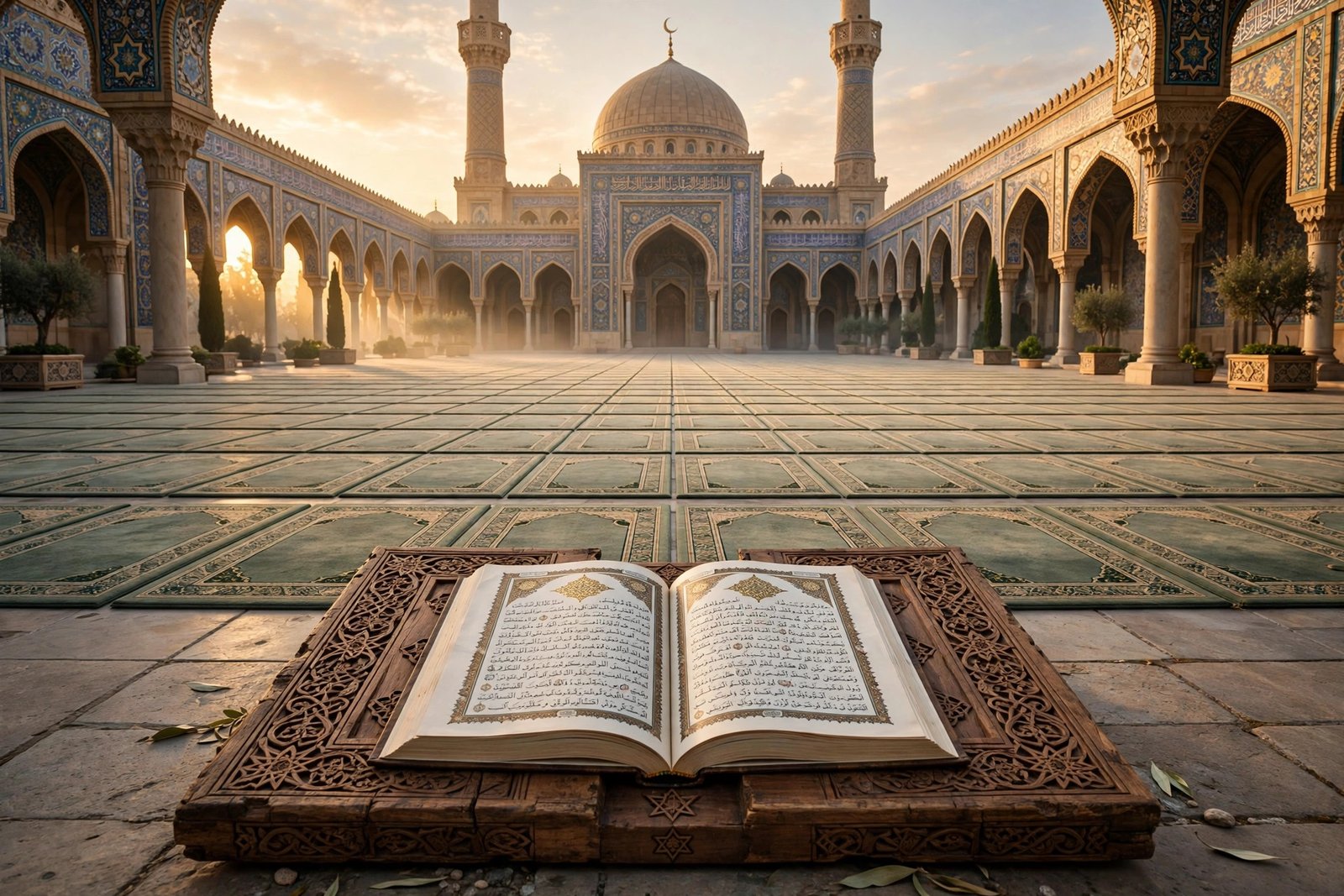
Brotherhood in Islam is not a mere social ideal — it is a divine bond that Allah Almighty Himself established between the believers. When a person accepts Islam, he does not merely join a religion; he joins a family of more than a billion brothers and sisters, bound together by faith in one Allah and love for His Messenger, the Prophet Muhammad ﷺ. This brotherhood in Islam cuts across every line that divides mankind — race, colour, language, nationality, wealth, and tribe — and replaces them all with a single, unbreakable bond: the bond of Iman. In this article, we explore the meaning of Islamic brotherhood and unity in the light of the Quran and authentic Hadith, the shining example of the Ansar and Muhajirun, the rights that every Muslim owes to his brother, the things that destroy unity, and the practical steps by which we can strengthen the Ummah today.
Table of Contents
- What Is Brotherhood in Islam?
- The Quranic Foundation of Unity
- The Prophet’s ﷺ Teaching: The Ummah Is One Body
- Love for Your Brother What You Love for Yourself
- The Ansar and Muhajirun: Brotherhood in Action
- The Rights of a Muslim over His Brother
- What Breaks Brotherhood: Envy, Hatred and Backbiting
- The Farewell Sermon: Equality of All Believers
- Unity in Worship: Prayer, Hajj and Ramadan
- How to Strengthen Brotherhood Today
- Forgiveness and Reconciliation
- Frequently Asked Questions
What Is Brotherhood in Islam?
Islam teaches that all believers are brothers and sisters in faith, no matter where they were born or what language they speak. Allah Almighty declares in the Holy Quran: “The believers are but brothers, so make settlement between your brothers. And fear Allah that you may receive mercy.” (Surah Al-Hujurat 49:10). This is not a metaphor or a figure of speech. In the sight of Allah, the bond of faith is real — as real as the bond of blood, and in many ways stronger, because it is a bond that will continue in the Hereafter while the bonds of this world come to an end. A Muslim in Pakistan and a Muslim in Africa, a Muslim in Turkey and a Muslim in America — all of them are brothers, and each one of them has rights over the other.
This brotherhood is built on three foundations. The first is Tawhid — the Oneness of Allah. All believers worship the same Lord, turn to the same Qiblah, and read the same Quran. The second is love for the Prophet Muhammad ﷺ, the final Messenger of Allah, whose Sunnah guides every believer in every land. The third is the shared hope of the same Jannah and the shared fear of the same Jahannam. When these three foundations are strong in the heart, no difference of race or language can divide the believers. The importance of seeking knowledge in Islam is shown here as well: the more a Muslim learns about his Deen, the more he understands that his brothers in faith are the greatest blessing Allah has given him after Iman itself. Those who wish to deepen their knowledge should explore the Quran courses at Jamia Saeedia Darul Quran, where the Quran and its teachings are explained step by step.
The Quranic Foundation of Unity
The Holy Quran commands the believers to hold together and forbids them from splitting apart. Allah Almighty says: “And hold firmly to the rope of Allah all together and do not become divided. And remember the favour of Allah upon you — when you were enemies and He brought your hearts together and you became, by His favour, brothers.” (Surah Aal-e-Imran 3:103). This verse was revealed about the tribes of Aws and Khazraj in Madinah, who had been enemies for generations before Islam. When they accepted Islam, Allah joined their hearts, and the hatred of a hundred years disappeared in a single moment. The verse teaches us that unity is not a human achievement — it is a favour of Allah, and it is maintained only by holding firmly to His rope, the Quran and the Sunnah.
The Quran also removes the very roots of racism and tribal pride. Allah says: “O mankind, indeed We have created you from male and female and made you peoples and tribes that you may know one another. Indeed, the most noble of you in the sight of Allah is the most righteous of you.” (Surah Al-Hujurat 49:13). Nations and tribes exist so that people may know one another — not so that one may boast over another. The only measure of honour in the sight of Allah is Taqwa, righteousness. A poor labourer who fears Allah is nobler in His sight than a rich king who does not. This is the foundation of equality in Islam, and it is the reason why no Muslim may look down upon another Muslim because of his colour, his country, or his family. The virtues of Surah Al-Mulk remind us that all of creation belongs to Allah alone, and the one who remembers this can never feel proud of his own tribe or nation.
The Prophet’s ﷺ Teaching: The Ummah Is One Body
The Prophet Muhammad ﷺ gave the believers a beautiful example of their unity. He said: “The believers, in their mutual love, mercy and compassion, are like one body. If one part of it complains of pain, the whole body responds with sleeplessness and fever.” (Sahih al-Bukhari 6011, Sahih Muslim 2586). Think about this example. When one finger of the body is hurt, the whole body feels it — the eyes cannot sleep, the heart beats faster, the whole person is restless. In the same way, when a Muslim suffers in any corner of the world, every other Muslim should feel his pain. If the suffering of our brothers does not move our hearts, then our brotherhood is only a word on our tongues, not a reality in our hearts.
This Hadith also teaches us that brotherhood is not passive. It is not enough to say “he is my brother” — we must act like brothers. When a brother is hungry, we feed him. When he is in debt, we help him. When he is wronged, we stand with him. When he is sad, we comfort him. The sadaqah charity in Islam is one of the most practical ways of living this Hadith: every act of charity is a proof that the body of the Ummah is alive and that its parts still feel one another’s pain. The Prophet Muhammad ﷺ also taught that the one who relieves the difficulty of a believer in this world will have his own difficulty relieved by Allah on the Day of Judgement — so helping a brother is, in truth, helping oneself.
Love for Your Brother What You Love for Yourself
One of the most famous Hadith of the Prophet Muhammad ﷺ sets the standard of true brotherhood: “None of you truly believes until he loves for his brother what he loves for himself.” (Sahih al-Bukhari 13, Sahih Muslim 45). This is a very high standard. It means that a Muslim’s Iman is not complete until his heart wishes for his brother the same good that he wishes for himself — the same success, the same health, the same honour, the same provision. If a man is happy when his brother fails, or sad when his brother succeeds, then his faith is weak and his brotherhood is broken, even if he prays and fasts.
This Hadith is the cure for jealousy, which is the greatest poison of brotherhood. When a Muslim sees his brother’s shop doing well, his brother’s children succeeding, or his brother’s name being praised, his heart should rejoice as if the blessing had come to him. The one who trains his heart in this way will find that his own rizq increases, for Allah loves the one who loves good for others. The patience (sabr) in Islam is closely connected to this teaching: when we see others blessed with what we do not have, patience keeps our hearts clean from envy, and gratitude keeps our tongues busy with the praise of Allah instead of complaints. The believer who is patient and grateful is the one whose brotherhood is strongest.
The Ansar and Muhajirun: Brotherhood in Action
The greatest example of brotherhood in the history of Islam is the bond that the Prophet Muhammad ﷺ established between the Muhajirun and the Ansar after the Hijrah to Madinah. The Muhajirun had left Makkah with nothing — they had abandoned their homes, their wealth, and their businesses for the sake of Allah. The Ansar, the believers of Madinah, opened their homes and their hearts to them. The Prophet ﷺ established a bond of brotherhood between them, pairing each Muhajir with an Ansari brother. The famous narration tells us that Sa’d ibn ar-Rabi رضی اللہ عنہ, one of the Ansar, offered his Muhajir brother Abdur Rahman ibn Awf رضی اللہ عنہ half of his wealth and even one of his houses (Sahih al-Bukhari 3780). Abdur Rahman رضی اللہ عنہ thanked him and asked only to be shown the way to the marketplace — and Allah blessed his trade so much that he became one of the wealthiest of the Sahaba Kiram رضی اللہ عنہم.
This is not a story from the distant past; it is a lesson for every age. The Ansar did not merely feel love in their hearts — they shared what they owned. True brotherhood is proved by sacrifice, not by words. When a Muslim brother loses his job, when a family is struck by a flood or an illness, when a refugee arrives in a new city with nothing — that is the moment when the Ummah is tested. Will we be like the Ansar, who shared half of what they had, or will we close our doors and say that it is not our problem? The kindness to neighbours in Islam carries the same spirit into our daily lives: the Prophet ﷺ said that Jibreel عليه السلام kept advising him about the neighbour so much that he thought the neighbour would be given a share of inheritance. The one who is kind to his neighbour has already taken the first step toward the brotherhood of the Ansar.
The Rights of a Muslim over His Brother
Brotherhood in Islam is not an empty feeling; it comes with clear rights that every Muslim owes to his brother. The Prophet Muhammad ﷺ said: “A Muslim is the brother of a Muslim; he does not oppress him, nor does he hand him over to an enemy. Whoever helps his brother in his need, Allah will help him in his need. Whoever relieves a Muslim of a difficulty, Allah will relieve him of a difficulty on the Day of Resurrection.” (Sahih al-Bukhari 2442, Sahih Muslim 2580). This Hadith teaches us three things. First, a Muslim must never oppress his brother — not with his hands, not with his tongue, and not with his wealth. Second, he must never abandon his brother to his enemies or to his difficulties. Third, helping a brother is the surest way of earning the help of Allah.
Another famous Hadith lists the rights of a Muslim in detail: when he greets you with Salam, return it; when he invites you, accept it; when he asks for advice, give it sincerely; when he sneezes and praises Allah, pray for him; when he is sick, visit him; and when he dies, follow his funeral (Sahih Muslim 2162). These are small acts, but they are the threads that weave the fabric of the Ummah together. The greeting of Salam itself is a prayer of peace, and the Prophet ﷺ taught that spreading Salam increases love between the believers. The power of dua in Islam is also part of brotherhood: the dua that a Muslim makes for his brother in his absence is answered, and an angel says “Ameen, and for you the same.” The one who prays for his brother is, in truth, praying for himself.
What Breaks Brotherhood: Envy, Hatred and Backbiting
Just as there are things that build brotherhood, there are things that destroy it, and the Prophet Muhammad ﷺ warned the Ummah about them in clear words. He said: “Do not hate one another, do not envy one another, do not turn your backs on one another, and be, O servants of Allah, brothers.” (Sahih al-Bukhari 6064, Sahih Muslim 2563). Hatred, envy, and turning away from one another are the three great enemies of unity. Envy eats good deeds the way fire eats wood. Hatred turns brothers into strangers. And turning one’s back — refusing to speak, refusing to greet, refusing to forgive — freezes the heart until brotherhood dies altogether.
Backbiting is another destroyer of unity that the Quran condemns in the strongest terms. Allah says: “And do not spy or backbite each other. Would one of you like to eat the flesh of his brother when dead? You would detest it.” (Surah Al-Hujurat 49:12). Backbiting is compared to eating the flesh of one’s dead brother — a picture so disgusting that no believer can hear it without feeling shame. Yet how common is backbiting in our gatherings today? We sit together and speak about the faults of our brothers, forgetting that the one we are speaking about is the very brother whom Allah commanded us to love. The controlling anger in Islam is the first line of defence here: most backbiting and hatred begin in a moment of anger, and the one who controls his anger protects his brotherhood from its greatest enemy. Suspicion is also forbidden in the same verse: “Avoid much suspicion, for some suspicion is sin.” A heart full of suspicion cannot love its brother.
The Farewell Sermon: Equality of All Believers
In his Farewell Sermon, delivered in the plain of Arafat during his final Hajj, the Prophet Muhammad ﷺ gave the Ummah its charter of equality. He said: “O people, your Lord is One and your father is one. An Arab has no superiority over a non-Arab, nor does a non-Arab have any superiority over an Arab; a white person has no superiority over a black person, nor does a black person have any superiority over a white person, except by piety and good deeds.” (Musnad Ahmad 22978). These are among the most powerful words ever spoken about human equality. They were spoken more than fourteen centuries ago, long before the modern world began to speak of human rights — and they remain the highest standard that mankind has ever been given.
The Farewell Sermon also declared that the blood, wealth, and honour of every Muslim are sacred and inviolable. No Muslim may harm another Muslim, take his wealth unjustly, or damage his honour. The Prophet ﷺ asked the crowd three times, “Have I conveyed the message?” and they replied, “Yes.” Then he said, “O Allah, bear witness.” That sermon is the constitution of the Ummah. Whenever Muslims forget it — whenever they fight over race, or tribe, or nationality, or sect — they are breaking the very covenant that the Prophet ﷺ made them witness to on the plain of Arafat. The honesty in Islam is part of this covenant as well: a brother who lies to his brother, cheats him in trade, or breaks his promise has violated the sacred trust that the Farewell Sermon established.
Unity in Worship: Prayer, Hajj and Ramadan
Allah has built unity into the very acts of worship. Five times a day, Muslims stand shoulder to shoulder in the mosque, the rich beside the poor, the king beside the labourer, with no distinction between them. The Prophet Muhammad ﷺ commanded the believers to straighten their rows in prayer, saying that the straightening of the rows is part of the perfection of the prayer — and he warned that if the rows are crooked, Allah will turn their hearts against one another. The virtues of Fajr prayer show how the day of a believer begins in the company of his brothers, and how the one who prays Fajr in congregation is under the protection of Allah for the whole day.
Hajj is the greatest gathering of brotherhood on earth. Millions of Muslims from every country, wearing the same simple white Ihram, circling the same Kaaba, standing on the same plain of Arafat, with no mark to distinguish the rich from the poor. In Hajj, the Ummah sees itself as it truly is: one family, one body, one Ummah. Ramadan carries the same message: the whole Ummah fasts together and breaks its fast together, and the fast teaches every believer to feel the hunger of his poor brother. These acts of worship are not only for the individual; they are schools of unity, and the one who performs them with understanding comes out with a stronger love for his brothers.
How to Strengthen Brotherhood Today
Brotherhood is not built by speeches alone; it is built by daily actions. The first step is the greeting of Salam. The Prophet Muhammad ﷺ said: “You will not enter Paradise until you believe, and you will not believe until you love one another. Shall I not tell you of something which, if you do it, you will love one another? Spread Salam among yourselves.” (Sahih Muslim 54). Greet your brothers warmly, with a smile, and do not wait for them to greet you first. The second step is to visit the sick, attend funerals, and share in the joys and sorrows of your brothers. The third step is to help with your wealth: give Sadaqah, lend without interest when a brother is in need, and support the poor of your neighbourhood before they have to ask.
The fourth step is to think well of your brothers. When you hear something bad about a brother, do not believe it at once; give him the benefit of the doubt, and if you must know the truth, ask him directly and gently. The fifth step is to settle disputes quickly. If two brothers quarrel, the rest of the community should not take sides and fan the fire; they should reconcile them, as Allah commands: “The believers are but brothers, so make settlement between your brothers.” (Surah Al-Hujurat 49:10). The sixth step is to teach our children brotherhood. The Islamic upbringing of children must include the lesson that every Muslim child is their brother or sister, and that they must never mock another child for his colour, his clothes, or his poverty. The seventh step is to make dua for the whole Ummah. The duas taught by the Prophet ﷺ include prayers for all the believers, and the one who prays for the Ummah every day will find his own heart growing in love for it.
Forgiveness and Reconciliation
No community of human beings can live without disagreements, and the Ummah is no exception. Brothers will sometimes hurt one another — with a word, with a debt, with a misunderstanding. The question is not whether disagreements will happen, but what we do when they happen. Islam commands us to forgive. Allah says: “And let them pardon and overlook. Would you not like that Allah should forgive you?” (Surah An-Nur 24:22). The one who forgives his brother is promised the forgiveness of Allah — and what greater reward could there be? The Prophet Muhammad ﷺ also taught that it is not lawful for a Muslim to abandon his brother for more than three days; if they meet, the better of the two is the one who greets the other first (Sahih al-Bukhari 6077, Sahih Muslim 2560).
Forgiveness is the door through which broken brotherhood is restored. When a brother apologises, accept his apology. When a brother wrongs you, forgive him for the sake of Allah, and do not keep a record of his faults. The tawbah repentance in Islam teaches us that Allah forgives the one who turns back to Him, no matter how great the sin — and if Allah, who is perfect, forgives us, how can we refuse to forgive our brothers, who are as weak as we are? The one who forgives lives with a light heart, while the one who holds a grudge carries a burden that grows heavier every day. Forgive your brother today, and Allah will forgive you tomorrow.
Frequently Asked Questions
What does the Quran say about brotherhood in Islam?
The Quran declares in Surah Al-Hujurat 49:10: “The believers are but brothers.” It also commands the believers to hold firmly to the rope of Allah together and not to become divided (Surah Aal-e-Imran 3:103), and it teaches that the most noble person in the sight of Allah is the most righteous, not the richest or the most powerful (Surah Al-Hujurat 49:13). Brotherhood in Islam is therefore a command of Allah, not a choice.
How did the Prophet Muhammad ﷺ teach brotherhood?
The Prophet Muhammad ﷺ taught that the believers are like one body, that no one truly believes until he loves for his brother what he loves for himself (Sahih al-Bukhari 13), and that a Muslim is the brother of a Muslim whom he must never oppress or abandon (Sahih al-Bukhari 2442). He also established a real bond of brotherhood between the Muhajirun and the Ansar after the Hijrah, which the Ansar honoured by sharing their homes and wealth.
What destroys brotherhood between Muslims?
Envy, hatred, backbiting, suspicion, and pride destroy brotherhood. The Prophet ﷺ said: “Do not hate one another, do not envy one another, do not turn your backs on one another, and be, O servants of Allah, brothers.” (Sahih al-Bukhari 6064). The Quran compares backbiting to eating the flesh of one’s dead brother (Surah Al-Hujurat 49:12). The cure is forgiveness, good opinion of one’s brothers, and controlling one’s anger.
What are the rights of a Muslim over his brother?
The rights include returning the greeting of Salam, accepting invitations, giving sincere advice, visiting the sick, following the funeral, helping in times of need, and never oppressing or abandoning him. The Prophet ﷺ listed these rights in Sahih Muslim 2162, and he taught that whoever relieves a Muslim’s difficulty will have his own difficulty relieved by Allah on the Day of Resurrection.
How can I strengthen brotherhood in my community?
Spread Salam, visit the sick, help the poor with Sadaqah, think well of your brothers, settle disputes quickly, forgive readily, teach your children to respect every Muslim, and make dua for the whole Ummah every day. Small daily actions — a warm greeting, a visit, a gift, a prayer — are the bricks from which the brotherhood of the Ummah is built.
Related Articles
اردو میں مکمل مضمون
اسلام میں اخوت و اتحاد محض ایک سماجی خیال نہیں، بلکہ ایک الٰہی رشتہ ہے جو اللہ تعالیٰ نے خود مومنوں کے درمیان قائم فرمایا ہے۔ جب کوئی شخص اسلام قبول کرتا ہے تو وہ صرف ایک دین میں داخل نہیں ہوتا، بلکہ ایک ارب سے زیادہ بھائیوں اور بہنوں کے خاندان میں شامل ہو جاتا ہے، جو ایک اللہ پر ایمان اور اپنے آقا و مولا نبی اکرم صلی اللہ علیہ وآلہ وسلم سے محبت کے رشتے میں بندھے ہوئے ہیں۔ اسلام میں اخوت نسل، رنگ، زبان، قومیت، دولت اور قبیلے کی ہر لکیر کو مٹا کر ان کی جگہ ایک ناقابلِ شکست رشتہ قائم کر دیتی ہے: ایمان کا رشتہ۔ اس مضمون میں ہم قرآن و حدیث کی روشنی میں اسلامی اخوت اور اتحاد کا مفہوم، انصار و مہاجرین کی روشن مثال، ہر مسلمان کے اپنے بھائی پر حقوق، اتحاد کو توڑنے والی چیزیں اور آج امت کے اتحاد کو مضبوط کرنے کے عملی طریقے بیان کریں گے۔
فہرست مضامین
- اسلام میں اخوت کیا ہے؟
- اتحاد کی قرآنی بنیاد
- نبی اکرم ﷺ کی تعلیم: امت ایک جسم کی مانند
- اپنے بھائی کے لیے وہی پسند کرو جو اپنے لیے پسند کرتے ہو
- انصار و مہاجرین: اخوت کا عملی نمونہ
- مسلمان کے اپنے بھائی پر حقوق
- اخوت کو توڑنے والی چیزیں: حسد، بغض اور غیبت
- خطبہ حجۃ الوداع: تمام مومنوں کی برابری
- عبادت میں اتحاد: نماز، حج اور رمضان
- آج اخوت کو مضبوط کرنے کے طریقے
- معافی اور صلح
- اکثر پوچھے جانے والے سوالات
اسلام میں اخوت کیا ہے؟
اسلام سکھاتا ہے کہ تمام مومن ایمان کے رشتے میں بھائی بہن ہیں، چاہے وہ کہیں پیدا ہوئے ہوں یا کون سی زبان بولتے ہوں۔ اللہ تعالیٰ قرآن مجید میں ارشاد فرماتا ہے: “مومن آپس میں بھائی بھائی ہیں، پس اپنے بھائیوں کے درمیان صلح کرا دو، اور اللہ سے ڈرو تاکہ تم پر رحم کیا جائے۔” (سورۃ الحجرات 49:10)۔ یہ کوئی استعارہ یا محاورہ نہیں۔ اللہ کی نظر میں ایمان کا رشتہ حقیقی ہے — خون کے رشتے جتنا حقیقی، اور کئی لحاظ سے اس سے بھی مضبوط، کیونکہ یہ وہ رشتہ ہے جو آخرت میں بھی قائم رہے گا جبکہ دنیا کے رشتے ختم ہو جائیں گے۔ پاکستان کا مسلمان اور افریقہ کا مسلمان، ترکی کا مسلمان اور امریکہ کا مسلمان — سب بھائی ہیں، اور ہر ایک کا دوسرے پر حق ہے۔
یہ اخوت تین بنیادوں پر قائم ہے۔ پہلی بنیاد توحید ہے — اللہ کی وحدانیت۔ تمام مومن ایک ہی رب کی عبادت کرتے ہیں، ایک ہی قبلے کی طرف رخ کرتے ہیں اور ایک ہی قرآن پڑھتے ہیں۔ دوسری بنیاد نبی اکرم صلی اللہ علیہ وآلہ وسلم سے محبت ہے، جن کی سنت ہر ملک کے ہر مومن کی رہنمائی کرتی ہے۔ تیسری بنیاد ایک ہی جنت کی امید اور ایک ہی جہنم کا خوف ہے۔ جب یہ تینوں بنیادیں دل میں مضبوط ہوں تو نسل یا زبان کا کوئی فرق مومنوں کو جدا نہیں کر سکتا۔ اسلام میں علم کی اہمیت یہاں بھی ظاہر ہوتی ہے: مسلمان اپنے دین کے بارے میں جتنا زیادہ سیکھتا ہے، اتنا ہی زیادہ سمجھتا ہے کہ ایمان کے بعد اس کے بھائی اس کے لیے اللہ کی سب سے بڑی نعمت ہیں۔ جو لوگ اپنے علم کو گہرا کرنا چاہتے ہیں وہ جامعہ سعیدیہ دارالقرآن کے قرآن کورسز سے استفادہ کر سکتے ہیں، جہاں قرآن اور اس کی تعلیمات قدم بہ قدم سمجھائی جاتی ہیں۔
اتحاد کی قرآنی بنیاد
قرآن مجید مومنوں کو حکم دیتا ہے کہ وہ مل کر اللہ کی رسی کو مضبوطی سے تھامیں اور آپس میں تفرقہ نہ ڈالیں۔ اللہ تعالیٰ فرماتا ہے: “اور تم سب مل کر اللہ کی رسی کو مضبوطی سے تھام لو اور تفرقہ نہ ڈالو، اور اللہ کی اس نعمت کو یاد کرو جو تم پر ہوئی جب تم ایک دوسرے کے دشمن تھے تو اس نے تمہارے دلوں کو جوڑ دیا اور تم اس کے فضل سے بھائی بھائی بن گئے۔” (سورۃ آل عمران 3:103)۔ یہ آیت مدینہ کے قبائل اوس و خزرج کے بارے میں نازل ہوئی تھی، جو اسلام سے پہلے نسلوں سے ایک دوسرے کے دشمن تھے۔ جب انہوں نے اسلام قبول کیا تو اللہ نے ان کے دل جوڑ دیے اور سو سال کی دشمنی ایک لمحے میں ختم ہو گئی۔ یہ آیت ہمیں سکھاتی ہے کہ اتحاد انسانی کاوش نہیں — یہ اللہ کا فضل ہے، اور یہ صرف اللہ کی رسی یعنی قرآن و سنت کو مضبوطی سے تھامنے سے قائم رہتا ہے۔
قرآن نسل پرستی اور قبائلی فخر کی جڑیں بھی کاٹ دیتا ہے۔ اللہ تعالیٰ فرماتا ہے: “اے لوگو! بے شک ہم نے تمہیں ایک مرد اور ایک عورت سے پیدا کیا اور تمہیں قومیں اور قبیلے بنایا تاکہ تم ایک دوسرے کو پہچانو۔ بے شک اللہ کے نزدیک تم میں سب سے زیادہ عزت والا وہ ہے جو سب سے زیادہ پرہیزگار ہے۔” (سورۃ الحجرات 49:13)۔ قومیں اور قبیلے اس لیے ہیں کہ لوگ ایک دوسرے کو پہچانیں — اس لیے نہیں کہ ایک دوسرے پر فخر کرے۔ اللہ کی نظر میں عزت کا واحد پیمانہ تقویٰ یعنی پرہیزگاری ہے۔ ایک غریب مزدور جو اللہ سے ڈرتا ہے، اللہ کی نظر میں اس امیر بادشاہ سے زیادہ عزت والا ہے جو اللہ سے نہیں ڈرتا۔ یہ اسلام میں برابری کی بنیاد ہے، اور اسی لیے کوئی مسلمان دوسرے مسلمان کو اس کے رنگ، ملک یا خاندان کی وجہ سے حقیر نہیں سمجھ سکتا۔ سورۃ الملک کی فضیلت ہمیں یاد دلاتی ہے کہ ساری مخلوق صرف اللہ کی ہے، اور جو اسے یاد رکھتا ہے وہ کبھی اپنے قبیلے یا قوم پر فخر نہیں کر سکتا۔
نبی اکرم ﷺ کی تعلیم: امت ایک جسم کی مانند
نبی اکرم صلی اللہ علیہ وآلہ وسلم نے مومنوں کے اتحاد کی خوبصورت مثال دی۔ آپ ﷺ نے فرمایا: “مومن آپس کی محبت، رحم اور شفقت میں ایک جسم کی مانند ہیں۔ جب جسم کا ایک حصہ تکلیف محسوس کرتا ہے تو سارا جسم بے خوابی اور بخار میں مبتلا ہو جاتا ہے۔” (صحیح البخاری 6011، صحیح مسلم 2586)۔ اس مثال پر غور کیجیے۔ جب جسم کی ایک انگلی کو تکلیف ہوتی ہے تو سارا جسم اسے محسوس کرتا ہے — آنکھیں سو نہیں سکتیں، دل تیز دھڑکتا ہے، پورا انسان بے چین ہو جاتا ہے۔ اسی طرح جب دنیا کے کسی کونے میں کوئی مسلمان تکلیف میں ہو تو ہر دوسرے مسلمان کو اس کی تکلیف محسوس ہونی چاہیے۔ اگر ہمارے بھائیوں کی تکلیف ہمارے دلوں کو نہ ہلائے تو ہماری اخوت صرف زبان کا لفظ ہے، دل کی حقیقت نہیں۔
یہ حدیث یہ بھی سکھاتی ہے کہ اخوت محض جذبات کا نام نہیں۔ صرف یہ کہنا کافی نہیں کہ “وہ میرا بھائی ہے” — بھائیوں جیسا عمل بھی کرنا چاہیے۔ جب بھائی بھوکا ہو تو اسے کھانا کھلائیں۔ جب وہ قرض میں ہو تو اس کی مدد کریں۔ جب اس پر ظلم ہو تو اس کے ساتھ کھڑے ہوں۔ جب وہ غمگین ہو تو اسے تسلی دیں۔ اسلام میں صدقہ کی فضیلت اس حدیث پر عمل کرنے کا سب سے عملی طریقہ ہے: صدقے کا ہر عمل اس بات کا ثبوت ہے کہ امت کا جسم زندہ ہے اور اس کے اعضاء ایک دوسرے کی تکلیف محسوس کرتے ہیں۔ نبی اکرم صلی اللہ علیہ وآلہ وسلم نے یہ بھی سکھایا کہ جو شخص دنیا میں کسی مومن کی مشکل آسان کرتا ہے، اللہ قیامت کے دن اس کی مشکل آسان فرمائے گا — پس بھائی کی مدد کرنا درحقیقت اپنی مدد کرنا ہے۔
اپنے بھائی کے لیے وہی پسند کرو جو اپنے لیے پسند کرتے ہو
نبی اکرم صلی اللہ علیہ وآلہ وسلم کی سب سے مشہور احادیث میں سے ایک اخوت کا معیار مقرر کرتی ہے: “تم میں سے کوئی شخص اس وقت تک کامل مومن نہیں ہو سکتا جب تک وہ اپنے بھائی کے لیے وہی پسند نہ کرے جو اپنے لیے پسند کرتا ہے۔” (صحیح البخاری 13، صحیح مسلم 45)۔ یہ بہت بلند معیار ہے۔ اس کا مطلب یہ ہے کہ مسلمان کا ایمان اس وقت تک مکمل نہیں ہوتا جب تک اس کا دل اپنے بھائی کے لیے وہی بھلائی نہ چاہے جو وہ اپنے لیے چاہتا ہے — وہی کامیابی، وہی صحت، وہی عزت، وہی رزق۔ اگر کوئی شخص اپنے بھائی کی ناکامی پر خوش ہو یا اس کی کامیابی پر غمگین ہو تو اس کا ایمان کمزور ہے اور اس کی اخوت ٹوٹی ہوئی ہے، چاہے وہ نماز پڑھتا ہو اور روزے رکھتا ہو۔
یہ حدیث حسد کا علاج ہے، جو اخوت کا سب سے بڑا زہر ہے۔ جب مسلمان اپنے بھائی کی دکان کو چلتا دیکھے، اس کے بچوں کو کامیاب دیکھے یا اس کے نام کی تعریف سنے تو اس کا دل اسی طرح خوش ہونا چاہیے جیسے وہ نعمت اسے ملی ہو۔ جو شخص اپنے دل کو اس طرح تربیت دیتا ہے اس کے اپنے رزق میں بھی برکت ہوتی ہے، کیونکہ اللہ اسے پسند کرتا ہے جو دوسروں کے لیے بھلائی چاہتا ہے۔ مشکل وقت میں صبر اس تعلیم سے گہرا تعلق رکھتا ہے: جب ہم دوسروں کو وہ نعمتیں پاتے دیکھتے ہیں جو ہمارے پاس نہیں ہیں تو صبر ہمارے دلوں کو حسد سے پاک رکھتا ہے، اور شکر ہماری زبان کو شکایت کے بجائے اللہ کی حمد میں مصروف رکھتا ہے۔ صبر اور شکر کرنے والا مومن ہی وہ ہے جس کی اخوت سب سے مضبوط ہوتی ہے۔
انصار و مہاجرین: اخوت کا عملی نمونہ
اسلام کی تاریخ میں اخوت کی سب سے عظیم مثال وہ رشتہ ہے جو نبی اکرم صلی اللہ علیہ وآلہ وسلم نے ہجرتِ مدینہ کے بعد مہاجرین اور انصار کے درمیان قائم فرمایا۔ مہاجرین نے اللہ کی خاطر مکہ چھوڑا تھا — اپنے گھر، اپنی دولت اور اپنے کاروبار سب کچھ چھوڑ کر آئے تھے۔ انصار، یعنی مدینہ کے مومنوں نے اپنے گھر اور دل ان کے لیے کھول دیے۔ نبی اکرم صلی اللہ علیہ وآلہ وسلم نے ان کے درمیان بھائی چارے کا رشتہ قائم فرمایا، ہر مہاجر کا ایک انصاری بھائی مقرر کیا۔ مشہور روایت ہے کہ انصار کے سردار حضرت سعد بن ربیع رضی اللہ عنہ نے اپنے مہاجر بھائی حضرت عبدالرحمن بن عوف رضی اللہ عنہ کو اپنی آدھی دولت اور اپنا ایک گھر پیش کر دیا (صحیح البخاری 3780)۔ حضرت عبدالرحمن رضی اللہ عنہ نے شکریہ ادا کیا اور صرف بازار کا راستہ پوچھا — اور اللہ نے ان کی تجارت میں اتنی برکت دی کہ وہ صحابہ کرام رضی اللہ عنہم میں سب سے مالدار لوگوں میں شمار ہونے لگے۔
یہ ماضی بعید کی کہانی نہیں، بلکہ ہر زمانے کے لیے سبق ہے۔ انصار نے صرف دل میں محبت محسوس نہیں کی — انہوں نے جو کچھ ان کے پاس تھا وہ بانٹا۔ حقیقی اخوت قربانی سے ثابت ہوتی ہے، الفاظ سے نہیں۔ جب کوئی مسلمان بھائی اپنی نوکری کھو دے، جب کسی خاندان پر سیلاب یا بیماری آ جائے، جب کوئی مہاجر نئے شہر میں خالی ہاتھ آئے — وہی لمحہ امت کا امتحان ہوتا ہے۔ کیا ہم انصار کی طرح ہوں گے جنہوں نے اپنی آدھی دولت بانٹ دی، یا ہم اپنے دروازے بند کر کے کہیں گے کہ یہ ہمارا مسئلہ نہیں؟ پڑوسیوں کے حقوق اسلام میں اسی روح کو ہماری روزمرہ زندگی میں لے آتا ہے: نبی اکرم صلی اللہ علیہ وآلہ وسلم نے فرمایا کہ حضرت جبرائیل علیہ السلام نے پڑوسی کے بارے میں اتنی تاکید کی کہ مجھے گمان ہوا کہ پڑوسی کو وراثت میں حصہ مل جائے گا۔ جو شخص اپنے پڑوسی سے اچھا سلوک کرتا ہے، اس نے انصار کی اخوت کی طرف پہلا قدم اٹھا لیا۔
مسلمان کے اپنے بھائی پر حقوق
اسلام میں اخوت خالی جذبات کا نام نہیں، اس کے ساتھ واضح حقوق ہیں جو ہر مسلمان اپنے بھائی پر ادا کرتا ہے۔ نبی اکرم صلی اللہ علیہ وآلہ وسلم نے فرمایا: “مسلمان مسلمان کا بھائی ہے، نہ اس پر ظلم کرتا ہے اور نہ اسے دشمن کے حوالے کرتا ہے۔ جو شخص اپنے بھائی کی حاجت پوری کرتا ہے، اللہ اس کی حاجت پوری فرماتا ہے۔ جو شخص کسی مسلمان کی مشکل دور کرتا ہے، اللہ قیامت کے دن اس کی مشکل دور فرمائے گا۔” (صحیح البخاری 2442، صحیح مسلم 2580)۔ یہ حدیث تین چیزیں سکھاتی ہے۔ پہلی یہ کہ مسلمان اپنے بھائی پر کبھی ظلم نہ کرے — نہ ہاتھ سے، نہ زبان سے، نہ مال سے۔ دوسری یہ کہ اپنے بھائی کو اس کے دشمن یا اس کی مشکلات کے حوالے نہ کرے۔ تیسری یہ کہ بھائی کی مدد کرنا اللہ کی مدد حاصل کرنے کا سب سے یقینی طریقہ ہے۔
ایک اور مشہور حدیث میں مسلمان کے حقوق تفصیل سے بیان کیے گئے ہیں: جب وہ سلام کرے تو جواب دو، جب دعوت دے تو قبول کرو، جب مشورہ مانگے تو سچا مشورہ دو، جب چھینکے اور الحمد للہ کہے تو اس کے لیے دعا کرو، جب بیمار ہو تو عیادت کرو، اور جب انتقال کر جائے تو اس کے جنازے میں شریک ہو (صحیح مسلم 2162)۔ یہ چھوٹے چھوٹے اعمال ہیں، لیکن یہی وہ دھاگے ہیں جن سے امت کا کپڑا بنتا ہے۔ سلام خود امن کی دعا ہے، اور نبی اکرم صلی اللہ علیہ وآلہ وسلم نے سکھایا کہ سلام پھیلانے سے مومنوں کے درمیان محبت بڑھتی ہے۔ اسلام میں دعا کی طاقت بھی اخوت کا حصہ ہے: جو دعا مسلمان اپنے بھائی کے لیے اس کی غیر موجودگی میں کرتا ہے وہ قبول ہوتی ہے، اور فرشتہ کہتا ہے “آمین، اور تمہیں بھی یہی ملے۔” جو اپنے بھائی کے لیے دعا کرتا ہے وہ درحقیقت اپنے لیے دعا کر رہا ہے۔
اخوت کو توڑنے والی چیزیں: حسد، بغض اور غیبت
جس طرح اخوت کو بنانے والی چیزیں ہیں، اسی طرح اسے توڑنے والی چیزیں بھی ہیں، اور نبی اکرم صلی اللہ علیہ وآلہ وسلم نے امت کو ان سے واضح الفاظ میں خبردار کیا ہے۔ آپ ﷺ نے فرمایا: “ایک دوسرے سے بغض نہ رکھو، ایک دوسرے سے حسد نہ کرو، ایک دوسرے سے منہ نہ موڑو، اور اللہ کے بندو! بھائی بھائی بن جاؤ۔” (صحیح البخاری 6064، صحیح مسلم 2563)۔ بغض، حسد اور منہ موڑنا اتحاد کے تین بڑے دشمن ہیں۔ حسد نیکیوں کو اس طرح کھا جاتا ہے جیسے آگ لکڑی کو کھا جاتی ہے۔ بغض بھائیوں کو اجنبی بنا دیتا ہے۔ اور منہ موڑنا — بات نہ کرنا، سلام نہ کرنا، معاف نہ کرنا — دل کو اس وقت تک جما دیتا ہے جب تک اخوت مر نہ جائے۔
غیبت بھی اتحاد کو توڑنے والی چیز ہے جس کی قرآن نے سخت ترین الفاظ میں مذمت کی ہے۔ اللہ تعالیٰ فرماتا ہے: “اور ایک دوسرے کی جاسوسی نہ کرو اور ایک دوسرے کی غیبت نہ کرو۔ کیا تم میں سے کوئی یہ پسند کرے گا کہ اپنے مردہ بھائی کا گوشت کھائے؟ تم اس سے نفرت کرو گے۔” (سورۃ الحجرات 49:12)۔ غیبت کو اپنے مردہ بھائی کا گوشت کھانے سے تشبیہ دی گئی ہے — ایسی تصویر جسے سن کر کوئی مومن شرم محسوس کیے بغیر نہیں رہ سکتا۔ پھر بھی آج ہماری مجلسوں میں غیبت کتنی عام ہے؟ ہم بیٹھ کر اپنے بھائیوں کی خامیاں بیان کرتے ہیں، بھول جاتے ہیں کہ جس کے بارے میں ہم بات کر رہے ہیں وہی وہ بھائی ہے جس سے محبت کا حکم اللہ نے دیا ہے۔ غصے پر قابو پانا اسلام میں یہاں دفاع کی پہلی لکیر ہے: زیادہ تر غیبت اور بغض غصے کے ایک لمحے سے شروع ہوتے ہیں، اور جو شخص اپنے غصے پر قابو پاتا ہے وہ اپنی اخوت کو اس کے سب سے بڑے دشمن سے بچا لیتا ہے۔ اسی آیت میں بدگمانی سے بھی منع کیا گیا ہے: “بہت سے گمانوں سے بچو، کیونکہ بعض گمان گناہ ہوتے ہیں۔” بدگمانی سے بھرا دل اپنے بھائی سے محبت نہیں کر سکتا۔
خطبہ حجۃ الوداع: تمام مومنوں کی برابری
اپنے آخری حج کے موقع پر میدانِ عرفات میں دیے گئے خطبہ حجۃ الوداع میں نبی اکرم صلی اللہ علیہ وآلہ وسلم نے امت کو برابری کا منشور عطا فرمایا۔ آپ ﷺ نے فرمایا: “اے لوگو! تمہارا رب ایک ہے اور تمہارا باپ ایک ہے۔ کسی عربی کو عجمی پر کوئی فضیلت نہیں، اور نہ کسی عجمی کو عربی پر کوئی فضیلت ہے؛ کسی گورے کو کالے پر کوئی فضیلت نہیں، اور نہ کسی کالے کو گورے پر کوئی فضیلت ہے، سوائے تقویٰ اور نیک اعمال کے۔” (مسند احمد 22978)۔ یہ انسانی برابری کے بارے میں کہے گئے سب سے طاقتور الفاظ ہیں۔ یہ چودہ صدیوں سے زیادہ پہلے کہے گئے تھے، اس سے بہت پہلے کہ جدید دنیا نے انسانی حقوق کی بات شروع کی — اور آج بھی یہ وہ بلند ترین معیار ہیں جو انسانیت کو کبھی دیے گئے ہیں۔
خطبہ حجۃ الوداع میں یہ بھی اعلان کیا گیا کہ ہر مسلمان کا خون، مال اور عزت حرمت والی اور ناقابلِ تعدی ہے۔ کوئی مسلمان دوسرے مسلمان کو نقصان نہیں پہنچا سکتا، اس کا مال ناحق نہیں لے سکتا، اور اس کی عزت کو نقصان نہیں پہنچا سکتا۔ نبی اکرم صلی اللہ علیہ وآلہ وسلم نے مجمع سے تین بار پوچھا: “کیا میں نے پیغام پہنچا دیا؟” اور انہوں نے جواب دیا: “جی ہاں۔” پھر آپ ﷺ نے فرمایا: “اے اللہ! گواہ رہ۔” یہ خطبہ امت کا دستور ہے۔ جب بھی مسلمان اسے بھول جاتے ہیں — جب بھی وہ نسل، قبیلے، قومیت یا فرقے پر لڑتے ہیں — تو وہ اسی عہد کو توڑ رہے ہوتے ہیں جس کی گواہی نبی اکرم صلی اللہ علیہ وآلہ وسلم نے ان سے میدانِ عرفات میں لی تھی۔ اسلام میں سچائی اور امانت بھی اسی عہد کا حصہ ہے: جو بھائی اپنے بھائی سے جھوٹ بولتا ہے، تجارت میں دھوکا دیتا ہے یا وعدہ توڑتا ہے، اس نے اس مقدس امانت کو توڑا ہے جو خطبہ حجۃ الوداع میں قائم کی گئی تھی۔
عبادت میں اتحاد: نماز، حج اور رمضان
اللہ نے اتحاد کو عبادات کے اندر ہی رکھ دیا ہے۔ دن میں پانچ بار مسلمان مسجد میں کندھے سے کندھا ملا کر کھڑے ہوتے ہیں، امیر غریب کے ساتھ، بادشاہ مزدور کے ساتھ، ان میں کوئی فرق نہیں ہوتا۔ نبی اکرم صلی اللہ علیہ وآلہ وسلم نے مومنوں کو حکم دیا کہ وہ نماز میں اپنی صفیں سیدھی کریں، اور فرمایا کہ صفوں کو سیدھا کرنا نماز کی تکمیل کا حصہ ہے — اور خبردار کیا کہ اگر صفیں ٹیڑھی ہوں تو اللہ ان کے دلوں کو ایک دوسرے کے خلاف کر دے گا۔ فجر کی نماز کی فضیلت بتاتی ہے کہ مومن کا دن اپنے بھائیوں کی صحبت میں کیسے شروع ہوتا ہے، اور جو شخص جماعت کے ساتھ فجر پڑھتا ہے وہ پورا دن اللہ کی حفاظت میں رہتا ہے۔
حج زمین پر اخوت کا سب سے بڑا اجتماع ہے۔ ہر ملک کے لاکھوں مسلمان ایک ہی سادہ سفید احرام پہنے، ایک ہی کعبہ کا طواف کرتے، ایک ہی میدانِ عرفات میں کھڑے ہوتے ہیں، اور امیر و غریب میں فرق کرنے والا کوئی نشان نہیں ہوتا۔ حج میں امت خود کو ویسا ہی دیکھتی ہے جیسی وہ حقیقت میں ہے: ایک خاندان، ایک جسم، ایک امت۔ رمضان بھی یہی پیغام لے کر آتا ہے: پوری امت ایک ساتھ روزہ رکھتی ہے اور ایک ساتھ افطار کرتی ہے، اور روزہ ہر مومن کو اپنے غریب بھائی کی بھوک محسوس کرنا سکھاتا ہے۔ یہ عبادات صرف فرد کے لیے نہیں ہیں؛ یہ اتحاد کے اسکول ہیں، اور جو انہیں سمجھ کر ادا کرتا ہے وہ اپنے بھائیوں سے بڑی محبت لے کر نکلتا ہے۔
آج اخوت کو مضبوط کرنے کے طریقے
اخوت صرف تقریروں سے نہیں بنتی، یہ روزمرہ کے اعمال سے بنتی ہے۔ پہلا قدم سلام ہے۔ نبی اکرم صلی اللہ علیہ وآلہ وسلم نے فرمایا: “تم جنت میں داخل نہیں ہو سکتے جب تک ایمان نہ لاؤ، اور تم مومن نہیں ہو سکتے جب تک ایک دوسرے سے محبت نہ کرو۔ کیا میں تمہیں ایسی چیز نہ بتاؤں کہ اگر تم اس پر عمل کرو تو تم ایک دوسرے سے محبت کرنے لگو؟ اپنے درمیان سلام پھیلاؤ۔” (صحیح مسلم 54)۔ اپنے بھائیوں کو گرم جوشی سے سلام کرو، مسکراہٹ کے ساتھ، اور ان کے سلام کا انتظار نہ کرو۔ دوسرا قدم بیمار کی عیادت، جنازوں میں شرکت، اور اپنے بھائیوں کے دکھ سکھ میں شریک ہونا ہے۔ تیسرا قدم اپنے مال سے مدد کرنا ہے: صدقہ دو، جب بھائی ضرورت میں ہو تو بغیر سود قرض دو، اور اپنے محلے کے غریبوں کی مدد کرو اس سے پہلے کہ انہیں مانگنا پڑے۔
چوتھا قدم اپنے بھائیوں کے بارے میں اچھا گمان رکھنا ہے۔ جب اپنے بھائی کے بارے میں کوئی بری بات سنو تو فوراً یقین نہ کرو؛ اسے فائدہ دو، اور اگر سچ جاننا ضروری ہو تو اس سے براہِ راست اور نرمی سے پوچھو۔ پانچواں قدم جھگڑوں کو جلد ختم کرنا ہے۔ اگر دو بھائیوں میں جھگڑا ہو جائے تو باقی برادری کو فریق نہ بننا چاہیے اور آگ نہ بھڑکانی چاہیے؛ بلکہ ان کے درمیان صلح کرا دینی چاہیے، جیسا کہ اللہ کا حکم ہے: “مومن آپس میں بھائی بھائی ہیں، پس اپنے بھائیوں کے درمیان صلح کرا دو۔” (سورۃ الحجرات 49:10)۔ چھٹا قدم اپنے بچوں کو اخوت سکھانا ہے۔ بچوں کی اسلامی تربیت میں یہ سبق ضرور شامل ہونا چاہیے کہ ہر مسلمان بچہ ان کا بھائی یا بہن ہے، اور انہیں کبھی کسی بچے کا اس کے رنگ، کپڑوں یا غربت پر مذاق نہیں اڑانا چاہیے۔ ساتواں قدم پوری امت کے لیے دعا کرنا ہے۔ نبی اکرم صلی اللہ علیہ وآلہ وسلم کی سکھائی گئی دعاؤں میں تمام مومنوں کے لیے دعائیں شامل ہیں، اور جو شخص ہر روز امت کے لیے دعا کرتا ہے اس کے دل میں امت کی محبت بڑھتی جاتی ہے۔
معافی اور صلح
انسانوں کی کوئی بھی برادری اختلافات کے بغیر نہیں رہ سکتی، اور امت بھی اس سے مستثنیٰ نہیں۔ بھائی کبھی کبھی ایک دوسرے کو تکلیف پہنچا دیتے ہیں — کسی بات سے، کسی قرض سے، کسی غلط فہمی سے۔ سوال یہ نہیں کہ اختلافات ہوں گے یا نہیں، سوال یہ ہے کہ جب وہ ہوں تو ہم کیا کرتے ہیں۔ اسلام ہمیں معاف کرنے کا حکم دیتا ہے۔ اللہ تعالیٰ فرماتا ہے: “اور انہیں معاف کر دو اور درگزر کرو۔ کیا تم نہیں چاہتے کہ اللہ تمہیں معاف کر دے؟” (سورۃ النور 24:22)۔ جو شخص اپنے بھائی کو معاف کرتا ہے، اسے اللہ کی معافی کا وعدہ ہے — اور اس سے بڑا انعام کیا ہو سکتا ہے؟ نبی اکرم صلی اللہ علیہ وآلہ وسلم نے یہ بھی سکھایا کہ کسی مسلمان کے لیے جائز نہیں کہ وہ اپنے بھائی سے تین دن سے زیادہ منہ موڑے؛ جب وہ ملیں تو ان میں سے بہتر وہ ہے جو پہلے سلام کرے (صحیح البخاری 6077، صحیح مسلم 2560)۔
معافی وہ دروازہ ہے جس سے ٹوٹی ہوئی اخوت بحال ہوتی ہے۔ جب کوئی بھائی معافی مانگے تو اس کی معافی قبول کرو۔ جب کوئی بھائی تمہیں تکلیف پہنچائے تو اللہ کی خاطر اسے معاف کر دو، اور اس کی غلطیوں کا حساب نہ رکھو۔ اسلام میں توبہ ہمیں سکھاتی ہے کہ اللہ اسے معاف کر دیتا ہے جو اس کی طرف لوٹ آئے، چاہے گناہ کتنا ہی بڑا ہو — اور اگر اللہ، جو کامل ہے، ہمیں معاف کر دیتا ہے تو ہم اپنے بھائیوں کو کیسے معاف نہ کریں جو ہماری طرح کمزور ہیں؟ جو شخص معاف کرتا ہے وہ ہلکے دل سے جیتا ہے، جبکہ جو شخص بغض رکھتا ہے وہ ایسا بوجھ اٹھاتا ہے جو ہر دن بھاری ہوتا جاتا ہے۔ آج اپنے بھائی کو معاف کر دو، اور اللہ کل تمہیں معاف کر دے گا۔
اکثر پوچھے جانے والے سوالات
قرآن اسلام میں اخوت کے بارے میں کیا کہتا ہے؟
قرآن سورۃ الحجرات 49:10 میں اعلان کرتا ہے: “مومن آپس میں بھائی بھائی ہیں۔” اور یہ بھی حکم دیتا ہے کہ مومن اللہ کی رسی کو مضبوطی سے تھامیں اور تفرقہ نہ ڈالیں (سورۃ آل عمران 3:103)، اور سکھاتا ہے کہ اللہ کے نزدیک سب سے زیادہ عزت والا وہ ہے جو سب سے زیادہ پرہیزگار ہے، نہ کہ سب سے زیادہ امیر یا طاقتور (سورۃ الحجرات 49:13)۔ پس اسلام میں اخوت اللہ کا حکم ہے، کوئی انتخاب نہیں۔
نبی اکرم ﷺ نے اخوت کیسے سکھائی؟
نبی اکرم صلی اللہ علیہ وآلہ وسلم نے سکھایا کہ مومن ایک جسم کی مانند ہیں، کہ کوئی شخص اس وقت تک کامل مومن نہیں ہو سکتا جب تک وہ اپنے بھائی کے لیے وہی پسند نہ کرے جو اپنے لیے پسند کرتا ہے (صحیح البخاری 13)، اور کہ مسلمان مسلمان کا بھائی ہے جس پر وہ کبھی ظلم نہ کرے اور نہ اسے چھوڑے (صحیح البخاری 2442)۔ آپ ﷺ نے ہجرت کے بعد مہاجرین اور انصار کے درمیان اخوت کا حقیقی رشتہ بھی قائم فرمایا، جسے انصار نے اپنے گھر اور مال بانٹ کر نبھایا۔
مسلمانوں کے درمیان اخوت کو کیا چیزیں توڑتی ہیں؟
حسد، بغض، غیبت، بدگمانی اور تکبر اخوت کو توڑتے ہیں۔ نبی اکرم صلی اللہ علیہ وآلہ وسلم نے فرمایا: “ایک دوسرے سے بغض نہ رکھو، ایک دوسرے سے حسد نہ کرو، ایک دوسرے سے منہ نہ موڑو، اور اللہ کے بندو! بھائی بھائی بن جاؤ۔” (صحیح البخاری 6064)۔ قرآن غیبت کو اپنے مردہ بھائی کا گوشت کھانے سے تشبیہ دیتا ہے (سورۃ الحجرات 49:12)۔ اس کا علاج معافی، بھائیوں کے بارے میں اچھا گمان اور غصے پر قابو ہے۔
مسلمان کے اپنے بھائی پر کیا حقوق ہیں؟
حقوق میں سلام کا جواب دینا، دعوت قبول کرنا، سچا مشورہ دینا، بیمار کی عیادت کرنا، جنازے میں شرکت کرنا، ضرورت کے وقت مدد کرنا، اور کبھی ظلم نہ کرنا یا اسے چھوڑنا شامل ہیں۔ نبی اکرم صلی اللہ علیہ وآلہ وسلم نے یہ حقوق صحیح مسلم 2162 میں بیان کیے ہیں، اور سکھایا ہے کہ جو شخص کسی مسلمان کی مشکل دور کرتا ہے، اللہ قیامت کے دن اس کی مشکل دور فرمائے گا۔
میں اپنی برادری میں اخوت کو کیسے مضبوط کر سکتا ہوں؟
سلام پھیلاؤ، بیمار کی عیادت کرو، صدقے سے غریبوں کی مدد کرو، اپنے بھائیوں کے بارے میں اچھا گمان رکھو، جھگڑے جلد ختم کرو، آسانی سے معاف کرو، اپنے بچوں کو ہر مسلمان کا احترام سکھاؤ، اور ہر روز پوری امت کے لیے دعا کرو۔ روزمرہ کے چھوٹے اعمال — گرم سلام، عیادت، تحفہ، دعا — وہ اینٹیں ہیں جن سے امت کی اخوت کی عمارت بنتی ہے۔


Leave A Comment