

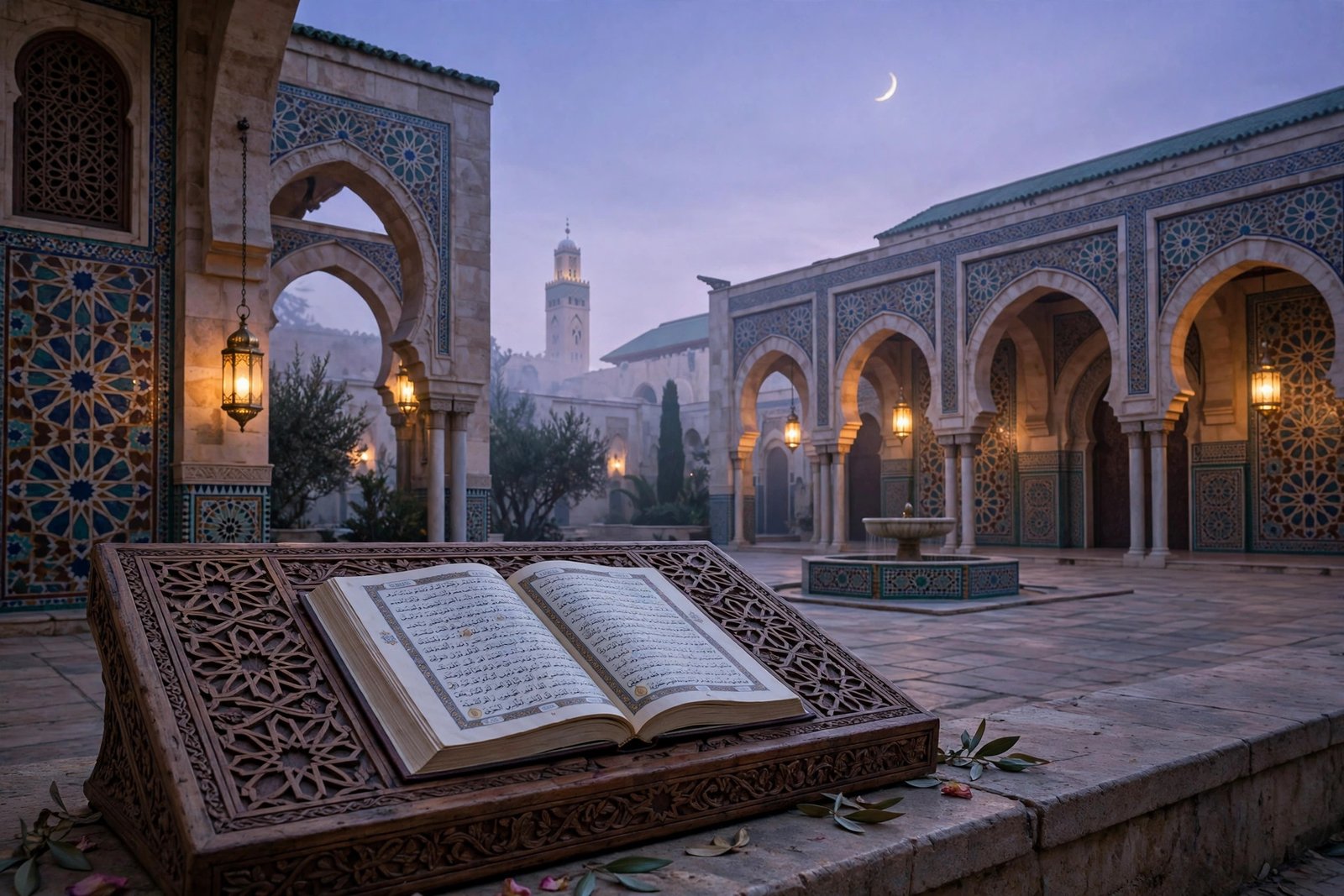
Preparing for Ramadan is the secret of making the most of the blessed month. Ramadan is the month in which the Quran was revealed, the month in which the gates of Paradise are opened and the gates of Hell are closed, and the month in which a single night is better than a thousand months. Yet every year, many believers reach the first fast unprepared — their bodies are not used to fasting, their hearts are still busy with the world, and their days have no plan for worship. By the time they find their rhythm, half of Ramadan has passed. The righteous predecessors, the Salaf, used to prepare for Ramadan months in advance: they would pray to Allah to let them reach Ramadan, and then they would pray to Allah to accept it from them. In this article, we learn how to prepare for Ramadan in the light of the Quran and authentic Hadith — spiritually, physically, and practically — so that when the crescent moon is sighted, we enter the month ready, with hearts awake and a plan in hand.
Table of Contents
- Why Preparing for Ramadan Matters
- The Quran on Ramadan: The Month of the Quran
- Spiritual Preparation: Repentance and Renewal
- Preparing the Heart: Dua Before Ramadan
- Physical Preparation: Fasting in Sha’ban and Caring for Health
- Preparing Your Home and Family
- Planning Your Worship: Quran, Taraweeh, and Tahajjud
- Preparing for Charity and Service
- A Practical Countdown to Ramadan
- Common Mistakes to Avoid Before Ramadan
- Frequently Asked Questions
Why Preparing for Ramadan Matters
Ramadan is not a month that rewards the unprepared. The Prophet Muhammad ﷺ taught us that whoever fasts Ramadan out of faith and hoping for reward will have his previous sins forgiven (Sahih al-Bukhari 38, Sahih Muslim 760). But this immense reward belongs to the one who enters Ramadan with faith alive in his heart and with hope in Allah’s mercy — and both of these grow through preparation. A farmer does not plant his seeds on the day of harvest; he prepares the soil months before. In the same way, the believer prepares his heart for Ramadan long before the moon is sighted, so that the month finds him ready to receive its blessings.
The righteous predecessors understood this deeply. It is reported that they would spend six months praying to Allah to let them reach Ramadan, and six months praying to Allah to accept it from them. They knew that Ramadan is a guest that visits only once a year, and a wise host prepares his home before the guest arrives. The one who begins preparing early — by increasing his prayers, reciting more Quran, and giving up bad habits — finds that Ramadan itself becomes easy. His body is already used to fasting, his tongue is already used to dhikr, and his heart is already inclined toward worship. The virtues of dhikr in Islam remind us that a heart busy with the remembrance of Allah before Ramadan will find it natural to remain busy with it during Ramadan.
Preparation also protects us from wasting the month. Ramadan has only thirty days, and every day that passes without worship is a loss that can never be recovered. The believer who plans his days before Ramadan — when he will recite Quran, when he will pray Taraweeh, when he will give charity — will use every hour with purpose. The one who enters Ramadan without a plan will spend the first week deciding what to do, and the last week regretting what he did not do. As the importance of Tahajjud prayer teaches us, the night prayer is the training ground of the believer, and the one who trains before Ramadan will stand in Taraweeh with strength and sweetness.
Above all, preparing for Ramadan is itself an act of worship. The longing to reach Ramadan, the dua to witness it, and the effort to be ready for it are all signs of a living heart. Allah Almighty loves the servant who longs for His worship, and He opens the doors of His mercy for the one who comes to Him with a sincere intention. The Prophet Muhammad ﷺ said: “When Ramadan begins, the gates of Paradise are opened, the gates of Hell are closed, and the devils are chained.” (Sahih al-Bukhari 1899, Sahih Muslim 1079). The believer who prepares for Ramadan is preparing to walk through those open gates.
The Quran on Ramadan: The Month of the Quran
Allah Almighty says in the Holy Quran: “The month of Ramadan in which the Quran was revealed, a guidance for mankind and clear proofs of guidance and criterion.” (Surah Al-Baqarah 2:185). This verse tells us the very identity of Ramadan: it is the month of the Quran. The greatest event in the history of mankind — the beginning of revelation to the Prophet Muhammad ﷺ — took place in this month. Every preparation for Ramadan should therefore begin with the Quran: reading it, understanding it, and living by it. The believer who increases his recitation before Ramadan will find his tongue fluent in the Quran when the month arrives.
Allah Almighty also says: “O you who believe, fasting is prescribed for you as it was prescribed for those before you, that you may attain taqwa.” (Surah Al-Baqarah 2:183). The purpose of fasting is taqwa — the consciousness of Allah that protects a person from sin. Fasting is not merely hunger and thirst; it is training for the heart. The one who prepares for Ramadan should ask himself: what is the state of my taqwa today? Am I guarding my eyes, my tongue, and my ears from what Allah has forbidden? The haya, modesty in Islam, is closely connected to taqwa, for the believer who is modest before Allah in his daily life will find it easy to guard his fast in Ramadan.
In the same passage, Allah Almighty says: “And when My servants ask you concerning Me, indeed I am near. I respond to the invocation of the supplicant when he calls upon Me.” (Surah Al-Baqarah 2:186). This verse about dua comes in the middle of the verses of fasting — a sign that Ramadan is the month of answered duas. The believer who prepares for Ramadan should prepare his list of duas: for himself, for his parents, for his family, for the Ummah, and for the forgiveness of his sins. The power of dua in Islam is greatest in Ramadan, when the fasting person has a dua that is never rejected at the time of breaking his fast.
Finally, Allah Almighty says about Laylatul Qadr, the night within Ramadan: “Indeed, We sent it down during the Night of Decree. And what can make you know what is the Night of Decree? The Night of Decree is better than a thousand months.” (Surah Al-Qadr 97:1-3). A single night of Ramadan is worth more than eighty-three years of worship. The believer who prepares for Ramadan prepares to search for this night in the last ten nights, with worship, dua, and tears. The Laylatul Qadr virtues remind us that the one who finds this night has found a treasure greater than a lifetime — and only the prepared heart is awake enough to find it.
Spiritual Preparation: Repentance and Renewal
The first step in preparing for Ramadan is the cleansing of the heart through tawbah, sincere repentance. The Prophet Muhammad ﷺ said that Allah stretches out His hand at night so that the sinner of the day may repent, and stretches out His hand during the day so that the sinner of the night may repent (Sahih Muslim 2759). Before Ramadan begins, the believer should sit alone with Allah, remember his sins, and ask for forgiveness with a broken heart. Ramadan is the month of forgiveness — whoever fasts it with faith and hope has his previous sins forgiven — but the one who enters it already cleansed will taste its sweetness from the very first night.
Repentance has three conditions: to feel regret for the sin, to stop the sin immediately, and to make a firm intention never to return to it. If the sin involves the rights of another person, then the fourth condition is to restore that person’s right — to return what was taken, to ask forgiveness from the one who was wronged, or to repay the debt. The tawbah, repentance in Islam, is the door through which every believer must pass before Ramadan, for the heart weighed down by sin cannot rise in worship. The believer should also settle his debts before Ramadan, forgive those who have wronged him, and mend broken relationships, so that he enters the month with a light heart and a clear conscience.
Along with repentance, the believer should renew his intention. The Prophet Muhammad ﷺ said: “Actions are but by intentions, and every man shall have only that which he intended.” (Sahih al-Bukhari 1). Before Ramadan, make a clear intention: “O Allah, I intend to fast this Ramadan for Your sake, to pray Taraweeh, to complete the recitation of the Quran, and to seek Laylatul Qadr.” Write down your goals for Ramadan — how much Quran you will recite each day, how many extra prayers you will offer, how much charity you will give. A written intention becomes a promise, and a promise made to Allah is not broken lightly.
The believer should also give up bad habits before Ramadan begins. If a person is addicted to music, to idle talk, to wasting hours on his phone, or to any sin, then Ramadan is the time to break free — but the breaking should start now, not on the first day of fasting. The Prophet Muhammad ﷺ said: “Whoever does not give up false speech and acting upon it, Allah is not in need of his leaving his food and drink.” (Sahih al-Bukhari 1903). Fasting is a shield, but a shield full of holes does not protect. The controlling anger in Islam is one habit to practise before Ramadan, for the fasting person who controls his anger has guarded his fast, and the one who loses his temper has broken it in spirit even if his stomach is empty.
Preparing the Heart: Dua Before Ramadan
The Salaf used to make a special dua before Ramadan: “O Allah, bless us in Rajab and Sha’ban and let us reach Ramadan.” This dua is reported in Musnad Ahmad (2346), and it shows the longing of the righteous for the blessed month. The believer should begin making this dua weeks before Ramadan, and he should also pray: “O Allah, let me reach Ramadan, accept my fasting and my prayers in it, and forgive my sins.” The one who asks Allah with sincerity will not be turned away empty-handed.
Make a list of your duas for Ramadan. The Prophet Muhammad ﷺ said that the dua of the fasting person at the time of breaking his fast is not rejected (Jami` at-Tirmidhi 3598). Write down what you will ask for: the forgiveness of your sins, guidance for your children, health for your parents, provision for your family, and the victory and unity of the Ummah. Keep this list in your prayer place, and read from it at every Iftar. The believer who prepares his duas before Ramadan will not stand at Iftar with an empty mind — he will stand with a full heart and a long list of needs before the Lord of the worlds.
Another preparation of the heart is to increase the remembrance of Allah before Ramadan. Begin with the morning and evening adhkar, the tasbeeh after prayers, and the sending of salutations upon the Prophet Muhammad ﷺ. The heart that is used to dhikr before Ramadan will find dhikr natural during Ramadan. The virtues of dhikr in Islam teach us that the tongue moist with the remembrance of Allah is the tongue that will be busy with the Quran in Ramadan, while the tongue busy with gossip and idle talk will struggle to recite even a single page.
Finally, prepare the heart by reading about Ramadan. Read the virtues of fasting, the stories of the Companions رضی اللہ عنہم in Ramadan, and the life of the Prophet Muhammad ﷺ in this month. Read how the Prophet ﷺ was the most generous of people, and how he was most generous in Ramadan (Sahih al-Bukhari 6). Reading about the month fills the heart with longing for it, and longing is the fuel of worship. Those who wish to study the Quran and the Sunnah systematically should explore the Quran courses at Jamia Saeedia Darul Quran, where the teachings of Islam are taught step by step in the light of the Sunnah.
Physical Preparation: Fasting in Sha’ban and Caring for Health
The Prophet Muhammad ﷺ used to fast more in Sha’ban than in any other month besides Ramadan. Sayyidah Aisha رضی اللہ عنہا said: “I never saw the Messenger of Allah fast a complete month except Ramadan, and I never saw him fast more in any month than in Sha’ban.” (Sahih al-Bukhari 1969, Sahih Muslim 1156). This is the Prophetic way of preparing the body for Ramadan: voluntary fasts in Sha’ban train the stomach, accustom the body to hunger and thirst, and make the first fasts of Ramadan feel easy instead of shocking. The believer should fast on Mondays and Thursdays, and on the white days — the 13th, 14th, and 15th of the month — and increase his fasts as Ramadan draws near. Those who have missed fasts from previous Ramadans should make them up before the new Ramadan begins.
Physical preparation also means caring for health. Visit the doctor if you have a medical condition, and ask whether fasting is safe for you — Islam does not ask the sick to harm themselves, and the one who cannot fast has a concession from Allah. Eat well in the weeks before Ramadan: reduce caffeine gradually so that the first days of fasting are not spoiled by headaches, cut down on sugar and heavy food, and drink enough water. The fasting the six days of Shawwal reminds us that voluntary fasting throughout the year keeps the body ready, and the believer who fasts regularly never finds Ramadan a shock to his system.
Adjust your sleep schedule before Ramadan begins. Taraweeh ends late, Suhoor begins early, and the nights of Ramadan are short. If you sleep late and wake late, you will struggle through the first week. Begin shifting your bedtime earlier and your waking time earlier a few weeks before Ramadan, so that waking for Suhoor and Fajr becomes natural. The virtues of Fajr prayer teach us that the morning is the most blessed part of the day, and the believer who wakes early for Fajr in the months before Ramadan will find it easy to wake for Suhoor when Ramadan arrives.
Finally, prepare your body by reducing bad habits now. If you smoke, begin to cut down before Ramadan — the month is the perfect time to quit entirely, and the one who quits for the sake of Allah will find Allah’s help. If you drink too much tea or coffee, reduce it gradually. If you eat late at night, train yourself to eat earlier. The body that enters Ramadan already disciplined will serve the soul in worship, while the body that enters Ramadan still enslaved to its habits will drag the soul down with its complaints.
Preparing Your Home and Family
Ramadan is a family month, and the home should be prepared for it like a guesthouse prepared for a beloved guest. Clean the home, set up a clean and quiet prayer corner, and place the Quran, prayer mats, and tasbeeh where they are easy to reach. Some families hang a simple Ramadan decoration or a calendar that counts the days — a small thing, but it fills the children with excitement and makes the month feel special. The home that is prepared for Ramadan becomes a little mosque, and the family that prays together in Ramadan stays together in faith.
Prepare your children for Ramadan with love, not with force. Tell them the stories of Ramadan: how the Quran was revealed, how the Battle of Badr was won in Ramadan, and how the Prophet Muhammad ﷺ used to spend the last ten nights in worship. Let young children fast for half a day as a practice, and reward them with praise and small gifts when they try. The Islamic upbringing of children teaches us that children love what they are introduced to with joy, and the child who remembers Ramadan as the happiest month of the year will grow up longing for it every year.
Plan your meals before Ramadan begins. Make a simple menu for Suhoor and Iftar, buy the dry groceries in advance, and prepare and freeze what can be prepared early. This is not merely housekeeping — it is worship planning, for every hour saved in the kitchen is an hour gained for the Quran. The Prophet Muhammad ﷺ used to break his fast with dates and water, and the Sunnah of Iftar is simplicity (Sahih al-Bukhari 1923 teaches us to take Suhoor, for there is a blessing in it). The family that plans its meals before Ramadan will not spend the blessed evenings in the kitchen while the Taraweeh prayer is being offered in the mosque.
Talk to your family about the goals of Ramadan. Hold a short family meeting before the month begins: what will each person recite from the Quran, what duas will we learn together, how much charity will we give, and how will we spend the last ten nights? When the whole family shares one goal, the whole family helps one another to reach it. The believer should also plan his work and leave before Ramadan: inform his employer, finish urgent tasks, and arrange his schedule so that the last ten nights are free for worship. The importance of seeking knowledge in Islam reminds us that planning is itself a part of worship, and the believer who plans his Ramadan has already begun it.
Planning Your Worship: Quran, Taraweeh, and Tahajjud
The heart of Ramadan is the Quran, and the believer should make a clear plan for its recitation. The most famous plan is to complete the whole Quran in the month — one Juz per day — and this is the plan of millions of Muslims every year. But the plan must fit the person: if one Juz a day is too much, then half a Juz a day will complete the Quran in two months; if even that is too much, then a few pages a day with understanding is better than rushing through without reflection. The important thing is to have a fixed daily amount and a fixed daily time — after Fajr, or before Iftar, or after Taraweeh — and to keep it every single day. Those who wish to learn the Quran with proper Tajweed should explore the Quran courses at Jamia Saeedia Darul Quran.
Plan for Taraweeh before Ramadan begins. Decide which mosque you will attend, and make the intention to pray the full Taraweeh every night. The Prophet Muhammad ﷺ said: “Whoever prays Qiyam in Ramadan out of faith and hoping for reward, his previous sins will be forgiven.” (Sahih al-Bukhari 37). Taraweeh is the night prayer of Ramadan, and the one who stands in it every night will taste a sweetness that no other prayer gives. If you cannot go to the mosque every night, pray at home with your family — the family Taraweeh is a beautiful Sunnah, and the children who stand behind their father in prayer will remember it for the rest of their lives.
Do not forget Tahajjud in your plan. Ramadan is the best time to begin the night prayer, for the believer is already awake for Suhoor. Wake up half an hour before Suhoor, pray two rak’ahs, and make dua — this is the time when Allah descends to the lowest heaven and asks: who is calling upon Me, that I may answer him? The importance of Tahajjud prayer is greatest in Ramadan, and the one who tastes Tahajjud in Ramadan will find it hard to leave it after Ramadan. The last ten nights deserve a special plan of their own: take leave from work if you can, increase your worship, and search for Laylatul Qadr in the odd nights, as the Prophet Muhammad ﷺ commanded (Sahih al-Bukhari 2014).
Finally, plan your duas. The duas page of Jamia Saeedia Darul Quran gathers the authentic daily duas with their translations, and the believer should learn the duas of Ramadan before the month begins: the dua at Iftar, the dua of Laylatul Qadr — “Allahumma innaka ‘afuwwun tuhibbul-‘afwa fa’fu ‘anni” (Jami` at-Tirmidhi 3513) — and the duas for forgiveness. The one who knows these duas by heart before Ramadan will not waste the blessed nights searching for them.
Preparing for Charity and Service
Ramadan is the month of generosity. The Prophet Muhammad ﷺ was the most generous of people, and he was most generous in Ramadan, when Jibreel عليه السلام would meet him every night to revise the Quran with him (Sahih al-Bukhari 6). Before Ramadan begins, make a charity plan: how much will you give, to whom, and when? Set aside a portion of your wealth for Ramadan — for the poor, for the orphans, for the mosques, and for the students of the Quran. The sadaqah, charity in Islam, is multiplied in Ramadan, and a single coin given in this month can outweigh a fortune given in any other month.
Prepare to feed the fasting. The Prophet Muhammad ﷺ said: “Whoever provides food for a fasting person to break his fast, he will have a reward like theirs, without diminishing their reward in the least.” (Jami` at-Tirmidhi 807). Plan to host Iftars for family, neighbours, and the poor. Even a single date given to a fasting person earns this reward. The kindness to neighbors in Islam is especially rewarded in Ramadan, and the neighbour who receives your Iftar will remember your kindness long after the month has ended.
Plan your Zakat before Ramadan. Many believers pay their Zakat in Ramadan because the reward is multiplied, and the month is a convenient time to calculate it. Calculate your Zakat now, before the month begins, so that you can distribute it in the first days of Ramadan rather than rushing at the end. Remember that Zakat is not charity — it is the right of the poor upon your wealth, and paying it late is a burden on the conscience. The believer who prepares his Zakat before Ramadan enters the month with a clean account before Allah.
Finally, prepare to serve. Ramadan is not only about personal worship — it is about serving others. Volunteer at the mosque, help with the Iftar arrangements, teach a child to recite the Quran, or visit the sick and the elderly. The Prophet Muhammad ﷺ said that the best of people are those who benefit others, and Ramadan is the month in which service to others is most beloved to Allah. The one who serves the fasting people in Ramadan shares in the reward of every fast he helped to complete.
A Practical Countdown to Ramadan
Begin your preparation about three months before Ramadan, and divide it into stages. In the first stage, focus on repentance and habits: make tawbah, settle your debts, forgive others, and give up one bad habit. Begin fasting on Mondays and Thursdays, and start reciting the Quran daily, even if it is only a few pages. This is the stage of the heart — the soil is being prepared.
In the second stage, about a month before Ramadan, increase your worship: fast more often in Sha’ban, increase your Quran recitation to a fixed daily amount, and begin praying Tahajjud, even if it is only two rak’ahs. Make your list of duas, plan your charity, and calculate your Zakat. This is the stage of training — the body and the tongue are being prepared for the month.
In the final week before Ramadan, finish your shopping, prepare your meals plan, clean your home, set up your prayer corner, and hold your family meeting. Go to the mosque and greet the people you will pray Taraweeh with. On the night before Ramadan, take a bath, wear clean clothes, and make the intention to fast. When the crescent moon is sighted, make the dua of sighting the moon, and begin the month with a heart that has been waiting for it. The believer who follows this countdown will enter Ramadan like a traveller who has packed his bags, checked his route, and is ready for the journey.
Common Mistakes to Avoid Before Ramadan
The first mistake is delaying preparation until the first day of Ramadan. The one who waits until Ramadan begins to start fasting, praying, and reciting will spend the first week struggling, and the month will pass before he finds his rhythm. Preparation must begin before the month, not during it. The second mistake is making plans that are too big to keep. The believer who promises himself to recite the whole Quran, pray all night, and give away half his wealth will fail by the third day and give up everything. Start small, be consistent, and increase gradually — for Allah loves the consistent deed even if it is small (Sahih al-Bukhari 6464).
The third mistake is neglecting the family in preparation. Ramadan is not a month for the father alone or the mother alone — it is for the whole family. The one who prepares only himself and forgets his wife and children has prepared only half a Ramadan. The fourth mistake is overeating before Ramadan in the name of “stocking up” — the body does not store worship, and the one who overeats before Ramadan will enter it heavy and lazy. The fifth mistake is forgetting the missed fasts of previous Ramadans. Whoever owes fasts from last year must make them up before the new Ramadan begins, for the new month does not erase the old debt.
The last mistake is entering Ramadan with a heart full of grudges. The Prophet Muhammad ﷺ taught us that the deeds of people are presented to Allah on Mondays and Thursdays, and the one who has cut off his brother is not forgiven until he reconciles (Sahih Muslim 2565). Before Ramadan, forgive those who wronged you and ask forgiveness from those you wronged. The heart that enters Ramadan free of hatred is the heart that will find the sweetness of worship, and the heart that enters it full of grudges will find its worship blocked by its own bitterness.
Frequently Asked Questions
How many months before Ramadan should I start preparing?
The righteous predecessors used to prepare for Ramadan six months in advance, praying to Allah to let them reach it. For most believers, beginning two to three months before Ramadan is enough: start with repentance and daily Quran, then increase fasting in Sha’ban, and finish with practical planning in the final week. Even one month of preparation is far better than none — the important thing is to begin now, wherever you are.
What is the best way to prepare for fasting if I find it difficult?
Fast voluntary fasts before Ramadan, especially in Sha’ban, following the Sunnah of the Prophet Muhammad ﷺ. Start with Mondays and Thursdays, reduce caffeine and heavy food gradually, drink enough water, and adjust your sleep so that waking for Suhoor becomes easy. If you have a medical condition, consult your doctor and remember that Islam gives a concession to the sick — never harm your health in the name of worship.
How can I prepare my children for Ramadan?
Tell them the stories of Ramadan with joy, let them fast for part of the day as practice, involve them in decorating the home and preparing Iftar, and reward their efforts with praise and small gifts. Take them to Taraweeh, even for a short while, and teach them one dua at a time. Children who remember Ramadan as the happiest month of the year will grow up longing for it.
Should I make up missed fasts before the new Ramadan?
Yes. Whoever missed fasts from a previous Ramadan — because of illness, travel, or any valid excuse — should make them up before the new Ramadan begins. The new month does not cancel the old debt, and the believer should enter Ramadan with a clear account before Allah.
What should I do if I feel I am not ready for Ramadan?
Begin today, even if it is only one step: make tawbah, recite one page of the Quran, and make one dua to reach Ramadan. Allah looks at the effort and the intention, not at perfection. The Prophet Muhammad ﷺ said that the most beloved deeds to Allah are the most consistent, even if they are small (Sahih al-Bukhari 6464). A small beginning made with sincerity is better than a grand plan that is never started.
Related Articles
اردو میں مکمل مضمون
رمضان کی تیاری رمضان المبارک سے بھرپور فائدہ اٹھانے کا راز ہے۔ رمضان وہ مہینہ ہے جس میں قرآن نازل ہوا، جس میں جنت کے دروازے کھول دیے جاتے ہیں اور جہنم کے دروازے بند کر دیے جاتے ہیں، اور جس میں ایک رات ہزار مہینوں سے بہتر ہے۔ لیکن ہر سال بہت سے مومن پہلے روزے تک تیار نہیں ہوتے — ان کا جسم روزے کا عادی نہیں ہوتا، ان کے دل ابھی دنیا میں مشغول ہوتے ہیں، اور ان کے دنوں کا عبادت کا کوئی منصوبہ نہیں ہوتا۔ جب تک وہ اپنی رفتار پکڑتے ہیں، رمضان کا آدھا مہینہ گزر چکا ہوتا ہے۔ سلف صالحین رمضان کی تیاری مہینوں پہلے سے شروع کر دیتے تھے: وہ اللہ سے دعا کرتے تھے کہ انہیں رمضان نصیب ہو، اور پھر دعا کرتے تھے کہ اللہ ان کا رمضان قبول فرمائے۔ اس مضمون میں ہم قرآن و حدیث کی روشنی میں رمضان کی تیاری سیکھیں گے — روحانی، جسمانی اور عملی طور پر — تاکہ جب چاند نظر آئے تو ہم تیار ہوں، دل بیدار ہوں اور منصوبہ ہاتھ میں ہو۔
فہرست مضامین
- رمضان کی تیاری کیوں ضروری ہے؟
- قرآن میں رمضان: قرآن کا مہینہ
- روحانی تیاری: توبہ اور تجدید
- دل کی تیاری: رمضان سے پہلے دعا
- جسمانی تیاری: شعبان کے روزے اور صحت کی دیکھ بھال
- گھر اور خاندان کی تیاری
- عبادت کا منصوبہ: قرآن، تراویح اور تہجد
- صدقہ اور خدمت کی تیاری
- رمضان تک عملی گنتی
- رمضان سے پہلے عام غلطیاں
- اکثر پوچھے جانے والے سوالات
رمضان کی تیاری کیوں ضروری ہے؟
رمضان ایسا مہینہ نہیں جو تیاری کے بغیر آنے والے کو فائدہ دے۔ نبی اکرم ﷺ نے فرمایا کہ جس نے ایمان کے ساتھ اور ثواب کی امید سے رمضان کے روزے رکھے، اس کے پچھلے گناہ معاف کر دیے جاتے ہیں (صحیح البخاری 38، صحیح مسلم 760)۔ لیکن یہ عظیم اجر اسی کو ملتا ہے جو رمضان میں ایمان زندہ دل اور اللہ کی رحمت کی امید کے ساتھ داخل ہو — اور یہ دونوں چیزیں تیاری سے بڑھتی ہیں۔ کسان فصل کے دن بیج نہیں بوتا؛ وہ مہینوں پہلے زمین تیار کرتا ہے۔ اسی طرح مومن اپنے دل کو رمضان سے بہت پہلے تیار کرتا ہے، تاکہ مہینہ اسے اس کی برکتیں حاصل کرنے کے لیے تیار پائے۔
سلف صالحین اس بات کو گہرائی سے سمجھتے تھے۔ ان کے بارے میں آتا ہے کہ وہ چھ مہینے اللہ سے دعا کرتے تھے کہ انہیں رمضان نصیب ہو، اور چھ مہینے دعا کرتے تھے کہ اللہ ان کا رمضان قبول فرمائے۔ وہ جانتے تھے کہ رمضان سال میں صرف ایک بار آنے والا مہمان ہے، اور عقلمند میزبان مہمان کے آنے سے پہلے اپنا گھر تیار کرتا ہے۔ جو شخص پہلے سے تیاری شروع کرتا ہے — نمازیں بڑھا کر، قرآن زیادہ پڑھ کر، اور بری عادتیں چھوڑ کر — وہ پاتا ہے کہ رمضان خود آسان ہو جاتا ہے۔ اس کا جسم روزے کا عادی ہو چکا ہوتا ہے، اس کی زبان ذکر کی عادی ہو چکی ہوتی ہے، اور اس کا دل عبادت کی طرف مائل ہو چکا ہوتا ہے۔ ذکر الٰہی کی فضیلت ہمیں یاد دلاتی ہے کہ جو دل رمضان سے پہلے اللہ کے ذکر میں مشغول ہو، وہ رمضان میں بھی اسی میں مشغول رہے گا۔
تیاری ہمیں مہینہ ضائع کرنے سے بھی بچاتی ہے۔ رمضان میں صرف تیس دن ہوتے ہیں، اور ہر دن جو بغیر عبادت گزر جائے وہ ایسا نقصان ہے جو کبھی پورا نہیں ہو سکتا۔ جو مومن رمضان سے پہلے اپنے دنوں کا منصوبہ بنا لیتا ہے — کب قرآن پڑھے گا، کب تراویح پڑھے گا، کب صدقہ دے گا — وہ ہر گھنٹے کو مقصد کے ساتھ استعمال کرتا ہے۔ اور جو بغیر منصوبے کے رمضان میں داخل ہوتا ہے، وہ پہلا ہفتہ یہ فیصلہ کرنے میں گزار دیتا ہے کہ کیا کرنا ہے، اور آخری ہفتہ اس پر پچھتاتا ہے جو اس نے نہیں کیا۔ تہجد کی نماز کی اہمیت ہمیں سکھاتی ہے کہ رات کی نماز مومن کی تربیت گاہ ہے، اور جو رمضان سے پہلے تربیت پاتا ہے وہ تراویح میں قوت اور لذت کے ساتھ کھڑا ہوتا ہے۔
سب سے بڑھ کر، رمضان کی تیاری خود ایک عبادت ہے۔ رمضان تک پہنچنے کی تمنا، اسے دیکھنے کی دعا، اور اس کے لیے تیار ہونے کی کوشش — یہ سب زندہ دل کی نشانیاں ہیں۔ اللہ تعالیٰ اس بندے سے محبت کرتا ہے جو اس کی عبادت کا مشتاق ہو، اور وہ اس کے لیے اپنی رحمت کے دروازے کھول دیتا ہے جو سچی نیت کے ساتھ اس کی طرف آتا ہے۔ نبی اکرم ﷺ نے فرمایا: “جب رمضان شروع ہوتا ہے تو جنت کے دروازے کھول دیے جاتے ہیں، جہنم کے دروازے بند کر دیے جاتے ہیں، اور شیاطین زنجیروں میں جکڑ دیے جاتے ہیں۔” (صحیح البخاری 1899، صحیح مسلم 1079)۔ جو مومن رمضان کی تیاری کرتا ہے، وہ ان کھلے دروازوں سے گزرنے کی تیاری کرتا ہے۔
قرآن میں رمضان: قرآن کا مہینہ
اللہ تعالیٰ قرآن مجید میں فرماتا ہے: “رمضان کا مہینہ وہ ہے جس میں قرآن نازل کیا گیا، جو لوگوں کے لیے ہدایت ہے اور ہدایت کی واضح دلیلیں اور حق و باطل میں فرق کرنے والا ہے۔” (سورۃ البقرۃ 2:185)۔ یہ آیت ہمیں رمضان کی پہچان بتاتی ہے: یہ قرآن کا مہینہ ہے۔ انسانی تاریخ کا سب سے بڑا واقعہ — نبی اکرم ﷺ پر وحی کا آغاز — اسی مہینے میں ہوا۔ اس لیے رمضان کی ہر تیاری کا آغاز قرآن سے ہونا چاہیے: اسے پڑھنا، اسے سمجھنا، اور اس پر عمل کرنا۔ جو مومن رمضان سے پہلے اپنی تلاوت بڑھاتا ہے، وہ پاتا ہے کہ جب مہینہ آتا ہے تو اس کی زبان قرآن میں رواں ہو چکی ہوتی ہے۔
اللہ تعالیٰ فرماتا ہے: “اے ایمان والو! تم پر روزے فرض کیے گئے جیسے تم سے پہلے لوگوں پر فرض کیے گئے تھے، تاکہ تم متقی بن جاؤ۔” (سورۃ البقرۃ 2:183)۔ روزے کا مقصد تقویٰ ہے — اللہ کا وہ خوف اور شعور جو انسان کو گناہ سے بچاتا ہے۔ روزہ صرف بھوک اور پیاس نہیں؛ یہ دل کی تربیت ہے۔ رمضان کی تیاری کرنے والے کو اپنے آپ سے پوچھنا چاہیے: آج میرے تقویٰ کی حالت کیا ہے؟ کیا میں اپنی آنکھ، اپنی زبان اور اپنے کانوں کو اللہ کی حرام کردہ چیزوں سے بچا رہا ہوں؟ اسلام میں حیا کا تقویٰ سے گہرا تعلق ہے، کیونکہ جو مومن اپنی روزمرہ زندگی میں اللہ کے سامنے باحیا ہو، اسے رمضان میں اپنا روزہ بچانا آسان ہو جاتا ہے۔
اسی سیاق میں اللہ تعالیٰ فرماتا ہے: “اور جب میرے بندے آپ سے میرے بارے میں پوچھیں تو میں قریب ہوں۔ میں پکارنے والے کی دعا قبول کرتا ہوں جب وہ مجھے پکارتا ہے۔” (سورۃ البقرۃ 2:186)۔ دعا کے بارے میں یہ آیت روزوں کی آیات کے درمیان آئی ہے — یہ اس بات کی علامت ہے کہ رمضان دعاؤں کی قبولیت کا مہینہ ہے۔ رمضان کی تیاری کرنے والے کو اپنی دعاؤں کی فہرست تیار کرنی چاہیے: اپنے لیے، اپنے والدین کے لیے، اپنے خاندان کے لیے، امت کے لیے، اور اپنے گناہوں کی معافی کے لیے۔ اسلام میں دعا کی طاقت رمضان میں سب سے زیادہ ہے، جب روزہ دار کی افطار کے وقت کی دعا کبھی رد نہیں ہوتی۔
آخر میں، اللہ تعالیٰ شب قدر کے بارے میں فرماتا ہے جو رمضان کے اندر ہے: “بے شک ہم نے اسے شب قدر میں نازل کیا۔ اور آپ کیا جانیں کہ شب قدر کیا ہے؟ شب قدر ہزار مہینوں سے بہتر ہے۔” (سورۃ القدر 97:1-3)۔ رمضان کی ایک رات تراسی سال کی عبادت سے بہتر ہے۔ جو مومن رمضان کی تیاری کرتا ہے، وہ آخری دس راتوں میں اس رات کو تلاش کرنے کی تیاری کرتا ہے، عبادت، دعا اور آنسوؤں کے ساتھ۔ شب قدر کی فضیلت ہمیں یاد دلاتی ہے کہ جس نے اس رات کو پا لیا، اس نے پوری زندگی سے بڑا خزانہ پا لیا — اور صرف تیار دل ہی اسے پانے کے لیے بیدار ہوتا ہے۔
روحانی تیاری: توبہ اور تجدید
رمضان کی تیاری کا پہلا قدم توبہ کے ذریعے دل کی صفائی ہے۔ نبی اکرم ﷺ نے فرمایا کہ اللہ رات کو اپنا ہاتھ پھیلاتا ہے تاکہ دن کا گناہ گار توبہ کرے، اور دن کو اپنا ہاتھ پھیلاتا ہے تاکہ رات کا گناہ گار توبہ کرے (صحیح مسلم 2759)۔ رمضان شروع ہونے سے پہلے مومن کو اللہ کے ساتھ تنہائی میں بیٹھ کر اپنے گناہ یاد کرنے چاہییں اور ٹوٹے دل کے ساتھ معافی مانگنی چاہیے۔ رمضان معافی کا مہینہ ہے — جو اسے ایمان اور امید کے ساتھ روزے رکھتا ہے، اس کے پچھلے گناہ معاف کر دیے جاتے ہیں — لیکن جو اس میں پہلے سے پاک ہو کر داخل ہوتا ہے، وہ پہلی ہی رات سے اس کی مٹھاس چکھتا ہے۔
توبہ کی تین شرطیں ہیں: گناہ پر ندامت، گناہ کو فوراً چھوڑ دینا، اور کبھی واپس نہ لوٹنے کا پختہ عزم۔ اگر گناہ کا تعلق کسی دوسرے شخص کے حق سے ہو تو چوتھی شرط یہ ہے کہ اس کا حق ادا کیا جائے — جو لیا تھا وہ واپس کیا جائے، جسے تکلیف دی تھی اس سے معافی مانگی جائے، یا قرض ادا کیا جائے۔ اسلام میں توبہ وہ دروازہ ہے جس سے ہر مومن کو رمضان سے پہلے گزرنا چاہیے، کیونکہ گناہوں سے بوجھل دل عبادت میں بلند نہیں ہو سکتا۔ مومن کو رمضان سے پہلے اپنے قرضے بھی چکانے چاہییں، جنہوں نے اسے تکلیف دی انہیں معاف کرنا چاہیے، اور ٹوٹے رشتے جوڑنے چاہییں، تاکہ وہ ہلکے دل اور صاف ضمیر کے ساتھ مہینے میں داخل ہو۔
توبہ کے ساتھ ساتھ مومن کو اپنی نیت کی تجدید کرنی چاہیے۔ نبی اکرم ﷺ نے فرمایا: “اعمال کا دارومدار نیتوں پر ہے، اور ہر انسان کو وہی ملے گا جس کی اس نے نیت کی۔” (صحیح البخاری 1)۔ رمضان سے پہلے واضح نیت کریں: “اے اللہ، میں اس رمضان کے روزے تیری رضا کے لیے رکھنے، تراویح پڑھنے، قرآن کی تلاوت مکمل کرنے، اور شب قدر تلاش کرنے کی نیت کرتا ہوں۔” رمضان کے اپنے مقاصد لکھ لیں — روزانہ کتنا قرآن پڑھیں گے، کتنی اضافی نمازیں پڑھیں گے، کتنا صدقہ دیں گے۔ لکھی ہوئی نیت ایک وعدہ بن جاتی ہے، اور اللہ سے کیا گیا وعدہ ہلکا نہیں توڑا جاتا۔
مومن کو رمضان شروع ہونے سے پہلے بری عادتیں بھی چھوڑ دینی چاہییں۔ اگر کوئی شخص موسیقی، فضول باتوں، فون پر گھنٹوں ضائع کرنے، یا کسی گناہ کا عادی ہے تو رمضان اس سے آزاد ہونے کا وقت ہے — لیکن یہ آزادی ابھی شروع ہونی چاہیے، روزے کے پہلے دن نہیں۔ نبی اکرم ﷺ نے فرمایا: “جو شخص جھوٹی بات اور اس پر عمل کرنا نہیں چھوڑتا، اللہ کو اس کے کھانا پینا چھوڑنے کی کوئی ضرورت نہیں۔” (صحیح البخاری 1903)۔ روزہ ڈھال ہے، لیکن سوراخوں والی ڈھال حفاظت نہیں کرتی۔ غصے پر قابو پانا ایک ایسی عادت ہے جس کی مشق رمضان سے پہلے کرنی چاہیے، کیونکہ جو روزہ دار غصے پر قابو پاتا ہے اس نے اپنا روزہ بچا لیا، اور جو غصے میں آ جاتا ہے اس نے پیٹ خالی ہونے کے باوجود روح کے اعتبار سے روزہ توڑ دیا۔
دل کی تیاری: رمضان سے پہلے دعا
سلف صالحین رمضان سے پہلے ایک خاص دعا کرتے تھے: “اے اللہ، ہمیں رجب اور شعبان میں برکت عطا فرما اور ہمیں رمضان تک پہنچا دے۔” یہ دعا مسند احمد (2346) میں منقول ہے، اور یہ نیک لوگوں کی رمضان کے لیے تمنا کو ظاہر کرتی ہے۔ مومن کو رمضان سے ہفتوں پہلے یہ دعا شروع کر دینی چاہیے، اور یہ بھی دعا کرنی چاہیے: “اے اللہ، مجھے رمضان نصیب فرما، اس میں میرے روزے اور نمازیں قبول فرما، اور میرے گناہ معاف فرما۔” جو شخص سچے دل سے اللہ سے مانگتا ہے، وہ خالی ہاتھ نہیں لوٹتا۔
رمضان کے لیے اپنی دعاؤں کی فہرست بنائیں۔ نبی اکرم ﷺ نے فرمایا کہ روزہ دار کی افطار کے وقت کی دعا رد نہیں ہوتی (جامع الترمذی 3598)۔ لکھ لیں کہ آپ کیا مانگیں گے: اپنے گناہوں کی معافی، اپنے بچوں کی ہدایت، اپنے والدین کی صحت، اپنے خاندان کا رزق، اور امت کی فتح و اتحاد۔ یہ فہرست اپنی جائے نماز پر رکھیں، اور ہر افطار کے وقت اس سے پڑھیں۔ جو مومن رمضان سے پہلے اپنی دعائیں تیار کرتا ہے، وہ افطار کے وقت خالی ذہن کے ساتھ نہیں کھڑا ہوتا — وہ بھرے دل اور لمبی فہرست کے ساتھ رب العالمین کے سامنے کھڑا ہوتا ہے۔
دل کی ایک اور تیاری رمضان سے پہلے اللہ کا ذکر بڑھانا ہے۔ صبح و شام کے اذکار، نمازوں کے بعد کی تسبیح، اور نبی اکرم ﷺ پر درود بھیجنا شروع کریں۔ جو دل رمضان سے پہلے ذکر کا عادی ہو، وہ رمضان میں ذکر کو فطری پائے گا۔ ذکر الٰہی کی فضیلت ہمیں سکھاتی ہے کہ اللہ کے ذکر سے تر زبان رمضان میں قرآن میں مشغول رہے گی، جبکہ غیبت اور فضول باتوں میں مشغول زبان ایک صفحہ پڑھنے میں بھی مشکل محسوس کرے گی۔
آخر میں، دل کو رمضان کے بارے میں پڑھ کر تیار کریں۔ روزوں کی فضیلت، صحابہ کرام رضی اللہ عنہم کے رمضان، اور نبی اکرم ﷺ کی اس مہینے میں زندگی کے بارے میں پڑھیں۔ پڑھیں کہ نبی اکرم ﷺ سب لوگوں سے زیادہ سخی تھے، اور رمضان میں سب سے زیادہ سخی ہوتے تھے (صحیح البخاری 6)۔ مہینے کے بارے میں پڑھنے سے دل میں اس کی تمنا پیدا ہوتی ہے، اور تمنا عبادت کا ایندھن ہے۔ جو لوگ قرآن و سنت کو منظم طریقے سے سیکھنا چاہتے ہیں، وہ جامعہ سعیدیہ دارالقرآن کے قرآنی کورسز دیکھ سکتے ہیں، جہاں اسلام کی تعلیمات سنت کی روشنی میں قدم بہ قدم سکھائی جاتی ہیں۔
جسمانی تیاری: شعبان کے روزے اور صحت کی دیکھ بھال
نبی اکرم ﷺ رمضان کے علاوہ کسی اور مہینے میں شعبان سے زیادہ روزے نہیں رکھتے تھے۔ ام المومنین حضرت عائشہ رضی اللہ عنہا فرماتی ہیں: “میں نے رسول اللہ ﷺ کو رمضان کے علاوہ کسی مہینے کا مکمل روزہ رکھتے نہیں دیکھا، اور میں نے آپ ﷺ کو شعبان سے زیادہ کسی مہینے میں روزے رکھتے نہیں دیکھا۔” (صحیح البخاری 1969، صحیح مسلم 1156)۔ یہی رمضان کے لیے جسم تیار کرنے کا نبوی طریقہ ہے: شعبان میں نفلی روزے پیٹ کو تربیت دیتے ہیں، جسم کو بھوک و پیاس کا عادی بناتے ہیں، اور رمضان کے پہلے روزے آسان لگتے ہیں۔ مومن کو پیر اور جمعرات کے روزے رکھنے چاہییں، اور مہینے کی 13، 14 اور 15 تاریخ کے ایام بیض کے روزے، اور جیسے جیسے رمضان قریب آئے، روزے بڑھاتے جانے چاہییں۔ جن کے پچھلے رمضان کے روزے رہ گئے ہوں، انہیں نئے رمضان سے پہلے قضا کر لینا چاہیے۔
جسمانی تیاری کا مطلب صحت کی دیکھ بھال بھی ہے۔ اگر آپ کو کوئی بیماری ہے تو ڈاکٹر سے ملیں اور پوچھیں کہ کیا روزہ آپ کے لیے محفوظ ہے — اسلام بیمار سے یہ نہیں چاہتا کہ وہ اپنی صحت کو نقصان پہنچائے، اور جو روزہ نہیں رکھ سکتا، اس کے لیے اللہ کی طرف سے رخصت ہے۔ رمضان سے پہلے کے ہفتوں میں اچھا کھائیں: چائے کافی آہستہ آہستہ کم کریں تاکہ روزوں کے پہلے دن سر درد سے خراب نہ ہوں، چینی اور بھاری کھانا کم کریں، اور کافی پانی پئیں۔ شوال کے چھ روزے ہمیں یاد دلاتے ہیں کہ سال بھر نفلی روزے جسم کو تیار رکھتے ہیں، اور جو مومن باقاعدگی سے روزے رکھتا ہے، اسے رمضان کبھی جھٹکا نہیں لگتا۔
رمضان شروع ہونے سے پہلے اپنی نیند کا معمول درست کریں۔ تراویح دیر تک چلتی ہے، سحری جلدی شروع ہوتی ہے، اور رمضان کی راتیں چھوٹی ہوتی ہیں۔ اگر آپ دیر سے سوتے اور دیر سے جاگتے ہیں تو پہلا ہفتہ مشکل گزرے گا۔ رمضان سے چند ہفتے پہلے سونے کا وقت پہلے اور جاگنے کا وقت پہلے کرنا شروع کریں، تاکہ سحری اور فجر کے لیے جاگنا فطری ہو جائے۔ فجر کی نماز کی فضیلت ہمیں سکھاتی ہے کہ صبح دن کا سب سے بابرکت حصہ ہے، اور جو مومن رمضان سے پہلے کے مہینوں میں فجر کے لیے جلدی جاگتا ہے، اسے رمضان میں سحری کے لیے جاگنا آسان لگتا ہے۔
آخر میں، بری عادتوں کو ابھی کم کر کے اپنے جسم کو تیار کریں۔ اگر آپ سگریٹ پیتے ہیں تو رمضان سے پہلے کم کرنا شروع کریں — یہ مہینہ اسے مکمل چھوڑنے کا بہترین وقت ہے، اور جو اللہ کی رضا کے لیے چھوڑتا ہے، اللہ اس کی مدد فرماتا ہے۔ اگر آپ چائے یا کافی زیادہ پیتے ہیں تو آہستہ آہستہ کم کریں۔ اگر آپ رات دیر سے کھاتے ہیں تو جلدی کھانے کی عادت ڈالیں۔ جو جسم رمضان میں نظم و ضبط کے ساتھ داخل ہوتا ہے، وہ عبادت میں روح کی خدمت کرتا ہے، جبکہ جو جسم ابھی اپنی عادتوں کا غلام ہو کر داخل ہوتا ہے، وہ اپنی شکایتوں سے روح کو نیچے کھینچتا ہے۔
گھر اور خاندان کی تیاری
رمضان خاندان کا مہینہ ہے، اور گھر کو اس کے لیے اس طرح تیار کرنا چاہیے جیسے محبوب مہمان کے لیے مہمان خانہ تیار کیا جاتا ہے۔ گھر صاف کریں، نماز کے لیے صاف اور پرسکون کونہ بنائیں، اور قرآن، جائے نماز اور تسبیح ایسی جگہ رکھیں جہاں آسانی سے مل جائیں۔ کچھ خاندان رمضان کی سادہ سجاوٹ یا دن گننے والا کیلنڈر لگاتے ہیں — یہ چھوٹی سی چیز ہے، لیکن اس سے بچوں میں جوش پیدا ہوتا ہے اور مہینہ خاص لگتا ہے۔ جو گھر رمضان کے لیے تیار ہوتا ہے، وہ ایک چھوٹی مسجد بن جاتا ہے، اور جو خاندان رمضان میں ساتھ نماز پڑھتا ہے، وہ ایمان میں ساتھ رہتا ہے۔
اپنے بچوں کو رمضان کے لیے محبت سے تیار کریں، زبردستی سے نہیں۔ انہیں رمضان کی کہانیاں سنائیں: قرآن کیسے نازل ہوا، غزوہ بدر رمضان میں کیسے جیتا گیا، اور نبی اکرم ﷺ آخری دس راتیں عبادت میں کیسے گزارتے تھے۔ چھوٹے بچوں کو آدھا دن روزہ رکھنے کی مشق کرائیں، اور جب وہ کوشش کریں تو تعریف اور چھوٹے تحفوں سے ان کی حوصلہ افزائی کریں۔ بچوں کی اسلامی تربیت ہمیں سکھاتی ہے کہ بچے اس چیز سے محبت کرتے ہیں جس سے انہیں خوشی کے ساتھ متعارف کرایا جائے، اور جو بچہ رمضان کو سال کا سب سے خوشگوار مہینہ یاد رکھے گا، وہ ہر سال اس کا مشتاق رہے گا۔
رمضان شروع ہونے سے پہلے اپنے کھانوں کا منصوبہ بنائیں۔ سحری اور افطار کا سادہ مینیو بنائیں، خشک راشن پہلے سے خرید لیں، اور جو کچھ پہلے سے تیار کر کے محفوظ کیا جا سکتا ہے، وہ تیار کر لیں۔ یہ صرف گھریلو کام نہیں — یہ عبادت کا منصوبہ ہے، کیونکہ باورچی خانے میں بچایا گیا ہر گھنٹہ قرآن کے لیے حاصل کیا گیا گھنٹہ ہے۔ نبی اکرم ﷺ کھجور اور پانی سے روزہ افطار کرتے تھے، اور افطار میں سادگی سنت ہے (صحیح البخاری 1923 ہمیں سکھاتا ہے کہ سحری کھاؤ، کیونکہ اس میں برکت ہے)۔ جو خاندان رمضان سے پہلے اپنے کھانوں کا منصوبہ بنا لیتا ہے، وہ برکت والی شاموں میں باورچی خانے میں نہیں گزارتا جب مسجد میں تراویح پڑھی جا رہی ہو۔
رمضان کے مقاصد کے بارے میں اپنے خاندان سے بات کریں۔ مہینہ شروع ہونے سے پہلے خاندان کی ایک مختصر میٹنگ کریں: ہر شخص قرآن سے کتنا پڑھے گا، کون سی دعائیں ہم ساتھ سیکھیں گے، کتنا صدقہ دیں گے، اور آخری دس راتیں کیسے گزاریں گے؟ جب پورا خاندان ایک مقصد بانٹتا ہے تو پورا خاندان ایک دوسرے کی مدد کرتا ہے۔ مومن کو رمضان سے پہلے اپنے کام اور چھٹی کا منصوبہ بھی بنانا چاہیے: اپنے آجر کو بتائے، ضروری کام مکمل کرے، اور اپنا شیڈول اس طرح ترتیب دے کہ آخری دس راتیں عبادت کے لیے آزاد ہوں۔ اسلام میں علم کی اہمیت ہمیں یاد دلاتی ہے کہ منصوبہ بندی خود عبادت کا حصہ ہے، اور جس نے اپنے رمضان کا منصوبہ بنا لیا، اس نے اپنا رمضان شروع کر دیا۔
عبادت کا منصوبہ: قرآن، تراویح اور تہجد
رمضان کا دل قرآن ہے، اور مومن کو اس کی تلاوت کا واضح منصوبہ بنانا چاہیے۔ سب سے مشہور منصوبہ یہ ہے کہ مہینے میں پورا قرآن مکمل کیا جائے — روزانہ ایک پارہ — اور یہ ہر سال لاکھوں مسلمانوں کا منصوبہ ہوتا ہے۔ لیکن منصوبہ شخص کے مطابق ہونا چاہیے: اگر روزانہ ایک پارہ زیادہ ہے تو آدھا پارہ روزانہ دو مہینے میں قرآن مکمل کر دے گا؛ اگر وہ بھی زیادہ ہے تو سمجھ کے ساتھ روزانہ چند صفحے، بغیر غور کے جلدی پڑھنے سے بہتر ہیں۔ اہم بات یہ ہے کہ روزانہ کی مقدار اور روزانہ کا وقت مقرر ہو — فجر کے بعد، یا افطار سے پہلے، یا تراویح کے بعد — اور ہر روز اس پر قائم رہا جائے۔ جو لوگ قرآن کو صحیح تجوید کے ساتھ سیکھنا چاہتے ہیں، وہ جامعہ سعیدیہ دارالقرآن کے قرآنی کورسز دیکھ سکتے ہیں۔
رمضان سے پہلے تراویح کا منصوبہ بنائیں۔ فیصلہ کریں کہ آپ کس مسجد میں جائیں گے، اور ہر رات مکمل تراویح پڑھنے کی نیت کریں۔ نبی اکرم ﷺ نے فرمایا: “جس نے ایمان کے ساتھ اور ثواب کی امید سے رمضان میں قیام کیا، اس کے پچھلے گناہ معاف کر دیے جاتے ہیں۔” (صحیح البخاری 37)۔ تراویح رمضان کی رات کی نماز ہے، اور جو ہر رات اس میں کھڑا ہوتا ہے، وہ ایسی مٹھاس چکھتا ہے جو کسی اور نماز میں نہیں ملتی۔ اگر آپ ہر رات مسجد نہیں جا سکتے تو گھر پر اپنے خاندان کے ساتھ پڑھیں — خاندان کی تراویح ایک خوبصورت سنت ہے، اور جو بچے اپنے والد کے پیچھے نماز میں کھڑے ہوتے ہیں، وہ اسے ساری زندگی یاد رکھتے ہیں۔
اپنے منصوبے میں تہجد کو نہ بھولیں۔ رمضان تہجد شروع کرنے کا بہترین وقت ہے، کیونکہ مومن سحری کے لیے ویسے ہی جاگتا ہے۔ سحری سے آدھا گھنٹہ پہلے جاگیں، دو رکعتیں پڑھیں، اور دعا کریں — یہ وہ وقت ہے جب اللہ آسمان دنیا پر نازل ہوتا ہے اور فرماتا ہے: کون ہے جو مجھے پکارے کہ میں اسے جواب دوں؟ تہجد کی نماز کی اہمیت رمضان میں سب سے زیادہ ہے، اور جس نے رمضان میں تہجد چکھ لی، اسے رمضان کے بعد اسے چھوڑنا مشکل لگے گا۔ آخری دس راتیں اپنے خصوصی منصوبے کی مستحق ہیں: اگر ہو سکے تو کام سے چھٹی لیں، عبادت بڑھائیں، اور طاق راتوں میں شب قدر تلاش کریں، جیسا کہ نبی اکرم ﷺ نے حکم دیا (صحیح البخاری 2014)۔
آخر میں، اپنی دعاؤں کا منصوبہ بنائیں۔ جامعہ سعیدیہ دارالقرآن کا دعاؤں کا صفحہ مستند روزمرہ دعائیں ترجمے کے ساتھ جمع کرتا ہے، اور مومن کو رمضان کی دعائیں مہینہ شروع ہونے سے پہلے سیکھ لینی چاہییں: افطار کی دعا، شب قدر کی دعا — “اللہم انک عفو تحب العفو فاعف عنی” (جامع الترمذی 3513) — اور معافی کی دعائیں۔ جو ان دعاؤں کو رمضان سے پہلے حفظ کر لیتا ہے، وہ برکت والی راتیں انہیں ڈھونڈنے میں ضائع نہیں کرتا۔
صدقہ اور خدمت کی تیاری
رمضان سخاوت کا مہینہ ہے۔ نبی اکرم ﷺ سب لوگوں سے زیادہ سخی تھے، اور رمضان میں سب سے زیادہ سخی ہوتے تھے، جب جبریل علیہ السلام ہر رات ان سے مل کر قرآن کا دور کرتے تھے (صحیح البخاری 6)۔ رمضان شروع ہونے سے پہلے صدقے کا منصوبہ بنائیں: آپ کتنا دیں گے، کس کو دیں گے، اور کب دیں گے؟ اپنے مال کا ایک حصہ رمضان کے لیے الگ رکھیں — غریبوں کے لیے، یتیموں کے لیے، مساجد کے لیے، اور قرآن کے طلبہ کے لیے۔ صدقہ کی فضیلت رمضان میں کئی گنا بڑھ جاتی ہے، اور اس مہینے میں دیا گیا ایک سکہ کسی اور مہینے میں دی گئی دولت سے زیادہ وزنی ہو سکتا ہے۔
روزہ داروں کو افطار کرانے کی تیاری کریں۔ نبی اکرم ﷺ نے فرمایا: “جس نے کسی روزہ دار کو افطار کرایا، اسے اس جتنا ثواب ملے گا، بغیر اس کے ثواب میں کوئی کمی کیے۔” (جامع الترمذی 807)۔ اپنے خاندان، پڑوسیوں اور غریبوں کے لیے افطار کی میزبانی کا منصوبہ بنائیں۔ روزہ دار کو دی گئی ایک کھجور بھی یہ ثواب دلاتی ہے۔ پڑوسیوں کے حقوق رمضان میں خاص طور پر اجر کے مستحق ہیں، اور جس پڑوسی کو آپ کی افطار ملتی ہے، وہ مہینہ گزرنے کے بہت بعد تک آپ کی مہربانی یاد رکھے گا۔
رمضان سے پہلے اپنی زکوٰۃ کا منصوبہ بنائیں۔ بہت سے مومن اپنی زکوٰۃ رمضان میں ادا کرتے ہیں کیونکہ ثواب کئی گنا بڑھ جاتا ہے، اور یہ مہینہ اس کا حساب کرنے کا آسان وقت ہے۔ اپنی زکوٰۃ ابھی، مہینہ شروع ہونے سے پہلے، حساب کریں، تاکہ آپ اسے رمضان کے پہلے دنوں میں تقسیم کر سکیں بجائے آخر میں جلدی کرنے کے۔ یاد رکھیں کہ زکوٰۃ صدقہ نہیں — یہ آپ کے مال پر غریبوں کا حق ہے، اور اسے دیر سے ادا کرنا ضمیر پر بوجھ ہے۔ جو مومن رمضان سے پہلے اپنی زکوٰۃ تیار کرتا ہے، وہ اللہ کے سامنے صاف حساب کے ساتھ مہینے میں داخل ہوتا ہے۔
آخر میں، خدمت کی تیاری کریں۔ رمضان صرف ذاتی عبادت کے بارے میں نہیں — یہ دوسروں کی خدمت کے بارے میں بھی ہے۔ مسجد میں رضاکارانہ کام کریں، افطار کے انتظامات میں مدد کریں، کسی بچے کو قرآن پڑھنا سکھائیں، یا بیماروں اور بزرگوں کی عیادت کریں۔ نبی اکرم ﷺ نے فرمایا کہ بہترین لوگ وہ ہیں جو دوسروں کو فائدہ پہنچاتے ہیں، اور رمضان وہ مہینہ ہے جس میں دوسروں کی خدمت اللہ کو سب سے زیادہ محبوب ہے۔ جو رمضان میں روزہ داروں کی خدمت کرتا ہے، وہ ہر اس روزے کے ثواب میں شریک ہوتا ہے جسے مکمل کرنے میں اس نے مدد کی۔
رمضان تک عملی گنتی
اپنی تیاری رمضان سے تقریباً تین مہینے پہلے شروع کریں، اور اسے مراحل میں تقسیم کریں۔ پہلے مرحلے میں توبہ اور عادتوں پر توجہ دیں: توبہ کریں، اپنے قرضے چکا دیں، دوسروں کو معاف کریں، اور ایک بری عادت چھوڑ دیں۔ پیر اور جمعرات کے روزے رکھنا شروع کریں، اور روزانہ قرآن پڑھنا شروع کریں، چاہے صرف چند صفحے ہوں۔ یہ دل کا مرحلہ ہے — مٹی تیار کی جا رہی ہے۔
دوسرے مرحلے میں، رمضان سے تقریباً ایک مہینہ پہلے، اپنی عبادت بڑھائیں: شعبان میں زیادہ روزے رکھیں، اپنی قرآن کی تلاوت کو مقررہ روزانہ مقدار تک بڑھائیں، اور تہجد پڑھنا شروع کریں، چاہے صرف دو رکعتیں ہوں۔ اپنی دعاؤں کی فہرست بنائیں، اپنے صدقے کا منصوبہ بنائیں، اور اپنی زکوٰۃ حساب کریں۔ یہ تربیت کا مرحلہ ہے — جسم اور زبان مہینے کے لیے تیار کی جا رہی ہیں۔
رمضان سے پہلے کے آخری ہفتے میں اپنی خریداری مکمل کریں، کھانوں کا منصوبہ تیار کریں، گھر صاف کریں، نماز کا کونہ بنائیں، اور خاندان کی میٹنگ کریں۔ مسجد جائیں اور ان لوگوں سے ملیں جن کے ساتھ آپ تراویح پڑھیں گے۔ رمضان سے پہلے کی رات غسل کریں، صاف کپڑے پہنیں، اور روزے کی نیت کریں۔ جب چاند نظر آئے تو چاند دیکھنے کی دعا پڑھیں، اور مہینے کا آغاز ایسے دل سے کریں جو اس کا منتظر رہا ہو۔ جو مومن اس گنتی پر عمل کرتا ہے، وہ رمضان میں ایسے داخل ہوتا ہے جیسے مسافر اپنا سامان باندھ کر، راستہ چیک کر کے، سفر کے لیے تیار ہو۔
رمضان سے پہلے عام غلطیاں
پہلی غلطی یہ ہے کہ تیاری رمضان کے پہلے دن تک موخر کر دی جائے۔ جو شخص رمضان شروع ہونے تک روزے، نماز اور تلاوت شروع کرنے کا انتظار کرتا ہے، وہ پہلا ہفتہ جدوجہد میں گزار دیتا ہے، اور مہینہ اس سے پہلے گزر جائے گا کہ وہ اپنی رفتار پکڑے۔ تیاری مہینے سے پہلے شروع ہونی چاہیے، اس کے دوران نہیں۔ دوسری غلطی یہ ہے کہ ایسے منصوبے بنائے جائیں جو نبھائے نہ جا سکیں۔ جو مومن اپنے آپ سے وعدہ کرتا ہے کہ وہ پورا قرآن پڑھے گا، ساری رات نماز پڑھے گا، اور اپنا آدھا مال دے دے گا، وہ تیسرے دن تک ناکام ہو جائے گا اور سب کچھ چھوڑ دے گا۔ چھوٹا شروع کریں، مستقل رہیں، اور آہستہ آہستہ بڑھائیں — کیونکہ اللہ کو سب سے محبوب عمل وہ ہے جو مستقل ہو، چاہے چھوٹا ہو (صحیح البخاری 6464)۔
تیسری غلطی تیاری میں خاندان کو نظر انداز کرنا ہے۔ رمضان صرف والد یا صرف والدہ کا مہینہ نہیں — یہ پورے خاندان کا مہینہ ہے۔ جو صرف اپنی تیاری کرتا ہے اور اپنی بیوی اور بچوں کو بھول جاتا ہے، اس نے صرف آدھا رمضان تیار کیا ہے۔ چوتھی غلطی رمضان سے پہلے “ذخیرہ کرنے” کے نام پر زیادہ کھانا ہے — جسم عبادت ذخیرہ نہیں کرتا، اور جو رمضان سے پہلے زیادہ کھاتا ہے، وہ بھاری اور سست ہو کر اس میں داخل ہوتا ہے۔ پانچویں غلطی پچھلے رمضان کے رہ گئے روزوں کو بھولنا ہے۔ جس کے پچھلے سال کے روزے رہ گئے ہوں، اسے نئے رمضان سے پہلے قضا کرنا چاہیے، کیونکہ نیا مہینہ پرانا قرض نہیں مٹاتا۔
آخری غلطی یہ ہے کہ دل میں کینہ لے کر رمضان میں داخل ہوا جائے۔ نبی اکرم ﷺ نے ہمیں سکھایا کہ لوگوں کے اعمال پیر اور جمعرات کو اللہ کے سامنے پیش کیے جاتے ہیں، اور جس نے اپنے بھائی سے تعلق توڑ رکھا ہو، اسے معاف نہیں کیا جاتا جب تک وہ صلح نہ کر لے (صحیح مسلم 2565)۔ رمضان سے پہلے ان لوگوں کو معاف کریں جنہوں نے آپ کو تکلیف دی، اور ان سے معافی مانگیں جنہیں آپ نے تکلیف دی۔ جو دل رمضان میں نفرت سے آزاد ہو کر داخل ہوتا ہے، وہی عبادت کی مٹھاس پاتا ہے، اور جو دل کینہ سے بھرا ہو کر داخل ہوتا ہے، وہ اپنی عبادت کو اپنی ہی تلخی سے رکا ہوا پاتا ہے۔
اکثر پوچھے جانے والے سوالات
رمضان سے کتنے مہینے پہلے تیاری شروع کرنی چاہیے؟
سلف صالحین رمضان کی تیاری چھ مہینے پہلے سے کرتے تھے، اللہ سے دعا کرتے تھے کہ انہیں رمضان نصیب ہو۔ زیادہ تر مومنوں کے لیے رمضان سے دو تین مہینے پہلے شروع کرنا کافی ہے: توبہ اور روزانہ قرآن سے شروع کریں، پھر شعبان میں روزے بڑھائیں، اور آخری ہفتے میں عملی منصوبہ مکمل کریں۔ ایک مہینے کی تیاری بھی نہ ہونے سے کہیں بہتر ہے — اہم بات یہ ہے کہ ابھی شروع کریں، جہاں بھی آپ ہیں۔
اگر روزہ رکھنا مشکل لگے تو اس کی تیاری کا بہترین طریقہ کیا ہے؟
رمضان سے پہلے نفلی روزے رکھیں، خاص طور پر شعبان میں، نبی اکرم ﷺ کی سنت پر عمل کرتے ہوئے۔ پیر اور جمعرات سے شروع کریں، چائے کافی اور بھاری کھانا آہستہ آہستہ کم کریں، کافی پانی پئیں، اور اپنی نیند درست کریں تاکہ سحری کے لیے جاگنا آسان ہو جائے۔ اگر آپ کو کوئی بیماری ہے تو اپنے ڈاکٹر سے مشورہ کریں اور یاد رکھیں کہ اسلام بیمار کو رخصت دیتا ہے — عبادت کے نام پر اپنی صحت کو کبھی نقصان نہ پہنچائیں۔
میں اپنے بچوں کو رمضان کے لیے کیسے تیار کروں؟
انہیں رمضان کی کہانیاں خوشی کے ساتھ سنائیں، انہیں مشق کے طور پر آدھا دن روزہ رکھنے دیں، گھر سجانے اور افطار تیار کرنے میں انہیں شامل کریں، اور ان کی کوششوں پر تعریف اور چھوٹے تحفوں سے ان کی حوصلہ افزائی کریں۔ انہیں تراویح میں لے جائیں، چاہے تھوڑی دیر کے لیے، اور ایک وقت میں ایک دعا سکھائیں۔ جو بچے رمضان کو سال کا سب سے خوشگوار مہینہ یاد رکھتے ہیں، وہ بڑے ہو کر اس کے مشتاق رہتے ہیں۔
کیا مجھے نئے رمضان سے پہلے رہ گئے روزوں کی قضا کرنی چاہیے؟
جی ہاں۔ جس کے پچھلے رمضان کے روزے رہ گئے ہوں — بیماری، سفر، یا کسی جائز عذر کی وجہ سے — اسے نئے رمضان سے پہلے ان کی قضا کرنی چاہیے۔ نیا مہینہ پرانا قرض ختم نہیں کرتا، اور مومن کو اللہ کے سامنے صاف حساب کے ساتھ رمضان میں داخل ہونا چاہیے۔
اگر مجھے لگے کہ میں رمضان کے لیے تیار نہیں ہوں تو کیا کروں؟
آج ہی شروع کریں، چاہے صرف ایک قدم ہو: توبہ کریں، قرآن کا ایک صفحہ پڑھیں، اور رمضان تک پہنچنے کی ایک دعا کریں۔ اللہ کوشش اور نیت کو دیکھتا ہے، کمال کو نہیں۔ نبی اکرم ﷺ نے فرمایا کہ اللہ کو سب سے محبوب اعمال وہ ہیں جو سب سے زیادہ مستقل ہوں، چاہے چھوٹے ہوں (صحیح البخاری 6464)۔ سچے دل سے کیا گیا چھوٹا آغاز اس عظیم منصوبے سے بہتر ہے جو کبھی شروع ہی نہ ہو۔


Leave A Comment