

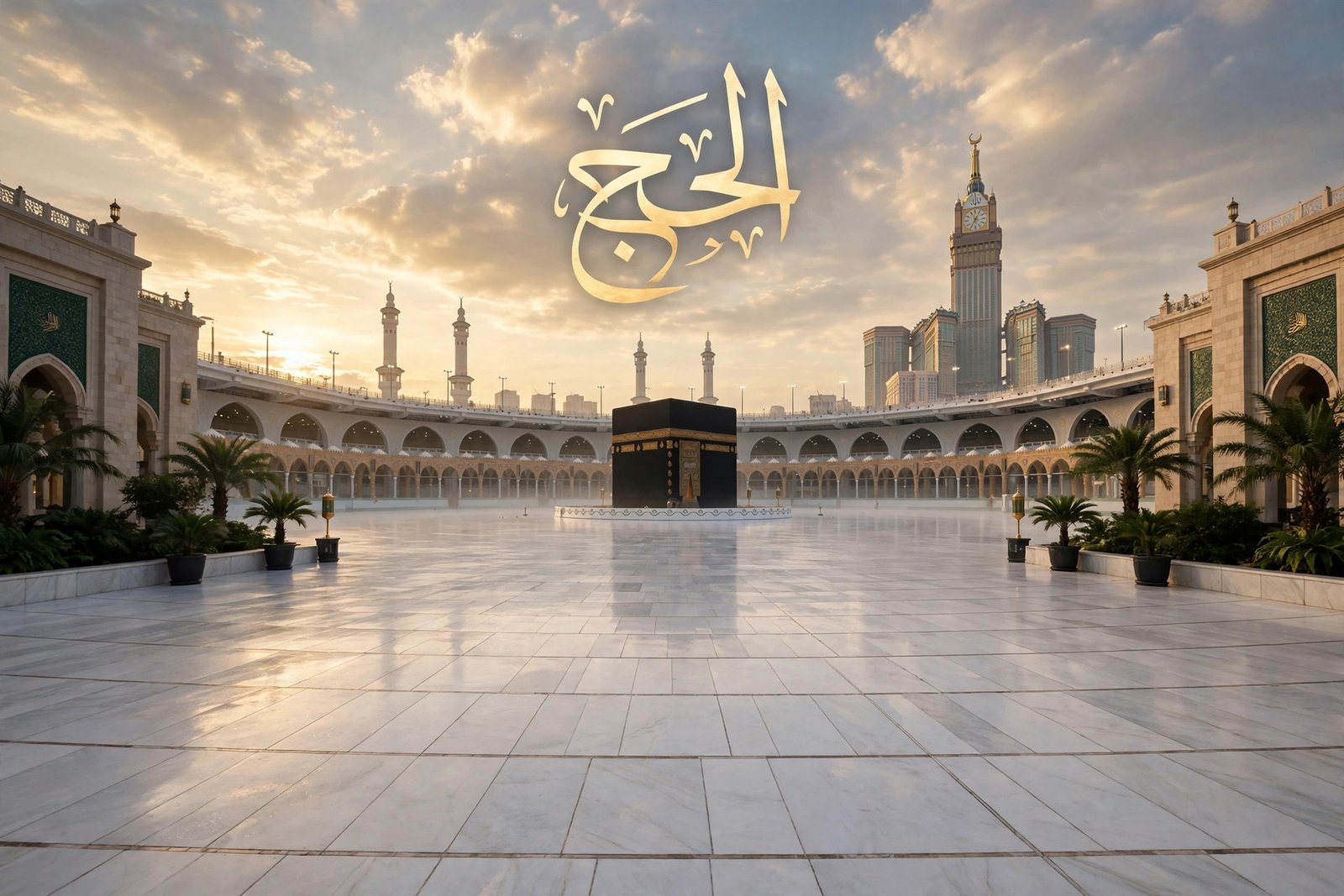
Every year, millions of Muslims from every corner of the world travel to Makkah to answer the call of Allah. They leave behind their homes, their families and their comforts, and they gather in one place, wearing the same simple white garments, speaking different languages but reciting the same words: “Labbayk Allahumma Labbayk” — “Here I am, O Allah, here I am.” This is Hajj, the sacred pilgrimage, and understanding the importance of Hajj in Islam is essential for every believer, whether they have already performed it or are still praying for the day they will be called. Hajj is not a journey of tourism or a cultural tradition; it is one of the five pillars upon which Islam stands, a command of Allah in the Holy Quran, and a journey that can wash away a lifetime of sins and return a person pure, as on the day their mother gave birth to them.
In this complete guide, we will explore what Hajj is, what the Quran and the Hadith say about it, who must perform it, what its rites are, and what lessons it leaves behind for the rest of a believer’s life. Every claim in this article is presented in the light of the Quran and the authentic Hadith, in accordance with the creed of Aqeedah Ahle Sunnat, so that the reader may learn with confidence and peace of heart.
Table of Contents
- What Is Hajj?
- Hajj in the Holy Quran
- Hajj Among the Five Pillars of Islam
- The Virtues and Rewards of Hajj
- Who Must Perform Hajj?
- The Rites of Hajj in Brief
- The Day of Arafat — The Heart of Hajj
- Hajj Mabrur — The Accepted Hajj
- Preparing for Hajj — Spiritually and Practically
- Lessons Hajj Teaches for Life After Return
- Frequently Asked Questions About Hajj
What Is Hajj?
Hajj is the pilgrimage to the Holy Kaaba in Makkah, performed in the month of Dhul-Hijjah, the twelfth month of the Islamic calendar. The word Hajj literally means “to set out for a definite purpose” or “to visit”. In the Shariah, it means visiting the House of Allah, the Kaaba, in Makkah Mukarramah during the appointed days, and performing the prescribed rites — Ihram, Tawaf, Sa’i, standing at Arafat, staying at Muzdalifah, pelting the Jamarat, sacrifice, and the farewell Tawaf — with sincerity and devotion, seeking only the pleasure of Allah.
Hajj is far more than a physical journey. It is a journey of the heart. The pilgrim leaves behind the comforts of home, the distinctions of wealth and status, and the routine of daily life, and steps into a state of humility and devotion. The white garments of Ihram remind every pilgrim that before Allah, all are equal — king and servant, rich and poor, young and old. This is why the importance of Hajj in Islam cannot be measured in miles travelled; it is measured in the transformation of the soul. A true pilgrim returns home a changed person, with a heart softened, a tongue busy in Dhikr, and a life reordered around worship.
The history of Hajj reaches back to Sayyiduna Ibrahim عليه السلام, the great friend of Allah, who, by the command of Allah, built the Kaaba with his son Sayyiduna Ismail عليه السلام. Allah then commanded him to call mankind to the pilgrimage. The Quran tells us that Sayyiduna Ibrahim عليه السلام raised the foundations of the House and prayed for its acceptance. Every rite of Hajj today is a living memory of that blessed family: the running between Safa and Marwah recalls the desperate search for water by Sayyidah Hajra رضی اللہ عنہا for her infant son, and the sacrifice recalls the willingness of Sayyiduna Ibrahim عليه السلام to obey Allah in the greatest of tests. When a pilgrim performs Hajj, he is not only worshipping — he is walking in the footsteps of the Prophets عليهم السلام.
For a Muslim, Hajj is also deeply connected with the other pillars of faith. The same devotion that moves a believer to offer the five daily prayers, to give Zakat from his wealth, and to fast in Ramadan, moves him to undertake Hajj when he is able. Each pillar strengthens the other, and together they build a complete life of Islam. To learn how the Quran itself prepares the heart for this journey, read our article on how the Quran prepares believers for Hajj.
Hajj in the Holy Quran
Allah Almighty has mentioned Hajj in several places in the Holy Quran, commanding it clearly and describing its months, its rites, and its purpose. The most direct command comes in Surah Aal-e-Imran:
“And pilgrimage to the House is a duty owed to Allah by people who are able to undertake it. And whoever disbelieves, then surely Allah is not in need of anything from the worlds.” (Surah Aal-e-Imran 3:97)
This verse establishes Hajj as a duty — a fard — upon every Muslim who has the ability to undertake it. The words “who are able to undertake it” teach us that Allah does not burden a soul beyond its capacity. Ability here means physical health, financial means, and a safe journey. The verse also carries a stern warning: whoever denies this duty or turns away from it out of ingratitude should know that Allah is free of all needs — it is we who need Hajj, not Allah who needs our Hajj.
In Surah Al-Baqarah, Allah commands the completion of the pilgrimage with sincerity:
“And complete the Hajj and Umrah for Allah.” (Surah Al-Baqarah 2:196)
This short verse contains a great lesson: Hajj and Umrah must be done purely for Allah, not for show, not for a title, and not so that people may call one “Haji”. The moment the intention is mixed with the desire for praise, the reward is at risk. The scholars of Aqeedah Ahle Sunnat have always taught that the acceptance of every act of worship depends upon two things: sincerity of intention and following the way of the Prophet Muhammad ﷺ.
Allah also describes the call to Hajj given through Sayyiduna Ibrahim عليه السلام:
“And proclaim the Hajj to mankind; they will come to you on foot and on every lean camel, coming from every distant mountain pass.” (Surah Al-Hajj 22:27)
Look at the miracle of this verse. When Sayyiduna Ibrahim عليه السلام was commanded to call people to Hajj, there was no one around him in the barren valley of Makkah. Yet he called out, and Allah made his call reach the whole world — and it continues to reach every generation until the Day of Judgement. Today, people come to Makkah by aeroplane, by bus, and on foot, from every distant land, exactly as the Quran described. The gathering of millions at one time, in one place, in one dress, is itself one of the great signs of Allah.
The Quran also fixes the time of Hajj and its spirit of peace:
“The Hajj is during well-known months, so whoever has made Hajj obligatory upon himself therein, there is no obscenity, no wickedness, and no quarrelling during Hajj.” (Surah Al-Baqarah 2:197)
This verse teaches the pilgrim that Hajj is not only about the rites of the body — it is about the manners of the heart. During Hajj, a believer must guard his tongue from indecent speech, his hands from wrongdoing, and his temper from quarrels, even when crowds are pressing and patience is tested. The one who keeps these manners has understood the true importance of Hajj in Islam, because Hajj is a school of character as much as it is a pillar of worship. Those who wish to deepen their daily worship before such a journey will benefit from our guide to the power of dua in Islam and the daily duas taught by the Prophet Muhammad ﷺ.
Hajj Among the Five Pillars of Islam
The Prophet Muhammad ﷺ taught us that Islam is built upon five pillars. This is one of the most famous Hadith in the whole of Islam, narrated by Sayyiduna Abdullah ibn Umar رضی اللہ عنہما:
“Islam is built upon five: the testimony that there is no god but Allah and that Muhammad is the Messenger of Allah, the establishment of prayer, the giving of Zakat, the pilgrimage to the House, and the fasting of Ramadan.” (Sahih al-Bukhari 8; Sahih Muslim 16)
Notice the position of Hajj in this Hadith. It stands alongside the Shahadah, the five daily prayers, Zakat, and the fasting of Ramadan. It is not an optional extra for the especially pious; it is one of the foundations of the religion itself. A Muslim who has the means and yet delays Hajj without a valid reason is neglecting one of the pillars of his faith. The scholars explain that Hajj is obligatory once in a lifetime for the one who is able, and delaying it without excuse is a serious matter.
The Prophet Muhammad ﷺ also made the obligation plain in a direct address to the people. Sayyiduna Abu Hurayrah رضی اللہ عنہ narrates that the Messenger of Allah ﷺ said:
“O people, Allah has made Hajj obligatory upon you, so perform Hajj.” (Sahih Muslim 3236)
These words leave no room for doubt. Hajj is a command of Allah, announced by His final Prophet ﷺ, and it is binding upon every Muslim who has the ability. The pillars of Hajj in Islam — its essential rites — are likewise fixed by the Quran and the Sunnah, and the pilgrim must learn them before travelling, so that his Hajj is valid and complete.
There is a beautiful balance among the five pillars. Prayer is the daily worship of the body and heart. Zakat is the worship of wealth. Fasting is the worship of patience and self-control. And Hajj is the worship that gathers them all: it involves the body in its rites, the wealth in its expense, patience in its hardships, and the heart in its devotion. This is why the scholars call Hajj the greatest of the physical acts of worship. A believer who understands this will not treat Hajj as a holiday or a once-in-a-lifetime tour; he will prepare for it as the most important journey of his life.
The Virtues and Rewards of Hajj
Few acts of worship carry promises as great as those given for Hajj. The Prophet Muhammad ﷺ described rewards that should make every believer’s heart long for Makkah. These promises are not exaggerations; they are the truthful words of the one who does not speak from his own desire.
1. Hajj Washes Away Sins Like a New Birth
Sayyiduna Abu Hurayrah رضی اللہ عنہ narrates that he heard the Prophet Muhammad ﷺ say:
“Whoever performs Hajj for Allah, and does not commit any obscenity or sin, will return as on the day his mother bore him.” (Sahih al-Bukhari 1521; Sahih Muslim 1350)
Imagine that: a person returns from Hajj with his record of sins wiped clean, as pure as a newborn child. This is the greatest of all the virtues of Hajj. But notice the condition — the Hajj must be performed for Allah, and the pilgrim must guard himself from obscenity and sin during it. The reward is not automatic for the one who travels and quarrels, shows off, and returns unchanged. It is for the one who travels with a sincere heart and keeps the manners of Hajj. This is also why repentance (Tawbah) before Hajj is so important: the pilgrim should settle his debts, seek forgiveness from those he has wronged, and set out with a clean heart.
2. The Reward of an Accepted Hajj Is Paradise Itself
Sayyiduna Abu Hurayrah رضی اللہ عنہ also narrates that the Messenger of Allah ﷺ said:
“One Umrah to the next is an expiation for what is between them, and an accepted Hajj has no reward except Paradise.” (Sahih al-Bukhari 1773; Sahih Muslim 1349)
There is no greater reward in this world than Paradise, and Allah has promised it as the reward of Hajj Mabrur — the accepted Hajj. The scholars explain that a Hajj is “Mabrur” when it is performed sincerely, according to the Sunnah, without sin, and paid for from lawful earnings. The one who earns his livelihood through Halal earnings and spends it on Hajj has a greater hope of acceptance than the one whose wealth is tainted. This is why preparation for Hajj begins long before the journey — with honest earning, with Sadaqah, and with a life of obedience.
3. Hajj and Umrah Remove Poverty and Sins
Sayyiduna Abdullah ibn Mas’ud رضی اللہ عنہ narrates that the Messenger of Allah ﷺ said:
“Alternate between Hajj and Umrah, for those two remove poverty and sins just as the bellows removes filth from iron, gold, and silver — and there is no reward for an accepted Hajj except Paradise.” (Jami` at-Tirmidhi 810, graded Hasan Sahih Gharib by Imam al-Tirmidhi; Sunan an-Nasa’i 2631)
This Hadith corrects a common fear. Many people delay Hajj thinking, “I will go when I am richer,” or “Hajj will empty my savings.” The Prophet ﷺ teaches the opposite: Hajj and Umrah remove poverty; they do not cause it. Just as the blacksmith’s bellows burns away the impurities of metal and leaves it pure, so Hajj burns away the sins and the spiritual poverty of the heart. The believer who trusts this promise will hasten to Hajj when he is able, rather than delaying it year after year.
4. Hajj Is Among the Best of Deeds
When the Prophet Muhammad ﷺ was asked which deed is best, he replied: belief in Allah and His Messenger ﷺ. Then he was asked, “Then what?” He said: “Jihad in the cause of Allah.” Then he was asked, “Then what?” He said: “An accepted Hajj.” (Sahih al-Bukhari 1519) This places Hajj among the very best deeds a believer can perform in his entire life.
And for women, the Prophet ﷺ gave a special glad tiding. When Sayyidah Aisha رضی اللہ عنہا asked about striving in the path of Allah, the Prophet ﷺ said:
“The best striving for you women is an accepted Hajj.” (Sahih al-Bukhari 1520)
This Hadith honours the women of the Ummah and shows that their path to the highest ranks is open through the pilgrimage. The mothers, sisters, and daughters who perform Hajj with sincerity earn a reward equal to the greatest of deeds.
5. Umrah in Ramadan Carries the Reward of Hajj
The Prophet Muhammad ﷺ also taught that an Umrah performed in the blessed month of Ramadan carries a reward equal to Hajj in reward. (Sahih al-Bukhari 1782) This does not replace the obligatory Hajj, but it shows the immense generosity of Allah towards His servants. Those who cannot yet perform Hajj may perform Umrah, especially in Ramadan, and earn great reward while they prepare for the obligatory pilgrimage. Our article on preparing for Ramadan explains how to make the most of that blessed month.
Alongside these rewards, the pilgrim should fill his journey with Durood Sharif upon the Prophet Muhammad ﷺ, with the recitation of the Quran, and with constant remembrance of Allah. The days of Hajj are among the most blessed days of the year, and every good deed performed in them is multiplied.
Who Must Perform Hajj?
Hajj is obligatory upon every Muslim who fulfils certain conditions. The scholars of Aqeedah Ahle Sunnat and the schools of Fiqh agree on these conditions, which flow directly from the words of the Quran, “who are able to undertake it” (Surah Aal-e-Imran 3:97). The conditions are:
- Islam: Hajj is an act of worship for Muslims. A non-Muslim is not commanded to perform it, and it would not be accepted from him.
- Sanity: The person must be of sound mind. One who has lost his reason is not accountable.
- Puberty: Hajj becomes obligatory after puberty. A child may perform Hajj with his parents and earn reward, but the obligation is lifted until he reaches maturity.
- Freedom: The person must be free, not enslaved, so that he is able to travel by his own choice.
- Ability (Istita’ah): This is the key condition. Ability means: sufficient lawful wealth to cover the journey and the needs of one’s dependents left behind; physical health to endure the journey and the rites; and a safe route to Makkah. For a woman, the presence of a Mahram (husband or a male relative whom she cannot marry) for the journey is also required according to the Hanafi school followed by the majority of the Muslims of the Subcontinent.
When these conditions are met, Hajj becomes obligatory immediately, and delaying it without a valid excuse is blameworthy. The scholars warn that a person who has the means and delays Hajj year after year, saying “I will go when I am older,” is taking a grave risk — for no one knows whether he will live to see another year, or whether his health and wealth will remain. The wise believer hastens to obey the command of Allah the moment he is able.
What about the one who is not yet able? He is not sinful for not going, but he should keep the intention alive, save for the journey, and make dua that Allah calls him to His House. The intention itself is rewarded. And the one who is permanently unable due to old age or chronic illness may arrange for Hajj to be performed on his behalf (Hajj-e-Badal), provided he has the wealth for it — a concession that shows the mercy and ease of this religion.
Parents should also remember that their children watch their attitude towards Hajj. A home where Hajj is spoken of with longing, where savings are set aside for it, and where the rights of parents and the elderly are honoured, raises children who love the House of Allah. Many parents perform Hajj and then teach their children what they saw — and that teaching becomes the seed of the next generation’s pilgrimage. The Quran courses offered by Jamia Saeedia Darul Quran help families build this foundation of knowledge from an early age.
The Rites of Hajj in Brief
Hajj is performed over several days in Dhul-Hijjah, and its rites follow the way of the Prophet Muhammad ﷺ in his Farewell Pilgrimage. A brief outline helps every Muslim understand the journey before learning its details from a qualified teacher:
1. Ihram
The pilgrim enters the state of Ihram at the Miqat, the boundary appointed by the Prophet ﷺ. Men wear two simple unstitched white cloths; women wear their ordinary modest dress with the face uncovered. From this moment, certain things become forbidden — cutting hair or nails, wearing perfume, hunting, and marital relations — until the pilgrim is released from Ihram. The pilgrim begins reciting the Talbiyah: “Labbayk Allahumma Labbayk, Labbayk La Shareeka Laka Labbayk, Innal Hamda Wan Ni’mata Laka Wal Mulk, La Shareeka Lak.” These words — “Here I am, O Allah, here I am; You have no partner; all praise and blessing and dominion belong to You” — are the anthem of Hajj, recited from the Miqat until the stoning on the tenth day.
2. Tawaf — Circling the Kaaba
Upon reaching Makkah, the pilgrim performs Tawaf, circling the Holy Kaaba seven times, beginning at the Black Stone (Hajr-e-Aswad) and moving in an anti-clockwise direction. Each circuit is a reminder that the believer’s life revolves around Allah. After Tawaf, the pilgrim prays two Rak’ahs at the Station of Ibrahim (Maqam-e-Ibrahim) and drinks the blessed water of Zamzam.
3. Sa’i — Walking Between Safa and Marwah
The pilgrim then walks seven times between the hills of Safa and Marwah, remembering the search of Sayyidah Hajra رضی اللہ عنہا for water for her son Ismail عليه السلام, and how Allah caused the spring of Zamzam to flow. This rite teaches reliance upon Allah: when all human means are exhausted, Allah opens a way from where it was never expected.
4. Mina — The Day of Tarwiyah (8th Dhul-Hijjah)
On the eighth day, the pilgrims travel to Mina, the city of tents, and spend the day and night there in prayer and devotion, preparing their hearts for the great day to follow.
5. Arafat — The Day of Standing (9th Dhul-Hijjah)
This is the heart of Hajj, discussed in detail below. The pilgrims stand at Arafat from noon until sunset, in prayer, dua, and repentance. The Prophet Muhammad ﷺ said: “Hajj is Arafat.” (Jami` at-Tirmidhi 889)
6. Muzdalifah — The Night Under the Sky
After sunset, the pilgrims move to Muzdalifah, where they pray Maghrib and Isha together, spend the night under the open sky, and collect pebbles for the stoning of the following days.
7. Stoning, Sacrifice, and Shaving (10th Dhul-Hijjah — Eid al-Adha)
On the tenth day, the pilgrims stone the largest Jamarah, offer the sacrifice of an animal in remembrance of Sayyiduna Ibrahim عليه السلام, shave their heads (or trim the hair for women), and are released from most of the restrictions of Ihram. They then perform Tawaf al-Ziyarah, the Tawaf of visiting, in Makkah.
8. The Days of Tashreeq (11th–13th Dhul-Hijjah)
The pilgrims return to Mina and stone all three Jamarat each day, spending these days in the remembrance of Allah. The Quran says: “And remember Allah during the appointed days.” (Surah Al-Baqarah 2:203)
9. Tawaf al-Wada — The Farewell Tawaf
Before leaving Makkah, the pilgrim performs the farewell Tawaf, circling the Kaaba one last time with a heart full of longing and tears, praying that Allah accepts his Hajj and calls him back again. This farewell is among the most emotional moments of the entire journey.
Each of these rites is a separate act of worship with its own rules, and the pilgrim must learn them properly before travelling. The courses at Jamia Saeedia Darul Quran include the teaching of the essential rites of worship, and the Names of Allah remind the pilgrim of the One whom he has come to worship — Ar-Rahman, the Most Merciful, whose mercy descends most of all upon the pilgrims of His House.
The Day of Arafat — The Heart of Hajj
The ninth day of Dhul-Hijjah is the greatest day of Hajj, and indeed one of the greatest days of the entire year. The Prophet Muhammad ﷺ said: “Hajj is Arafat.” (Jami` at-Tirmidhi 889) This means that the standing at Arafat is the very essence of Hajj — the pilgrim who misses it has missed his Hajj, while the one who stands there, even for a moment, has performed the core of the pilgrimage.
From noon until sunset, millions of pilgrims stand on the plain of Arafat in prayer, weeping, raising their hands, and calling upon Allah. It is a scene that resembles the Day of Judgement itself: people of every race, colour, and language standing together under one sky, wearing the same white cloth, begging the same Lord for forgiveness. On this day, Allah descends in a manner befitting His majesty and boasts to the angels about His servants, saying: “Look at My servants; they have come to Me dishevelled and dusty, from every distant mountain pass.” The Prophet Muhammad ﷺ taught that there is no day on which Allah frees more people from the Fire than the Day of Arafat. (Sahih Muslim 1348)
The best dua on this day is the one the Prophet Muhammad ﷺ taught: “La ilaha illallahu wahdahu la shareeka lah, lahul mulku wa lahul hamdu wa huwa ala kulli shay’in qadeer” — “There is no god but Allah alone, without partner; to Him belongs the dominion and to Him belongs all praise, and He is over all things capable.” (Jami` at-Tirmidhi 3585) The pilgrim should spend this day in sincere dua — for himself, for his parents, for his family, for the whole Ummah, and for the forgiveness of his sins. The one who cannot be at Arafat should fast on this day, for the Prophet Muhammad ﷺ said that fasting on the Day of Arafat expiates the sins of the previous year and the coming year. (Sahih Muslim 1162) This is a mercy for the entire Ummah, so that even those who are far from Makkah share in the blessings of the day.
The Day of Arafat is also the day on which the religion was perfected. It was on this day, during the Farewell Pilgrimage, that Allah revealed the verse: “This day I have perfected for you your religion and completed My favour upon you and have approved for you Islam as your religion.” (Surah Al-Ma’idah 5:3) The Prophet Muhammad ﷺ delivered his Farewell Sermon on this plain, teaching the Ummah its final lessons of brotherhood, justice, and the sanctity of life and property. To learn more about that historic sermon and its lessons, see our article on the lessons from the Hijrah and the life of the Prophet Muhammad ﷺ.
Hajj Mabrur — The Accepted Hajj
Not every Hajj is the same. The Hadith speak of “Hajj Mabrur” — the accepted, righteous Hajj — whose reward is Paradise. But what makes a Hajj Mabrur? The scholars of Aqeedah Ahle Sunnat have explained its signs, so that every pilgrim may strive for them:
- Sincerity: The Hajj is performed purely for Allah, free from showing off and the desire for fame or a title.
- Following the Sunnah: The rites are performed as the Prophet Muhammad ﷺ performed them, for he said: “Take your rites of Hajj from me.” (Sahih Muslim 1297)
- Lawful earnings: The journey is paid for from Halal wealth. The one who performs Hajj with unlawful wealth has his supplication rejected.
- Good character during Hajj: The pilgrim guards his tongue, avoids quarrels, is patient with crowds, and helps his fellow pilgrims.
- Repentance before and after: The pilgrim repents sincerely before travelling, settles the rights of people, and returns home a better person — regular in the five daily prayers, constant in reciting the Quran, and careful in his dealings.
The true sign of an accepted Hajj is the change it leaves behind. If a person returns from Makkah and his prayers improve, his tongue becomes gentler, his dealings become honest, and his heart becomes attached to the mosque, then there is hope that his Hajj was accepted. But if he returns exactly as he left — neglecting prayer, dealing in falsehood, and forgetting Allah — then he must fear that his Hajj was only a journey of the body, not of the heart. This is why the scholars say: the best Hajj is the one after which your life changes.
After Hajj, the pilgrim should also hold fast to the night prayer. The one who tasted the sweetness of worship in the Haram should not abandon it at home. Our guide to the importance of Tahajjud prayer explains how the night prayer keeps the heart alive long after the journey ends.
Preparing for Hajj — Spiritually and Practically
Hajj is a journey that deserves preparation. A pilgrim who prepares well gains far more from his Hajj than one who travels unprepared. The preparation has two sides — the spiritual and the practical.
Spiritual Preparation
- Learn the rites: Study the Fiqh of Hajj from a qualified teacher before travelling. Know what is obligatory, what is necessary, and what is Sunnah, so that your Hajj is valid and complete.
- Repent sincerely: Make Tawbah for all past sins, seek forgiveness from people you have wronged, return what you owe, and write your will.
- Purify your wealth: Pay any outstanding Zakat, settle your debts, and ensure the money for Hajj is earned through Halal earnings.
- Correct your intention: Make your intention purely for Allah. Tell yourself: “I am going because Allah commanded me, and I seek His pleasure alone.”
- Increase worship before the journey: Become regular in the five daily prayers, in Durood Sharif, and in the daily duas — so that worship is already your habit when you reach the Haram.
Practical Preparation
- Health: Visit your doctor, take the required vaccinations, and carry your medicines. The rites involve long walking in heat, so build your stamina before travelling.
- Documents and bookings: Arrange your passport, visa, flights, and accommodation through an authorised agent well in advance, and keep copies of all documents.
- Packing: Pack light — Ihram cloths, comfortable footwear, unscented toiletries, a prayer mat, a small Quran, and a money belt. Remember that perfume is forbidden in Ihram.
- Family arrangements: Leave enough provision for your family, appoint someone to look after your affairs, and tell your family where you will be.
- Patience: Prepare your heart for crowds, waiting, and hardship. The pilgrim who expects comfort will be disappointed; the pilgrim who expects a test will be rewarded for every moment of patience. Reading our article on patience (Sabr) in difficult times before travelling is a wise preparation.
Lessons Hajj Teaches for Life After Return
Hajj is a school, and its lessons are meant to last a lifetime. The pilgrim who returns home should carry these lessons with him:
Unity and brotherhood: In Hajj, the king and the labourer stand shoulder to shoulder, wear the same cloth, and pray in the same rows. There is no racism, no nationalism, and no pride of wealth in the Haram. The believer who has seen this unity must live it at home — loving his fellow Muslims, forgiving them, and standing with them as one Ummah. Our article on brotherhood and unity in Islam explains this teaching in detail.
Equality before Allah: The Ihram strips away every mark of status. The lesson is that before Allah, only piety matters. The Quran says: “Indeed, the most noble of you in the sight of Allah is the most righteous of you.” (Surah Al-Hujurat 49:13) The pilgrim should remember this whenever pride enters his heart.
Obedience and submission: The pilgrim stones pillars he cannot see the wisdom of, walks between hills, and circles a building — all because Allah commanded it. This is pure submission, and it teaches the believer to obey Allah in every matter of life, even when he does not grasp the full wisdom behind it.
Remembrance of death and the Hereafter: The white cloth of Ihram resembles the shroud; the gathering at Arafat resembles the gathering on the Day of Judgement; the farewell Tawaf resembles the farewell to this world. Hajj is a rehearsal for the Hereafter, and the wise pilgrim returns with a heart that thinks of death often and prepares for it daily.
Simplicity: The pilgrim lives for days with little — two cloths, simple food, and a tent or a mat under the sky. He discovers that happiness does not come from luxury. Returning home, he should keep this simplicity, spend wisely, and give generously in Sadaqah.
Gratitude: Above all, Hajj teaches gratitude. The one who has stood before the Kaaba, drunk Zamzam, and prayed at Arafat knows what a blessing he has received. He returns home grateful — grateful to Allah, grateful to his parents whose rights he now honours more deeply, and grateful for every prayer he is able to offer. Our article on gratitude (Shukr) in Islam completes this lesson.
Jamia Saeedia Darul Quran — جامعہ سعیدیہ دارالقرآن — prays that Allah Almighty calls every believing man and woman to His House, accepts their Hajj, forgives their sins, and returns them to their families pure and blessed. May the longing for Makkah live in every Muslim heart until the day Allah opens the way.
Frequently Asked Questions About Hajj
Is Hajj obligatory for every Muslim?
Hajj is obligatory once in a lifetime for every Muslim who is sane, adult, free, and able — meaning he has the physical health, the lawful wealth, and a safe journey to Makkah. Allah says: “And pilgrimage to the House is a duty owed to Allah by people who are able to undertake it.” (Surah Aal-e-Imran 3:97) The one who is not able is not sinful, but he should keep the intention and pray that Allah opens the way for him.
What is the reward of an accepted Hajj?
The Prophet Muhammad ﷺ said that an accepted Hajj (Hajj Mabrur) has no reward except Paradise. (Sahih al-Bukhari 1773; Sahih Muslim 1349) He also said that whoever performs Hajj for Allah without obscenity or sin returns as on the day his mother bore him. (Sahih al-Bukhari 1521; Sahih Muslim 1350) These are among the greatest promises given for any act of worship.
When is Hajj performed?
Hajj is performed in the month of Dhul-Hijjah, the twelfth month of the Islamic calendar. Its main rites take place from the 8th to the 13th of Dhul-Hijjah, with the Day of Arafat — the heart of Hajj — falling on the 9th of Dhul-Hijjah. Umrah, by contrast, can be performed at any time of the year.
What is the difference between Hajj and Umrah?
Hajj is the major pilgrimage, obligatory once in a lifetime for the one who is able, performed only in Dhul-Hijjah with rites including the standing at Arafat. Umrah is the lesser pilgrimage, which can be performed at any time of the year and consists of Ihram, Tawaf, Sa’i, and shaving or trimming the hair. Umrah does not replace the obligatory Hajj, but an Umrah in Ramadan carries a reward equal to Hajj in reward. (Sahih al-Bukhari 1782)
Can someone perform Hajj on behalf of another person?
Yes. If a person has died without performing Hajj although he was able, or is permanently unable due to old age or chronic illness, another person may perform Hajj on his behalf (Hajj-e-Badal), provided the one performing it has already performed his own obligatory Hajj. This is a concession of the Shariah, established in the authentic Hadith, and it shows the mercy of this religion.
Related Articles
اردو میں مکمل مضمون
ہر سال دنیا کے کونے کونے سے لاکھوں مسلمان اللہ کے گھر کی زیارت کے لیے مکہ مکرمہ کا سفر کرتے ہیں۔ وہ اپنے گھر، اپنے اہل و عیال اور اپنی آسائشیں چھوڑ کر ایک جگہ جمع ہوتے ہیں، ایک جیسے سفید لباس پہنتے ہیں، مختلف زبانیں بولتے ہیں لیکن ایک ہی صدا بلند کرتے ہیں: “لبیک اللھم لبیک” — “حاضر ہوں اے اللہ، حاضر ہوں۔” یہ ہے حج، وہ مقدس سفر، اور اسلام میں حج کی اہمیت کو سمجھنا ہر مسلمان کے لیے ضروری ہے، چاہے وہ حج کر چکا ہو یا ابھی اس دن کی دعا کر رہا ہو جب اللہ اسے بلائے۔ حج سیاحت کا سفر نہیں اور نہ ہی کوئی ثقافتی رسم ہے؛ یہ اسلام کے پانچ ستونوں میں سے ایک ہے، قرآن مجید میں اللہ کا حکم ہے، اور ایسا سفر ہے جو زندگی بھر کے گناہوں کو دھو کر انسان کو ایسا پاک لوٹاتا ہے جیسے اس کی ماں نے اسے آج ہی جنا ہو۔
اس مکمل مضمون میں ہم جانیں گے کہ حج کیا ہے، قرآن و حدیث میں اس کے بارے میں کیا فرمایا گیا ہے، حج کس پر فرض ہے، اس کے مناسک کیا ہیں، اور یہ سفر واپسی کے بعد زندگی کے لیے کیا سبق چھوڑ جاتا ہے۔ اس مضمون میں ہر بات قرآن و حدیث کی روشنی میں اور عقیدہ اہل سنت کے مطابق پیش کی گئی ہے تاکہ قاری اطمینانِ قلب کے ساتھ سیکھ سکے۔
فہرست مضامین
- حج کیا ہے؟
- قرآن مجید میں حج
- اسلام کے پانچ ارکان میں حج
- حج کی فضیلت اور ثواب
- حج کس پر فرض ہے؟
- مناسک حج کا خلاصہ
- یومِ عرفہ — حج کا قلب
- حجِ مبرور — مقبول حج
- حج کی تیاری — روحانی اور عملی
- واپسی کے بعد زندگی کے لیے حج کے سبق
- حج کے بارے میں عام سوالات
حج کیا ہے؟
حج مکہ مکرمہ میں بیت اللہ شریف کی زیارت ہے جو اسلامی سال کے بارہویں مہینے ذوالحجہ میں ادا کی جاتی ہے۔ لفظ حج کے معنی ہیں “کسی مقرر مقصد کے لیے روانہ ہونا” یا “زیارت کرنا”۔ شریعت کی اصطلاح میں حج کا مطلب ہے مقررہ دنوں میں مکہ مکرمہ میں بیت اللہ کی زیارت کرنا اور مقررہ مناسک — احرام، طواف، سعی، وقوفِ عرفہ، مزدلفہ میں قیام، رمیِ جمرات، قربانی اور طوافِ وداع — خلوص و محبت کے ساتھ ادا کرنا، صرف اللہ کی رضا چاہتے ہوئے۔
حج صرف جسمانی سفر نہیں ہے، یہ دل کا سفر ہے۔ حاجی گھر کی آسائشیں، دولت و مرتبے کی امتیازات اور روزمرہ کی زندگی کی عادات چھوڑ کر عاجزی و بندگی کی حالت میں قدم رکھتا ہے۔ احرام کے سفید لباس ہر حاجی کو یاد دلاتے ہیں کہ اللہ کے سامنے سب برابر ہیں — بادشاہ اور غلام، امیر اور غریب، جوان اور بوڑھا۔ اسی لیے اسلام میں حج کی اہمیت کو طے شدہ میلوں سے نہیں ناپا جا سکتا؛ یہ روح کی تبدیلی سے ناپی جاتی ہے۔ سچا حاجی گھر ایک بدلا ہوا انسان بن کر لوٹتا ہے، نرم دل، ذکرِ الٰہی میں مشغول زبان اور عبادت کے گرد منظم زندگی کے ساتھ۔
حج کی تاریخ سیدنا ابراہیم علیہ السلام تک جاتی ہے، اللہ کے خلیل، جنہوں نے اللہ کے حکم سے اپنے بیٹے سیدنا اسماعیل علیہ السلام کے ساتھ بیت اللہ کی بنیادیں اٹھائیں۔ پھر اللہ نے انہیں حکم دیا کہ لوگوں کو حج کی دعوت دیں۔ قرآن بتاتا ہے کہ سیدنا ابراہیم علیہ السلام نے گھر کی بنیادیں بلند کیں اور اس کی قبولیت کی دعا مانگی۔ آج حج کا ہر رکن اس مبارک خاندان کی زندہ یاد ہے: صفا و مروہ کے درمیان دوڑنا سیدہ ہاجرہ رضی اللہ عنہا کی اپنے شیرخوار بیٹے کے لیے پانی کی تلاش کی یاد دلاتا ہے، اور قربانی سیدنا ابراہیم علیہ السلام کی سب سے بڑی آزمائش میں اللہ کی اطاعت کی یاد ہے۔ جب حاجی حج کرتا ہے تو وہ صرف عبادت نہیں کر رہا ہوتا — وہ انبیاء علیہم السلام کے نقشِ قدم پر چل رہا ہوتا ہے۔
مسلمان کے لیے حج ایمان کے دیگر ارکان سے گہرا جڑا ہوا ہے۔ وہی عقیدت جو مومن کو پانچ وقت کی نماز پڑھنے، اپنی دولت سے زکوٰۃ دینے اور رمضان میں روزے رکھنے پر آمادہ کرتی ہے، وہی اسے استطاعت ہونے پر حج کرنے پر آمادہ کرتی ہے۔ ہر رکن دوسرے کو مضبوط کرتا ہے اور مل کر اسلام کی مکمل زندگی بناتے ہیں۔ قرآن کس طرح دل کو اس سفر کے لیے تیار کرتا ہے، اس کے لیے ہمارا مضمون قرآن کس طرح مومنوں کو حج کے سفر کے لیے تیار کرتا ہے پڑھیں۔
قرآن مجید میں حج
اللہ تعالیٰ نے قرآن مجید میں کئی مقامات پر حج کا ذکر فرمایا ہے، اس کا واضح حکم دیا ہے اور اس کے مہینے، اس کے مناسک اور اس کا مقصد بیان فرمایا ہے۔ سب سے براہِ راست حکم سورۃ آل عمران میں ہے:
“اور اللہ کے لیے لوگوں پر اس گھر کا حج فرض ہے جو اس کی طرف راستے کی طاقت رکھتے ہوں۔ اور جو کفر کرے تو بے شک اللہ تمام جہانوں سے بے نیاز ہے۔” (سورۃ آل عمران 3:97)
یہ آیت حج کو فرض قرار دیتی ہے — ہر اس مسلمان پر جو اس کی استطاعت رکھتا ہو۔ “جو اس کی طرف راستے کی طاقت رکھتے ہوں” کے الفاظ ہمیں سکھاتے ہیں کہ اللہ کسی جان پر اس کی طاقت سے زیادہ بوجھ نہیں ڈالتا۔ استطاعت کا مطلب ہے جسمانی صحت، مالی وسائل اور سفر کی سلامتی۔ آیت میں سخت تنبیہ بھی ہے: جو اس فرض سے انکار کرے یا ناشکری سے منہ موڑے وہ جان لے کہ اللہ تمام جہانوں سے بے نیاز ہے — حج کی ضرورت ہمیں ہے، اللہ کو ہمارے حج کی ضرورت نہیں۔
سورۃ البقرہ میں اللہ تعالیٰ خلوص کے ساتھ حج مکمل کرنے کا حکم دیتا ہے:
“اور حج اور عمرہ اللہ کے لیے پورا کرو۔” (سورۃ البقرہ 2:196)
اس مختصر آیت میں عظیم سبق ہے: حج اور عمرہ خالص اللہ کے لیے ہونے چاہئیں، نہ دکھاوے کے لیے، نہ کسی لقب کے لیے، اور نہ اس لیے کہ لوگ “حاجی” کہیں۔ جس لمحے نیت میں تعریف کی خواہش شامل ہو جائے، ثواب خطرے میں پڑ جاتا ہے۔ عقیدہ اہل سنت کے علماء نے ہمیشہ سکھایا ہے کہ ہر عبادت کی قبولیت دو چیزوں پر منحصر ہے: نیت کا خلوص اور نبی اکرم صلی اللہ علیہ وآلہ وسلم کے طریقے کی پیروی۔
اللہ تعالیٰ سیدنا ابراہیم علیہ السلام کے ذریعے حج کی دعوت کا ذکر بھی فرماتا ہے:
“اور لوگوں میں حج کا اعلان کر دو، وہ تمہارے پاس پیدل آئیں گے اور ہر دبلی اونٹنی پر سوار ہو کر ہر دور دراز راستے سے آئیں گے۔” (سورۃ الحج 22:27)
اس آیت کے معجزے کو دیکھیں۔ جب سیدنا ابراہیم علیہ السلام کو حج کی دعوت دینے کا حکم ملا تو مکہ کی وادی میں ان کے آس پاس کوئی نہیں تھا۔ پھر بھی انہوں نے آواز دی اور اللہ نے ان کی آواز پوری دنیا تک پہنچا دی — اور یہ آواز قیامت تک ہر نسل تک پہنچتی رہے گی۔ آج لوگ ہوائی جہاز سے، بس سے اور پیدل، ہر دور دراز ملک سے مکہ آتے ہیں، بالکل جیسا قرآن نے بیان کیا۔ لاکھوں کا ایک وقت، ایک جگہ، ایک لباس میں جمع ہونا خود اللہ کی عظیم نشانیوں میں سے ایک ہے۔
قرآن حج کا وقت اور اس کی امن و سکون کی روح بھی بیان کرتا ہے:
“حج کے مہینے معلوم ہیں، تو جو ان میں حج فرض کر لے اس پر حج میں نہ کوئی فحش بات ہو، نہ کوئی گناہ، نہ کوئی جھگڑا۔” (سورۃ البقرہ 2:197)
یہ آیت حاجی کو سکھاتی ہے کہ حج صرف جسم کے مناسک کا نام نہیں — یہ دل کے اخلاق کا نام بھی ہے۔ حج کے دوران مومن کو اپنی زبان کو بے حیائی کی بات سے، اپنے ہاتھوں کو گناہ سے اور اپنے غصے کو جھگڑے سے بچانا چاہیے، چاہے ہجوم دباؤ ڈال رہا ہو اور صبر آزمایا جا رہا ہو۔ جو ان آداب کی حفاظت کرتا ہے اس نے اسلام میں حج کی اہمیت کو سمجھ لیا، کیونکہ حج عبادت کا مدرسہ ہے جتنا کہ وہ اخلاق کا مدرسہ ہے۔ جو اپنے روزمرہ کی عبادت کو اس سفر سے پہلے مضبوط کرنا چاہیں وہ ہمارا مضمون اسلام میں دعا کی طاقت اور نبی اکرم صلی اللہ علیہ وآلہ وسلم کی سکھائی ہوئی روزمرہ کی دعائیں پڑھیں۔
اسلام کے پانچ ارکان میں حج
نبی اکرم صلی اللہ علیہ وآلہ وسلم نے ہمیں سکھایا کہ اسلام پانچ ستونوں پر قائم ہے۔ یہ اسلام کی سب سے مشہور حدیثوں میں سے ایک ہے، جسے سیدنا عبداللہ بن عمر رضی اللہ عنہما نے روایت کیا:
“اسلام پانچ چیزوں پر قائم ہے: اس بات کی گواہی کہ اللہ کے سوا کوئی معبود نہیں اور محمد اللہ کے رسول ہیں، نماز قائم کرنا، زکوٰۃ دینا، بیت اللہ کا حج کرنا اور رمضان کے روزے رکھنا۔” (صحیح البخاری 8؛ صحیح مسلم 16)
اس حدیث میں حج کے مقام کو دیکھیں۔ یہ شہادت، پانچ وقت کی نماز، زکوٰۃ اور رمضان کے روزوں کے ساتھ کھڑا ہے۔ یہ خاص پرہیزگار لوگوں کے لیے کوئی اختیاری اضافہ نہیں ہے؛ یہ دین کی بنیادوں میں سے ایک ہے۔ جو مسلمان استطاعت رکھتے ہوئے بغیر کسی عذر کے حج میں تاخیر کرتا ہے وہ اپنے ایمان کے ایک ستون کو نظر انداز کر رہا ہے۔ علماء فرماتے ہیں کہ حج زندگی میں ایک بار اس پر فرض ہے جو استطاعت رکھتا ہو، اور بغیر عذر تاخیر کرنا سنگین معاملہ ہے۔
نبی اکرم صلی اللہ علیہ وآلہ وسلم نے اس فرض کو لوگوں سے براہِ راست خطاب میں بھی واضح فرمایا۔ سیدنا ابو ہریرہ رضی اللہ عنہ روایت کرتے ہیں کہ رسول اللہ صلی اللہ علیہ وآلہ وسلم نے فرمایا:
“اے لوگو! اللہ نے تم پر حج فرض کیا ہے، لہٰذا حج کرو۔” (صحیح مسلم 3236)
یہ الفاظ کسی شک کی گنجائش نہیں چھوڑتے۔ حج اللہ کا حکم ہے، جسے اس کے آخری نبی صلی اللہ علیہ وآلہ وسلم نے اعلان کیا، اور یہ ہر اس مسلمان پر لازم ہے جو استطاعت رکھتا ہو۔ اسلام میں حج کے ارکان — اس کے ضروری مناسک — بھی قرآن و سنت سے مقرر ہیں، اور حاجی کو سفر سے پہلے انہیں سیکھنا چاہیے تاکہ اس کا حج صحیح اور مکمل ہو۔
پانچوں ارکان میں خوبصورت توازن ہے۔ نماز جسم اور دل کی روزانہ عبادت ہے۔ زکوٰۃ دولت کی عبادت ہے۔ روزہ صبر اور ضبطِ نفس کی عبادت ہے۔ اور حج وہ عبادت ہے جو ان سب کو جمع کر لیتی ہے: اس میں جسم اپنے مناسک میں، دولت اپنے خرچ میں، صبر اپنی مشقتوں میں اور دل اپنی بندگی میں شامل ہوتا ہے۔ اسی لیے علماء حج کو جسمانی عبادات میں سب سے عظیم کہتے ہیں۔ جو مومن اسے سمجھتا ہے وہ حج کو چھٹی یا زندگی میں ایک بار کی سیر نہیں سمجھتا؛ وہ اس کی تیاری اپنی زندگی کے سب سے اہم سفر کی طرح کرتا ہے۔
حج کی فضیلت اور ثواب
چند ہی عبادتوں کے ساتھ اتنے عظیم وعدے جڑے ہیں جتنے حج کے ساتھ۔ نبی اکرم صلی اللہ علیہ وآلہ وسلم نے ایسے انعامات بیان فرمائے جن سے ہر مومن کا دل مکہ کی تمنا کرنے لگے۔ یہ وعدے مبالغہ نہیں ہیں؛ یہ اس ہستی کے سچے الفاظ ہیں جو اپنی خواہش سے نہیں بولتے۔
1۔ حج گناہوں کو ایسے دھو دیتا ہے جیسے نئی پیدائش
سیدنا ابو ہریرہ رضی اللہ عنہ روایت کرتے ہیں کہ انہوں نے نبی اکرم صلی اللہ علیہ وآلہ وسلم کو فرماتے سنا:
“جو شخص اللہ کے لیے حج کرے اور اس میں نہ کوئی فحش بات کرے اور نہ کوئی گناہ، وہ ایسے لوٹے گا جیسے اس کی ماں نے اسے آج ہی جنا ہو۔” (صحیح البخاری 1521؛ صحیح مسلم 1350)
ذرا تصور کریں: انسان حج سے اپنے گناہوں کا ریکارڈ صاف ہو کر لوٹتا ہے، نومولود بچے کی طرح پاک۔ یہ حج کی سب سے بڑی فضیلت ہے۔ لیکن شرط پر غور کریں — حج اللہ کے لیے ہونا چاہیے، اور حاجی کو حج کے دوران فحش بات اور گناہ سے بچنا چاہیے۔ ثواب اس کے لیے خودکار نہیں جو سفر کرے اور جھگڑے، دکھاوا کرے اور ویسے کا ویسا لوٹ آئے۔ یہ اس کے لیے ہے جو خلوص والے دل سے سفر کرے اور حج کے آداب کی حفاظت کرے۔ اسی لیے حج سے پہلے توبہ اتنی اہم ہے: حاجی کو اپنے قرضے ادا کرنے چاہئیں، جن کا حق مارا ہو ان سے معافی مانگنی چاہیے، اور صاف دل کے ساتھ روانہ ہونا چاہیے۔
2۔ مقبول حج کا بدلہ جنت ہی ہے
سیدنا ابو ہریرہ رضی اللہ عنہ ہی روایت کرتے ہیں کہ رسول اللہ صلی اللہ علیہ وآلہ وسلم نے فرمایا:
“ایک عمرہ دوسرے عمرے تک کے درمیان کے گناہوں کا کفارہ ہے، اور حجِ مبرور کا بدلہ جنت کے سوا کچھ نہیں۔” (صحیح البخاری 1773؛ صحیح مسلم 1349)
اس دنیا میں جنت سے بڑا کوئی انعام نہیں، اور اللہ نے اسے حجِ مبرور — مقبول حج — کا بدلہ قرار دیا ہے۔ علماء فرماتے ہیں کہ حج “مبرور” تب ہوتا ہے جب وہ خلوص سے، سنت کے مطابق، گناہ سے پاک اور حلال کمائی سے ادا کیا جائے۔ جو اپنی روزی حلال طریقے سے کماتا ہے اور اسے حج پر خرچ کرتا ہے اس کی قبولیت کی امید اس سے زیادہ ہے جس کی دولت میں ملاوٹ ہو۔ اسی لیے حج کی تیاری سفر سے بہت پہلے شروع ہوتی ہے — ایماندارانہ کمائی، صدقہ اور اطاعت والی زندگی کے ساتھ۔
3۔ حج اور عمرہ غربت اور گناہوں کو دور کرتے ہیں
سیدنا عبداللہ بن مسعود رضی اللہ عنہ روایت کرتے ہیں کہ رسول اللہ صلی اللہ علیہ وآلہ وسلم نے فرمایا:
“حج اور عمرے کو ایک دوسرے کے پیچھے کرتے رہو، کیونکہ یہ دونوں غربت اور گناہوں کو ایسے دور کرتے ہیں جیسے بھٹی لوہے، سونے اور چاندی کی میل کو دور کر دیتی ہے — اور حجِ مبرور کا بدلہ جنت کے سوا کچھ نہیں۔” (جامع الترمذی 810، امام ترمذی نے اسے حسن صحیح غریب قرار دیا؛ سنن النسائی 2631)
یہ حدیث ایک عام خوف کو درست کرتی ہے۔ بہت سے لوگ یہ سوچ کر حج میں تاخیر کرتے ہیں کہ “جب امیر ہو جاؤں گا تو جاؤں گا” یا “حج میری بچت ختم کر دے گا۔” نبی اکرم صلی اللہ علیہ وآلہ وسلم اس کے برعکس سکھاتے ہیں: حج اور عمرہ غربت کو دور کرتے ہیں؛ وہ اس کا سبب نہیں بنتے۔ جس طرح لوہار کی بھٹی دھات کی میل کو جلا کر اسے پاک کر دیتی ہے، اسی طرح حج دل کے گناہوں اور روحانی غربت کو جلا دیتا ہے۔ جو مومن اس وعدے پر بھروسہ کرتا ہے وہ استطاعت ہوتے ہی حج کی طرف جلدی کرتا ہے، سالوں تاخیر نہیں کرتا۔
4۔ حج بہترین اعمال میں سے ہے
جب نبی اکرم صلی اللہ علیہ وآلہ وسلم سے پوچھا گیا کہ کون سا عمل سب سے بہتر ہے، تو آپ صلی اللہ علیہ وآلہ وسلم نے فرمایا: اللہ اور اس کے رسول صلی اللہ علیہ وآلہ وسلم پر ایمان۔ پھر پوچھا گیا: “پھر کیا؟” آپ نے فرمایا: “اللہ کی راہ میں جہاد۔” پھر پوچھا گیا: “پھر کیا؟” آپ نے فرمایا: “حجِ مبرور۔” (صحیح البخاری 1519) یہ حج کو مومن کی پوری زندگی کے بہترین اعمال میں شامل کرتا ہے۔
اور عورتوں کے لیے نبی اکرم صلی اللہ علیہ وآلہ وسلم نے خاص خوشخبری دی۔ جب سیدہ عائشہ رضی اللہ عنہا نے اللہ کی راہ میں جدوجہد کے بارے میں پوچھا تو نبی اکرم صلی اللہ علیہ وآلہ وسلم نے فرمایا:
“تم عورتوں کے لیے بہترین جہاد حجِ مبرور ہے۔” (صحیح البخاری 1520)
یہ حدیث امت کی خواتین کو عزت دیتی ہے اور بتاتی ہے کہ اعلیٰ درجات کا راستہ حج کے ذریعے ان کے لیے بھی کھلا ہے۔ وہ مائیں، بہنیں اور بیٹیاں جو خلوص سے حج کرتی ہیں، سب سے بڑے اعمال کے برابر ثواب پاتی ہیں۔
5۔ رمضان میں عمرہ حج کے برابر ثواب رکھتا ہے
نبی اکرم صلی اللہ علیہ وآلہ وسلم نے یہ بھی سکھایا کہ رمضان المبارک میں کیا گیا عمرہ ثواب میں حج کے برابر ہے۔ (صحیح البخاری 1782) یہ فرض حج کی جگہ نہیں لیتا، لیکن یہ اللہ کی اپنے بندوں پر بے پناہ سخاوت کو ظاہر کرتا ہے۔ جو ابھی حج نہیں کر سکتے وہ عمرہ کر سکتے ہیں، خاص طور پر رمضان میں، اور فرض حج کی تیاری کرتے ہوئے عظیم ثواب کما سکتے ہیں۔ رمضان کی تیاری کے بارے میں ہمارا مضمون بتاتا ہے کہ اس مبارک مہینے سے کس طرح بھرپور فائدہ اٹھایا جائے۔
ان انعامات کے ساتھ ساتھ، حاجی کو اپنے سفر کو نبی اکرم صلی اللہ علیہ وآلہ وسلم پر درود شریف، تلاوتِ قرآن اور اللہ کے مسلسل ذکر سے بھر دینا چاہیے۔ حج کے دن سال کے سب سے بابرکت دنوں میں سے ہیں، اور ان میں کیا گیا ہر نیک عمل کئی گنا بڑھا دیا جاتا ہے۔
حج کس پر فرض ہے؟
حج ہر اس مسلمان پر فرض ہے جو کچھ شرائط پوری کرتا ہو۔ عقیدہ اہل سنت کے علماء اور فقہ کے مکاتب ان شرائط پر متفق ہیں، جو براہِ راست قرآن کے الفاظ “جو اس کی طرف راستے کی طاقت رکھتے ہوں” (سورۃ آل عمران 3:97) سے نکلتی ہیں۔ شرائط یہ ہیں:
- اسلام: حج مسلمانوں کی عبادت ہے۔ غیر مسلم کو اس کا حکم نہیں دیا جاتا، اور اس سے قبول بھی نہیں کیا جائے گا۔
- عقل: انسان عاقل ہونا چاہیے۔ جس کی عقل جاتی رہے وہ مکلف نہیں۔
- بلوغت: حج بلوغت کے بعد فرض ہوتا ہے۔ بچہ اپنے والدین کے ساتھ حج کر سکتا ہے اور ثواب پا سکتا ہے، لیکن فرض اس وقت تک نہیں جب تک وہ بالغ نہ ہو۔
- آزادی: انسان آزاد ہونا چاہیے، غلام نہیں، تاکہ وہ اپنی مرضی سے سفر کر سکے۔
- استطاعت: یہ کلیدی شرط ہے۔ استطاعت کا مطلب ہے: سفر کا خرچ اور پیچھے رہ جانے والے اہل و عیال کی ضروریات کے لیے کافی حلال دولت؛ سفر اور مناسک برداشت کرنے کی جسمانی صحت؛ اور مکہ تک محفوظ راستہ۔ عورت کے لیے سفر میں محرم (شوہر یا وہ مرد رشتہ دار جس سے نکاح حرام ہو) کا ہونا بھی ضروری ہے، برصغیر کے اکثر مسلمانوں کے حنفی مسلک کے مطابق۔
جب یہ شرائط پوری ہو جائیں تو حج فوراً فرض ہو جاتا ہے، اور بغیر معقول عذر اس میں تاخیر کرنا قابلِ ملامت ہے۔ علماء خبردار کرتے ہیں کہ جو شخص استطاعت رکھتے ہوئے سالوں تاخیر کرتا ہے اور کہتا ہے “جب بوڑھا ہو جاؤں گا تو جاؤں گا”، وہ بڑا خطرہ مول لے رہا ہے — کیونکہ کوئی نہیں جانتا کہ وہ اگلا سال دیکھے گا یا نہیں، یا اس کی صحت و دولت باقی رہے گی یا نہیں۔ عقلمند مومن استطاعت ہوتے ہی اللہ کے حکم کی طرف جلدی کرتا ہے۔
اور جو ابھی استطاعت نہیں رکھتا؟ اس پر حج نہ کرنے کا گناہ نہیں، لیکن اسے نیت زندہ رکھنی چاہیے، سفر کے لیے بچت کرنی چاہیے، اور دعا کرنی چاہیے کہ اللہ اسے اپنے گھر بلائے۔ نیت کا ثواب بھی ملتا ہے۔ اور جو بڑھاپے یا دائمی بیماری کی وجہ سے مستقل طور پر عاجز ہو، وہ اپنی طرف سے حج کروا سکتا ہے (حجِ بدل)، بشرطیکہ اس کے پاس اس کی دولت ہو — یہ رعایت اس دین کی رحمت اور آسانی کو ظاہر کرتی ہے۔
والدین کو یہ بھی یاد رکھنا چاہیے کہ ان کے بچے حج کے بارے میں ان کے رویے کو دیکھتے ہیں۔ جس گھر میں حج کی تمنا کی بات ہو، اس کے لیے بچت رکھی جاتی ہو، اور بزرگوں کے حقوق کا احترام کیا جاتا ہو، وہاں بچے بیت اللہ سے محبت کے ساتھ بڑے ہوتے ہیں۔ بہت سے والدین حج کرتے ہیں اور پھر اپنے بچوں کو جو دیکھا وہ سکھاتے ہیں — اور وہ تعلیم اگلی نسل کے حج کا بیج بن جاتی ہے۔ جامعہ سعیدیہ دارالقرآن کے قرآن کورسز خاندانوں کو چھوٹی عمر سے علم کی یہ بنیاد بنانے میں مدد کرتے ہیں۔
مناسک حج کا خلاصہ
حج ذوالحجہ کے کئی دنوں میں ادا کیا جاتا ہے، اور اس کے مناسک نبی اکرم صلی اللہ علیہ وآلہ وسلم کے حجۃ الوداع کے طریقے کے مطابق ہیں۔ ایک مختصر خاکہ ہر مسلمان کو تفصیل کسی اہل استاد سے سیکھنے سے پہلے سفر کو سمجھنے میں مدد کرتا ہے:
1۔ احرام
حاجی میقات پر احرام کی حالت میں داخل ہوتا ہے، وہ حد جو نبی اکرم صلی اللہ علیہ وآلہ وسلم نے مقرر فرمائی۔ مرد دو سادہ سفید سلے بغیر کپڑے پہنتے ہیں؛ عورتیں چہرہ کھلا رکھتے ہوئے اپنا عام باحیا لباس پہنتی ہیں۔ اس لمحے سے کچھ چیزیں حرام ہو جاتی ہیں — بال یا ناخن کاٹنا، خوشبو لگانا، شکار کرنا اور ازدواجی تعلقات — جب تک حاجی احرام سے آزاد نہ ہو جائے۔ حاجی تلبیہ پڑھنا شروع کرتا ہے: “لبیک اللھم لبیک، لبیک لا شریک لک لبیک، ان الحمد و النعمۃ لک و الملک، لا شریک لک۔” یہ الفاظ — “حاضر ہوں اے اللہ، حاضر ہوں؛ تیرا کوئی شریک نہیں؛ تمام تعریف، نعمت اور بادشاہت تیری ہی ہے” — حج کا ترانہ ہیں، جو میقات سے دسویں دن کی رمی تک پڑھا جاتا ہے۔
2۔ طواف — کعبہ کے گرد چکر
مکہ پہنچ کر حاجی طواف کرتا ہے، حجرِ اسود سے شروع کر کے بیت اللہ کے گرد سات چکر لگاتا ہے، گھڑی کی مخالف سمت میں۔ ہر چکر یاد دلاتا ہے کہ مومن کی زندگی اللہ کے گرد گھومتی ہے۔ طواف کے بعد حاجی مقامِ ابراہیم پر دو رکعت پڑھتا ہے اور آبِ زمزم پیتا ہے۔
3۔ سعی — صفا و مروہ کے درمیان چلنا
پھر حاجی صفا اور مروہ کی پہاڑیوں کے درمیان سات بار چلتا ہے، سیدہ ہاجرہ رضی اللہ عنہا کی اپنے بیٹے اسماعیل علیہ السلام کے لیے پانی کی تلاش کو یاد کرتے ہوئے، اور یہ کہ کس طرح اللہ نے زمزم کا چشمہ جاری کیا۔ یہ رکن اللہ پر توکل سکھاتا ہے: جب تمام انسانی ذرائع ختم ہو جائیں تو اللہ وہاں سے راستہ کھولتا ہے جہاں سے کبھی توقع نہ تھی۔
4۔ منیٰ — یوم الترویہ (8 ذوالحجہ)
آٹھویں دن حاجی منیٰ، خیموں کے شہر، جاتے ہیں اور وہاں دن اور رات نماز و عبادت میں گزارتے ہیں، اپنے دلوں کو اگلے عظیم دن کے لیے تیار کرتے ہوئے۔
5۔ عرفات — وقوف کا دن (9 ذوالحجہ)
یہ حج کا قلب ہے، جس کی تفصیل نیچے آ رہی ہے۔ حاجی دوپہر سے غروبِ آفتاب تک عرفات میں کھڑے رہتے ہیں، نماز، دعا اور توبہ میں۔ نبی اکرم صلی اللہ علیہ وآلہ وسلم نے فرمایا: “حج عرفہ ہے۔” (جامع الترمذی 889)
6۔ مزدلفہ — کھلے آسمان کے نیچے رات
غروبِ آفتاب کے بعد حاجی مزدلفہ جاتے ہیں، جہاں وہ مغرب اور عشاء ایک ساتھ پڑھتے ہیں، کھلے آسمان کے نیچے رات گزارتے ہیں، اور اگلے دنوں کی رمی کے لیے کنکریاں جمع کرتے ہیں۔
7۔ رمی، قربانی اور سر منڈوانا (10 ذوالحجہ — عید الاضحیٰ)
دسویں دن حاجی بڑے جمرے کو کنکریاں مارتے ہیں، سیدنا ابراہیم علیہ السلام کی یاد میں جانور کی قربانی کرتے ہیں، سر منڈواتے ہیں (عورتیں بال کترواتی ہیں)، اور احرام کی بیشتر پابندیوں سے آزاد ہو جاتے ہیں۔ پھر وہ مکہ میں طوافِ زیارت کرتے ہیں۔
8۔ ایامِ تشریق (11 تا 13 ذوالحجہ)
حاجی منیٰ واپس جاتے ہیں اور ہر روز تینوں جمرات کو کنکریاں مارتے ہیں، یہ دن اللہ کے ذکر میں گزارتے ہیں۔ قرآن فرماتا ہے: “اور مقررہ دنوں میں اللہ کو یاد کرو۔” (سورۃ البقرہ 2:203)
9۔ طوافِ وداع — الوداعی طواف
مکہ چھوڑنے سے پہلے حاجی الوداعی طواف کرتا ہے، ایک آخری بار بیت اللہ کے گرد چکر لگاتا ہے، تمنا اور آنسوؤں سے بھرا دل لیے، دعا کرتے ہوئے کہ اللہ اس کا حج قبول کرے اور اسے دوبارہ بلائے۔ یہ الوداع پورے سفر کے سب سے جذباتی لمحوں میں سے ہے۔
ان مناسک میں سے ہر ایک اپنے احکام کے ساتھ الگ عبادت ہے، اور حاجی کو سفر سے پہلے انہیں اچھی طرح سیکھنا چاہیے۔ جامعہ سعیدیہ دارالقرآن کے کورسز میں عبادت کے ضروری مناسک کی تعلیم شامل ہے، اور اسماء الحسنیٰ حاجی کو اس ذات کی یاد دلاتے ہیں جس کی عبادت کے لیے وہ آیا ہے — الرحمن، سب سے زیادہ رحم کرنے والا، جس کی رحمت اس کے گھر کے حاجیوں پر سب سے زیادہ نازل ہوتی ہے۔
یومِ عرفہ — حج کا قلب
ذوالحجہ کا نواں دن حج کا سب سے عظیم دن ہے، بلکہ پورے سال کے سب سے عظیم دنوں میں سے ایک ہے۔ نبی اکرم صلی اللہ علیہ وآلہ وسلم نے فرمایا: “حج عرفہ ہے۔” (جامع الترمذی 889) اس کا مطلب ہے کہ وقوفِ عرفہ حج کی اصل ہے — جو حاجی اس سے محروم رہا اس کا حج رہ گیا، اور جو وہاں ایک لمحہ بھی کھڑا ہوا اس نے حج کا اصل رکن ادا کر لیا۔
دوپہر سے غروبِ آفتاب تک لاکھوں حاجی عرفات کے میدان میں نماز، رونے، ہاتھ اٹھانے اور اللہ سے مانگنے میں کھڑے رہتے ہیں۔ یہ منظر قیامت کے دن کی یاد دلاتا ہے: ہر نسل، رنگ اور زبان کے لوگ ایک آسمان کے نیچے کھڑے ہیں، ایک جیسا سفید لباس پہنے ہوئے، ایک ہی رب سے مغفرت مانگ رہے ہیں۔ اس دن اللہ اپنی شان کے مطابق نازل ہوتا ہے اور فرشتوں کے سامنے اپنے بندوں پر فخر فرماتا ہے: “میرے بندوں کو دیکھو؛ وہ میرے پاس پراگندہ بالوں اور گرد آلود حالت میں ہر دور دراز راستے سے آئے ہیں۔” نبی اکرم صلی اللہ علیہ وآلہ وسلم نے سکھایا کہ یومِ عرفہ سے بڑھ کر کوئی دن نہیں جس میں اللہ سب سے زیادہ لوگوں کو جہنم کی آگ سے آزاد کرتا ہو۔ (صحیح مسلم 1348)
اس دن کی بہترین دعا وہ ہے جو نبی اکرم صلی اللہ علیہ وآلہ وسلم نے سکھائی: “لا الہ الا اللہ وحدہ لا شریک لہ، لہ الملک و لہ الحمد و ھو علی کل شیء قدیر” — “اللہ کے سوا کوئی معبود نہیں، وہ اکیلا ہے، اس کا کوئی شریک نہیں؛ بادشاہت اسی کی ہے اور تمام تعریف اسی کے لیے ہے، اور وہ ہر چیز پر قادر ہے۔” (جامع الترمذی 3585) حاجی کو یہ دن خلوص والی دعا میں گزارنا چاہیے — اپنے لیے، اپنے والدین کے لیے، اپنے اہل خانہ کے لیے، پوری امت کے لیے اور اپنے گناہوں کی مغفرت کے لیے۔ جو عرفات میں نہیں ہو سکتا اسے اس دن روزہ رکھنا چاہیے، کیونکہ نبی اکرم صلی اللہ علیہ وآلہ وسلم نے فرمایا کہ یومِ عرفہ کا روزہ پچھلے سال اور آنے والے سال کے گناہوں کا کفارہ ہے۔ (صحیح مسلم 1162) یہ پوری امت کے لیے رحمت ہے، تاکہ مکہ سے دور لوگ بھی اس دن کی برکتوں میں شریک ہوں۔
یومِ عرفہ وہ دن بھی ہے جس میں دین مکمل ہوا۔ اسی دن، حجۃ الوداع کے دوران، اللہ نے یہ آیت نازل فرمائی: “آج میں نے تمہارے لیے تمہارا دین مکمل کر دیا اور تم پر اپنی نعمت پوری کر دی اور تمہارے لیے اسلام کو دین کے طور پر پسند کر لیا۔” (سورۃ المائدہ 5:3) نبی اکرم صلی اللہ علیہ وآلہ وسلم نے اس میدان میں اپنا خطبہ حجۃ الوداع دیا، امت کو بھائی چارے، عدل اور جان و مال کی حرمت کے آخری سبق سکھائے۔ اس تاریخی خطبے اور اس کے اسباق کے بارے میں مزید جاننے کے لیے ہمارا مضمون ہجرت مدینہ سے سبق اور نبی اکرم صلی اللہ علیہ وآلہ وسلم کی سیرت پڑھیں۔
حجِ مبرور — مقبول حج
ہر حج ایک جیسا نہیں ہوتا۔ حدیثوں میں “حجِ مبرور” — مقبول، نیک حج — کا ذکر ہے جس کا بدلہ جنت ہے۔ لیکن حجِ مبرور کیا ہوتا ہے؟ عقیدہ اہل سنت کے علماء نے اس کی علامات بیان کی ہیں تاکہ ہر حاجی ان کی کوشش کرے:
- خلوص: حج خالص اللہ کے لیے کیا جائے، دکھاوے اور شہرت یا لقب کی خواہش سے پاک۔
- سنت کی پیروی: مناسک ویسے ادا کیے جائیں جیسے نبی اکرم صلی اللہ علیہ وآلہ وسلم نے ادا کیے، کیونکہ آپ صلی اللہ علیہ وآلہ وسلم نے فرمایا: “اپنے حج کے مناسک مجھ سے سیکھ لو۔” (صحیح مسلم 1297)
- حلال کمائی: سفر حلال دولت سے ادا کیا جائے۔ جو حرام دولت سے حج کرے اس کی دعا رد کر دی جاتی ہے۔
- حج کے دوران اچھا اخلاق: حاجی اپنی زبان کی حفاظت کرے، جھگڑوں سے بچے، ہجوم میں صبر کرے اور ساتھی حاجیوں کی مدد کرے۔
- پہلے اور بعد میں توبہ: حاجی سفر سے پہلے خلوص سے توبہ کرے، لوگوں کے حقوق ادا کرے، اور گھر ایک بہتر انسان بن کر لوٹے — پانچ وقت کی نماز میں باقاعدہ، تلاوتِ قرآن میں مستقل، اور اپنے معاملات میں محتاط۔
مقبول حج کی سچی علامت وہ تبدیلی ہے جو وہ پیچھے چھوڑ جاتا ہے۔ اگر کوئی مکہ سے لوٹے اور اس کی نمازیں بہتر ہو جائیں، اس کی زبان نرم ہو جائے، اس کے معاملات ایماندارانہ ہو جائیں اور اس کا دل مسجد سے جڑ جائے، تو امید ہے کہ اس کا حج قبول ہوا۔ لیکن اگر وہ ویسے کا ویسا لوٹے جیسے گیا تھا — نماز سے غافل، معاملات میں جھوٹا، اور اللہ کو بھولا ہوا — تو اسے ڈرنا چاہیے کہ اس کا حج صرف جسم کا سفر تھا، دل کا نہیں۔ اسی لیے علماء فرماتے ہیں: بہترین حج وہ ہے جس کے بعد تمہاری زندگی بدل جائے۔
حج کے بعد حاجی کو تہجد کی نماز بھی تھامے رکھنی چاہیے۔ جس نے حرم میں عبادت کی مٹھاس چکھ لی ہو اسے گھر پر اسے چھوڑنا نہیں چاہیے۔ تہجد کی نماز کی اہمیت کے بارے میں ہمارا مضمون بتاتا ہے کہ رات کی نماز سفر ختم ہونے کے بہت بعد تک دل کو زندہ رکھتی ہے۔
حج کی تیاری — روحانی اور عملی
حج ایسا سفر ہے جو تیاری کا مستحق ہے۔ جو حاجی اچھی تیاری کرتا ہے وہ اپنے حج سے اس سے کہیں زیادہ پاتا ہے جو بغیر تیاری سفر کرتا ہے۔ تیاری کے دو پہلو ہیں — روحانی اور عملی۔
روحانی تیاری
- مناسک سیکھیں: سفر سے پہلے کسی اہل استاد سے حج کی فقہ سیکھیں۔ جانیں کہ کیا فرض ہے، کیا واجب ہے اور کیا سنت ہے، تاکہ آپ کا حج صحیح اور مکمل ہو۔
- خلوص سے توبہ کریں: تمام پچھلے گناہوں سے توبہ کریں، جن کا حق مارا ہو ان سے معافی مانگیں، جو واجب ہو واپس کریں، اور وصیت لکھیں۔
- دولت کو پاک کریں: کوئی بقایا زکوٰۃ ادا کریں، اپنے قرضے چکا دیں، اور یقینی بنائیں کہ حج کی رقم حلال کمائی سے ہے۔
- نیت درست کریں: اپنی نیت خالص اللہ کے لیے کریں۔ اپنے آپ سے کہیں: “میں جا رہا ہوں کیونکہ اللہ نے حکم دیا ہے، اور میں صرف اس کی رضا چاہتا ہوں۔”
- سفر سے پہلے عبادت بڑھائیں:پانچ وقت کی نماز میں باقاعدہ ہو جائیں، درود شریف اور روزمرہ کی دعاؤں میں مشغول رہیں — تاکہ حرم پہنچتے وقت عبادت آپ کی عادت بن چکی ہو۔
عملی تیاری
- صحت: اپنے ڈاکٹر سے ملیں، ضروری ویکسین لگوائیں، اور اپنی دوائیں ساتھ رکھیں۔ مناسک میں گرمی میں لمبی پیدل چلنا شامل ہے، اس لیے سفر سے پہلے اپنی استقامت بڑھائیں۔
- دستاویزات اور بکنگ: اپنا پاسپورٹ، ویزا، پروازیں اور رہائش کسی مجاز ایجنٹ کے ذریعے وقت سے پہلے ترتیب دیں، اور تمام دستاویزات کی کاپیاں رکھیں۔
- پیکنگ: ہلکا سامان پیک کریں — احرام کے کپڑے، آرام دہ جوتے، بغیر خوشبو کے سامان، جائے نماز، چھوٹا قرآن مجید، اور رقم کی بیلٹ۔ یاد رکھیں کہ احرام میں خوشبو حرام ہے۔
- خاندان کے انتظامات: اپنے اہل خانہ کے لیے کافی خرچ چھوڑیں، اپنے معاملات دیکھنے کے لیے کسی کو مقرر کریں، اور اپنے خاندان کو بتائیں کہ آپ کہاں ہوں گے۔
- صبر: اپنے دل کو ہجوم، انتظار اور مشقت کے لیے تیار کریں۔ جو حاجی آرام کی توقع رکھتا ہے وہ مایوس ہو گا؛ جو آزمائش کی توقع رکھتا ہے وہ صبر کے ہر لمحے کا ثواب پائے گا۔ سفر سے پہلے مشکل وقت میں صبر کے بارے میں ہمارا مضمون پڑھنا عقلمندانہ تیاری ہے۔
واپسی کے بعد زندگی کے لیے حج کے سبق
حج ایک مدرسہ ہے، اور اس کے سبق زندگی بھر کے لیے ہیں۔ جو حاجی گھر لوٹتا ہے اسے یہ سبق اپنے ساتھ لے جانے چاہئیں:
اتحاد اور بھائی چارہ: حج میں بادشاہ اور مزدور کندھے سے کندھا ملا کر کھڑے ہوتے ہیں، ایک جیسا لباس پہنتے ہیں اور ایک ہی صفوں میں نماز پڑھتے ہیں۔ حرم میں نہ نسل پرستی ہے، نہ قوم پرستی، نہ دولت کا غرور۔ جس مومن نے یہ اتحاد دیکھا ہو اسے گھر پر اسے جینا چاہیے — اپنے مسلمان بھائیوں سے محبت کرنا، انہیں معاف کرنا، اور ان کے ساتھ ایک امت کے طور پر کھڑا ہونا۔ اسلام میں اخوت و اتحاد کے بارے میں ہمارا مضمون اس تعلیم کو تفصیل سے بیان کرتا ہے۔
اللہ کے سامنے برابری: احرام مرتبے کی ہر نشانی چھین لیتا ہے۔ سبق یہ ہے کہ اللہ کے سامنے صرف تقویٰ اہمیت رکھتا ہے۔ قرآن فرماتا ہے: “بے شک اللہ کے نزدیک تم میں سب سے عزت والا وہ ہے جو تم میں سب سے زیادہ پرہیزگار ہے۔” (سورۃ الحجرات 49:13) حاجی کو یہ یاد رکھنا چاہیے جب بھی اس کے دل میں غرور آئے۔
اطاعت اور تسلیم: حاجی ان ستونوں کو کنکریاں مارتا ہے جن کی حکمت وہ نہیں دیکھ سکتا، پہاڑیوں کے درمیان چلتا ہے، اور ایک عمارت کے گرد چکر لگاتا ہے — سب اس لیے کہ اللہ نے حکم دیا۔ یہ خالص تسلیم ہے، اور یہ مومن کو زندگی کے ہر معاملے میں اللہ کی اطاعت سکھاتا ہے، چاہے وہ اس کے پیچھے پوری حکمت نہ سمجھے۔
موت اور آخرت کی یاد: احرام کا سفید لباس کفن کی یاد دلاتا ہے؛ عرفات کا اجتماع قیامت کے دن کے اجتماع کی یاد دلاتا ہے؛ طوافِ وداع دنیا سے رخصت کی یاد دلاتا ہے۔ حج آخرت کی مشق ہے، اور عقلمند حاجی موت کو اکثر یاد کرتے ہوئے اور اس کی تیاری کرتے ہوئے لوٹتا ہے۔
سادگی: حاجی دنوں تک تھوڑے سامان کے ساتھ رہتا ہے — دو کپڑے، سادہ کھانا، اور آسمان کے نیچے خیمہ یا چٹائی۔ وہ جان لیتا ہے کہ خوشی عیش و عشرت سے نہیں آتی۔ گھر لوٹ کر اسے یہ سادگی برقرار رکھنی چاہیے، عقلمندی سے خرچ کرنا چاہیے اور صدقہ میں سخاوت کرنی چاہیے۔
شکرگزاری: سب سے بڑھ کر، حج شکرگزاری سکھاتا ہے۔ جس نے کعبہ کے سامنے کھڑے ہو کر، زمزم پی کر اور عرفات میں دعا کر کے دیکھا ہو وہ جانتا ہے کہ اسے کیا نعمت ملی ہے۔ وہ گھر شکرگزار لوٹتا ہے — اللہ کا شکرگزار، اپنے والدین کا شکرگزار جن کے حقوق کو وہ اب زیادہ گہرائی سے نبھاتا ہے، اور ہر نماز کا شکرگزار جو وہ ادا کر سکتا ہے۔ اسلام میں شکرگزاری کے بارے میں ہمارا مضمون اس سبق کو مکمل کرتا ہے۔
جامعہ سعیدیہ دارالقرآن دعا کرتا ہے کہ اللہ تعالیٰ ہر مومن مرد و عورت کو اپنے گھر بلائے، ان کا حج قبول فرمائے، ان کے گناہ معاف فرمائے، اور انہیں ان کے اہل خانہ کے پاس پاک اور بابرکت لوٹائے۔ مکہ کی تمنا ہر مسلمان کے دل میں زندہ رہے، یہاں تک کہ اللہ راستہ کھول دے۔
حج کے بارے میں عام سوالات
کیا حج ہر مسلمان پر فرض ہے؟
حج زندگی میں ایک بار ہر اس مسلمان پر فرض ہے جو عاقل، بالغ، آزاد اور استطاعت رکھتا ہو — یعنی جس کے پاس جسمانی صحت، حلال دولت اور مکہ تک محفوظ سفر ہو۔ اللہ فرماتا ہے: “اور اللہ کے لیے لوگوں پر اس گھر کا حج فرض ہے جو اس کی طرف راستے کی طاقت رکھتے ہوں۔” (سورۃ آل عمران 3:97) جو استطاعت نہیں رکھتا اس پر گناہ نہیں، لیکن اسے نیت زندہ رکھنی چاہیے اور دعا کرنی چاہیے کہ اللہ اس کے لیے راستہ کھول دے۔
مقبول حج کا ثواب کیا ہے؟
نبی اکرم صلی اللہ علیہ وآلہ وسلم نے فرمایا کہ حجِ مبرور (مقبول حج) کا بدلہ جنت کے سوا کچھ نہیں۔ (صحیح البخاری 1773؛ صحیح مسلم 1349) آپ صلی اللہ علیہ وآلہ وسلم نے یہ بھی فرمایا کہ جو اللہ کے لیے حج کرے، بغیر فحش بات اور گناہ کے، وہ ایسے لوٹتا ہے جیسے اس کی ماں نے اسے آج ہی جنا ہو۔ (صحیح البخاری 1521؛ صحیح مسلم 1350) یہ کسی بھی عبادت کے لیے دیے گئے سب سے بڑے وعدوں میں سے ہیں۔
حج کب ادا کیا جاتا ہے؟
حج اسلامی سال کے بارہویں مہینے ذوالحجہ میں ادا کیا جاتا ہے۔ اس کے اہم مناسک 8 سے 13 ذوالحجہ تک ہوتے ہیں، اور یومِ عرفہ — حج کا قلب — 9 ذوالحجہ کو آتا ہے۔ عمرہ اس کے برعکس سال کے کسی بھی وقت ادا کیا جا سکتا ہے۔
حج اور عمرے میں کیا فرق ہے؟
حج بڑا حج ہے، جو استطاعت رکھنے والے پر زندگی میں ایک بار فرض ہے، صرف ذوالحجہ میں ادا کیا جاتا ہے اور اس میں وقوفِ عرفہ شامل ہے۔ عمرہ چھوٹا حج ہے، جو سال کے کسی بھی وقت ادا کیا جا سکتا ہے اور اس میں احرام، طواف، سعی اور سر منڈوانا یا بال کتروانا شامل ہے۔ عمرہ فرض حج کی جگہ نہیں لیتا، لیکن رمضان میں عمرہ ثواب میں حج کے برابر ہے۔ (صحیح البخاری 1782)
کیا کوئی دوسرے کی طرف سے حج کر سکتا ہے؟
جی ہاں۔ اگر کوئی شخص استطاعت رکھتے ہوئے حج کیے بغیر وفات پا جائے، یا بڑھاپے یا دائمی بیماری کی وجہ سے مستقل طور پر عاجز ہو، تو دوسرا شخص اس کی طرف سے حج کر سکتا ہے (حجِ بدل)، بشرطیکہ حج کرنے والے نے اپنا فرض حج پہلے ادا کر لیا ہو۔ یہ شریعت کی رعایت ہے جو صحیح حدیث سے ثابت ہے، اور یہ اس دین کی رحمت کو ظاہر کرتی ہے۔


Leave A Comment