

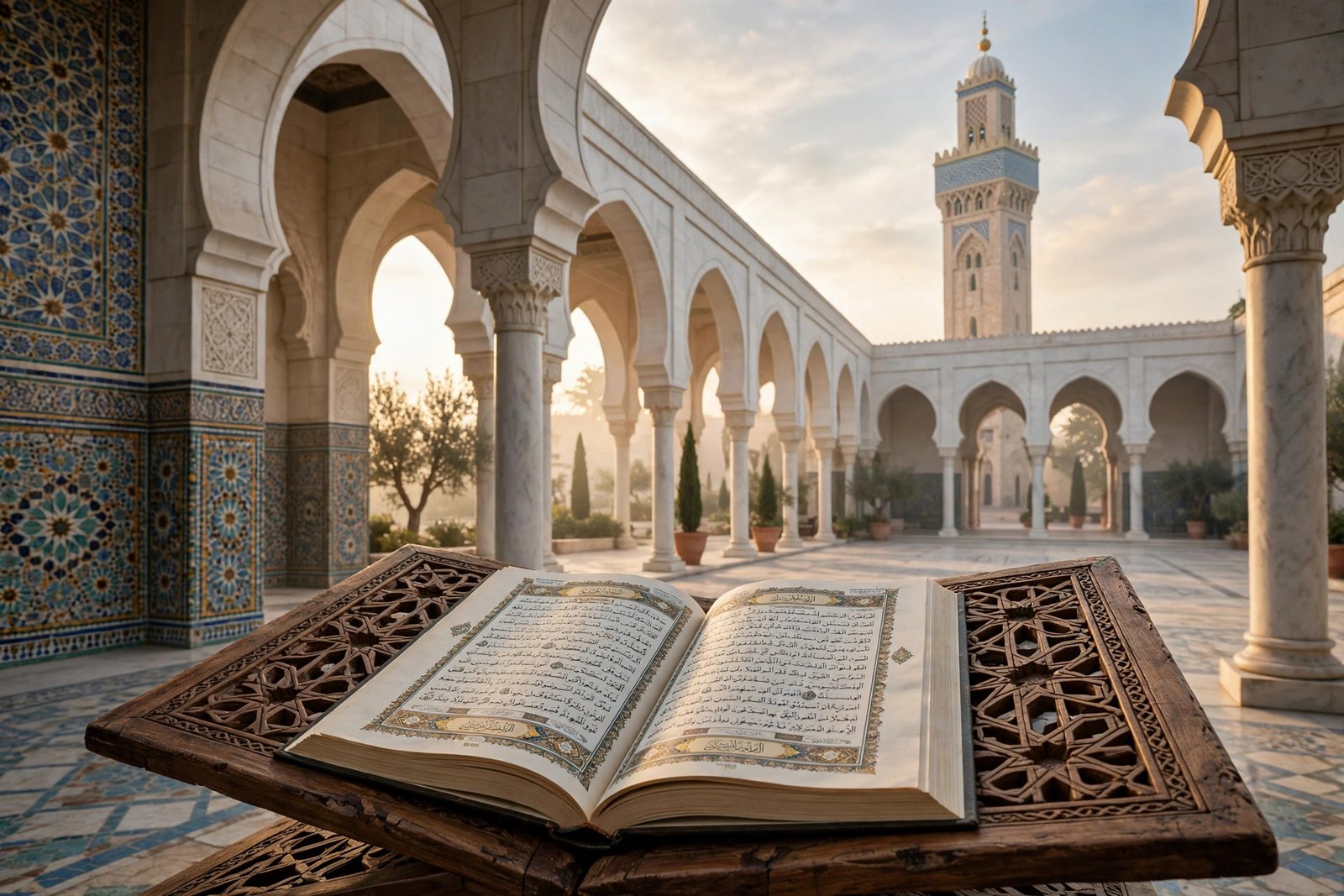
Haya modesty in Islam is one of the most beautiful and most misunderstood qualities of a believer. In a world that celebrates shamelessness and calls it freedom, Islam teaches that true dignity lies in modesty — modesty of the heart, modesty of the eyes, modesty of the tongue, and modesty of dress. Haya is not weakness, and it is not backwardness. It is a branch of faith itself, a light that Allah Almighty places in the heart of the believer, and a quality that the Prophet Muhammad ﷺ possessed in the highest degree. In this article, we explore what haya truly means in the light of the Quran and authentic Hadith, how the Prophet Muhammad ﷺ and his Companions رضی اللہ عنہم lived it, and how every Muslim man and woman can cultivate this noble quality in the modern world.
Table of Contents
- What Is Haya?
- Haya in the Holy Quran
- Haya in the Hadith: A Branch of Faith
- Lowering the Gaze: The First Step of Modesty
- Haya in Dress
- Haya in Speech and Conduct
- The Haya of the Prophet Muhammad ﷺ
- Haya and Iman: Two Companions
- Haya in the Digital Age
- How to Cultivate Haya: Practical Steps
- Haya for Men and Women
- Frequently Asked Questions
What Is Haya?
The Arabic word haya is usually translated as modesty, shyness, or shame — but none of these English words captures its full meaning. Haya is the feeling in the heart that stops a person from doing something ugly or dishonourable. It is a natural sense of honour that makes a believer feel uncomfortable at the very thought of disobeying Allah, of exposing what should be covered, or of speaking words that should not be spoken. The scholars of Islam explain that haya has two parts: haya before Allah, which is the fear of displeasing Him, and haya before people, which is the dislike of being seen in a shameful state. When both are alive in the heart, a person lives with dignity in every place — in private and in public, in the company of people and in solitude.
It is important to understand what haya is not. Haya is not the shyness that stops a person from learning, asking a question, or standing up for the truth. The Prophet Muhammad ﷺ said that two things never stop a person from learning: shyness in asking about the Deen and pride. True haya never prevents a Muslim from seeking knowledge — indeed, the importance of seeking knowledge in Islam is so great that the believers are commanded to ask and to learn, and the women of the Ansar were praised for asking the Prophet ﷺ questions about their religion without hesitation. Haya is also not the fear of people that makes a person hide his faith. A Muslim who is shy of praying in public or of wearing Islamic dress out of fear of what people will say does not have haya — he has a weakness of Iman. True haya is the strength that keeps a person away from sin, not the weakness that keeps him away from obedience.
Haya in the Holy Quran
The Holy Quran mentions the quality of haya in one of the most beautiful stories of the Quran — the meeting of Musa علیہ السلام with the daughters of Shuayb علیہ السلام. When one of the daughters came to invite Musa علیہ السلام to her father’s house, the Quran describes her walk: “Then one of the two women came to him walking with shyness.” (Surah Al-Qasas 28:25). Allah Almighty praised this modesty so highly that He recorded it in the Quran for all generations to read. The scholars note that her haya was in her walk, her speech, and her manner — she did not speak more than was needed, she did not look boldly, and she walked with dignity. This verse teaches us that haya is not only for women or only for men; it is a quality Allah loves in every believer, and He Himself describes it with honour.
The Quran also commands modesty as a duty upon both men and women. Allah Almighty says: “Tell the believing men to lower their gaze and guard their chastity. That is purer for them. Indeed, Allah is Acquainted with what they do. And tell the believing women to lower their gaze and guard their chastity and not expose their adornment except that which appears thereof.” (Surah An-Nur 24:30-31). Notice that the command begins with the men. Haya is not a burden placed only on women; it begins with the believing men, who are told first to lower their gaze and guard their chastity. The Quran presents haya as purification — “that is purer for them” — because a modest heart is a clean heart, and a clean heart is the heart that Allah loves. Those who wish to begin this purification should explore the Quran courses at Jamia Saeedia Darul Quran, where the meanings of these verses are taught step by step, so that the commands of Allah are understood and lived, not merely read.
Another verse shows us the highest standard of haya. Allah says: “And the best garment is the garment of righteousness.” (Surah Al-A’raf 7:26). Clothes cover the body, but Taqwa covers the soul — and the garment of righteousness is the truest clothing of the believer. A person may wear the finest clothes, but if his heart has no haya, he is naked before Allah. And a person may wear simple clothes, but if his heart is full of haya and Taqwa, he is dressed in the most beautiful garment of all. The virtues of Surah Al-Mulk remind us that Allah is the King of all creation, and the believer who remembers that Allah sees him in every moment will naturally feel haya before Him.
Haya in the Hadith: A Branch of Faith
The Prophet Muhammad ﷺ placed haya at the very centre of faith. He said: “Faith has seventy-odd branches, and haya is a branch of faith.” (Sahih al-Bukhari 9, Sahih Muslim 35). Think about the weight of this statement. Haya is not a small extra, not a cultural habit, not a matter of personal taste — it is a branch of Iman itself. Just as a branch belongs to a tree and dies when it is cut off, haya belongs to faith, and when haya dies in a heart, a part of that person’s faith has died with it. The one who has no haya will find it easy to commit sins that a modest person cannot even imagine, because the inner guard that stops him from evil is gone.
The Prophet Muhammad ﷺ also said: “Haya does not bring anything except good.” (Sahih al-Bukhari 6117). Every other quality in life has some risk attached to it — too much courage can become recklessness, too much generosity can become wastefulness — but haya brings only good, because it only ever stops a person from evil and never stops him from good. A person with haya will not lie, will not cheat, will not look at what is forbidden, will not speak foul words, and will not expose himself. Each time haya stops him, it saves him from a sin, and each sin avoided is a good that haya has brought him. The honesty in Islam is closely tied to haya, for the modest person feels ashamed to lie, just as he feels ashamed to steal — and so haya guards the tongue just as it guards the eyes.
In another famous Hadith, the Prophet Muhammad ﷺ said: “Every religion has a distinct characteristic, and the distinct characteristic of Islam is haya.” (Sunan Ibn Majah 4181). Just as every nation has a flag by which it is known, every religion has a quality by which it is recognised — and the flag of Islam is haya. When a non-Muslim looks at a Muslim, the quality that should mark him out from the rest of the world is his modesty: in his dress, in his speech, in his dealings, in his gaze. This is the identity of the Ummah. When Muslims abandon haya, they abandon the very sign by which their religion is known, and the world no longer sees the difference between a believer and one who does not believe. The Prophet Muhammad ﷺ also warned: “If you feel no shame, do as you wish.” (Sahih al-Bukhari 3483). This is not permission to do as one wishes — it is a warning. It means that the person who has lost haya has lost the only thing that restrains him, and he will do whatever he wishes, and whatever he wishes will destroy him.
Lowering the Gaze: The First Step of Modesty
Allah Almighty commanded the believing men and women to lower their gaze before He commanded them to guard their chastity, because the gaze is the beginning of the road. The eyes are the window of the heart: what the eyes take in, the heart begins to desire, and what the heart desires, the limbs begin to pursue. The Prophet Muhammad ﷺ called the unlawful glance the “arrow of Shaytan” — a small thing that enters the heart and poisons it slowly. A single glance may seem harmless, but it plants a seed in the heart that grows into desire, and desire grows into sin. The one who lowers his gaze has cut the sin off at its root, before it can even begin.
Lowering the gaze is not only about looking at the opposite gender. It is about every glance that Allah has forbidden: looking at the wealth of others with envy, looking into the private affairs of others, looking at images and videos that stir the desires. In our time, this command is harder than ever, because the forbidden is no longer far away — it appears on every screen, in every advertisement, in every scroll. The Muslim who wishes to guard his haya must guard his screen as carefully as he guards his eyes on the street. The controlling anger in Islam is taught in the same way: the first moment of a desire or an anger is the moment to control it, before it grows beyond control. Lowering the gaze is the training of the soul, and the soul that is trained in this small thing will be strong in the big things.
The reward of lowering the gaze is immense. The scholars explain that when a person leaves something for the sake of Allah, Allah replaces it with something better. The one who lowers his gaze for the sake of Allah finds a sweetness of Iman in his heart that no unlawful glance could ever give. His prayers become sweeter, his heart becomes calmer, and his love for Allah grows. The virtues of Fajr prayer show the same principle: the believer who sacrifices his sleep for Allah finds a light in his day that the one who sleeps cannot know. In the same way, the believer who sacrifices his glance for Allah finds a light in his heart.
Haya in Dress
Dress is the most visible expression of haya. Allah Almighty gave clothing to the children of Adam as a blessing and a covering, and He called it a sign of honour: “O children of Adam, We have bestowed upon you clothing to conceal your private parts and as adornment.” (Surah Al-A’raf 7:26). Clothing is not only for beauty — its first purpose is to conceal. A Muslim’s dress should cover what Allah has commanded to be covered, and it should not be so tight, so thin, or so revealing that it defeats the very purpose of clothing. For men, the awrah is from the navel to the knee, and the dress of a believing man should be loose, clean, and dignified — not imitating the shameless fashions of those who display their bodies. For women, the Hijab is the crown of haya: a covering that honours her, protects her, and declares her dignity to the world.
The Hijab is often presented by the enemies of Islam as oppression, but the Quran presents it as the opposite — as honour and protection. Allah says: “O Prophet, tell your wives and your daughters and the women of the believers to bring down over themselves part of their outer garments. That is more suitable that they will be known and not be abused.” (Surah Al-Ahzab 33:59). The Hijab is the mark by which a believing woman is known, and it is her protection. A woman who wears Hijab walks through the world with her dignity intact, because she has chosen to be valued for her character and her Iman, not for her body. The Muslim woman who wears Hijab is not hiding herself — she is honouring herself. And the Muslim man who dresses with modesty is likewise honouring himself, for he refuses to make his body an object of display.
Modesty in dress is also modesty in attitude. The Prophet Muhammad ﷺ taught that the one who dresses to show off before people will be disgraced on the Day of Judgement, while the one who dresses humbly for the sake of Allah will be honoured. The halal earnings in Islam is relevant here as well: the believer earns his clothing through lawful means and wears it with gratitude, never with pride or arrogance. Whether the clothes are expensive or simple, what matters is that they are clean, lawful, modest, and worn with the intention of obeying Allah.
Haya in Speech and Conduct
Haya is not only in the eyes and the dress — it is also in the tongue. The believer with haya does not use foul language, does not make indecent jokes, does not speak about shameful matters in public, and does not discuss the private matters of married life with others. The Prophet Muhammad ﷺ never used foul language, never cursed, and never spoke an indecent word in his entire life. His speech was clean, gentle, and dignified, and the Companions رضی اللہ عنہم learned from him that a clean tongue is the sign of a clean heart. The one whose tongue is foul has lost haya, and the one who has lost haya will soon lose much more.
Haya in conduct means behaving with dignity in every situation. A modest person does not laugh loudly in a way that draws attention, does not push and shove in crowds, does not stare at others, does not enter a house without permission, and does not sit in a gathering in a way that embarrasses others. The kindness to neighbors in Islam is part of this same character: the modest believer is careful not to disturb, embarrass, or harm those around him, whether they are his neighbours, his family, or strangers. His haya makes him gentle with people and careful with their honour.
Haya also governs the way men and women interact. Islam does not forbid all interaction between men and women, but it surrounds it with the boundaries of haya: speaking only when there is a need, speaking in a dignified and businesslike manner, avoiding softness of voice that may invite wrong thoughts, and avoiding being alone together. Allah Almighty commanded the wives of the Prophet ﷺ: “Do not be soft in speech, lest he in whose heart is disease should covet, but speak with appropriate speech.” (Surah Al-Ahzab 33:32). This is not harshness — it is protection. When speech is kept clean and purposeful, the heart is kept clean too. The etiquette of making dua in Islam teaches the same carefulness with words before Allah; the believer who is careful with his words before Allah will be careful with his words before people.
The Haya of the Prophet Muhammad ﷺ
No human being possessed haya in a higher degree than the Prophet Muhammad ﷺ. The Companions رضی اللہ عنہم described him as being “more shy than a virgin in her chamber” (Sahih al-Bukhari 3562, Sahih Muslim 2320). This is a remarkable description. A virgin in her chamber is the very picture of modesty in Arab culture — shy, quiet, and reserved. The Prophet Muhammad ﷺ, the leader of the Ummah, the commander of armies, the teacher of mankind, was even more modest than that. And yet his haya never made him weak. He was the bravest of men in battle, the most truthful of men in speech, and the firmest of men in standing for the truth. His haya was not weakness — it was the perfection of character.
The Prophet Muhammad ﷺ never stared at anyone, never raised his voice in the marketplace, never spoke a foul word, and never exposed himself even in private. Once, when a man came to him and asked about something shameful, the Prophet ﷺ answered with such gentle and indirect words that the questioner understood without any embarrassment. This is the Sunnah of haya: to correct without humiliating, to teach without shaming, and to speak of delicate matters with dignity and delicacy. The Prophet Muhammad’s mercy to the worlds and his haya were two sides of the same character — mercy in how he treated people, and haya in how he carried himself before Allah and before people.
Among the Companions رضی اللہ عنہم, the most famous for haya was Hazrat Uthman ibn Affan رضی اللہ عنہ. The Prophet Muhammad ﷺ said about him that even the angels feel shy before Uthman (Sahih Muslim 2401). Once, the Prophet Muhammad ﷺ was sitting with his leg uncovered, and Abu Bakr رضی اللہ عنہ and Umar رضی اللہ عنہ entered and he did not cover it — but when Uthman رضی اللہ عنہ entered, the Prophet ﷺ immediately covered himself and sat up properly. When asked why, he said: “Should I not feel shy before a man before whom even the angels feel shy?” This is the rank that haya gives a person. Uthman رضی اللہ عنہ was not the richest or the strongest of the Companions, but his haya raised him to a rank where even the angels honoured him. The Prophet Muhammad’s trustworthiness, Al-Amin, is part of the same character: the one whom Allah trusts with His message is the one whose character is pure in every way.
Haya and Iman: Two Companions
The scholars of Islam explain that haya and Iman are inseparable companions. When one of them is present, the other is present; when one of them leaves, the other leaves with it. A person cannot claim to have strong Iman while his haya is dead, because Iman itself produces haya. The one who truly believes that Allah sees him, hears him, and knows what is in his heart cannot do in private what he would be ashamed to do in public — because he knows that Allah is always watching. This is the highest form of haya: haya before Allah Almighty.
Haya before Allah is the foundation of all other haya. The Prophet Muhammad ﷺ taught the Companions: “Feel shy before Allah as you would feel shy before a righteous man from your family.” If a person would be ashamed to commit a sin in front of his father or his teacher, how much more should he be ashamed to commit it in front of Allah, who is closer to him than his own jugular vein? The tawbah, repentance in Islam, begins with this haya: the sinner feels ashamed before Allah, and that shame drives him to repent and return. Without haya, there is no repentance, because the sinner does not even feel that he has done anything wrong.
This is why the decline of haya is the decline of the whole Ummah. When haya disappears from a society, sins become public, shamelessness becomes entertainment, and the young grow up believing that modesty is a burden rather than a blessing. The Prophet Muhammad ﷺ warned that when a people lose haya, they lose everything that protects them. The revival of the Ummah, therefore, begins with the revival of haya — in our homes, in our schools, in our mosques, and in our own hearts. The Islamic upbringing of children is where this revival must begin, for a child who is raised with haya will grow into an adult whose faith is protected by it.
Haya in the Digital Age
The greatest test of haya in our time is the screen. Social media, videos, and messaging have made the forbidden easier to reach than at any time in history, and they have made shamelessness into a form of entertainment. The believer’s haya is tested every time he unlocks his phone. What he watches, what he likes, what he shares, what he comments on — all of it is recorded by the angels, and all of it will be shown to him on the Day of Judgement. The virtues of dhikr in Islam teach us the opposite habit: a heart busy with the remembrance of Allah has no room for the whispers of Shaytan, and a phone filled with Quran, lectures, and beneficial knowledge is a phone that protects its owner rather than destroying him.
Haya on social media means several things. It means not posting pictures of oneself in immodest dress, not sharing videos that display what Allah has commanded to be covered, not commenting with flirtatious or indecent words, and not following accounts that lead the heart toward sin. It also means not exposing the private matters of one’s family and home to strangers for the sake of likes and followers. The home is a trust, the family is a trust, and the one who displays them to the world has betrayed that trust. A Muslim man or woman who posts with haya remembers that the whole world may see the post, but Allah sees the intention behind it — and the intention is what will be judged.
Parents must protect their children’s haya in the digital age. A child who is given an unsupervised phone is like a child who is sent alone into a marketplace of sins. The patience, Sabr, in Islam is needed here: it takes patience to set limits, to monitor, to say no, and to bear the complaints of children who want what their friends have. But the parent who protects his child’s haya has given him a gift greater than any device — he has protected his faith. And the young person who protects his own haya, who deletes what is harmful, who unfollows what is shameful, and who fills his feed with good, will find that his heart becomes lighter and his prayers become sweeter.
How to Cultivate Haya: Practical Steps
Haya is not only a gift from Allah — it is also a quality that can be learned and strengthened, like a muscle that grows with exercise. The first step is to remember that Allah sees you. Place this thought in your heart in every situation: before you look, before you speak, before you post, ask yourself, “Would I do this if the Prophet Muhammad ﷺ were standing beside me?” If the answer is no, then do not do it — because Allah is nearer to you than the Prophet ﷺ would be, and He sees what no human eye can see.
The second step is to keep good company. The Prophet Muhammad ﷺ said that a person follows the religion of his friend, so let each one of you look at whom he befriends. The friend who laughs at modesty will slowly kill your haya; the friend who honours modesty will strengthen it. Choose friends whose haya inspires you, sit with the righteous, and attend the gatherings of knowledge. The brotherhood in Islam is built on such company: brothers who remind one another of Allah, who correct one another gently, and who protect one another’s honour.
The third step is to make dua. The Prophet Muhammad ﷺ himself used to make dua for good character, saying: “O Allah, just as You have made my appearance beautiful, make my character beautiful.” Ask Allah for haya in your duas, and ask Him to protect your eyes, your tongue, and your heart. The power of dua in Islam is that Allah answers the one who asks sincerely, and no dua is more beloved to Him than the dua for a pure heart. Combine this with the practical steps: lower your gaze the moment a forbidden sight appears, dress modestly even when no one is watching, and speak only words you would be proud to have recorded.
The fourth step is to study the lives of the modest ones. Read the Seerah of the Prophet Muhammad ﷺ, read about Hazrat Uthman رضی اللہ عنہ and his haya, read about the daughters of Shuayb علیہ السلام and the women of the Ansar. The lessons from Hijrah Seerah show us how the Companions رضی اللہ عنہم carried their character through every trial. When we fill our hearts with these examples, haya becomes not a rule we follow but a love we carry — the love of being like the best of people.
Haya for Men and Women
Some people think haya is only for women. This is a misunderstanding of Islam. The command to lower the gaze came to men first (Surah An-Nur 24:30), and the Prophet Muhammad ﷺ was the most modest of men. A man’s haya shows in his gaze, in his dress, in his speech with women, and in his respect for their dignity. A man with haya does not stare at women, does not make indecent comments, does not enter the private spaces of others, and does not use his strength to intimidate. His strength is shown in his self-control, not in his boldness. The rights of parents in Islam teach the same lesson: the strongest man is the one who serves his parents with humility, not the one who shouts the loudest.
A woman’s haya shows in her Hijab, in her walk, in her speech, and in her conduct. But her haya is not a sign of weakness or inferiority — it is a sign of her honour. The greatest women in Islamic history — Khadijah رضی اللہ عنہا, Fatimah رضی اللہ عنہا, Aisha رضی اللہ عنہا — were women of the highest haya, and they were also women of the highest rank, knowledge, and influence. Their haya did not stop them from teaching, from giving counsel, or from serving the Ummah. It gave them dignity in everything they did. The Muslim woman who carries haya today walks in their footsteps, and her modesty is her crown.
Together, the haya of men and women builds a society of dignity. When men lower their gaze and women observe Hijab, when speech is clean and conduct is respectful, the whole society becomes safe — for children, for families, and for the faith itself. The gratitude, Shukr, in Islam teaches us to thank Allah for this protection, for a society of haya is one of the greatest blessings Allah can give a people.
Frequently Asked Questions
Is haya the same as shyness?
Not exactly. Shyness can be a weakness that stops a person from doing good, such as asking a question or speaking the truth. Haya is a strength that stops a person from doing evil. True haya never prevents a Muslim from learning, praying in public, or standing up for what is right.
Is haya only for women in Islam?
No. The Quran commands believing men first to lower their gaze (Surah An-Nur 24:30), and the Prophet Muhammad ﷺ was the most modest of men. Haya is a duty and a virtue for every Muslim, man and woman, young and old.
Does wearing Hijab alone mean a woman has haya?
Hijab is an important part of haya, but haya is more than clothing. It is also in the eyes, the speech, the walk, and the heart. A woman’s Hijab should be accompanied by modesty in conduct and purity of heart, and the same is true for a man’s dress and behaviour.
How can I protect my haya on social media?
Guard your eyes by unfollowing accounts that display what is forbidden, guard your tongue by never commenting with indecent words, and guard your privacy by not posting pictures or details of yourself and your family that Allah has commanded to be kept covered. Fill your feed with Quran, lectures, and beneficial knowledge instead.
Can haya be learned, or is it only natural?
Haya can be learned and strengthened. Remembering that Allah sees you, keeping righteous company, making dua for good character, and studying the lives of the Prophet Muhammad ﷺ and his Companions رضی اللہ عنہم are all practical ways to grow in haya, day by day.
Related Articles
اردو میں مکمل مضمون
اسلام میں حیا مومن کی سب سے خوبصورت اور سب سے زیادہ غلط سمجھی جانے والی صفت ہے۔ ایسی دنیا میں جو بے حیائی کو جشن منا کر آزادی کا نام دیتی ہے، اسلام سکھاتا ہے کہ اصل عزت حیا میں ہے — دل کی حیا، آنکھوں کی حیا، زبان کی حیا اور لباس کی حیا۔ حیا کمزوری نہیں ہے اور نہ ہی پسماندگی ہے۔ یہ ایمان کی ایک شاخ ہے، ایک نور ہے جو اللہ تعالیٰ مومن کے دل میں رکھتا ہے، اور وہ صفت ہے جو نبی اکرم صلی اللہ علیہ وآلہ وسلم میں سب سے زیادہ درجے پر موجود تھی۔ اس مضمون میں ہم قرآن و حدیث کی روشنی میں حیا کے حقیقی معنی، نبی اکرم صلی اللہ علیہ وآلہ وسلم اور صحابہ کرام رضی اللہ عنہم کی حیا کی مثالیں، اور آج کی جدید دنیا میں ہر مسلمان مرد اور عورت اس عظیم صفت کو کیسے اپنا سکتا ہے، اس پر غور کریں گے۔
فہرست مضامین
- حیا کیا ہے؟
- قرآن مجید میں حیا
- حدیث میں حیا: ایمان کی شاخ
- نظر نیچی رکھنا: حیا کا پہلا قدم
- لباس میں حیا
- گفتگو اور برتاؤ میں حیا
- نبی اکرم ﷺ کی حیا
- حیا اور ایمان: دو ساتھی
- ڈیجیٹل دور میں حیا
- حیا پیدا کرنے کے عملی طریقے
- مردوں اور عورتوں کے لیے حیا
- اکثر پوچھے جانے والے سوالات
حیا کیا ہے؟
عربی لفظ حیا کا ترجمہ عام طور پر شرم، حیاء یا جھجک سے کیا جاتا ہے — لیکن ان میں سے کوئی بھی لفظ اس کے مکمل معنی کو نہیں پہنچا سکتا۔ حیا دل کی وہ کیفیت ہے جو انسان کو کسی برے یا بے عزتی والے کام سے روکتی ہے۔ یہ عزتِ نفس کا فطری احساس ہے جو مومن کو اللہ کی نافرمانی کرنے، چھپانے والی چیز کو ظاہر کرنے یا ایسی بات کہنے کے خیال سے بھی بے چین کر دیتا ہے جو کہنی نہیں چاہیے۔ علمائے اسلام فرماتے ہیں کہ حیا کے دو حصے ہیں: اللہ کے سامنے حیا، یعنی اس کو ناراض کرنے کا خوف، اور لوگوں کے سامنے حیا، یعنی شرمناک حالت میں دیکھے جانے کی ناپسندیدگی۔ جب یہ دونوں دل میں زندہ ہوں تو انسان ہر جگہ عزت کے ساتھ زندگی گزارتا ہے — تنہائی میں بھی اور محفل میں بھی، لوگوں کے سامنے بھی اور اکیلے بھی۔
یہ سمجھنا ضروری ہے کہ حیا کیا نہیں ہے۔ حیا وہ جھجک نہیں ہے جو انسان کو سیکھنے، سوال پوچھنے یا حق کے لیے کھڑا ہونے سے روکے۔ نبی اکرم صلی اللہ علیہ وآلہ وسلم نے فرمایا کہ دو چیزیں انسان کو علم حاصل کرنے سے نہیں روکتیں: دین کے بارے میں سوال کرنے میں شرم اور تکبر۔ حقیقی حیا کبھی مسلمان کو علم حاصل کرنے سے نہیں روکتی — بلکہ اسلام میں علم کی اہمیت اتنی زیادہ ہے کہ مومنوں کو پوچھنے اور سیکھنے کا حکم دیا گیا ہے، اور انصار کی عورتوں کی تعریف کی گئی کہ وہ اپنے دین کے بارے میں نبی اکرم صلی اللہ علیہ وآلہ وسلم سے بغیر کسی ہچکچاہٹ کے سوال کرتی تھیں۔ حیا لوگوں کا وہ خوف بھی نہیں ہے جو انسان کو نماز پڑھنے یا اسلامی لباس پہننے سے روکے۔ جو مسلمان لوگوں کے ڈر سے اپنی عبادت چھپاتا ہے اس میں حیا نہیں بلکہ ایمان کی کمزوری ہے۔ حقیقی حیا وہ طاقت ہے جو انسان کو گناہ سے روکتی ہے، نہ کہ وہ کمزوری جو اسے اطاعت سے روکے۔
قرآن مجید میں حیا
قرآن مجید نے حیا کی صفت کا ذکر قرآن کی سب سے خوبصورت کہانیوں میں سے ایک میں کیا ہے — موسیٰ علیہ السلام کی شعیب علیہ السلام کی بیٹیوں سے ملاقات۔ جب ان میں سے ایک بیٹی موسیٰ علیہ السلام کو اپنے والد کے گھر بلانے آئی تو قرآن نے اس کی چال کو یوں بیان کیا: “پھر ان دونوں میں سے ایک عورت اس کے پاس شرم کے ساتھ چلتی ہوئی آئی۔” (سورۃ القصص 28:25)۔ اللہ تعالیٰ نے اس حیا کی اتنی تعریف فرمائی کہ اسے تمام نسلوں کے پڑھنے کے لیے قرآن میں محفوظ کر دیا۔ علماء فرماتے ہیں کہ اس کی حیا اس کی چال میں تھی، اس کی گفتگو میں تھی اور اس کے انداز میں تھی — اس نے ضرورت سے زیادہ بات نہیں کی، اس نے بے باکی سے نہیں دیکھا، اور وہ عزت کے ساتھ چلی۔ یہ آیت ہمیں سکھاتی ہے کہ حیا صرف عورتوں کے لیے نہیں اور صرف مردوں کے لیے نہیں؛ یہ وہ صفت ہے جسے اللہ ہر مومن میں پسند فرماتا ہے، اور وہ خود اس کا ذکر عزت کے ساتھ فرماتا ہے۔
قرآن مجید نے حیا کو مردوں اور عورتوں دونوں پر فرض قرار دیا ہے۔ اللہ تعالیٰ فرماتا ہے: “مومن مردوں سے کہہ دو کہ اپنی نگاہیں نیچی رکھیں اور اپنی شرمگاہوں کی حفاظت کریں۔ یہ ان کے لیے زیادہ پاکیزہ ہے۔ بے شک اللہ ان کے اعمال سے باخبر ہے۔ اور مومن عورتوں سے کہہ دو کہ اپنی نگاہیں نیچی رکھیں اور اپنی شرمگاہوں کی حفاظت کریں اور اپنی زینت ظاہر نہ کریں سوائے اس کے جو ظاہر ہے۔” (سورۃ النور 24:30-31)۔ غور کیجیے کہ حکم مردوں سے شروع ہوتا ہے۔ حیا صرف عورتوں پر ڈالا گیا بوجھ نہیں ہے؛ یہ مومن مردوں سے شروع ہوتی ہے، جنہیں پہلے نگاہ نیچی رکھنے اور پاکدامنی کی حفاظت کا حکم دیا گیا۔ قرآن حیا کو طہارت قرار دیتا ہے — “یہ ان کے لیے زیادہ پاکیزہ ہے” — کیونکہ با حیا دل صاف دل ہوتا ہے، اور صاف دل وہ دل ہے جسے اللہ پسند فرماتا ہے۔ جو اس طہارت کا آغاز کرنا چاہتے ہیں وہ جامعہ سعیدیہ دارالقرآن کے قرآن کورسز سے استفادہ کریں، جہاں ان آیات کے معانی قدم بہ قدم سکھائے جاتے ہیں، تاکہ اللہ کے احکام صرف پڑھے نہ جائیں بلکہ ان پر عمل بھی کیا جائے۔
ایک اور آیت ہمیں حیا کا بلند ترین معیار بتاتی ہے۔ اللہ فرماتا ہے: “اور بہترین لباس تقویٰ کا لباس ہے۔” (سورۃ الاعراف 7:26)۔ کپڑے جسم کو ڈھانپتے ہیں، لیکن تقویٰ روح کو ڈھانپتا ہے — اور تقویٰ کا لباس مومن کا سچا لباس ہے۔ انسان بہترین کپڑے پہن سکتا ہے، لیکن اگر اس کے دل میں حیا نہیں تو وہ اللہ کے سامنے برہنہ ہے۔ اور انسان سادہ کپڑے پہن سکتا ہے، لیکن اگر اس کا دل حیا اور تقویٰ سے بھرا ہے تو وہ سب سے خوبصورت لباس پہنے ہوئے ہے۔ سورۃ الملک کی فضیلت ہمیں یاد دلاتی ہے کہ اللہ تمام کائنات کا بادشاہ ہے، اور جو مومن یہ یاد رکھتا ہے کہ اللہ اسے ہر لمحہ دیکھ رہا ہے اس کے دل میں فطری طور پر حیا پیدا ہو جاتی ہے۔
حدیث میں حیا: ایمان کی شاخ
نبی اکرم صلی اللہ علیہ وآلہ وسلم نے حیا کو ایمان کے مرکز میں رکھا۔ آپ ﷺ نے فرمایا: “ایمان کی ستر سے زائد شاخیں ہیں، اور حیا ایمان کی ایک شاخ ہے۔” (صحیح البخاری 9، صحیح مسلم 35)۔ اس فرمان کے وزن پر غور کیجیے۔ حیا کوئی چھوٹی سی اضافی چیز نہیں، کوئی ثقافتی عادت نہیں، کوئی ذاتی پسند کا معاملہ نہیں — یہ ایمان کی شاخ ہے۔ جیسے شاخ درخت کا حصہ ہوتی ہے اور کٹ جانے پر مر جاتی ہے، اسی طرح حیا ایمان کا حصہ ہے، اور جب دل میں حیا مر جاتی ہے تو اس انسان کے ایمان کا ایک حصہ بھی اس کے ساتھ مر جاتا ہے۔ جس میں حیا نہیں وہ ان گناہوں کو آسانی سے کر لیتا ہے جن کا با حیا انسان تصور بھی نہیں کر سکتا، کیونکہ وہ اندرونی محافظ جو اسے برائی سے روکتا تھا، ختم ہو چکا ہے۔
نبی اکرم صلی اللہ علیہ وآلہ وسلم نے یہ بھی فرمایا: “حیا خیر کے سوا کچھ نہیں لاتی۔” (صحیح البخاری 6117)۔ زندگی کی ہر دوسری صفت کے ساتھ کچھ خطرہ جڑا ہوتا ہے — زیادہ بہادری بے باکی بن سکتی ہے، زیادہ سخاوت فضول خرچی بن سکتی ہے — لیکن حیا صرف خیر لاتی ہے، کیونکہ یہ انسان کو صرف برائی سے روکتی ہے اور کبھی بھلائی سے نہیں روکتی۔ با حیا انسان جھوٹ نہیں بولے گا، دھوکا نہیں دے گا، حرام کی طرف نہیں دیکھے گا، گندی زبان استعمال نہیں کرے گا اور خود کو بے پردہ نہیں کرے گا۔ ہر بار جب حیا اسے روکتی ہے تو وہ اسے ایک گناہ سے بچاتی ہے، اور ہر بچا ہوا گناہ وہ خیر ہے جو حیا نے اسے دی۔ اسلام میں سچائی اور امانت کا حیا سے گہرا تعلق ہے، کیونکہ با حیا انسان جھوٹ بولنے سے شرماتا ہے جیسے وہ چوری کرنے سے شرماتا ہے — اور یوں حیا زبان کی حفاظت کرتی ہے جیسے آنکھوں کی کرتی ہے۔
ایک اور مشہور حدیث میں نبی اکرم صلی اللہ علیہ وآلہ وسلم نے فرمایا: “ہر دین کی ایک نمایاں خصوصیت ہوتی ہے، اور اسلام کی نمایاں خصوصیت حیا ہے۔” (سنن ابن ماجہ 4181)۔ جیسے ہر قوم کا ایک جھنڈا ہوتا ہے جس سے وہ پہچانی جاتی ہے، اسی طرح ہر دین کی ایک صفت ہوتی ہے جس سے وہ پہچانا جاتا ہے — اور اسلام کا جھنڈا حیا ہے۔ جب کوئی غیر مسلم کسی مسلمان کو دیکھے تو جو صفت اسے دنیا کے باقی لوگوں سے ممتاز کرے وہ اس کی حیا ہونی چاہیے: اس کے لباس میں، اس کی گفتگو میں، اس کے معاملات میں، اس کی نگاہ میں۔ یہ امت کی پہچان ہے۔ جب مسلمان حیا کو چھوڑ دیتے ہیں تو وہ اسی نشانی کو چھوڑ دیتے ہیں جس سے ان کا دین پہچانا جاتا ہے، اور دنیا مومن اور غیر مومن میں فرق نہیں دیکھ پاتی۔ نبی اکرم صلی اللہ علیہ وآلہ وسلم نے یہ بھی خبردار کیا: “جب تم میں حیا نہ رہے تو جو چاہو کرو۔” (صحیح البخاری 3483)۔ یہ اجازت نہیں ہے — یہ تنبیہ ہے۔ اس کا مطلب ہے کہ جس نے حیا کھو دی اس نے وہ واحد چیز کھو دی جو اسے روکتی تھی، اور وہ جو چاہے گا کرے گا، اور جو چاہے گا وہ اسے تباہ کر دے گا۔
نظر نیچی رکھنا: حیا کا پہلا قدم
اللہ تعالیٰ نے مومن مردوں اور عورتوں کو پاکدامنی کی حفاظت کا حکم دینے سے پہلے نگاہ نیچی رکھنے کا حکم دیا، کیونکہ نگاہ راستے کی شروعات ہے۔ آنکھیں دل کی کھڑکی ہیں: جو کچھ آنکھیں لیتی ہیں، دل اس کی خواہش کرنے لگتا ہے، اور جو کچھ دل چاہتا ہے، اعضاء اس کی طرف بڑھنے لگتے ہیں۔ نبی اکرم صلی اللہ علیہ وآلہ وسلم نے حرام نظر کو “شیطان کا تیر” کہا ہے — ایک چھوٹی سی چیز جو دل میں داخل ہوتی ہے اور اسے آہستہ آہستہ زہر آلود کر دیتی ہے۔ ایک نظر بے ضرر لگ سکتی ہے، لیکن یہ دل میں ایک بیج بو دیتی ہے جو خواہش میں بدل جاتا ہے، اور خواہش گناہ میں بدل جاتی ہے۔ جو اپنی نگاہ نیچی رکھتا ہے وہ گناہ کو اس کی جڑ سے ہی کاٹ دیتا ہے، اس سے پہلے کہ وہ شروع بھی ہو۔
نگاہ نیچی رکھنا صرف مخالف جنس کو دیکھنے کے بارے میں نہیں ہے۔ یہ ہر اس نظر کے بارے میں ہے جسے اللہ نے حرام قرار دیا ہے: دوسروں کے مال کو حسد سے دیکھنا، دوسروں کے نجی معاملات میں جھانکنا، ایسی تصویروں اور ویڈیوز کو دیکھنا جو خواہشات کو بھڑکاتی ہیں۔ ہمارے زمانے میں یہ حکم پہلے سے زیادہ مشکل ہے، کیونکہ حرام اب دور نہیں رہا — یہ ہر اسکرین پر، ہر اشتہار میں، ہر اسکرول میں ظاہر ہوتا ہے۔ جو مسلمان اپنی حیا کی حفاظت کرنا چاہتا ہے اسے اپنی اسکرین کی حفاظت اتنی ہی احتیاط سے کرنی چاہیے جتنی وہ سڑک پر اپنی آنکھوں کی کرتا ہے۔ غصے پر قابو پانا اسلام میں بھی اسی طرح سکھایا گیا ہے: خواہش یا غصے کا پہلا لمحہ ہی اسے قابو کرنے کا لمحہ ہے، اس سے پہلے کہ وہ قابو سے باہر ہو جائے۔ نگاہ نیچی رکھنا روح کی تربیت ہے، اور جو روح اس چھوٹی سی چیز میں تربیت یافتہ ہو جائے گی وہ بڑی چیزوں میں مضبوط ہوگی۔
نگاہ نیچی رکھنے کا اجر بہت بڑا ہے۔ علماء فرماتے ہیں کہ جب انسان اللہ کی خاطر کوئی چیز چھوڑتا ہے تو اللہ اسے اس سے بہتر چیز عطا فرماتا ہے۔ جو اللہ کی خاطر اپنی نگاہ نیچی رکھتا ہے وہ اپنے دل میں ایمان کی وہ مٹھاس پاتا ہے جو کوئی حرام نظر کبھی نہیں دے سکتی۔ اس کی نمازیں میٹھی ہو جاتی ہیں، اس کا دل پرسکون ہو جاتا ہے، اور اللہ سے اس کی محبت بڑھ جاتی ہے۔ فجر کی نماز کی فضیلت بھی یہی اصول بتاتی ہے: جو مومن اللہ کے لیے اپنی نیند قربان کرتا ہے وہ اپنے دن میں وہ روشنی پاتا ہے جسے سونے والا نہیں جان سکتا۔ اسی طرح جو مومن اللہ کے لیے اپنی نظر قربان کرتا ہے وہ اپنے دل میں روشنی پاتا ہے۔
لباس میں حیا
لباس حیا کا سب سے ظاہری اظہار ہے۔ اللہ تعالیٰ نے بنی آدم کو لباس عطا فرمایا بطور نعمت اور پردہ، اور اسے عزت کی نشانی قرار دیا: “اے اولادِ آدم! ہم نے تم پر لباس نازل کیا جو تمہاری شرمگاہوں کو چھپاتا ہے اور زینت بھی ہے۔” (سورۃ الاعراف 7:26)۔ لباس صرف خوبصورتی کے لیے نہیں ہے — اس کا پہلا مقصد چھپانا ہے۔ مسلمان کا لباس وہ کچھ ڈھانپے جسے اللہ نے ڈھانپنے کا حکم دیا ہے، اور وہ اتنا تنگ، اتنا باریک یا اتنا کھلا نہ ہو کہ لباس کے مقصد کو ہی ختم کر دے۔ مردوں کے لیے ستر ناف سے گھٹنے تک ہے، اور مومن مرد کا لباس ڈھیلا، صاف اور باوقار ہونا چاہیے — ان بے حیا فیشنوں کی نقل نہ کرے جو جسم کی نمائش کرتے ہیں۔ عورتوں کے لیے حجاب حیا کا تاج ہے: ایک پردہ جو اسے عزت دیتا ہے، اس کی حفاظت کرتا ہے اور دنیا کو اس کی عزت کا اعلان کرتا ہے۔
حجاب کو اسلام کے دشمن اکثر ظلم کے طور پر پیش کرتے ہیں، لیکن قرآن اسے اس کے برعکس — عزت اور حفاظت — قرار دیتا ہے۔ اللہ فرماتا ہے: “اے نبی! اپنی بیویوں اور اپنی بیٹیوں اور مومنوں کی عورتوں سے کہہ دو کہ وہ اپنی چادروں کا ایک حصہ اپنے اوپر ڈال لیں۔ یہ زیادہ مناسب ہے کہ وہ پہچانی جائیں اور انہیں تکلیف نہ دی جائے۔” (سورۃ الاحزاب 33:59)۔ حجاب وہ نشانی ہے جس سے مومن عورت پہچانی جاتی ہے، اور یہ اس کی حفاظت ہے۔ جو عورت حجاب پہنتی ہے وہ دنیا میں اپنی عزت کے ساتھ چلتی ہے، کیونکہ اس نے فیصلہ کیا ہے کہ اسے اس کے کردار اور ایمان کی وجہ سے قدر کی جائے، نہ کہ اس کے جسم کی وجہ سے۔ جو مسلمان عورت حجاب پہنتی ہے وہ خود کو چھپا نہیں رہی — وہ خود کی عزت کر رہی ہے۔ اور جو مسلمان مرد حیا کے ساتھ لباس پہنتا ہے وہ بھی خود کی عزت کر رہا ہے، کیونکہ وہ اپنے جسم کو نمائش کی چیز بنانے سے انکار کرتا ہے۔
لباس میں حیا رویے میں حیا بھی ہے۔ نبی اکرم صلی اللہ علیہ وآلہ وسلم نے سکھایا کہ جو شخص لوگوں کے سامنے دکھاوے کے لیے لباس پہنتا ہے وہ قیامت کے دن رسوا ہوگا، جبکہ جو اللہ کی خاطر عاجزی سے لباس پہنتا ہے وہ عزت پائے گا۔ حلال روزی کمانا اسلام میں بھی یہاں متعلق ہے: مومن اپنا لباس حلال ذرائع سے کماتا ہے اور اسے شکر کے ساتھ پہنتا ہے، کبھی فخر یا تکبر کے ساتھ نہیں۔ کپڑے مہنگے ہوں یا سادہ، اہم یہ ہے کہ وہ صاف ہوں، حلال ہوں، با حیا ہوں اور اللہ کی اطاعت کی نیت سے پہنے جائیں۔
گفتگو اور برتاؤ میں حیا
حیا صرف آنکھوں اور لباس میں نہیں — زبان میں بھی ہے۔ با حیا مومن گندی زبان استعمال نہیں کرتا، بے حیا مذاق نہیں کرتا، شرمناک باتوں پر عوام میں گفتگو نہیں کرتا اور ازدواجی زندگی کے نجی معاملات دوسروں سے بیان نہیں کرتا۔ نبی اکرم صلی اللہ علیہ وآلہ وسلم نے اپنی پوری زندگی میں کبھی گندی زبان استعمال نہیں کی، کبھی لعنت نہیں کی اور کبھی کوئی بے حیا لفظ نہیں کہا۔ آپ ﷺ کی گفتگو صاف، نرم اور باوقار تھی، اور صحابہ کرام رضی اللہ عنہم نے آپ ﷺ سے سیکھا کہ صاف زبان صاف دل کی نشانی ہے۔ جس کی زبان گندی ہے اس کی حیا ختم ہو چکی ہے، اور جس کی حیا ختم ہو گئی وہ جلد بہت کچھ اور بھی کھو دے گا۔
برتاؤ میں حیا کا مطلب ہے ہر حالت میں عزت کے ساتھ پیش آنا۔ با حیا انسان زور سے نہیں ہنستا کہ توجہ کھینچے، ہجوم میں دھکم پیل نہیں کرتا، دوسروں کو گھور کر نہیں دیکھتا، اجازت کے بغیر کسی کے گھر میں داخل نہیں ہوتا اور محفل میں ایسے نہیں بیٹھتا کہ دوسروں کو شرمندگی ہو۔ پڑوسیوں کے حقوق اسلام میں اسی کردار کا حصہ ہے: با حیا مومن محتاط رہتا ہے کہ اپنے پڑوسیوں، اپنے خاندان یا اجنبیوں کو تکلیف، شرمندگی یا نقصان نہ پہنچائے۔ اس کی حیا اسے لوگوں کے ساتھ نرم اور ان کی عزت کے ساتھ محتاط بناتی ہے۔
حیا مردوں اور عورتوں کے باہمی برتاؤ کو بھی منظم کرتی ہے۔ اسلام مردوں اور عورتوں کے درمیان ہر میل جول کو حرام نہیں کرتا، لیکن اسے حیا کی حدود میں رکھتا ہے: صرف ضرورت کے وقت بات کرنا، باوقار اور سنجیدہ انداز میں بات کرنا، آواز میں ایسی نرمی سے بچنا جو غلط خیالات کو دعوت دے، اور تنہائی میں ملنے سے بچنا۔ اللہ تعالیٰ نے نبی اکرم صلی اللہ علیہ وآلہ وسلم کی ازواجِ مطہرات رضی اللہ عنہا کو حکم دیا: “نرم لہجے میں بات نہ کرو، کہیں وہ جس کے دل میں بیماری ہے لالچ نہ کرے، بلکہ مناسب بات کہو۔” (سورۃ الاحزاب 33:32)۔ یہ سختی نہیں — یہ حفاظت ہے۔ جب گفتگو صاف اور مقصد والی رہے تو دل بھی صاف رہتا ہے۔ دعا مانگنے کے آداب بھی الفاظ کے ساتھ یہی احتیاط سکھاتے ہیں؛ جو مومن اللہ کے سامنے اپنے الفاظ کا خیال رکھتا ہے وہ لوگوں کے سامنے بھی اپنے الفاظ کا خیال رکھے گا۔
نبی اکرم ﷺ کی حیا
کوئی انسان حیا میں نبی اکرم صلی اللہ علیہ وآلہ وسلم سے زیادہ درجہ نہیں رکھتا۔ صحابہ کرام رضی اللہ عنہم نے آپ ﷺ کو “اپنے خلوت خانے میں کنواری لڑکی سے بھی زیادہ با حیا” قرار دیا (صحیح البخاری 3562، صحیح مسلم 2320)۔ یہ ایک حیرت انگیز وصف ہے۔ اپنے خلوت خانے میں کنواری لڑکی عرب ثقافت میں حیا کی مکمل تصویر ہے — شرمیلی، خاموش اور محجوب۔ نبی اکرم صلی اللہ علیہ وآلہ وسلم، امت کے رہنما، لشکروں کے سپہ سالار، انسانیت کے معلم، اس سے بھی زیادہ با حیا تھے۔ اور پھر بھی آپ ﷺ کی حیا نے آپ کو کمزور نہیں بنایا۔ آپ ﷺ جنگ میں سب سے بہادر، گفتگو میں سب سے سچے اور حق پر کھڑے ہونے میں سب سے مضبوط تھے۔ آپ ﷺ کی حیا کمزوری نہیں تھی — یہ کردار کی کمال تھی۔
نبی اکرم صلی اللہ علیہ وآلہ وسلم نے کبھی کسی کو گھور کر نہیں دیکھا، کبھی بازار میں آواز بلند نہیں کی، کبھی کوئی گندا لفظ نہیں کہا اور تنہائی میں بھی کبھی خود کو بے پردہ نہیں کیا۔ ایک بار جب ایک شخص آپ ﷺ کے پاس آیا اور شرمناک چیز کے بارے میں پوچھا تو نبی اکرم صلی اللہ علیہ وآلہ وسلم نے ایسے نرم اور غیر مستقیم الفاظ میں جواب دیا کہ سوال کرنے والا بغیر کسی شرمندگی کے سمجھ گیا۔ یہ حیا کی سنت ہے: بغیر ذلیل کیے اصلاح کرنا، بغیر شرمندہ کیے سکھانا اور نازک معاملات پر عزت اور لطافت کے ساتھ بات کرنا۔ نبی اکرم ﷺ کی رحمت للعالمینی اور آپ ﷺ کی حیا ایک ہی کردار کے دو رخ تھے — لوگوں کے ساتھ برتاؤ میں رحمت، اور اللہ اور لوگوں کے سامنے اپنے آپ کو پیش کرنے میں حیا۔
صحابہ کرام رضی اللہ عنہم میں حیا کے لیے سب سے مشہور حضرت عثمان بن عفان رضی اللہ عنہ تھے۔ نبی اکرم صلی اللہ علیہ وآلہ وسلم نے ان کے بارے میں فرمایا کہ فرشتے بھی عثمان سے حیا کرتے ہیں (صحیح مسلم 2401)۔ ایک بار نبی اکرم صلی اللہ علیہ وآلہ وسلم بیٹھے ہوئے تھے اور آپ کی پنڈلی کھلی ہوئی تھی، ابوبکر رضی اللہ عنہ اور عمر رضی اللہ عنہ داخل ہوئے تو آپ ﷺ نے اسے نہیں ڈھانپا — لیکن جب عثمان رضی اللہ عنہ داخل ہوئے تو نبی اکرم صلی اللہ علیہ وآلہ وسلم نے فوراً اسے ڈھانپ لیا اور سیدھے بیٹھ گئے۔ جب پوچھا گیا کہ کیوں، تو آپ ﷺ نے فرمایا: “کیا میں اس شخص سے حیا نہ کروں جس سے فرشتے بھی حیا کرتے ہیں؟” یہ وہ مرتبہ ہے جو حیا انسان کو عطا کرتی ہے۔ عثمان رضی اللہ عنہ صحابہ میں سب سے امیر یا سب سے طاقتور نہیں تھے، لیکن ان کی حیا نے انہیں اس مرتبے تک پہنچا دیا جہاں فرشتے بھی ان کی عزت کرتے تھے۔ نبی اکرم ﷺ کی امانت و صداقت، الامین اسی کردار کا حصہ ہے: جسے اللہ اپنے پیغام کا امین بناتا ہے وہ وہی ہے جس کا کردار ہر لحاظ سے پاک ہے۔
حیا اور ایمان: دو ساتھی
علمائے اسلام فرماتے ہیں کہ حیا اور ایمان لازم و ملزوم ساتھی ہیں۔ جب ایک موجود ہو تو دوسرا بھی موجود ہوتا ہے؛ جب ایک چلا جائے تو دوسرا بھی اس کے ساتھ چلا جاتا ہے۔ انسان مضبوط ایمان کا دعویٰ نہیں کر سکتا جبکہ اس کی حیا مردہ ہو، کیونکہ ایمان خود حیا پیدا کرتا ہے۔ جو سچا یقین رکھتا ہے کہ اللہ اسے دیکھتا ہے، اسے سنتا ہے اور اس کے دل کی بات جانتا ہے وہ تنہائی میں وہ کام نہیں کر سکتا جسے وہ لوگوں کے سامنے کرنے سے شرماتا ہے — کیونکہ وہ جانتا ہے کہ اللہ ہمیشہ دیکھ رہا ہے۔ یہ حیا کی بلند ترین صورت ہے: اللہ تعالیٰ کے سامنے حیا۔
اللہ کے سامنے حیا ہر دوسری حیا کی بنیاد ہے۔ نبی اکرم صلی اللہ علیہ وآلہ وسلم نے صحابہ کو سکھایا: “اللہ سے ایسے حیا کرو جیسے تم اپنے خاندان کے کسی نیک آدمی سے حیا کرتے ہو۔” اگر انسان اپنے والد یا استاد کے سامنے گناہ کرنے سے شرماتا ہے تو اللہ کے سامنے گناہ کرنے سے کتنا زیادہ شرمانا چاہیے، جو اس کی شہ رگ سے بھی زیادہ قریب ہے؟ اسلام میں توبہ اسی حیا سے شروع ہوتی ہے: گناہگار اللہ کے سامنے شرمندہ ہوتا ہے، اور وہ شرمندگی اسے توبہ کرنے اور لوٹنے پر مجبور کرتی ہے۔ حیا کے بغیر توبہ نہیں ہے، کیونکہ گناہگار کو یہ احساس ہی نہیں ہوتا کہ اس نے کچھ غلط کیا ہے۔
اسی لیے حیا کا زوال پوری امت کا زوال ہے۔ جب معاشرے سے حیا ختم ہو جاتی ہے تو گناہ علانیہ ہو جاتے ہیں، بے حیائی تفریح بن جاتی ہے اور نوجوان یہ سمجھ کر بڑے ہوتے ہیں کہ حیا بوجھ ہے نہ کہ نعمت۔ نبی اکرم صلی اللہ علیہ وآلہ وسلم نے خبردار کیا کہ جب کسی قوم سے حیا ختم ہو جاتی ہے تو وہ ہر وہ چیز کھو دیتی ہے جو اس کی حفاظت کرتی ہے۔ اس لیے امت کی تجدید حیا کی تجدید سے شروع ہوتی ہے — ہمارے گھروں میں، ہمارے اسکولوں میں، ہماری مسجدوں میں اور اپنے دلوں میں۔ بچوں کی اسلامی تربیت وہیں سے یہ تجدید شروع ہونی چاہیے، کیونکہ جو بچہ حیا کے ساتھ پلا بڑھا وہ بڑا ہو کر ایسا بالغ بنے گا جس کا ایمان اس حیا سے محفوظ رہے گا۔
ڈیجیٹل دور میں حیا
ہمارے زمانے میں حیا کا سب سے بڑا امتحان اسکرین ہے۔ سوشل میڈیا، ویڈیوز اور پیغامات نے حرام کو تاریخ میں کسی بھی وقت سے زیادہ آسان بنا دیا ہے، اور بے حیائی کو تفریح کی صورت دے دی ہے۔ مومن کی حیا کا امتحان ہر بار ہوتا ہے جب وہ اپنا فون کھولتا ہے۔ وہ کیا دیکھتا ہے، کیا پسند کرتا ہے، کیا شیئر کرتا ہے، کیا تبصرہ کرتا ہے — یہ سب فرشتے لکھ رہے ہیں، اور یہ سب قیامت کے دن اسے دکھایا جائے گا۔ ذکر الٰہی کی فضیلت ہمیں اس کے برعکس عادت سکھاتی ہے: اللہ کے ذکر میں مصروف دل میں شیطان کی وسوسوں کی کوئی جگہ نہیں ہوتی، اور قرآن، لیکچرز اور فائدہ مند علم سے بھرا ہوا فون اپنے مالک کی حفاظت کرتا ہے نہ کہ اسے تباہ کرتا ہے۔
سوشل میڈیا پر حیا کا مطلب کئی چیزیں ہیں۔ اس کا مطلب ہے کہ بے حیا لباس میں اپنی تصاویر پوسٹ نہ کرنا، ایسی ویڈیوز شیئر نہ کرنا جو اللہ کے حکم کردہ پردے کو ظاہر کرتی ہوں، چھیڑ چھاڑ یا بے حیا الفاظ کے ساتھ تبصرہ نہ کرنا، اور ایسے اکاؤنٹس کو فالو نہ کرنا جو دل کو گناہ کی طرف لے جائیں۔ اس کا مطلب یہ بھی ہے کہ لائکس اور فالوورز کی خاطر اپنے خاندان اور گھر کے نجی معاملات اجنبیوں کے سامنے ظاہر نہ کرنا۔ گھر ایک امانت ہے، خاندان ایک امانت ہے، اور جو انہیں دنیا کے سامنے ظاہر کرتا ہے وہ اس امانت میں خیانت کرتا ہے۔ جو مسلمان مرد یا عورت حیا کے ساتھ پوسٹ کرتا ہے وہ یاد رکھتا ہے کہ پوری دنیا اس پوسٹ کو دیکھ سکتی ہے، لیکن اللہ اس کے پیچھے نیت کو دیکھتا ہے — اور نیت ہی کا فیصلہ ہوگا۔
والدین کو ڈیجیٹل دور میں اپنے بچوں کی حیا کی حفاظت کرنی چاہیے۔ جس بچے کو بغیر نگرانی کے فون دے دیا جائے وہ ایسے بچے کی طرح ہے جسے اکیلے گناہوں کے بازار میں بھیج دیا گیا ہو۔ مشکل وقت میں صبر یہاں ضروری ہے: حدود مقرر کرنے، نگرانی کرنے، نہ کہنے اور ان بچوں کی شکایات برداشت کرنے میں صبر درکار ہے جو وہ چاہتے ہیں جو ان کے دوستوں کے پاس ہے۔ لیکن جو والدین اپنے بچے کی حیا کی حفاظت کرتا ہے اس نے اسے کسی بھی ڈیوائس سے بڑا تحفہ دیا ہے — اس نے اس کے ایمان کی حفاظت کی ہے۔ اور جو نوجوان اپنی حیا کی حفاظت کرتا ہے، جو نقصان دہ چیز کو حذف کرتا ہے، جو شرمناک چیز کو انفالو کرتا ہے اور اپنی فیڈ کو بھلائی سے بھر دیتا ہے، وہ پائے گا کہ اس کا دل ہلکا ہو جاتا ہے اور اس کی نمازیں میٹھی ہو جاتی ہیں۔
حیا پیدا کرنے کے عملی طریقے
حیا صرف اللہ کی عطا نہیں ہے — یہ وہ صفت بھی ہے جسے سیکھا جا سکتا ہے اور مضبوط کیا جا سکتا ہے، جیسے پٹھا ورزش سے بڑھتا ہے۔ پہلا قدم یہ ہے کہ یاد رکھیں کہ اللہ آپ کو دیکھ رہا ہے۔ یہ خیال ہر حالت میں اپنے دل میں رکھیں: دیکھنے سے پہلے، بولنے سے پہلے، پوسٹ کرنے سے پہلے اپنے آپ سے پوچھیں، “کیا میں یہ کام کروں گا اگر نبی اکرم صلی اللہ علیہ وآلہ وسلم میرے پاس کھڑے ہوں؟” اگر جواب نہیں ہے تو اسے نہ کریں — کیونکہ اللہ آپ کے زیادہ قریب ہے، اور وہ وہ کچھ دیکھتا ہے جو کوئی انسانی آنکھ نہیں دیکھ سکتی۔
دوسرا قدم اچھی صحبت اختیار کرنا ہے۔ نبی اکرم صلی اللہ علیہ وآلہ وسلم نے فرمایا کہ انسان اپنے دوست کے دین پر ہوتا ہے، اس لیے ہر ایک دیکھے کہ وہ کس سے دوستی کرتا ہے۔ جو دوست حیا پر ہنستا ہے وہ آہستہ آہستہ آپ کی حیا کو مار دے گا؛ جو دوست حیا کی عزت کرتا ہے وہ اسے مضبوط کرے گا۔ ایسے دوست چنیں جن کی حیا آپ کو متاثر کرے، نیک لوگوں کے ساتھ بیٹھیں اور علم کی محفلوں میں حاضر ہوں۔ اسلام میں اخوت و اتحاد ایسی ہی صحبت پر قائم ہے: بھائی جو ایک دوسرے کو اللہ کی یاد دلاتے ہیں، جو ایک دوسرے کی نرمی سے اصلاح کرتے ہیں اور ایک دوسرے کی عزت کی حفاظت کرتے ہیں۔
تیسرا قدم دعا کرنا ہے۔ نبی اکرم صلی اللہ علیہ وآلہ وسلم خود اچھے اخلاق کے لیے دعا کرتے تھے: “اے اللہ! جیسے تو نے میری صورت خوبصورت بنائی ہے، میرے اخلاق کو بھی خوبصورت بنا دے۔” اپنی دعاؤں میں اللہ سے حیا مانگیں، اور اس سے اپنی آنکھوں، اپنی زبان اور اپنے دل کی حفاظت کی دعا کریں۔ اسلام میں دعا کی طاقت یہ ہے کہ اللہ سچے دل سے مانگنے والے کی دعا قبول فرماتا ہے، اور پاک دل کی دعا سے زیادہ محبوب اللہ کو کوئی دعا نہیں ہے۔ اسے عملی اقدامات کے ساتھ جوڑیں: حرام نظر آتے ہی نگاہ نیچی کریں، جب کوئی نہ دیکھ رہا ہو تب بھی با حیا لباس پہنیں، اور صرف وہ الفاظ کہیں جن پر آپ کو فخر ہو کہ وہ لکھے گئے ہیں۔
چوتھا قدم با حیا لوگوں کی زندگیوں کا مطالعہ کرنا ہے۔ نبی اکرم صلی اللہ علیہ وآلہ وسلم کی سیرت پڑھیں، حضرت عثمان رضی اللہ عنہ اور ان کی حیا کے بارے میں پڑھیں، شعیب علیہ السلام کی بیٹیوں اور انصار کی عورتوں کے بارے میں پڑھیں۔ ہجرت مدینہ سے سبق ہمیں دکھاتے ہیں کہ صحابہ کرام رضی اللہ عنہم نے ہر آزمائش میں اپنا کردار کیسے برقرار رکھا۔ جب ہم اپنے دلوں کو ان مثالوں سے بھر لیتے ہیں تو حیا صرف ایک قاعدہ نہیں رہتی جس پر ہم عمل کرتے ہیں بلکہ ایک محبت بن جاتی ہے — بہترین لوگوں جیسا بننے کی محبت۔
مردوں اور عورتوں کے لیے حیا
کچھ لوگ سمجھتے ہیں کہ حیا صرف عورتوں کے لیے ہے۔ یہ اسلام کی غلط فہمی ہے۔ نگاہ نیچی رکھنے کا حکم پہلے مردوں کو آیا (سورۃ النور 24:30)، اور نبی اکرم صلی اللہ علیہ وآلہ وسلم مردوں میں سب سے زیادہ با حیا تھے۔ مرد کی حیا اس کی نگاہ میں، اس کے لباس میں، عورتوں سے اس کی گفتگو میں اور ان کی عزت کے احترام میں ظاہر ہوتی ہے۔ با حیا مرد عورتوں کو گھور کر نہیں دیکھتا، بے حیا تبصرے نہیں کرتا، دوسروں کے نجی مقامات میں داخل نہیں ہوتا اور اپنی طاقت سے دوسروں کو ڈراتا نہیں ہے۔ اس کی طاقت اس کے ضبطِ نفس میں ظاہر ہوتی ہے، نہ کہ اس کی بے باکی میں۔ اسلام میں والدین کے حقوق یہی سبق سکھاتے ہیں: سب سے مضبوط مرد وہ ہے جو اپنے والدین کی عاجزی سے خدمت کرتا ہے، نہ کہ وہ جو سب سے زور سے چیختا ہے۔
عورت کی حیا اس کے حجاب میں، اس کی چال میں، اس کی گفتگو میں اور اس کے برتاؤ میں ظاہر ہوتی ہے۔ لیکن اس کی حیا کمزوری یا کمتر ہونے کی نشانی نہیں ہے — یہ اس کی عزت کی نشانی ہے۔ اسلامی تاریخ کی عظیم ترین خواتین — خدیجہ رضی اللہ عنہا، فاطمہ رضی اللہ عنہا، عائشہ رضی اللہ عنہا — حیا میں بلند ترین تھیں، اور وہ علم، مرتبے اور اثر و رسوخ میں بھی بلند ترین تھیں۔ ان کی حیا نے انہیں سکھانے، مشورہ دینے یا امت کی خدمت کرنے سے نہیں روکا۔ اس نے انہیں ہر کام میں عزت دی۔ جو مسلمان عورت آج حیا اختیار کرتی ہے وہ ان کے نقشِ قدم پر چلتی ہے، اور اس کی حیا اس کا تاج ہے۔
ایک ساتھ، مردوں اور عورتوں کی حیا عزت کا معاشرہ بناتی ہے۔ جب مرد نگاہیں نیچی رکھیں اور عورتیں حجاب اختیار کریں، جب گفتگو صاف ہو اور برتاؤ محترم ہو، تو پورا معاشرہ محفوظ ہو جاتا ہے — بچوں کے لیے، خاندانوں کے لیے اور ایمان کے لیے۔ اسلام میں شکر گزاری ہمیں سکھاتی ہے کہ اللہ کا اس حفاظت پر شکر ادا کریں، کیونکہ حیا کا معاشرہ اللہ کی طرف سے کسی قوم کو ملنے والی سب سے بڑی نعمتوں میں سے ایک ہے۔
اکثر پوچھے جانے والے سوالات
کیا حیا شرمیلے پن جیسی ہے؟
بالکل نہیں۔ شرمیلا پن کمزوری ہو سکتی ہے جو انسان کو بھلائی کرنے سے روکتی ہے، جیسے سوال پوچھنا یا سچ بولنا۔ حیا طاقت ہے جو انسان کو برائی کرنے سے روکتی ہے۔ حقیقی حیا کبھی مسلمان کو سیکھنے، عوام میں نماز پڑھنے یا حق کے لیے کھڑے ہونے سے نہیں روکتی۔
کیا اسلام میں حیا صرف عورتوں کے لیے ہے؟
نہیں۔ قرآن نے پہلے مومن مردوں کو نگاہ نیچی رکھنے کا حکم دیا (سورۃ النور 24:30)، اور نبی اکرم صلی اللہ علیہ وآلہ وسلم مردوں میں سب سے زیادہ با حیا تھے۔ حیا ہر مسلمان کے لیے فرض اور فضیلت ہے، مرد ہو یا عورت، جوان ہو یا بوڑھا۔
کیا صرف حجاب پہننے کا مطلب ہے کہ عورت میں حیا ہے؟
حجاب حیا کا ایک اہم حصہ ہے، لیکن حیا صرف لباس سے زیادہ ہے۔ یہ آنکھوں میں بھی ہے، گفتگو میں بھی، چال میں بھی اور دل میں بھی۔ عورت کا حجاب برتاؤ میں حیا اور دل کی پاکیزگی کے ساتھ ہونا چاہیے، اور مرد کے لباس اور برتاؤ کے بارے میں بھی یہی سچ ہے۔
میں سوشل میڈیا پر اپنی حیا کی حفاظت کیسے کروں؟
اپنی آنکھوں کی حفاظت کریں ان اکاؤنٹس کو انفالو کر کے جو حرام چیزیں دکھاتے ہیں، اپنی زبان کی حفاظت کریں کبھی بے حیا الفاظ کے ساتھ تبصرہ نہ کر کے، اور اپنی نجی زندگی کی حفاظت کریں اپنی اور اپنے خاندان کی تصاویر یا تفصیلات پوسٹ نہ کر کے جنہیں اللہ نے پردے میں رکھنے کا حکم دیا ہے۔ اپنی فیڈ کو قرآن، لیکچرز اور فائدہ مند علم سے بھر دیں۔
کیا حیا سیکھی جا سکتی ہے، یا یہ صرف فطری ہے؟
حیا سیکھی جا سکتی ہے اور مضبوط کی جا سکتی ہے۔ یہ یاد رکھنا کہ اللہ آپ کو دیکھ رہا ہے، نیک صحبت اختیار کرنا، اچھے اخلاق کے لیے دعا کرنا، اور نبی اکرم صلی اللہ علیہ وآلہ وسلم اور صحابہ کرام رضی اللہ عنہم کی زندگیوں کا مطالعہ کرنا حیا میں دن بہ دن بڑھنے کے عملی طریقے ہیں۔


Leave A Comment